

Soft Silk or Pattu? The Right Saree Weave for UAE Weather (2026): Weights, AED Prices & Dubai Delivery
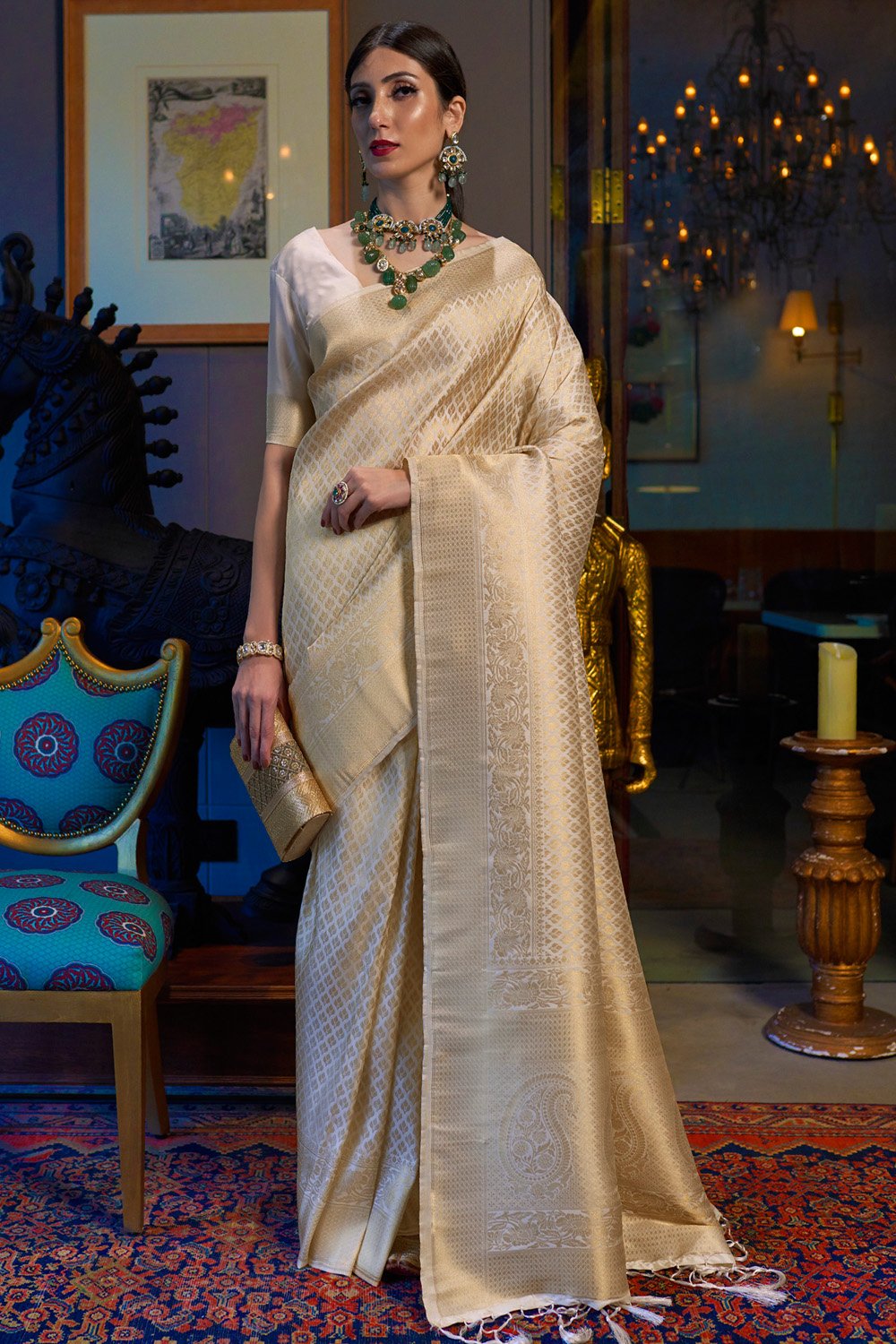
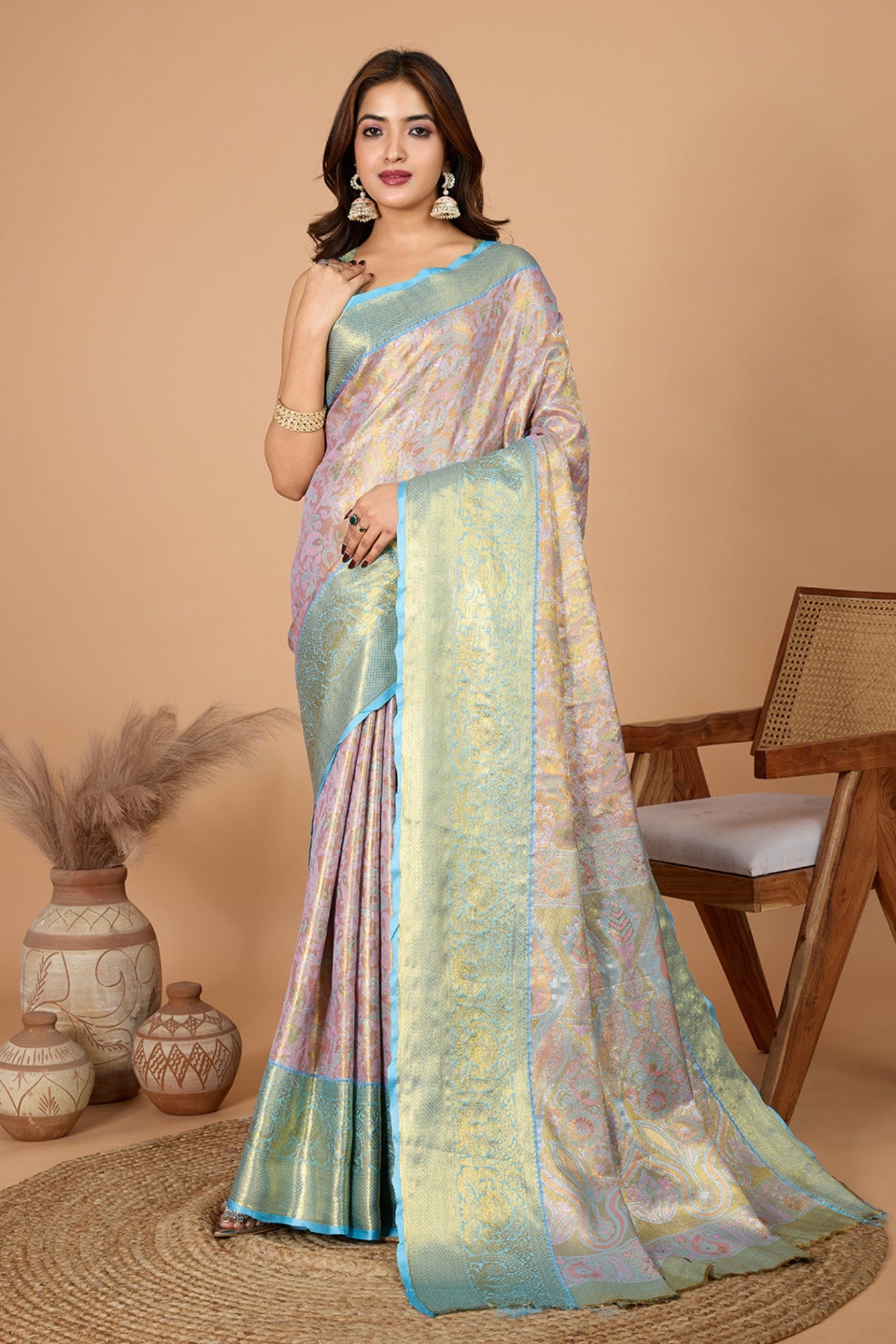
If you live in the UAE, pick the weave by weight before you pick it by colour. A lightweight soft silk saree (roughly 400-550g) drapes well in Dubai's coastal humidity and sits comfortably through a long, heavily air-conditioned reception. A traditional Kanchipuram pattu saree (700-900g, with a korvai border) is a winter-wedding and temple garment here - magnificent, but genuinely heavy in a Gulf summer. Both ship free worldwide from India, and both display in dirhams on our global store.
Soft silk vs pattu: what actually separates them
"Pattu" simply means silk in Tamil and Telugu, but in practice it refers to the dense South Indian silk saree - most often Kanchipuram. Its defining construction is korvai: the body and the contrast border are woven on separate warps and interlocked by hand using three shuttles, so the border is structurally joined rather than simply woven across. Look closely at the join and you will see a fine zigzag interlocking line (weavers call it the pitni). Tug the border gently against the body - a genuine korvai join holds and shows that zigzag; a printed or power-loom "contrast border" shows a flat, perfectly straight transition.
Soft silk skips korvai. The border is woven continuously with the body on finer denier yarn and a lower pick density, which is exactly why it comes out lighter and falls in smaller pleats. It is not a lesser saree - it is a different brief. For UAE wear, that brief usually wins.

Why weight matters more in the Gulf than in India
Two climate realities shape saree choice here, and they pull in opposite directions.
First, coastal humidity. Dubai, Abu Dhabi and Sharjah sit on the Gulf, and overnight summer humidity along the coast routinely climbs into the 80-90% range. Damp air is the enemy of metallic zari. Traditional Kanchipuram zari is silk thread wrapped in a flat silver-plated wire that is then gold-electroplated - "tested" zari carries an assayed silver content. Cheaper half-fine or imitation zari substitutes copper wire or metallised polyester film. Copper-based zari tarnishes noticeably faster in salt-laden coastal air. If you are buying a saree you intend to keep for a decade in the UAE, the zari composition matters more than the motif.
Second, interiors here are aggressively cooled. A ballroom at 20°C makes a 900g korvai pattu perfectly wearable - and makes a chiffon or organza saree feel thin. The practical answer for most UAE buyers is a two-saree wardrobe: one lightweight silk for summer functions and office-adjacent occasions, one heavier weave for winter weddings between November and March.

Weave, weight and price at a glance
| Weave | Typical weight | Best UAE season | MySilkLove list price (approx.) |
|---|---|---|---|
| Organza | 250-400g | Summer, daytime | ₹2,500-₹5,500 (AED 95-210) |
| Soft silk (incl. Banarasi & Paithani soft silk) | 400-550g | Year-round | ₹4,500-₹10,100 (AED 175-390) |
| Kanjivaram / pattu (contemporary weight) | 550-700g | Autumn to spring | ₹4,300-₹9,300 (AED 165-360) |
| Heavy korvai bridal pattu | 700-900g+ | Winter weddings only | Made to order - enquire |
Prices shown are current list prices on mysilklove.com; any running offer is applied automatically at checkout, and the global store converts to dirhams at the live rate. As a rough guide in August 2026, AED 1 has been trading around ₹26, so a ₹6,222 Paithani soft silk lands near AED 240 before shipping. Rates move - treat these as indicative, not quotes.
Customs: the AED 300 line most NRI buyers miss
Dubai Customs lowered its duty-free threshold for courier shipments from AED 970 to AED 300 in January 2023, and it has stayed there. Personal courier shipments valued under AED 300 clear without customs duty. Above it, expect a formal declaration with 5% customs duty plus 5% VAT on the assessed value. Abu Dhabi applies a more generous AED 1,000 threshold.
 What this means in practice: almost any single silk saree you order will sit above the Dubai threshold. Our shipping is free worldwide, but it is not delivered-duty-paid - the courier will collect duty and VAT from you at delivery, and you are the importer of record. Budget roughly 10% of the declared value on top of the saree price for a Dubai address, and keep the invoice handy for clearance. If you would rather see the full UAE-specific breakdown, our Silk Sarees in UAE page covers delivery timelines to Dubai, Abu Dhabi and Sharjah.
Four checks before you order from abroad
- Read the fabric field, not the title. Saree titles use weave names; the fabric line on the product page tells you whether it is silk or a silk blend. Buy on the fabric field.
- Ask for the zari type. Tested/half-fine/imitation is a legitimate question and a good seller will answer it. It predicts how the saree ages in coastal air.
- Confirm the blouse piece. Most South Indian sarees ship with an unstitched blouse piece; stitching in the UAE is easy but adds a week and AED 80-200 at a local tailor.
- Check the return window against transit time. India-to-UAE transit is short, but confirm the window starts on delivery, not dispatch.
Where to start browsing
For year-round UAE wear, start with soft silk sarees. For korvai construction and temple-border classics, browse pattu sarees or Kanjivaram sarees. For a summer daytime function, organza sarees are the lightest option we stock, and the wedding edit gathers the heavier ceremony pieces.
FAQ
Is soft silk real silk?
Soft silk describes a construction - finer yarn, lower pick density, no korvai join - not a fibre guarantee. Some soft silk sarees are silk; many in the mid-market are silk blends. The product page fabric field is the only reliable answer, so read it before you buy.
Will my saree's zari tarnish in Dubai?
Good-quality silver-based zari resists tarnish well; copper-based imitation zari does not, and coastal salt air accelerates it. Store sarees in unbleached cotton or muslin, never polythene - plastic traps humidity against the metal and is the single most common cause of both tarnish and fungus spotting in Gulf homes.
How heavy is too heavy for a UAE summer wedding?
If the venue is indoors and fully air-conditioned, anything up to about 700g is comfortable. For any outdoor or partly open venue between May and September, stay under 550g.
Do I pay customs on a saree delivered to Dubai?
Above AED 300 declared value, yes - 5% duty plus 5% VAT, collected by the courier on delivery. Abu Dhabi's threshold is AED 1,000. Shipping itself is free worldwide from MySilkLove; duties and taxes are separate and payable by the recipient.

Shop the weaves this guide compares
If the lightweight route suits your climate, the soft-silk Paithanis in our Paithani saree collection sit in the lighter band described above, and our Banarasi silk sarees offer a comparable drape with north Indian zari work. For korvai and other hand-interlocked border constructions, browse our authentic handloom sarees.
Prices, exchange rates and customs thresholds cited are current as of August 2026 and can change. Confirm duty with your courier before ordering.

%20drapes%20well%20in%20Dubai's%20coastal%20humidity%20and%20sits%20comfortably%20through%20...)
Leave a comment
This site is protected by hCaptcha and the hCaptcha Privacy Policy and Terms of Service apply.