
Handloom Sarees | Buy Authentic Handloom Sarees Online
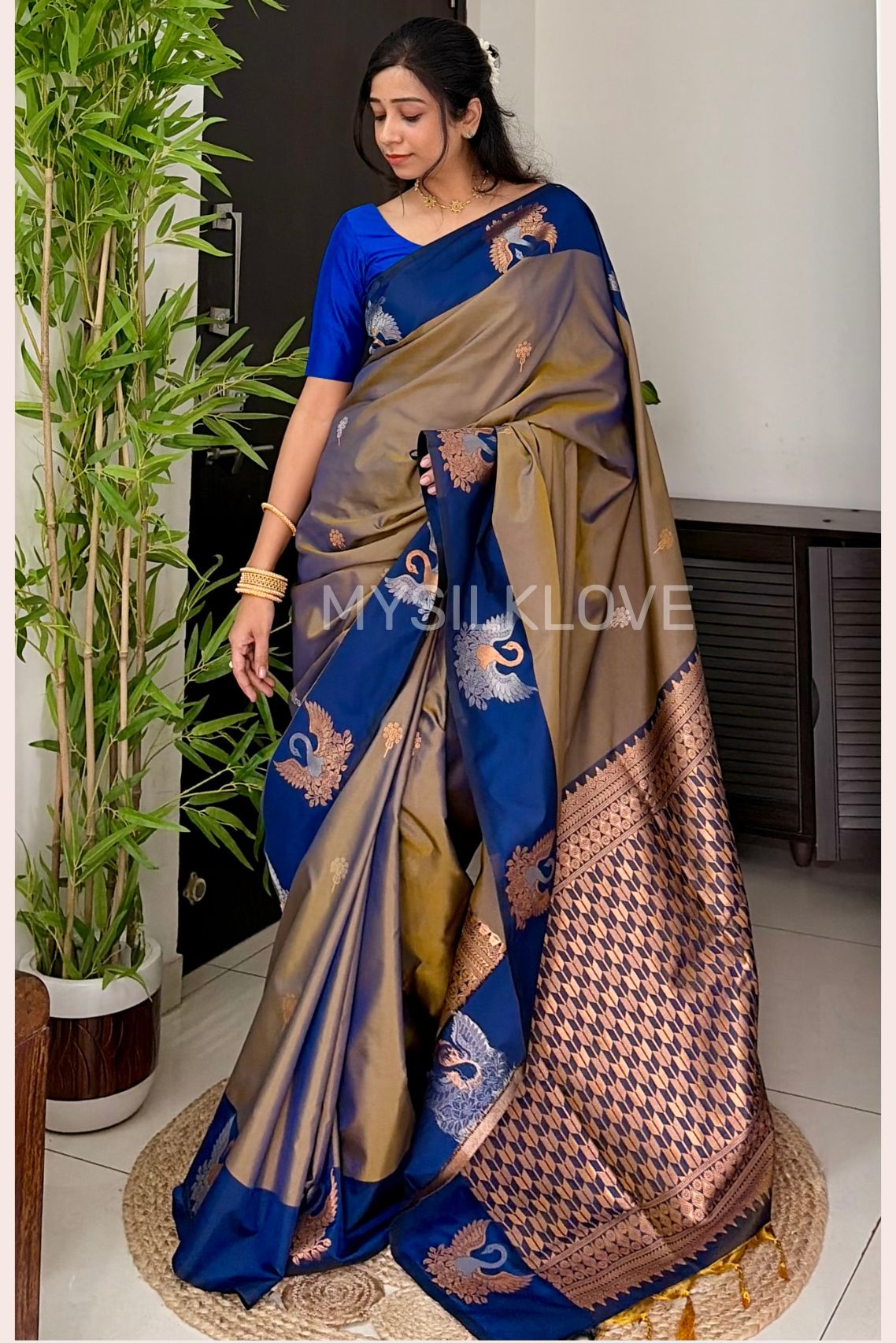
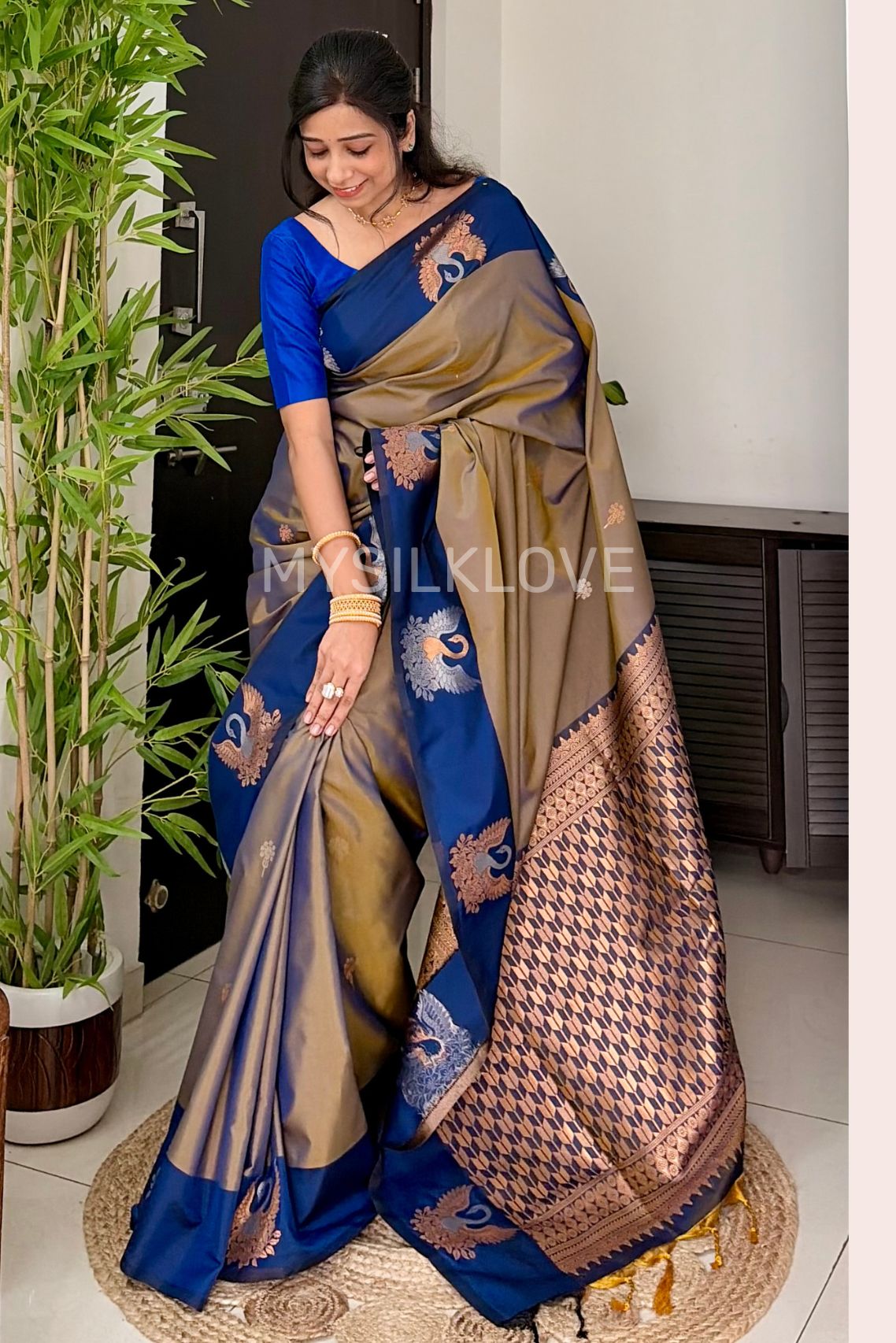
Graphite Grey Banarasi Handloom Soft Silk Saree
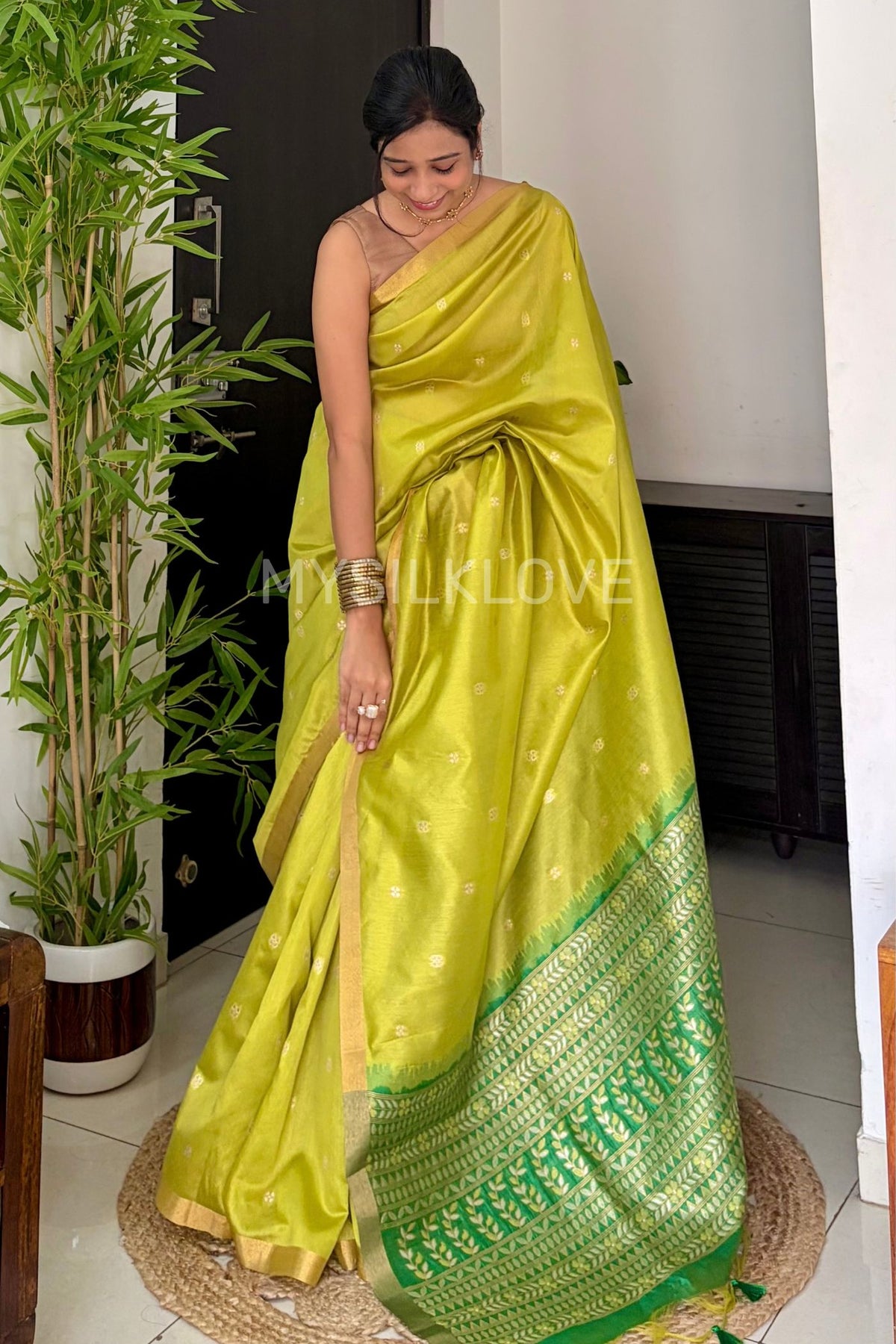
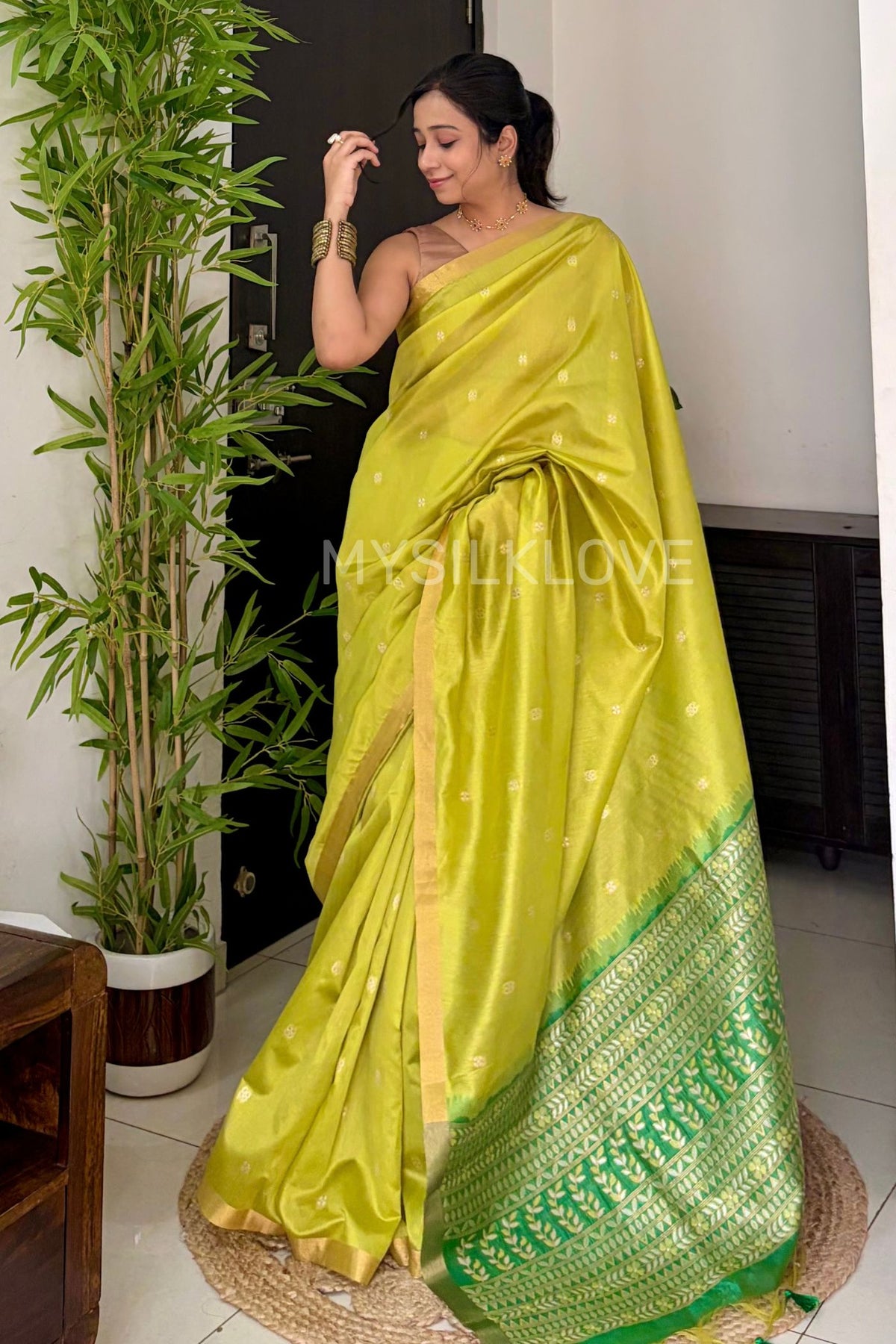
Spring Green Tussar Handloom Silk Saree
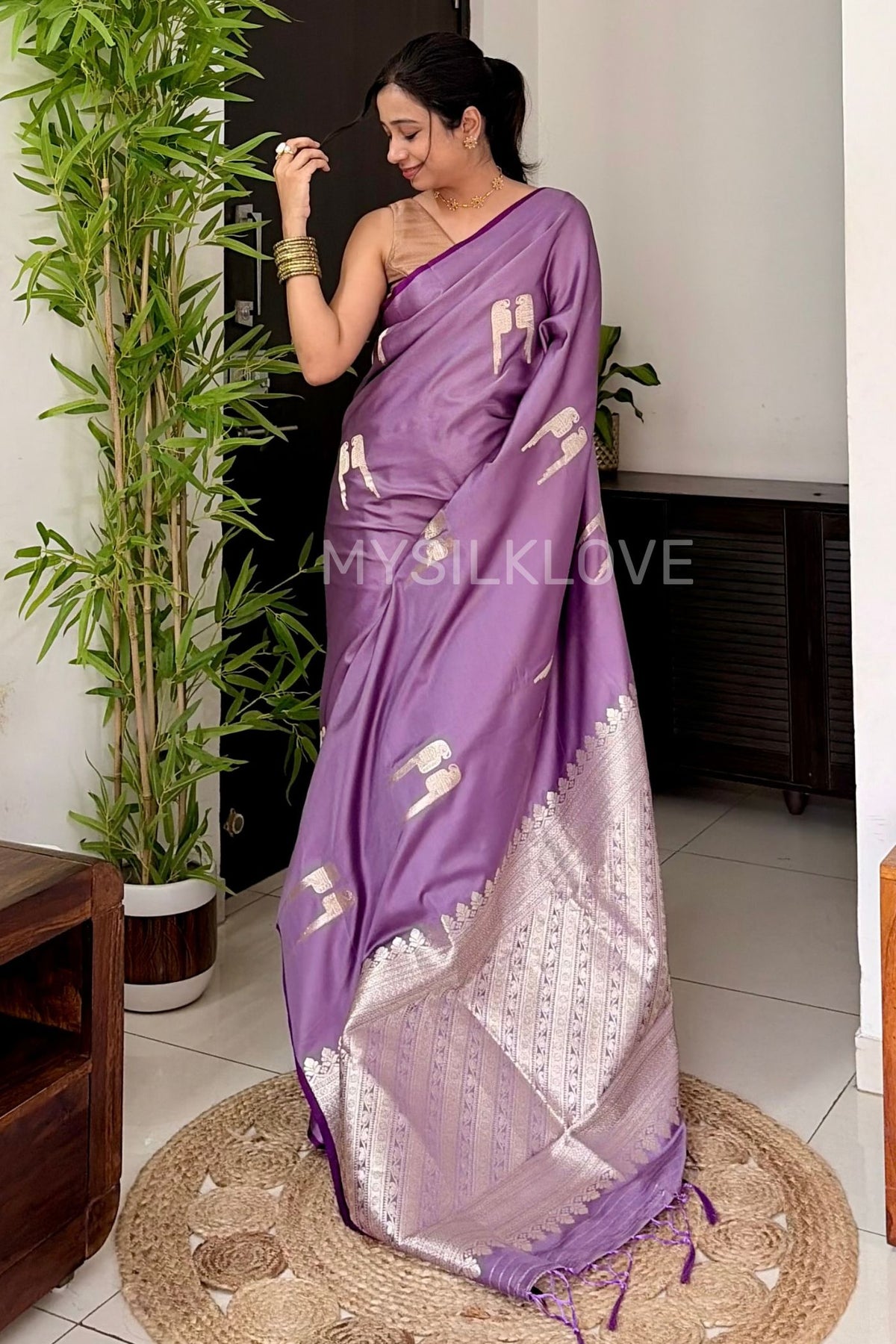
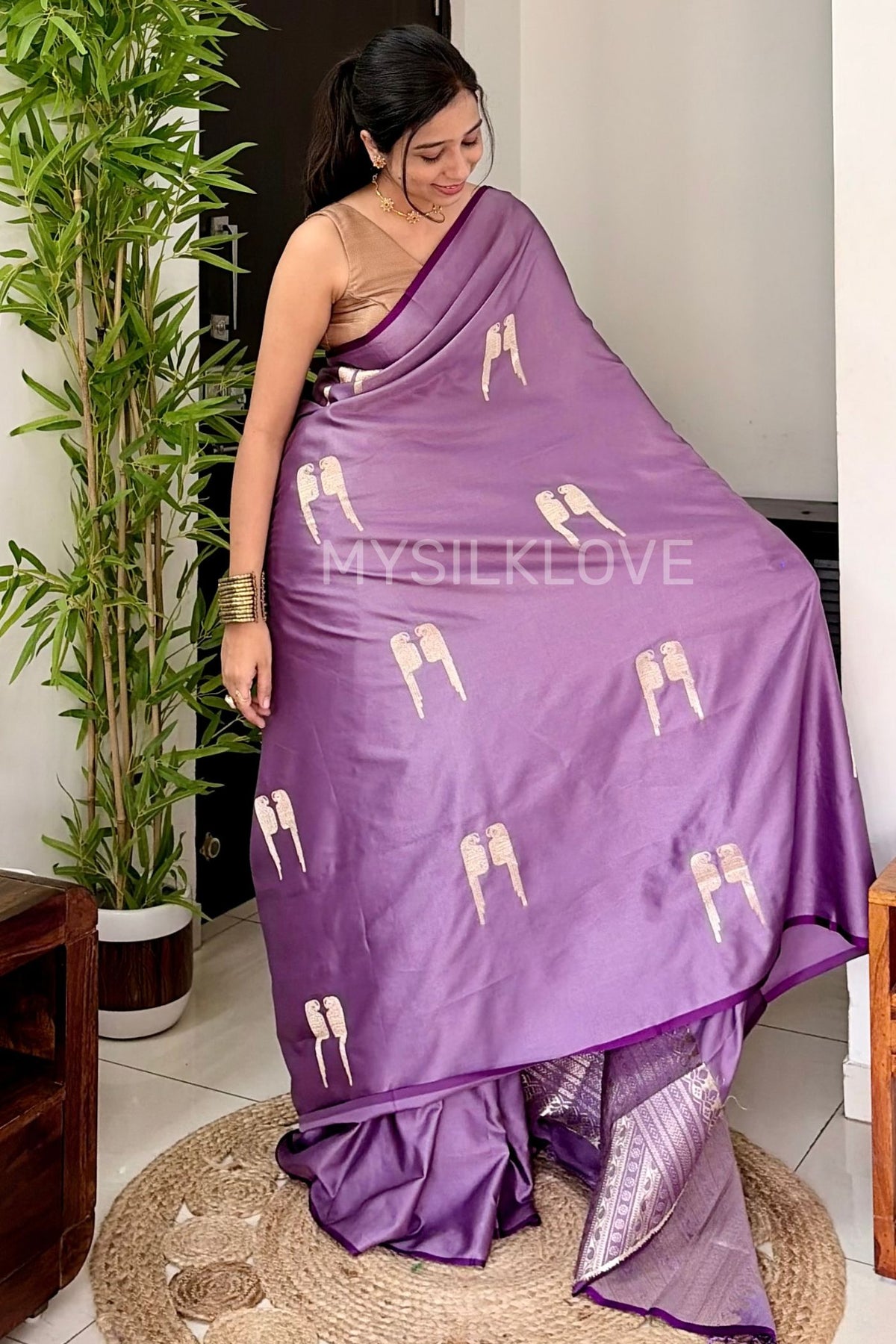
Dusky Purple Handloom Satin Soft Silk Saree
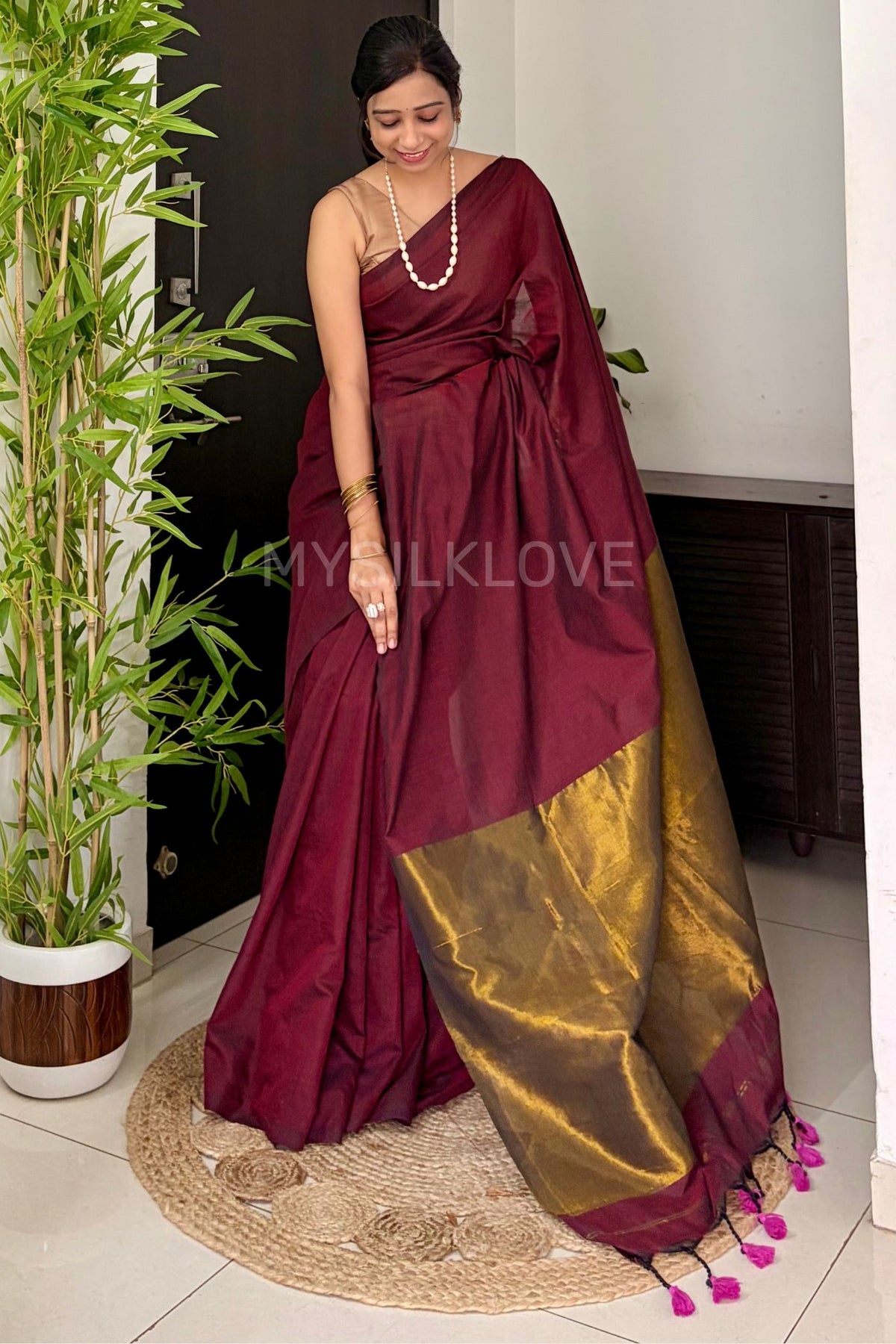
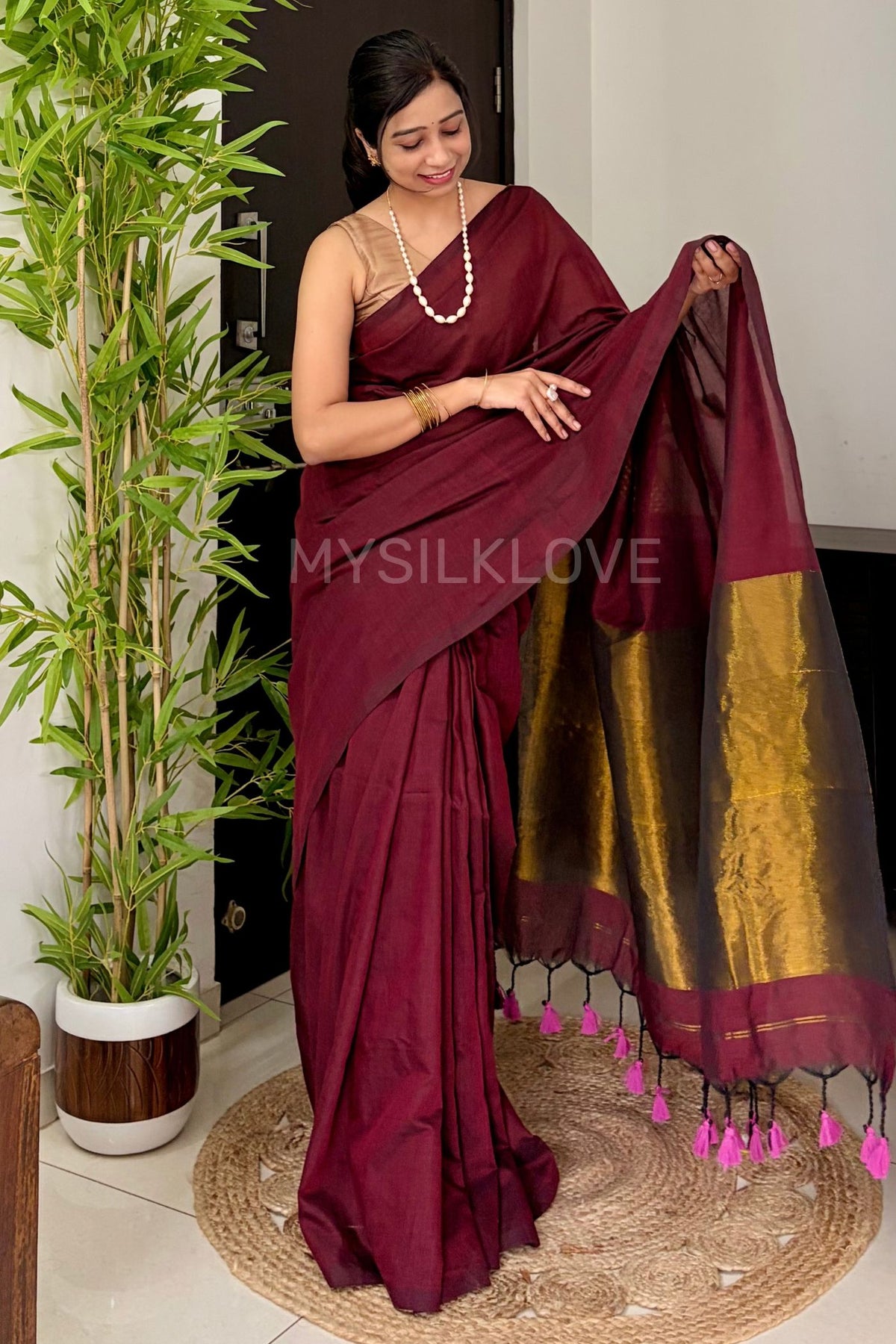
Berry Maroon Handloom Cotton Silk Saree
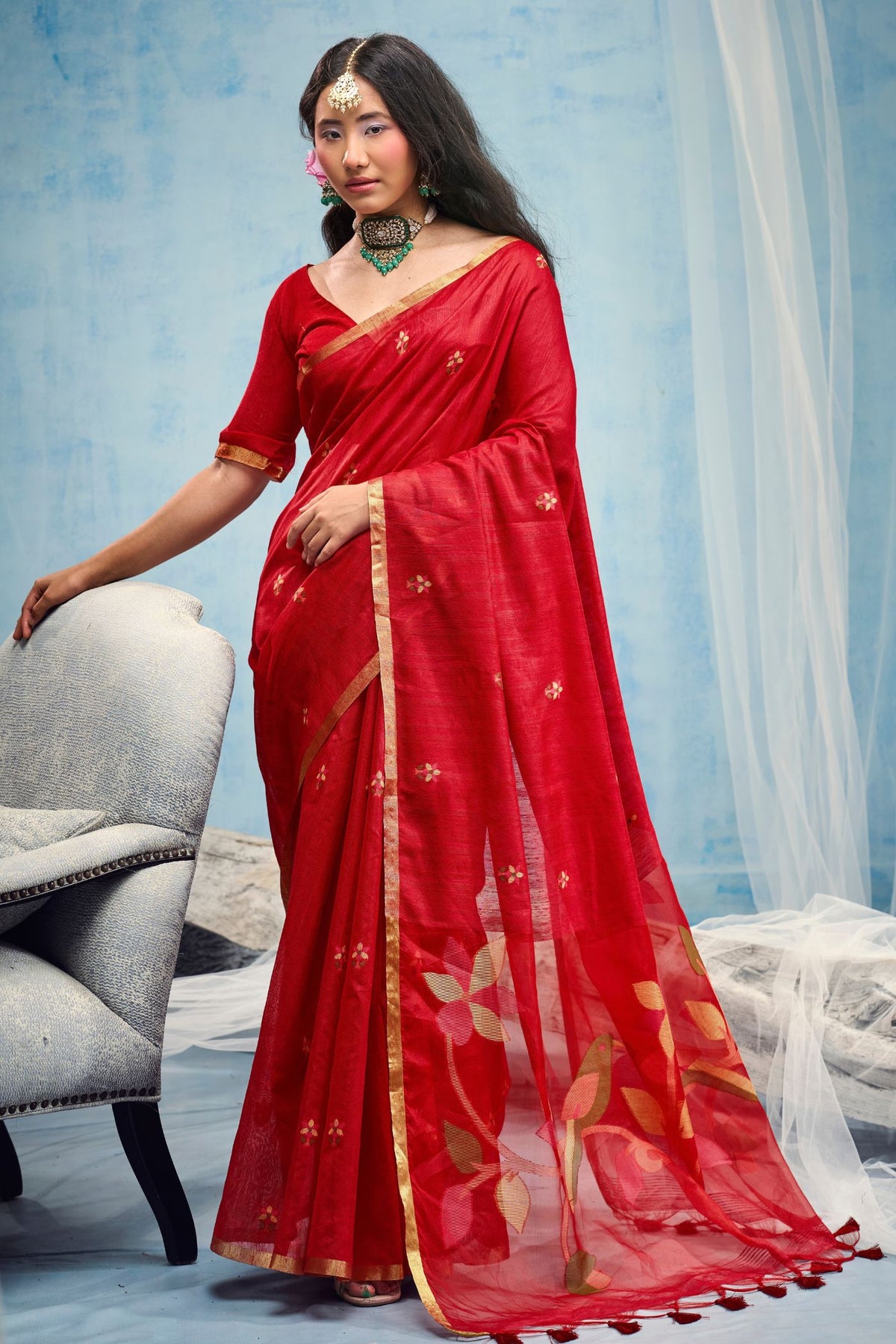
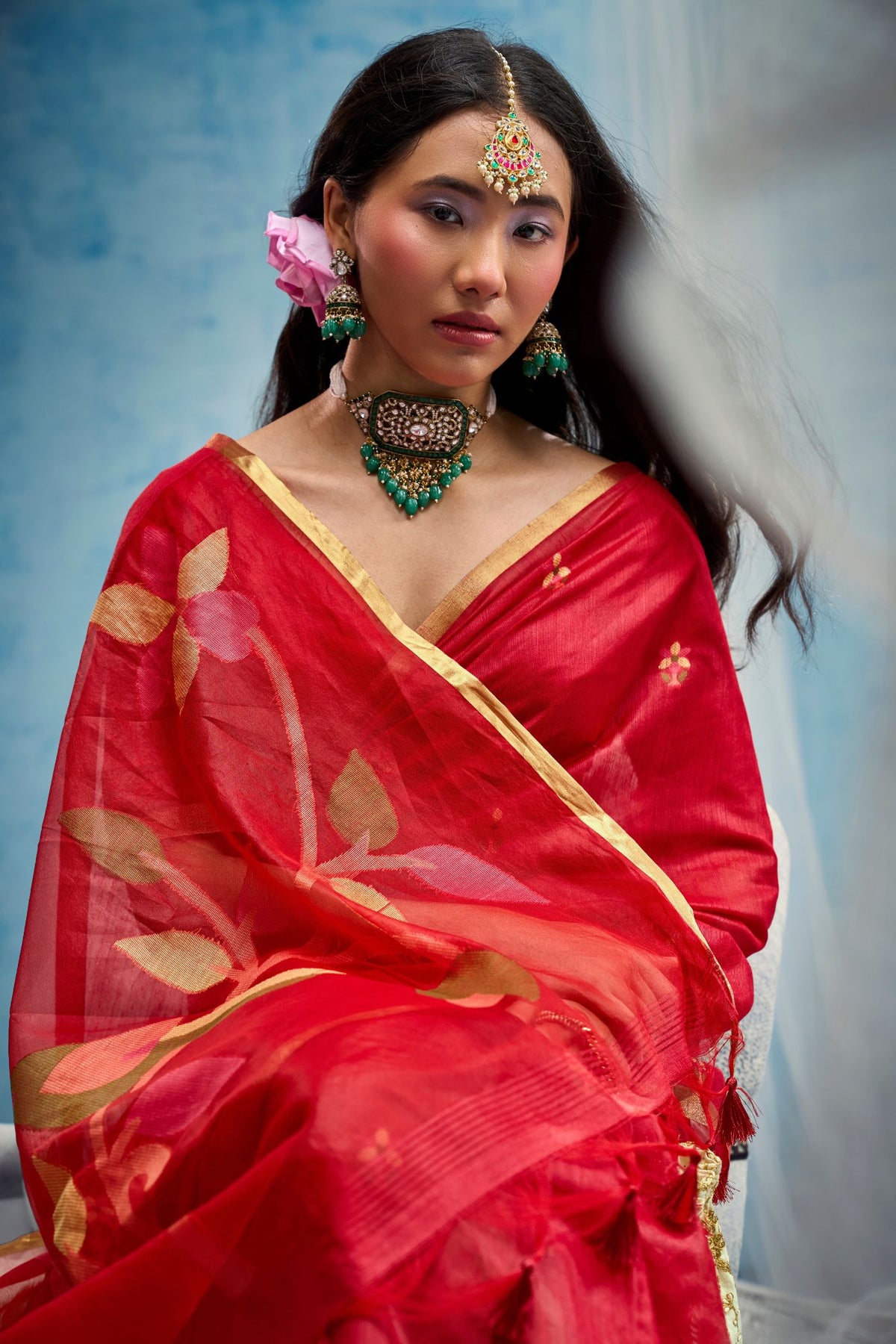
Garnet Red Munga Handloom Silk Cotton Saree
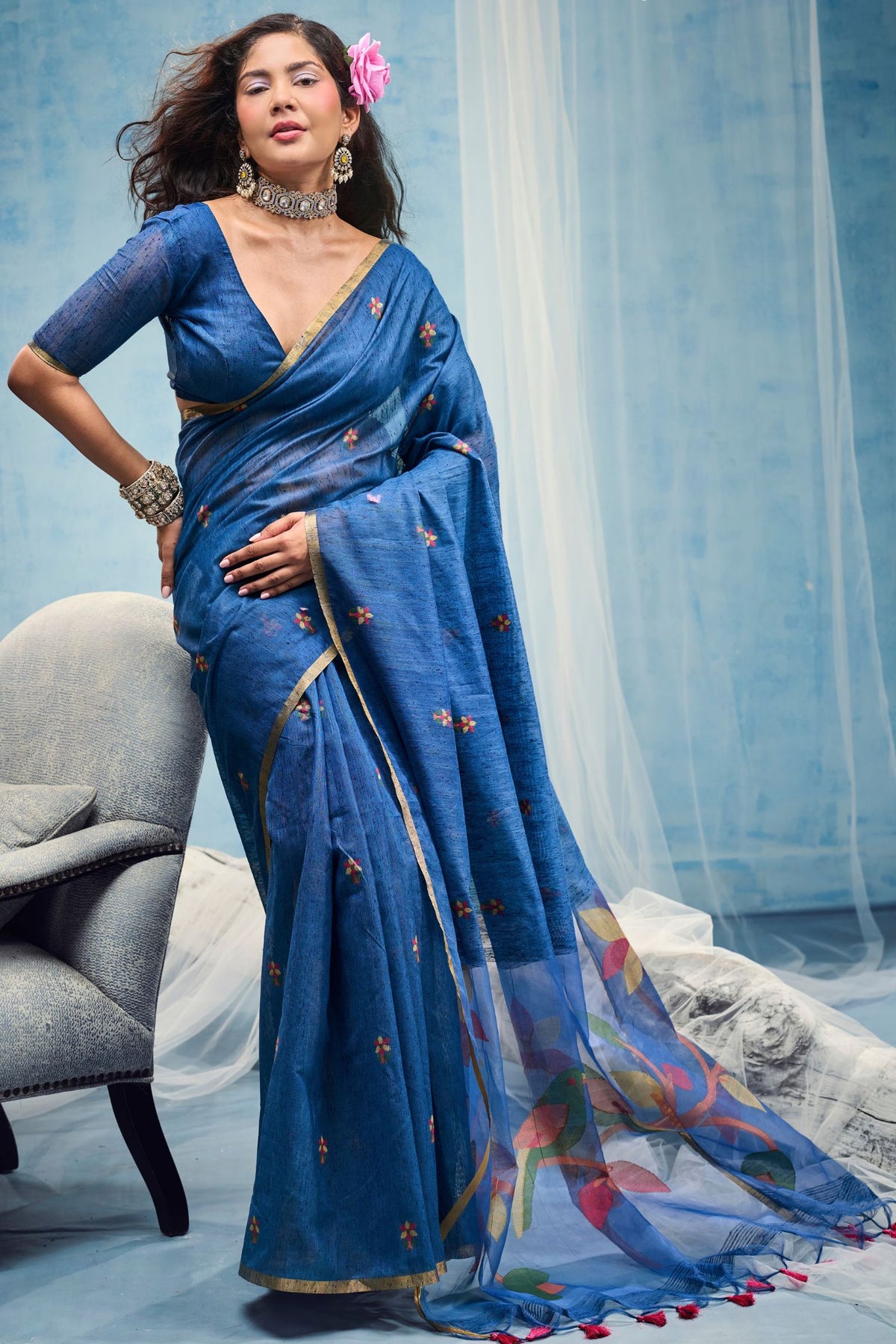
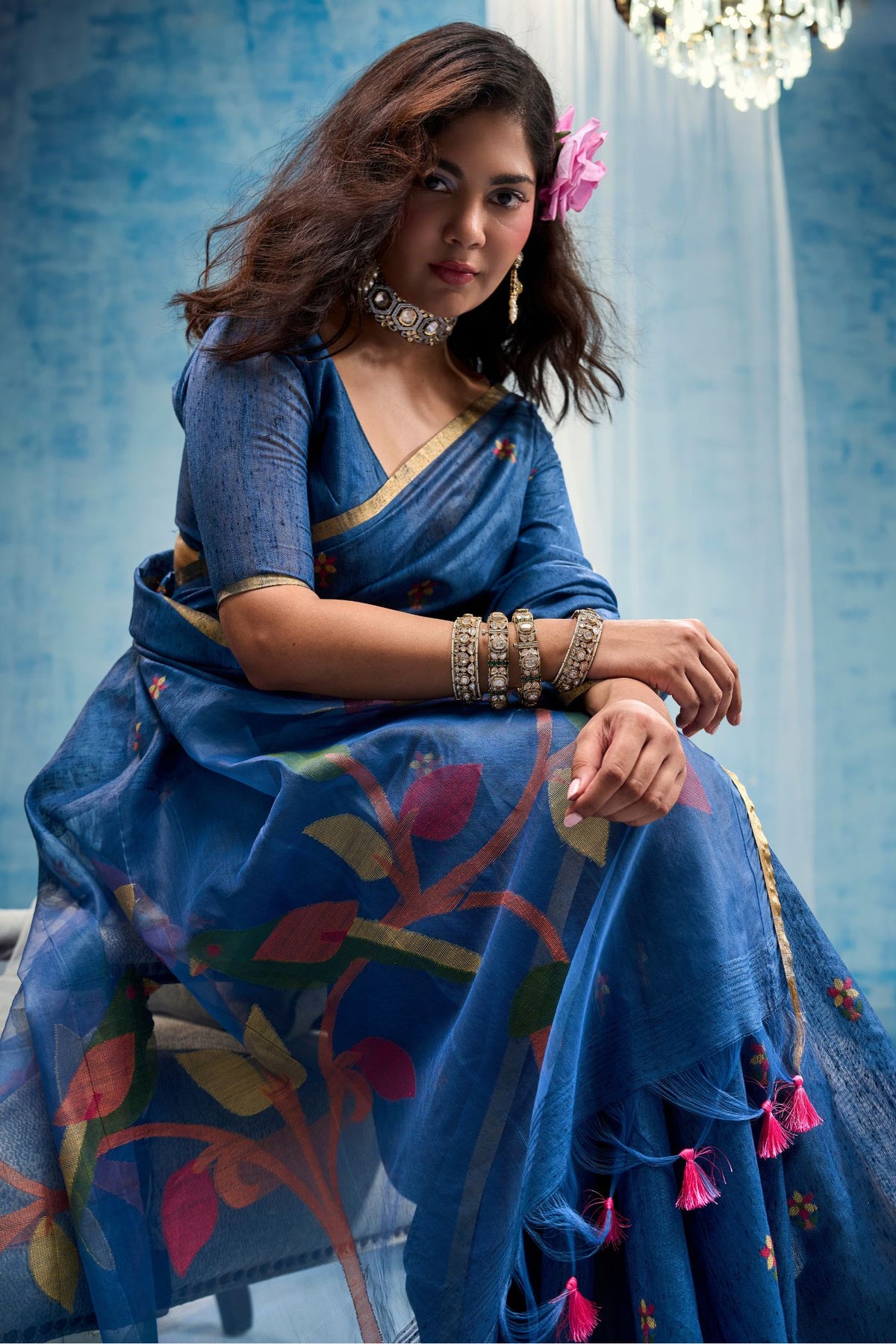
Cornflower Blue Munga Handloom Silk Cotton Saree
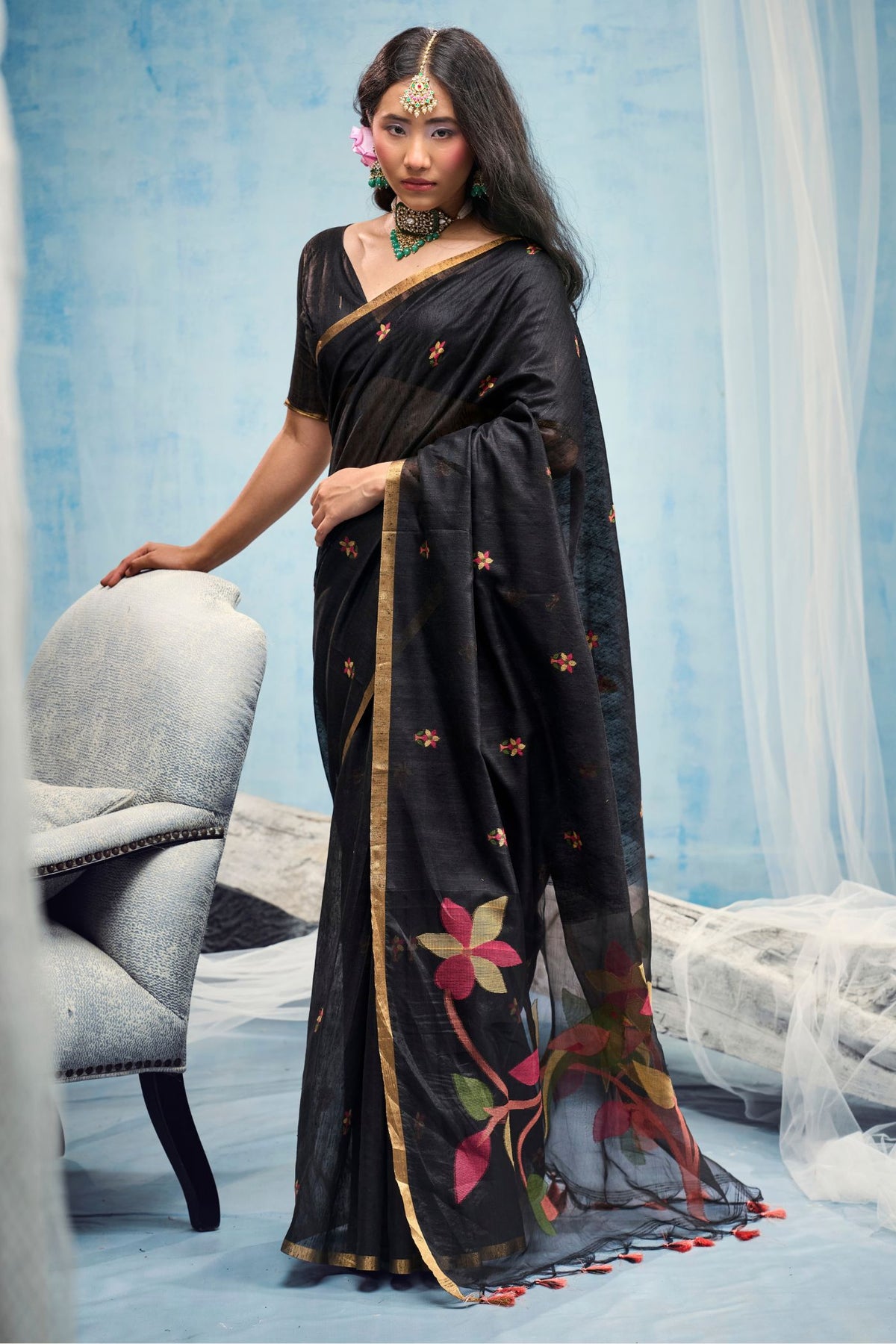
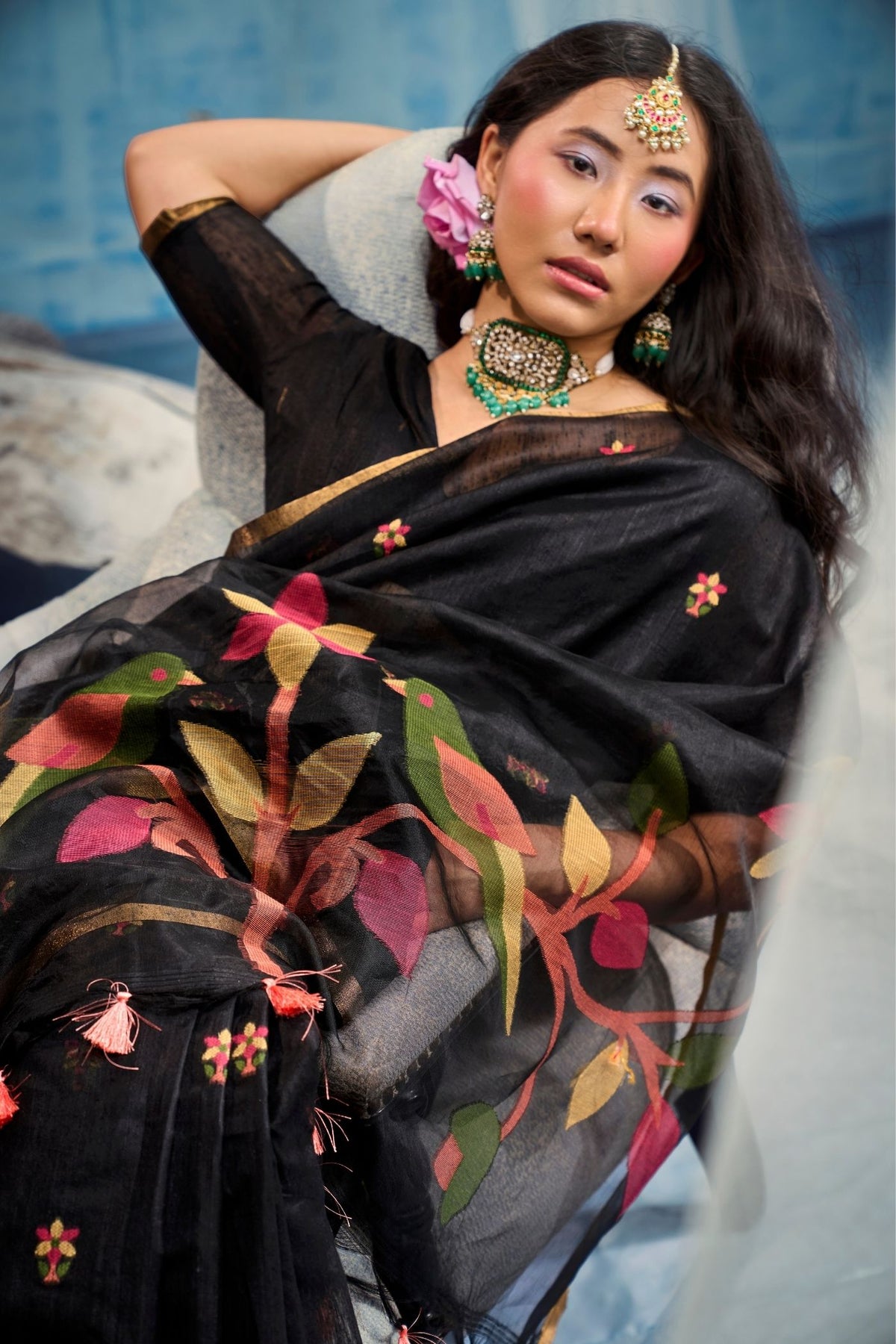
Slate Black Munga Handloom Silk Cotton Saree
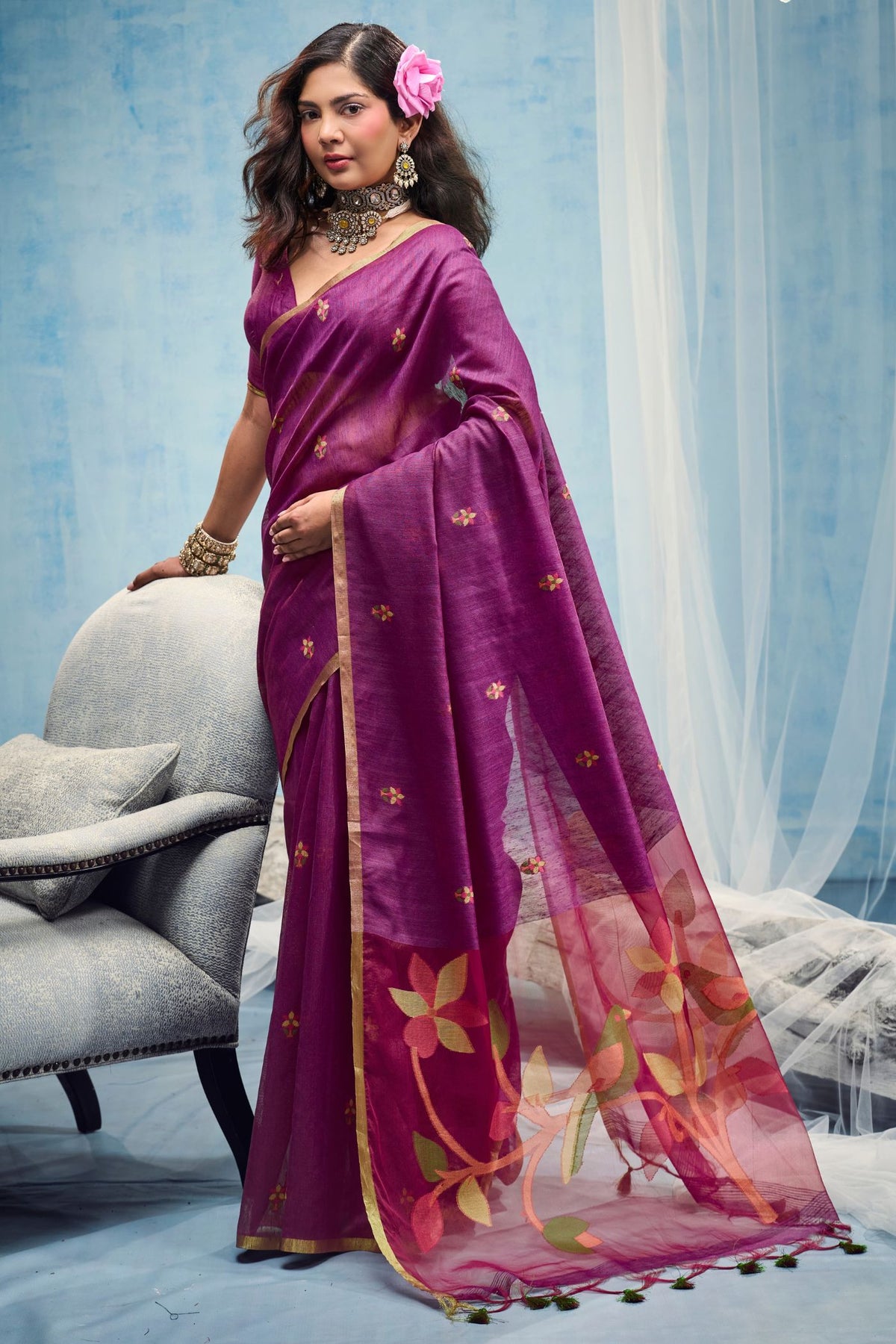
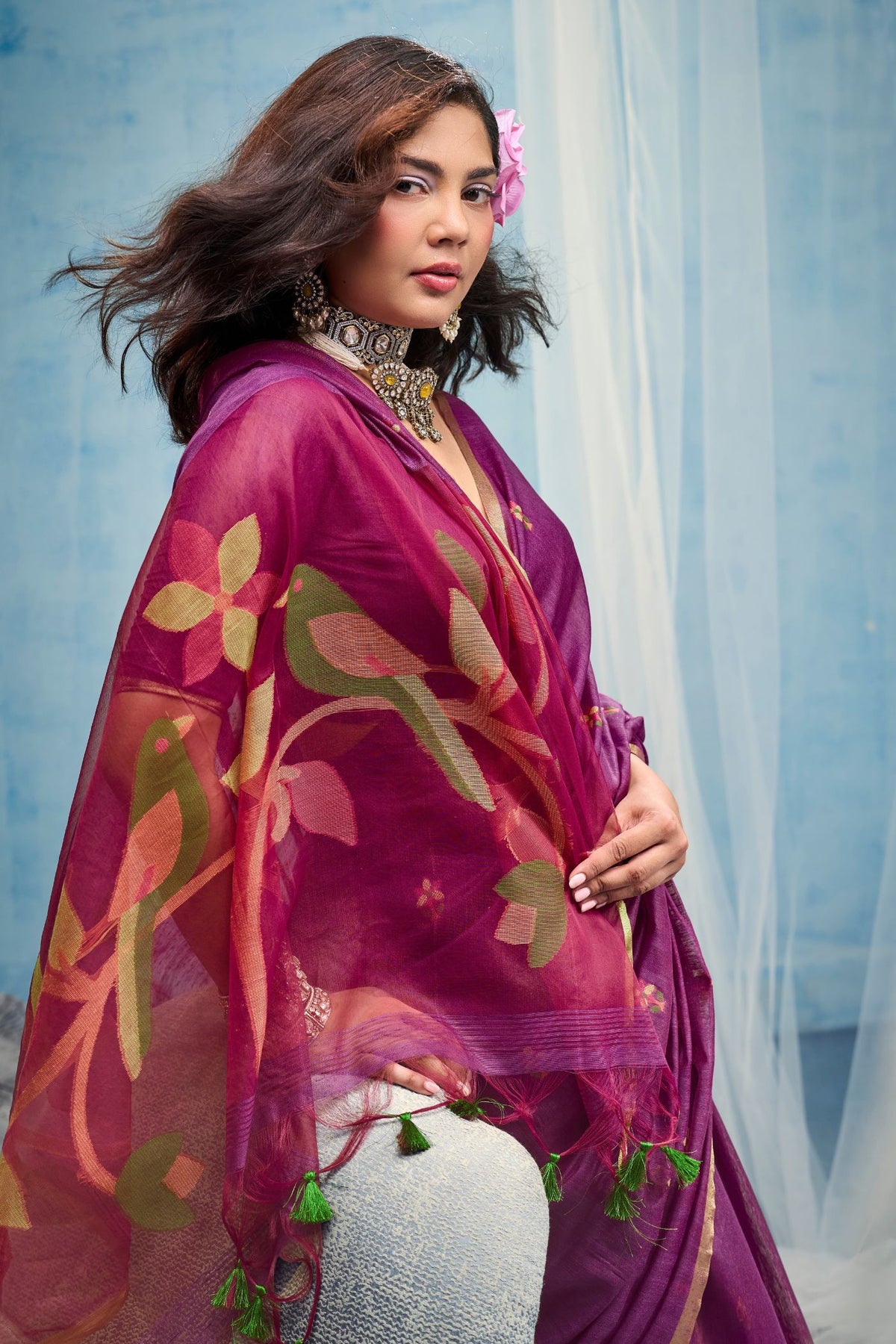
Vermilion Purple Munga Handloom Silk Cotton Saree
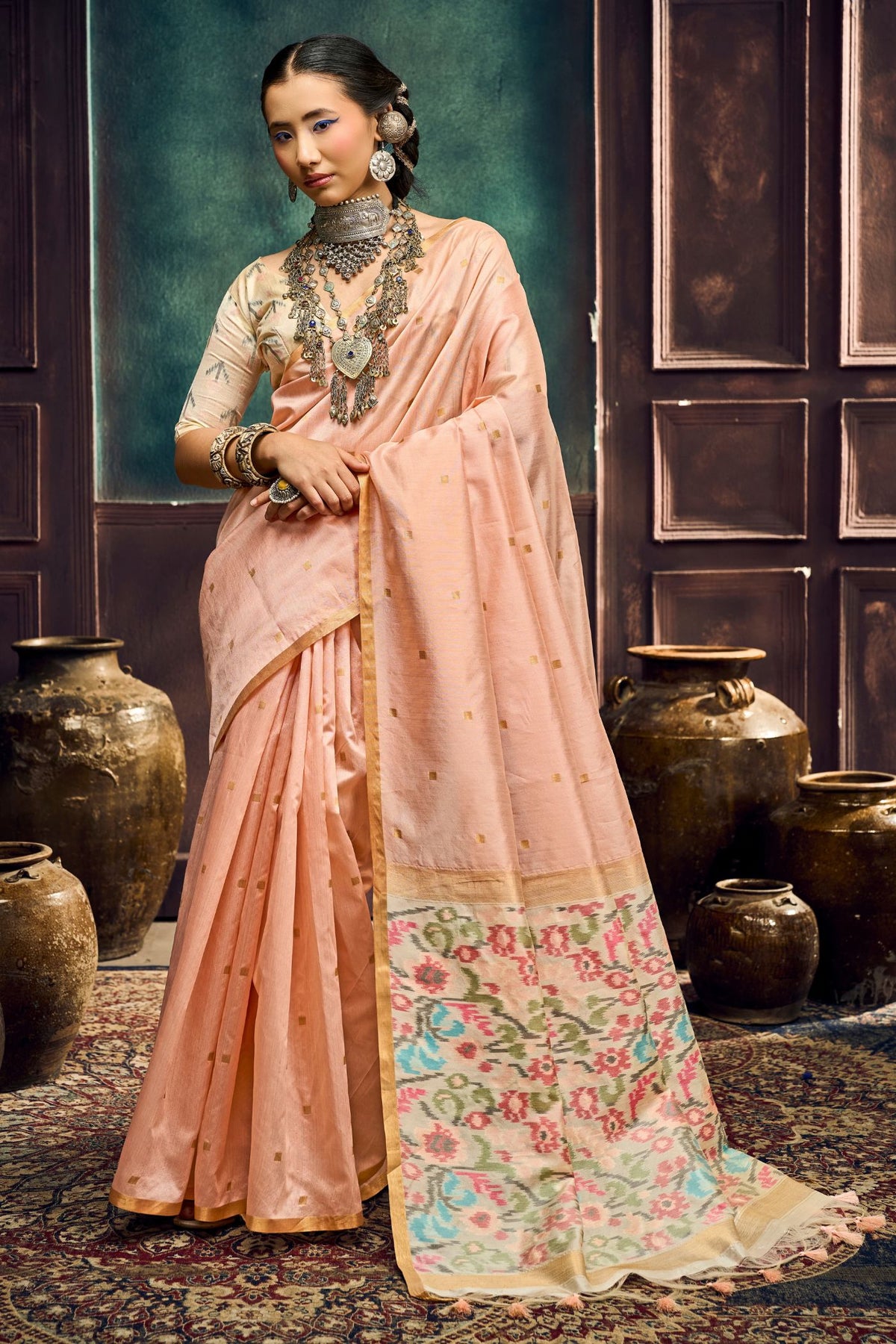
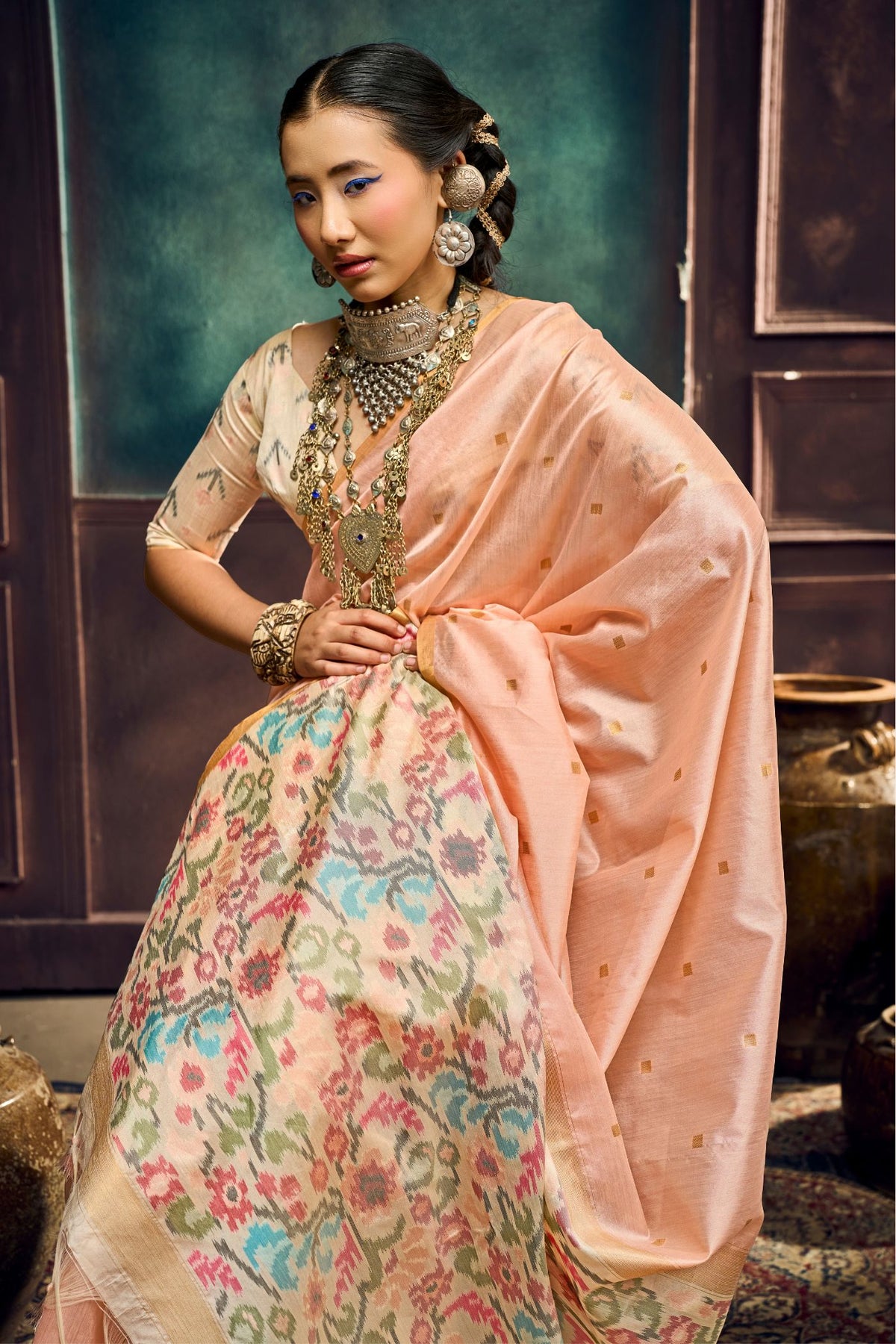
Plum Rose Peach Handloom Silk Saree
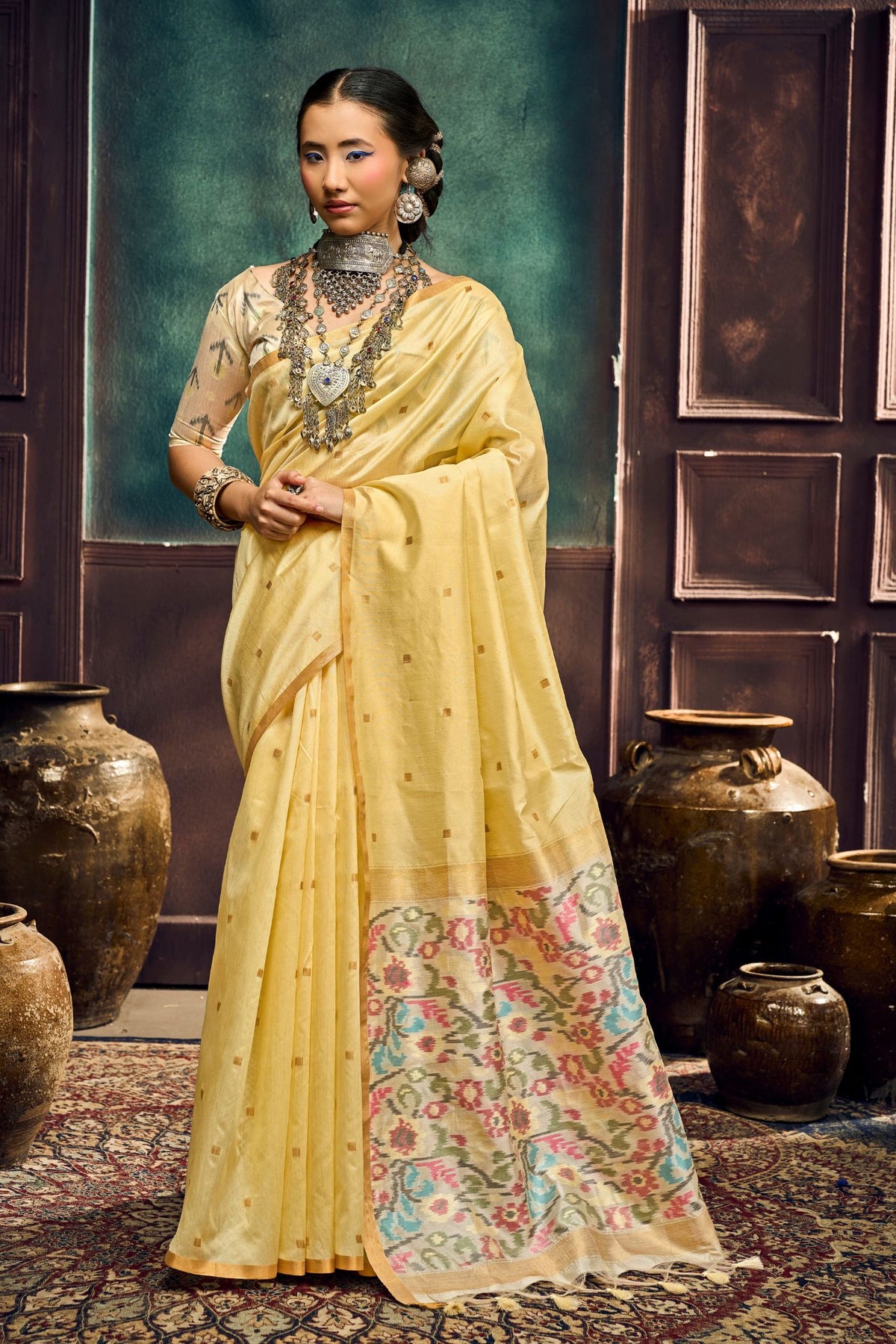
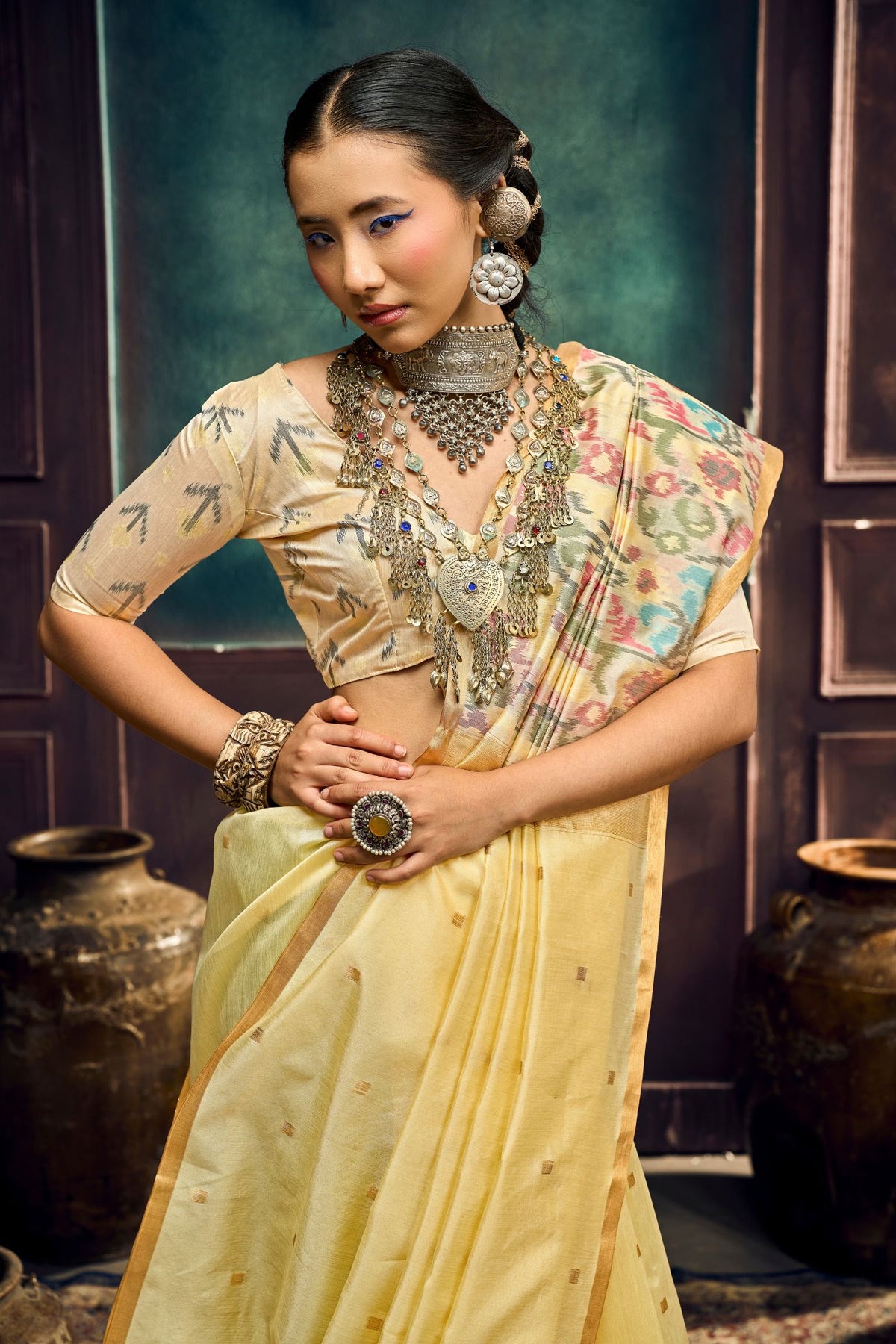
Mimosa Yellow Handloom Silk Saree
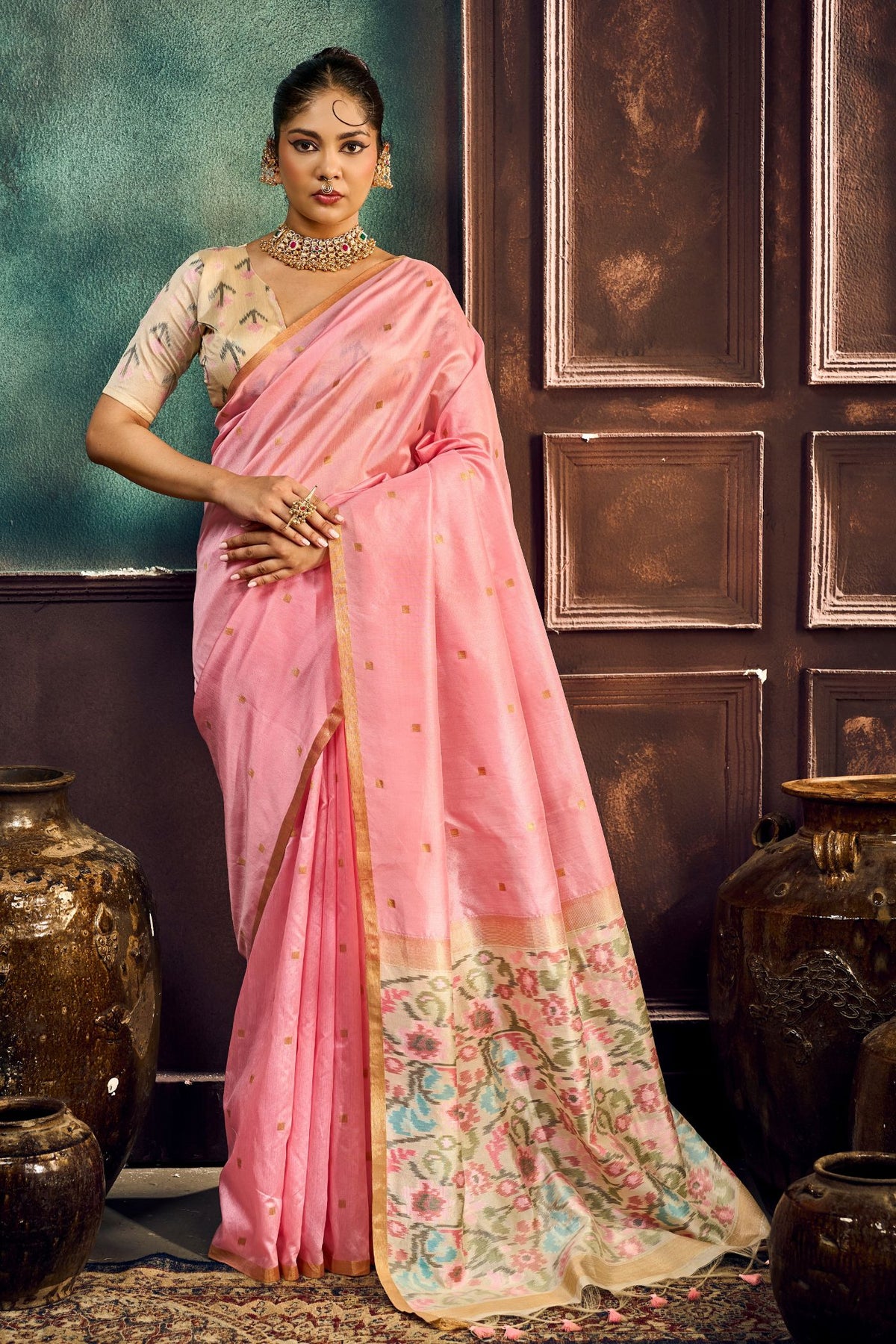
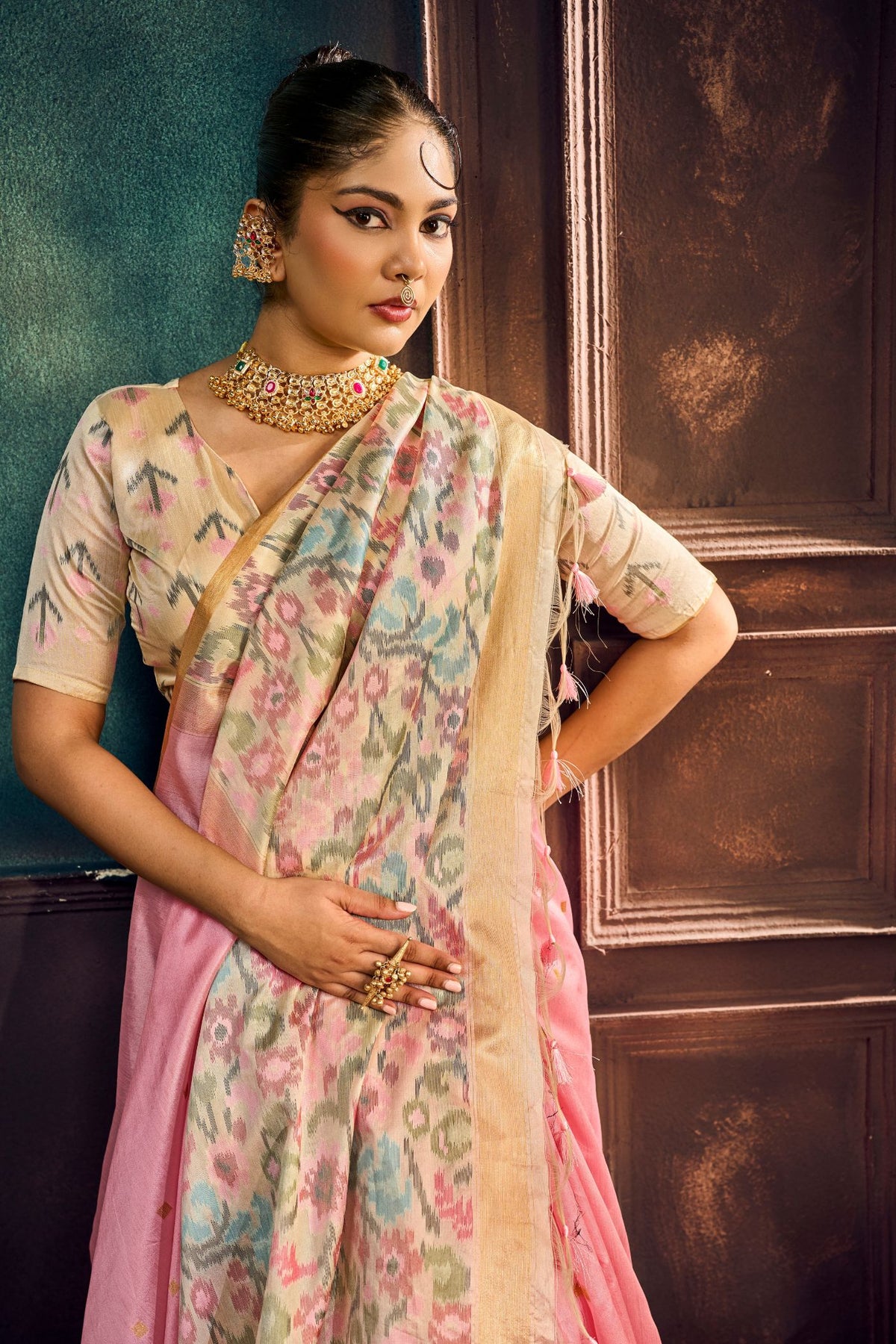
Berry Pink Handloom Silk Saree

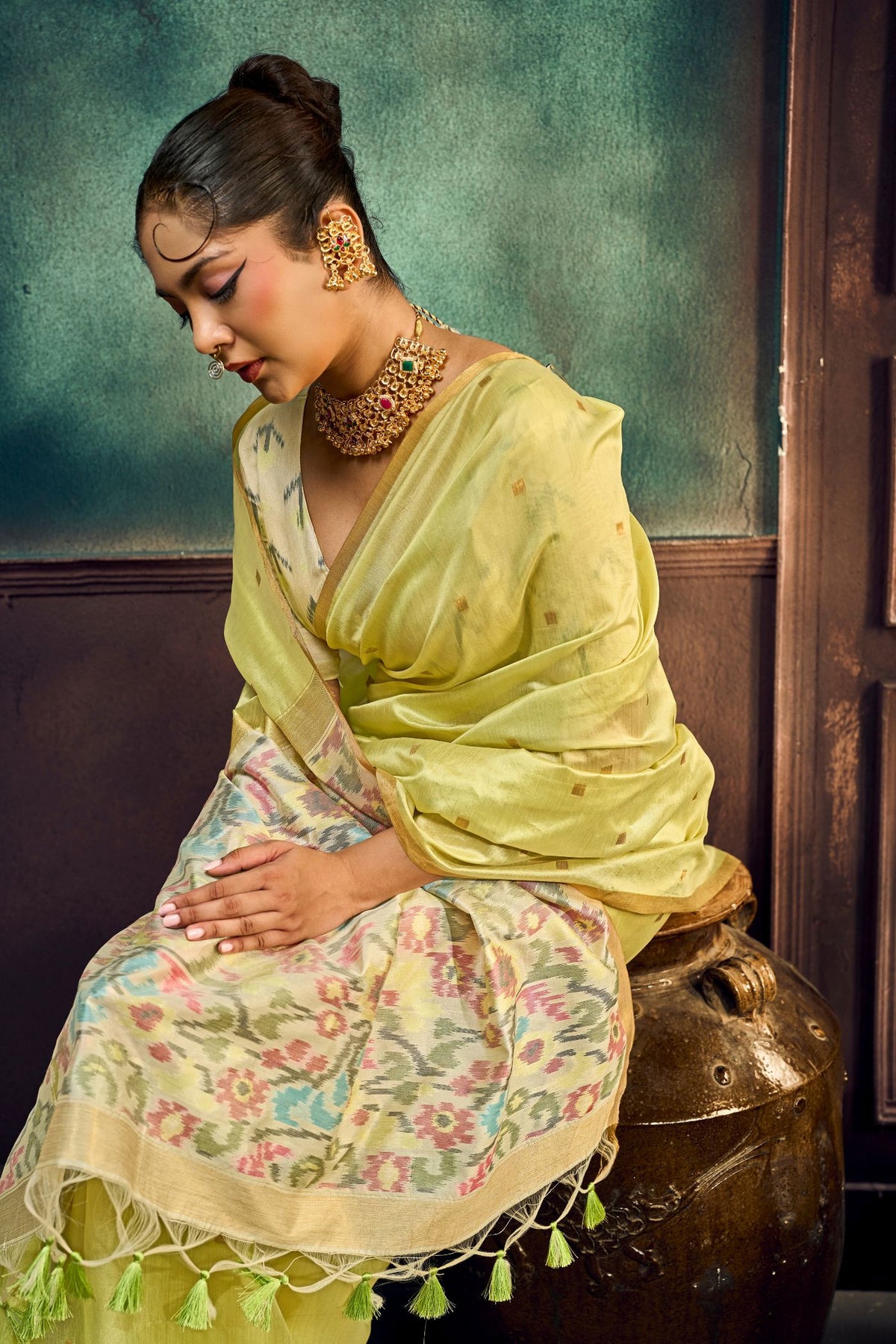
Basil Green Handloom Silk Saree
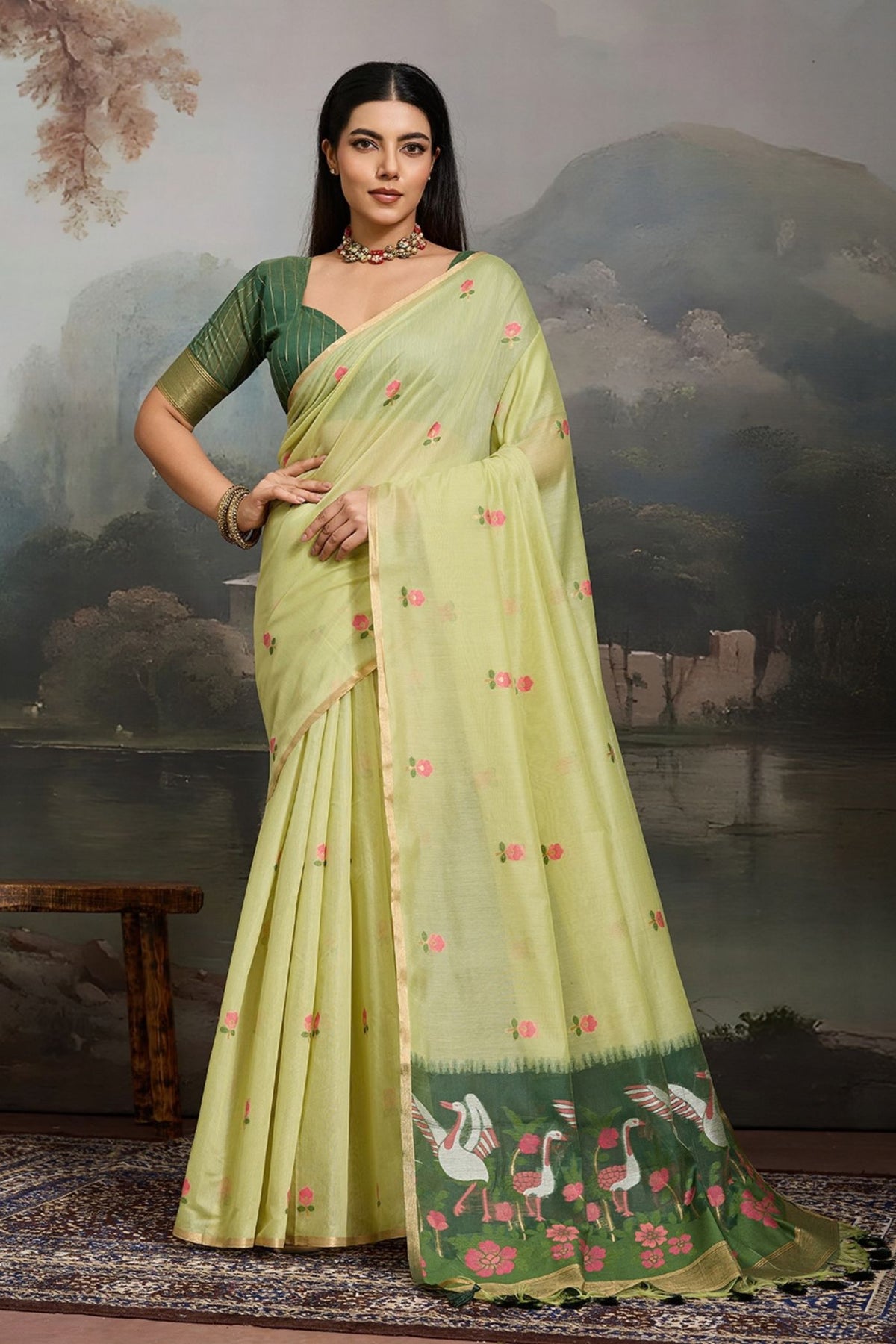
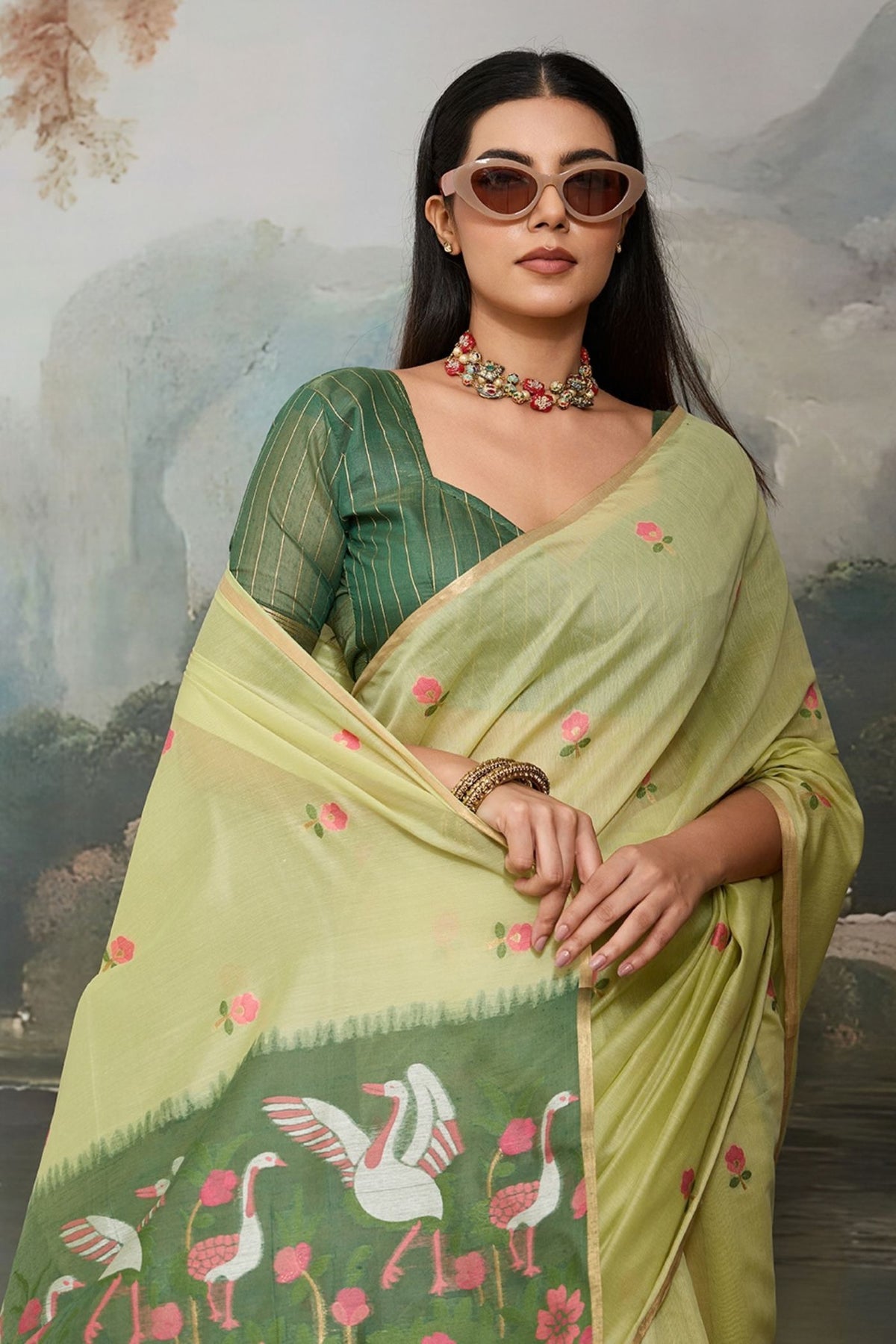
Willow Green Cotton Handloom Swan Saree
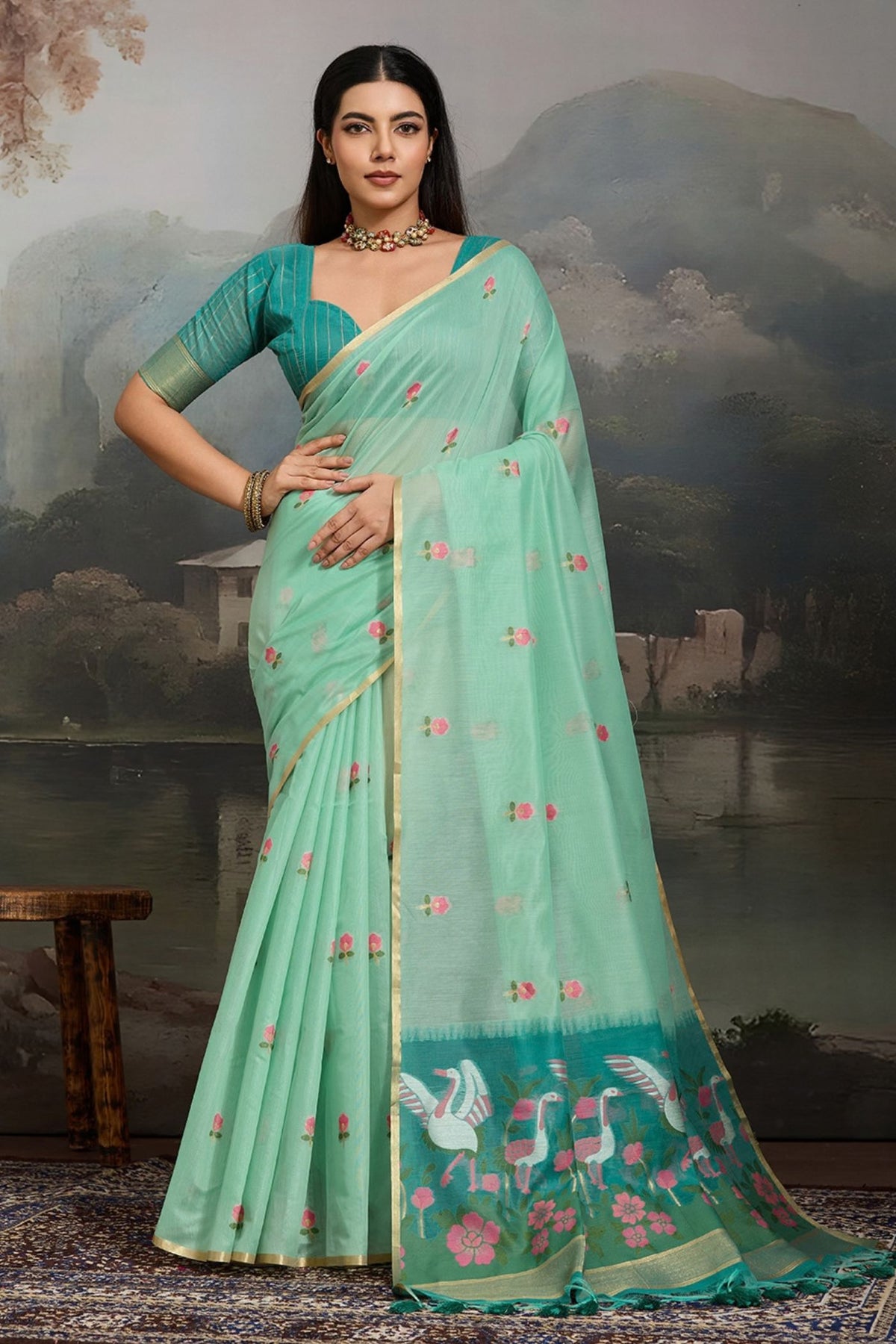
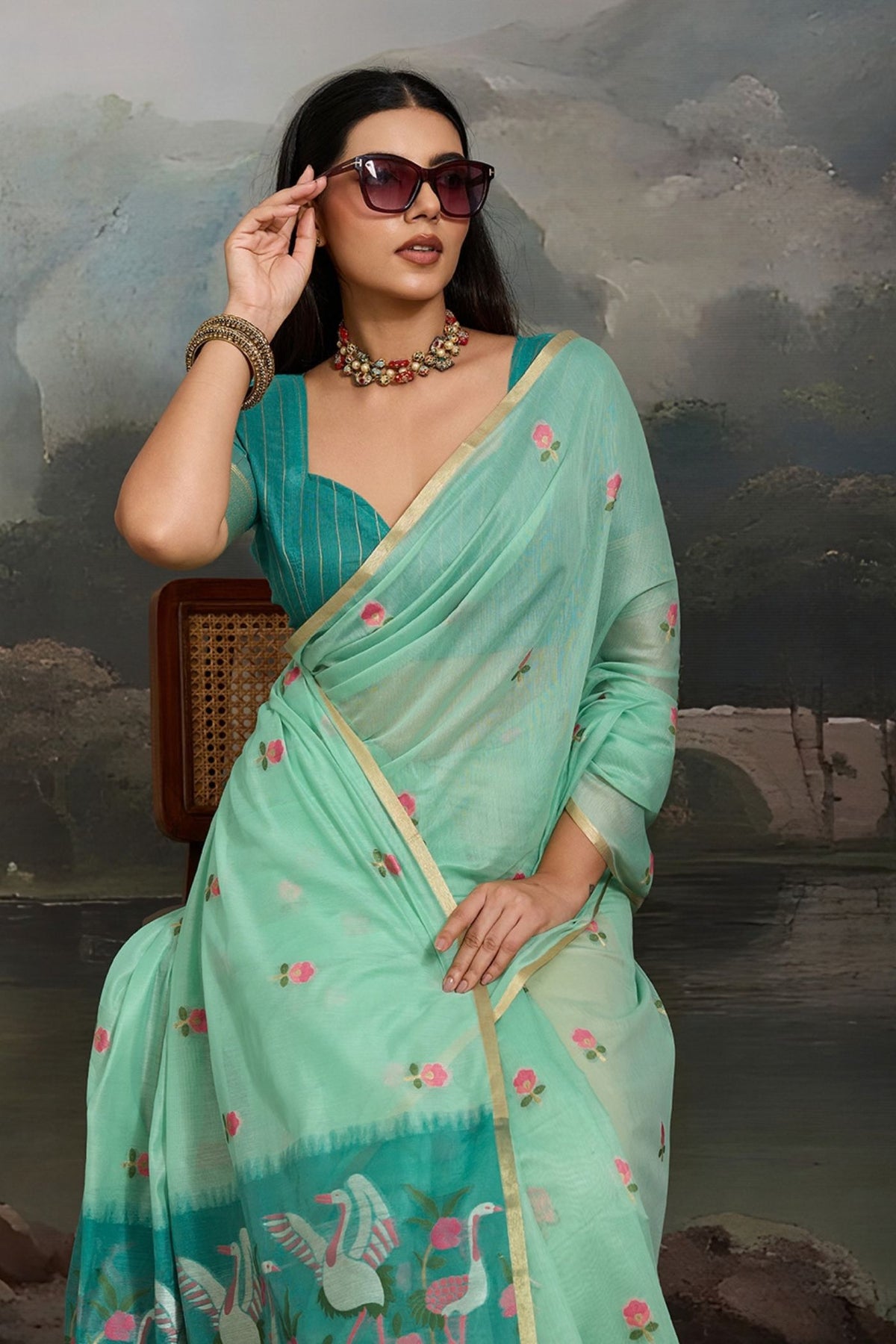
Gardenia Green Cotton Handloom Swan Saree

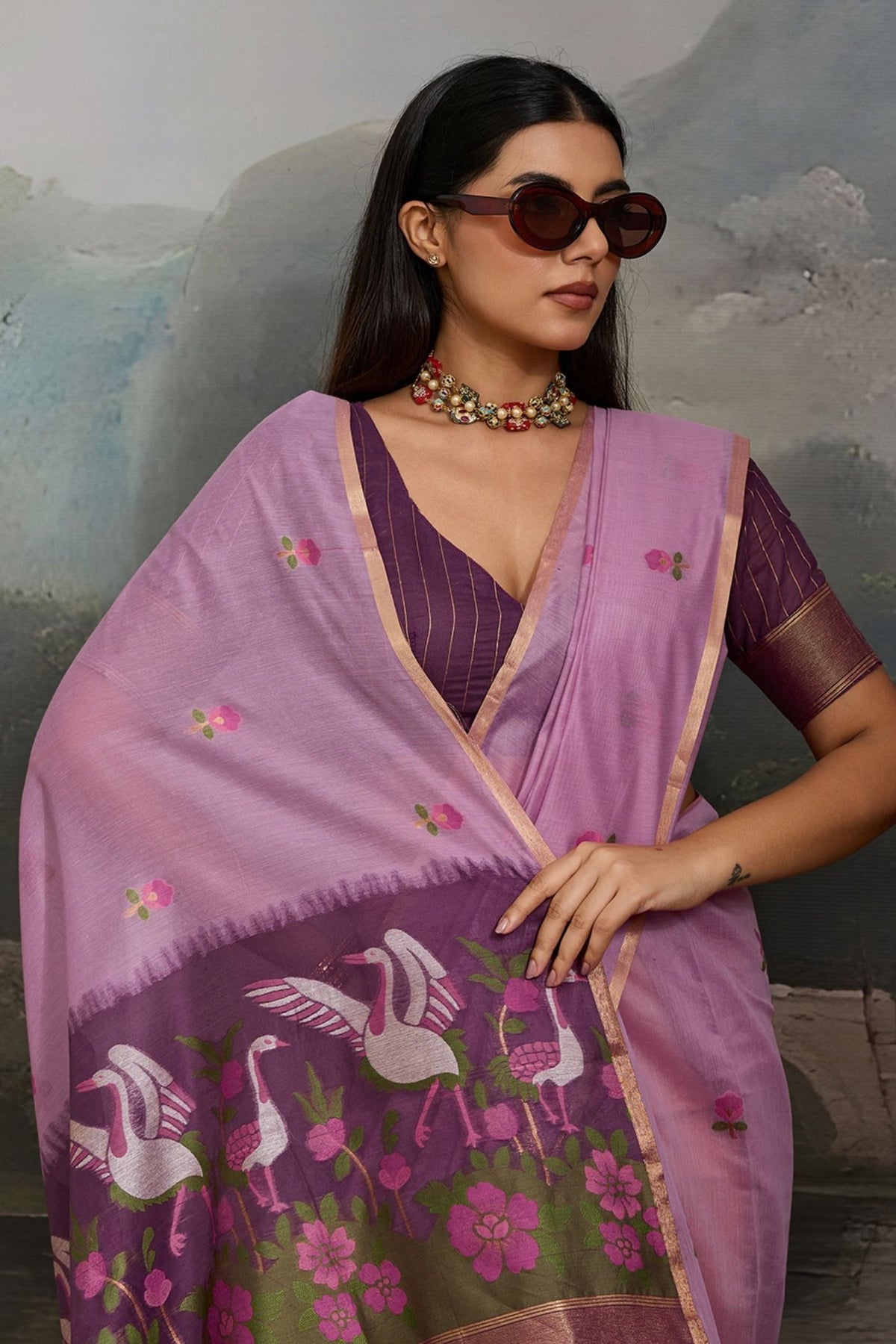
Iris Purple Cotton Handloom Swan Saree
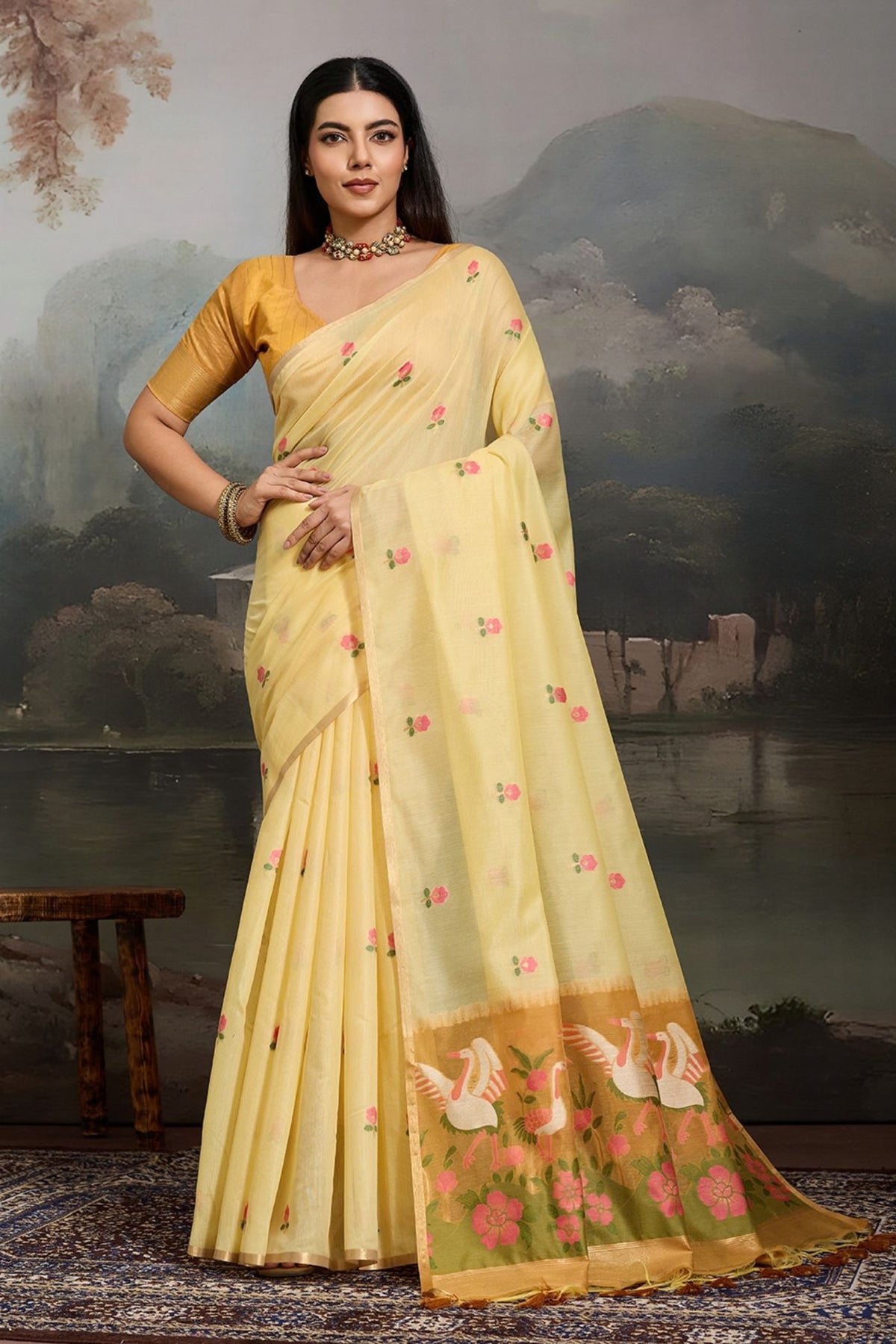
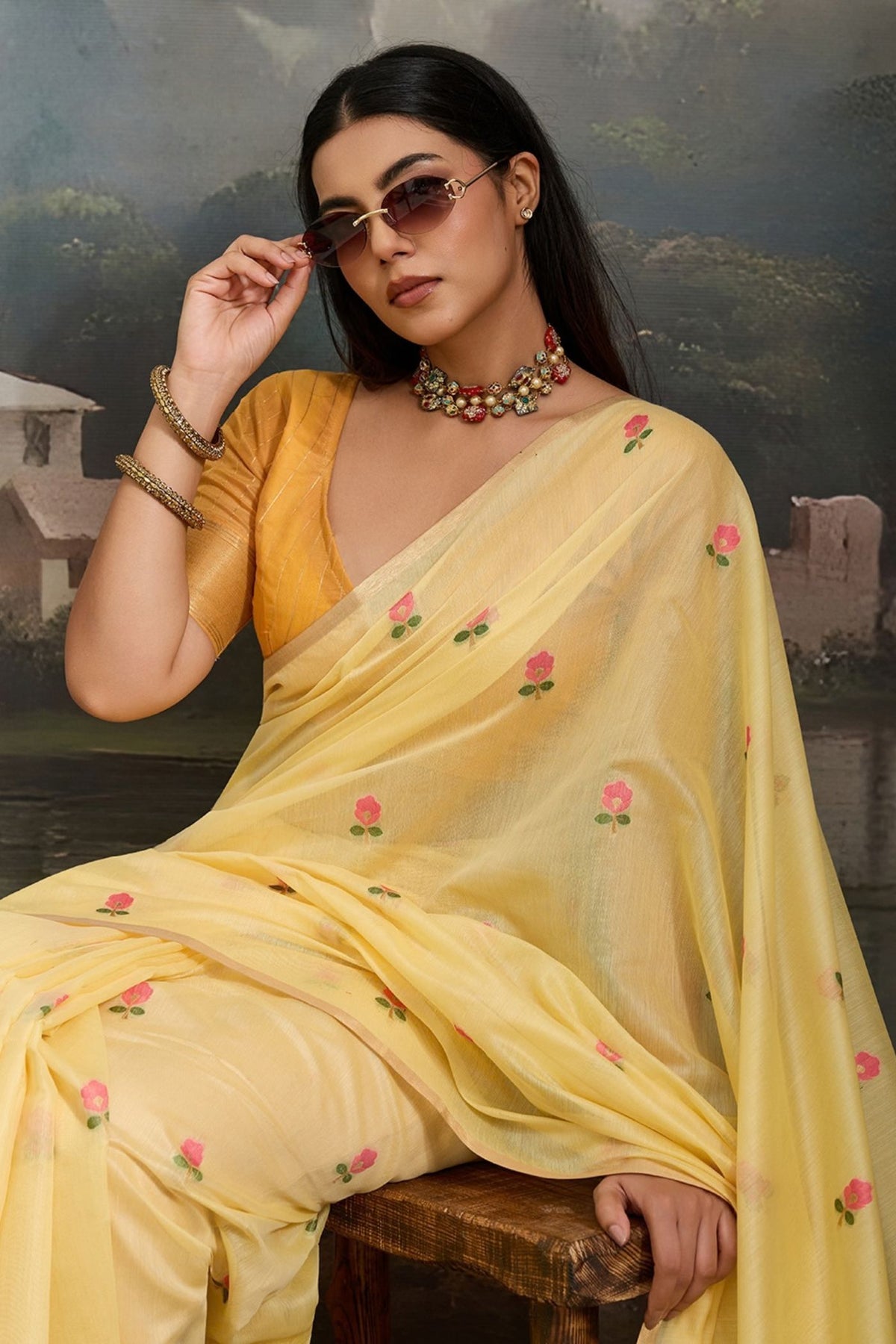
Primrose Yellow Cotton Handloom Swan Saree
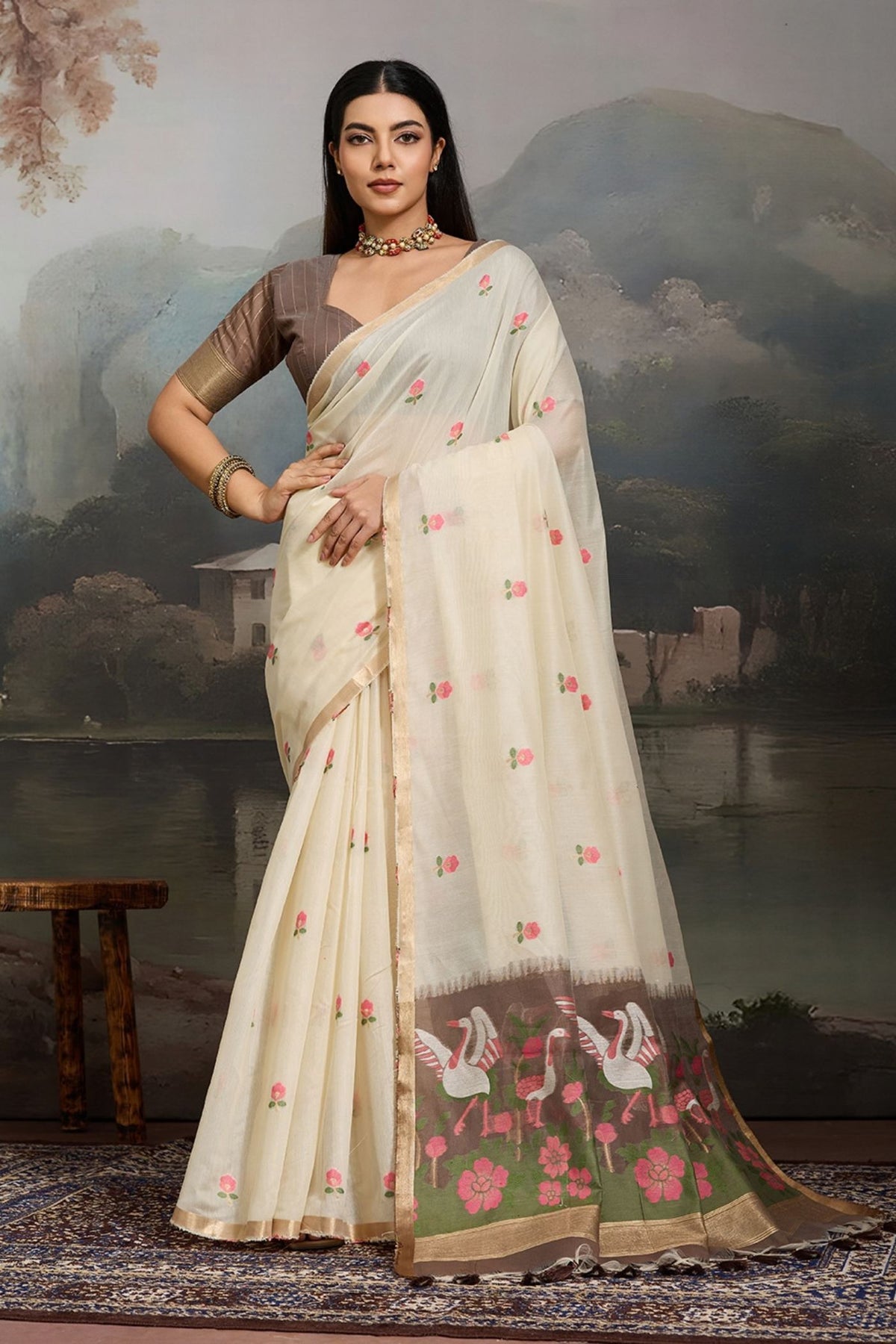
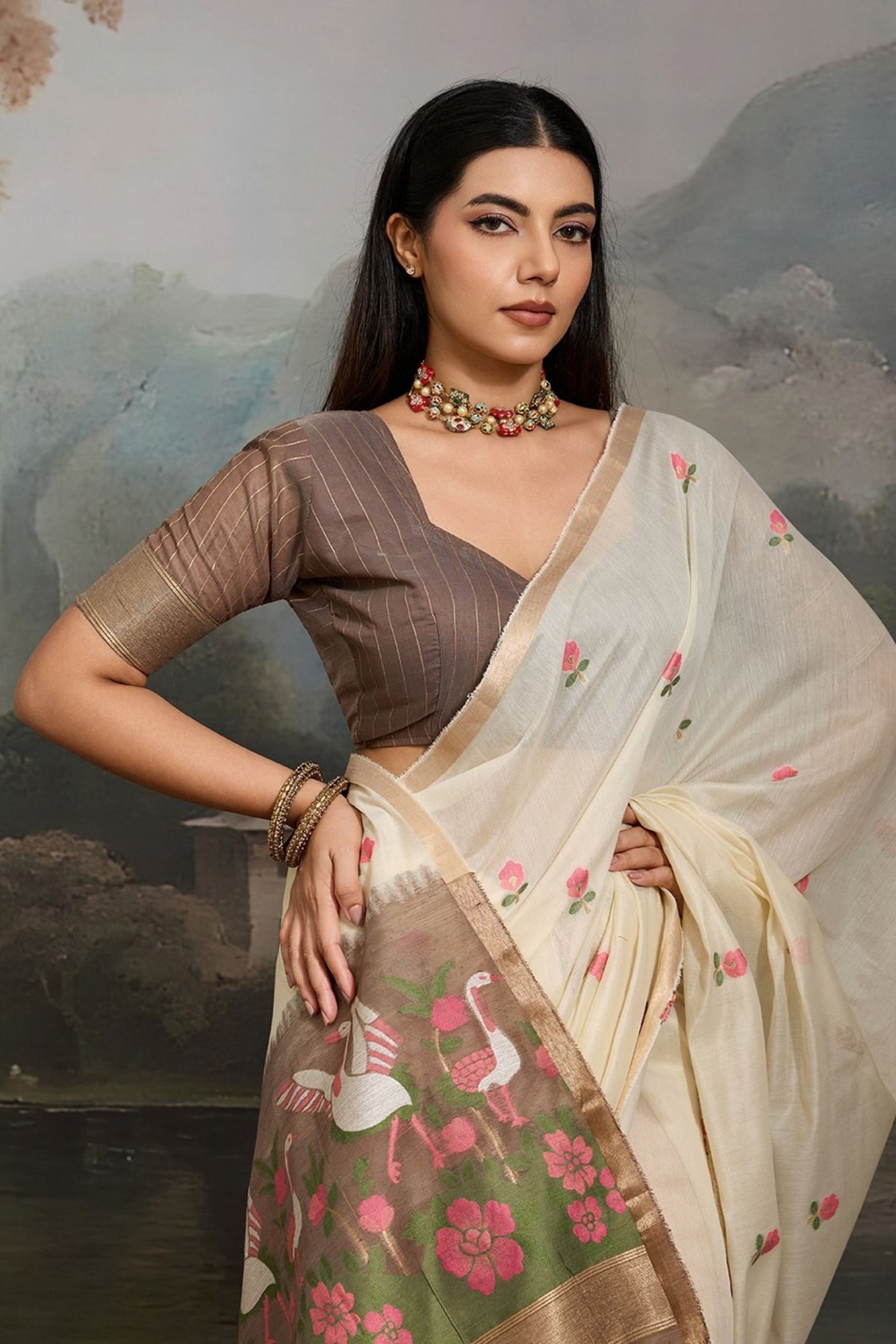
Snowdrop White Cotton Handloom Swan Saree
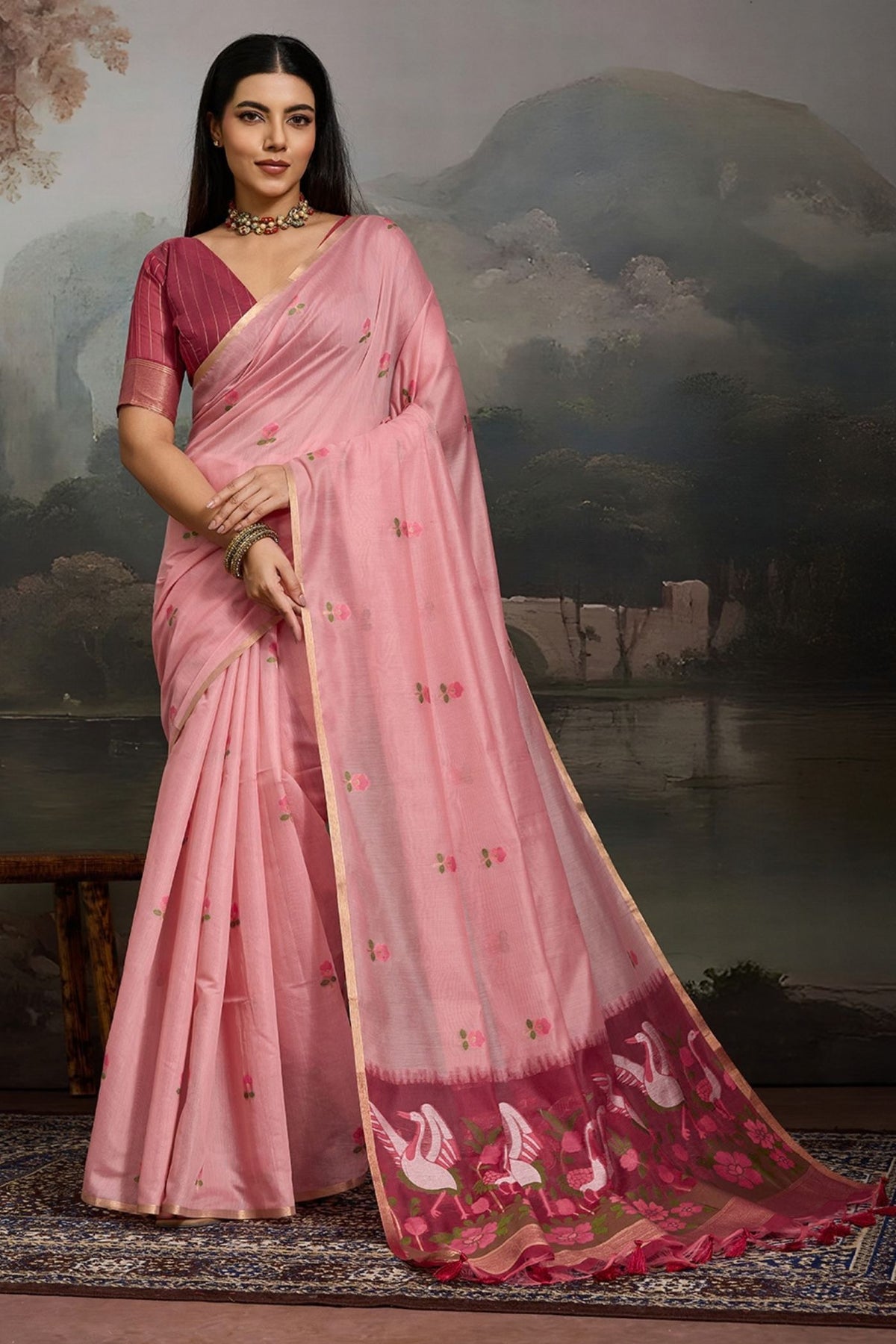
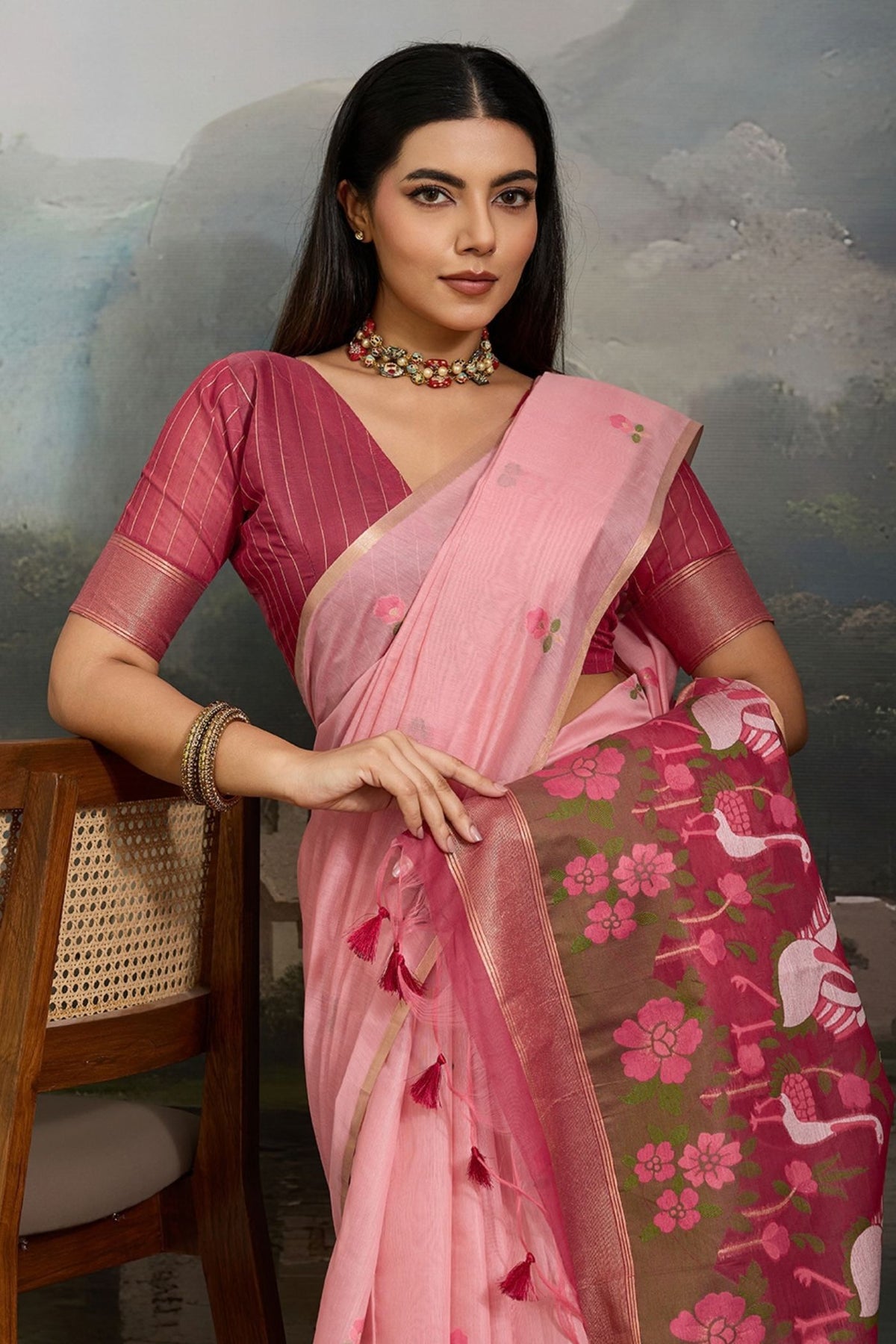
Tulip Blush Pink Cotton Handloom Swan Saree
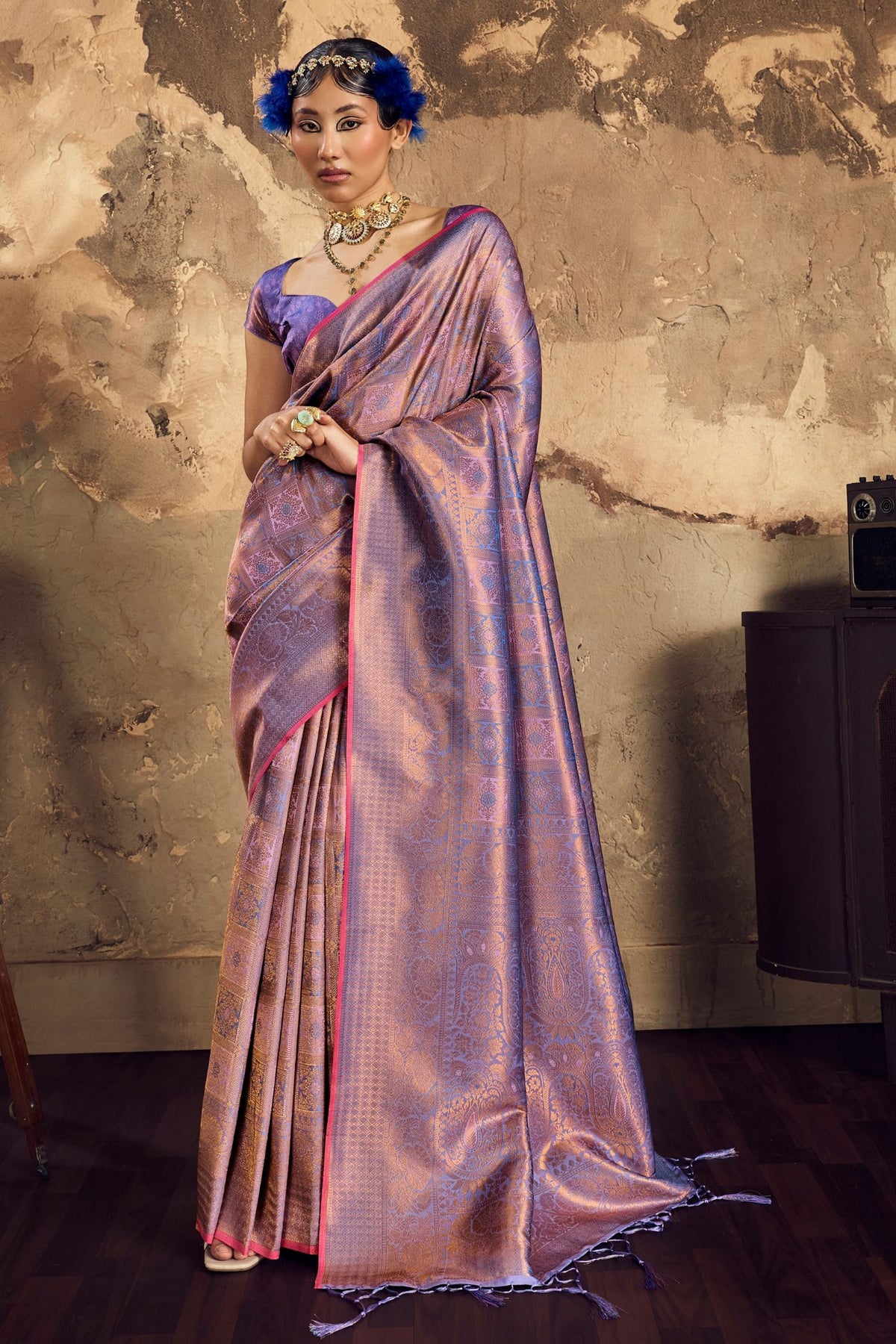
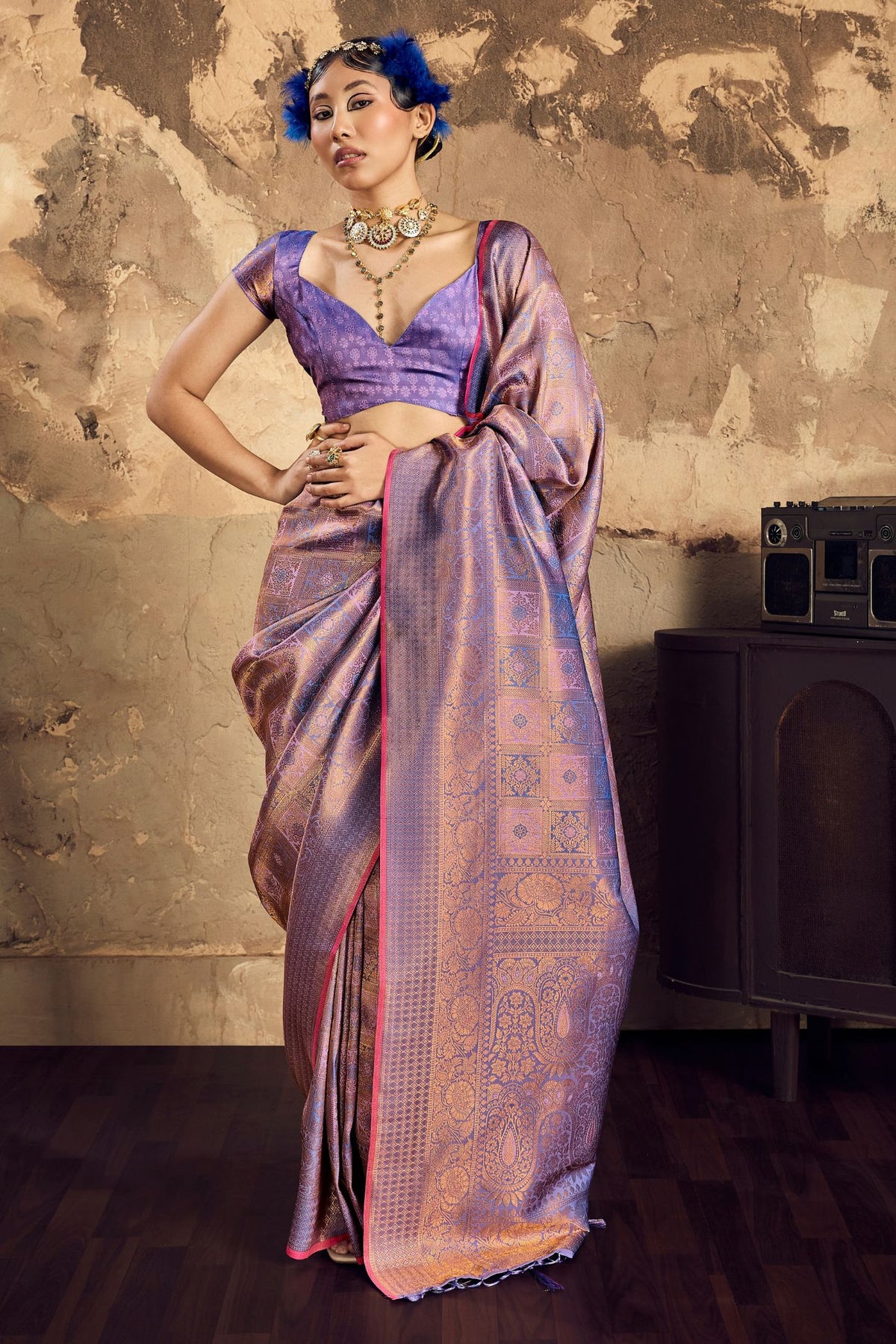
Jacaranda Purple Kanjivaram Handloom Saree
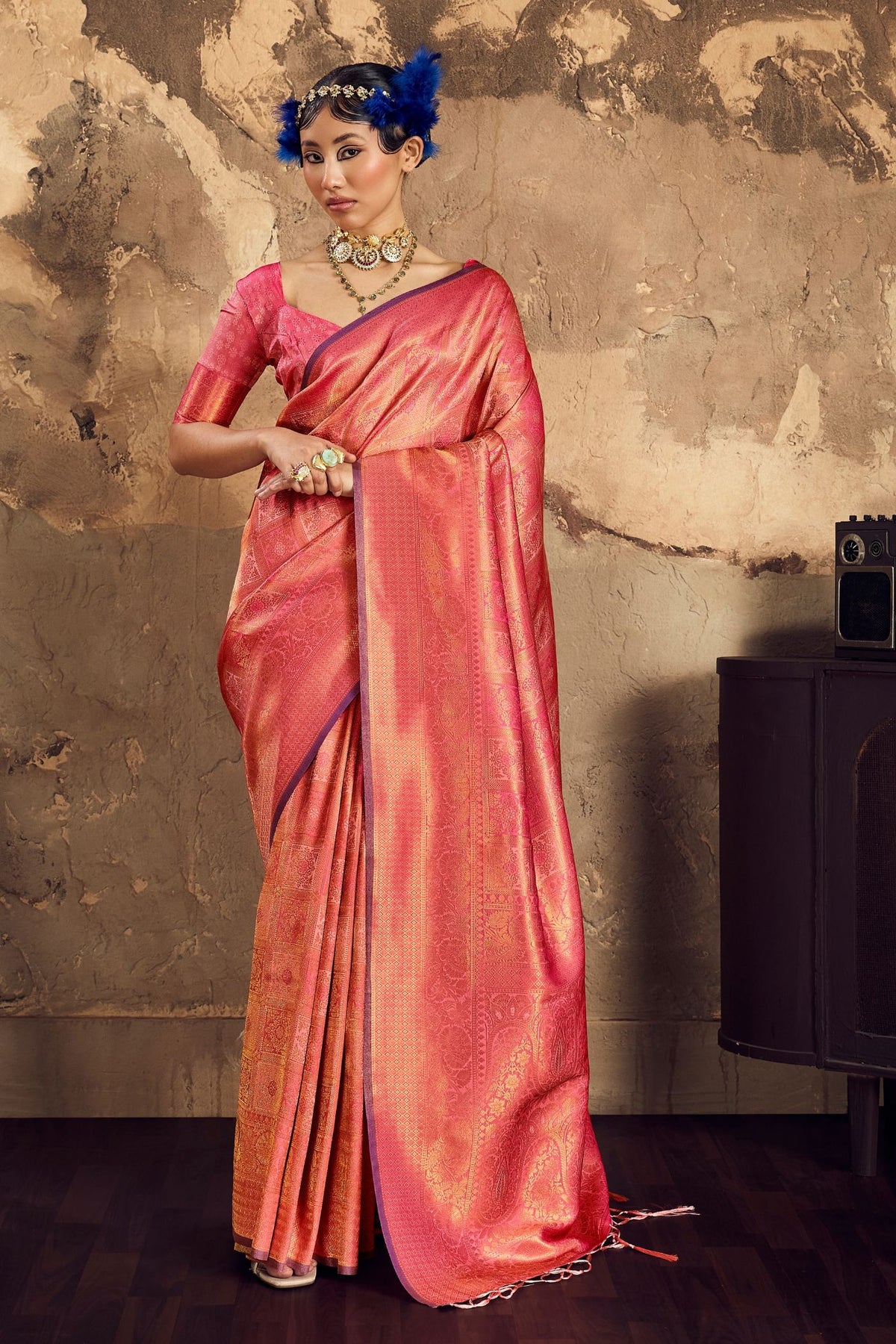
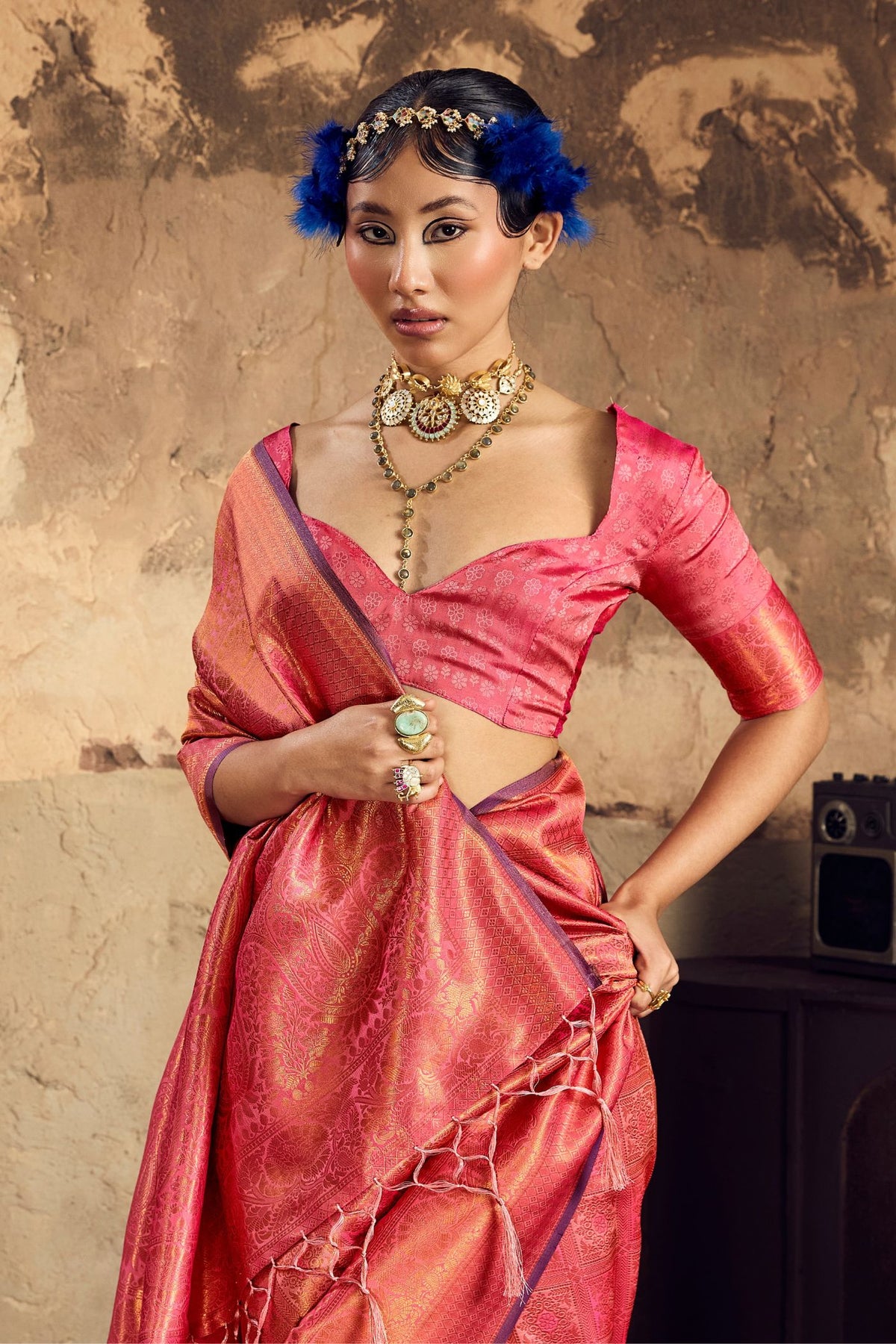
Nectarine Orange Kanjivaram Handloom Saree
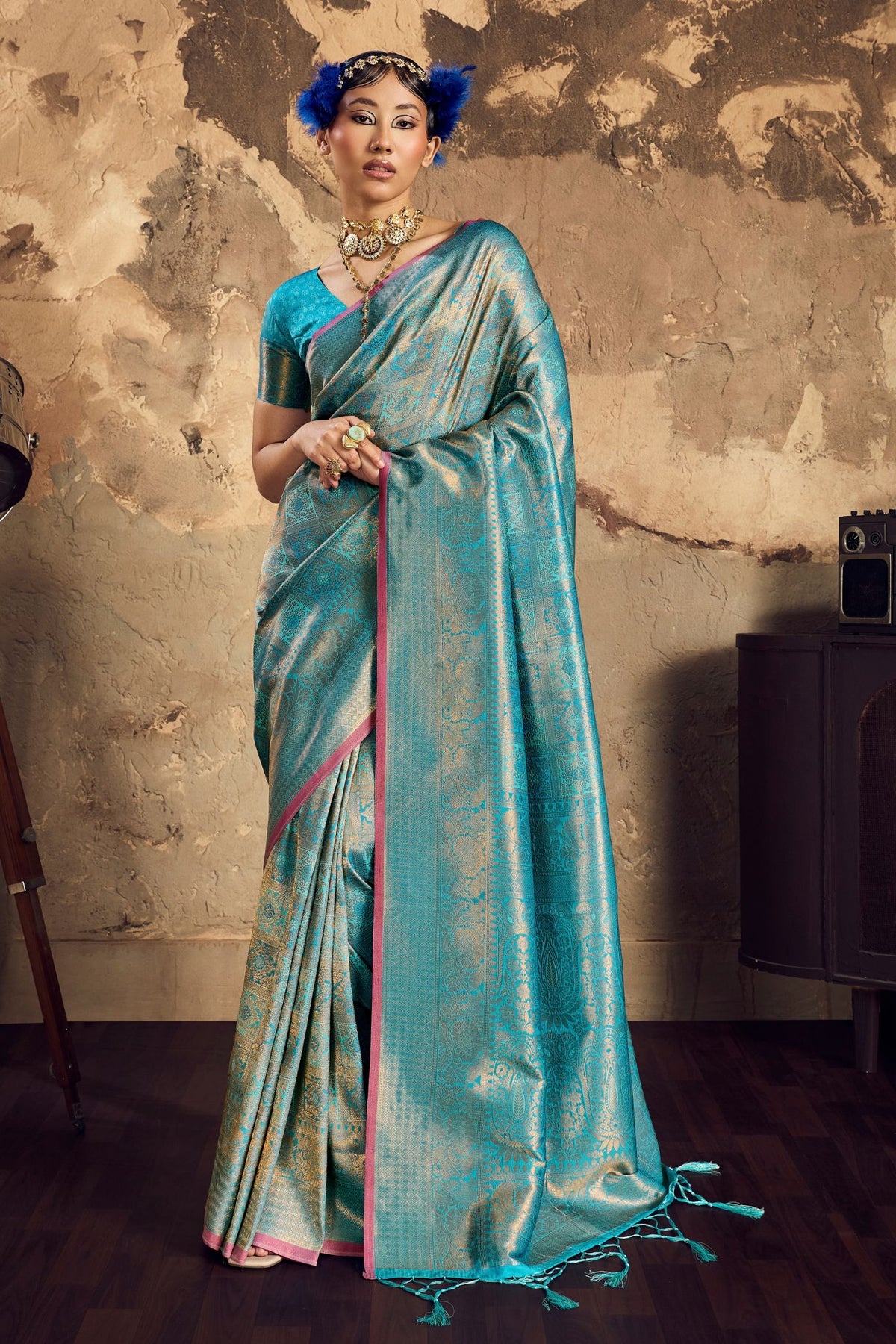
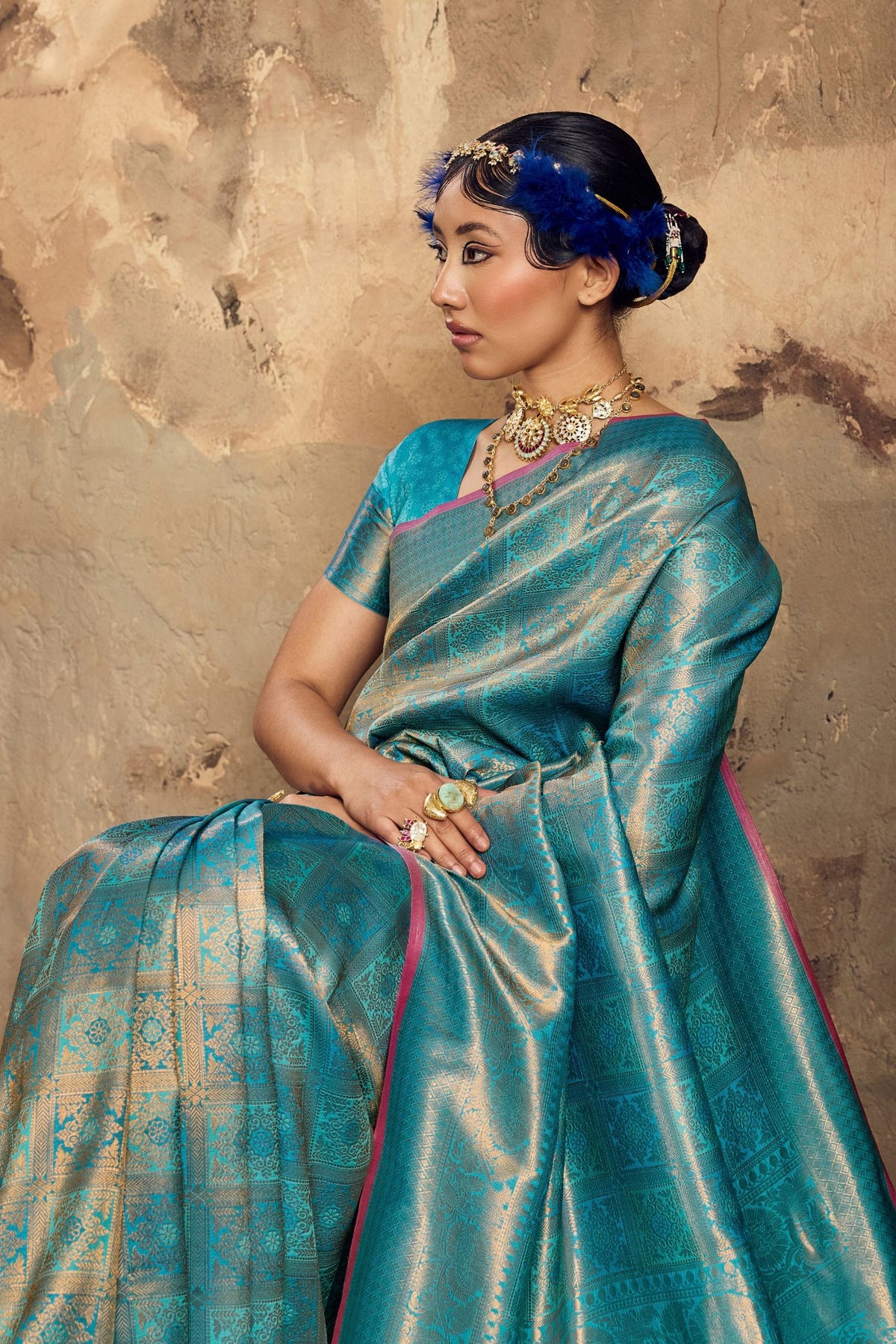
Cornflower Blue Kanjivaram Handloom Saree
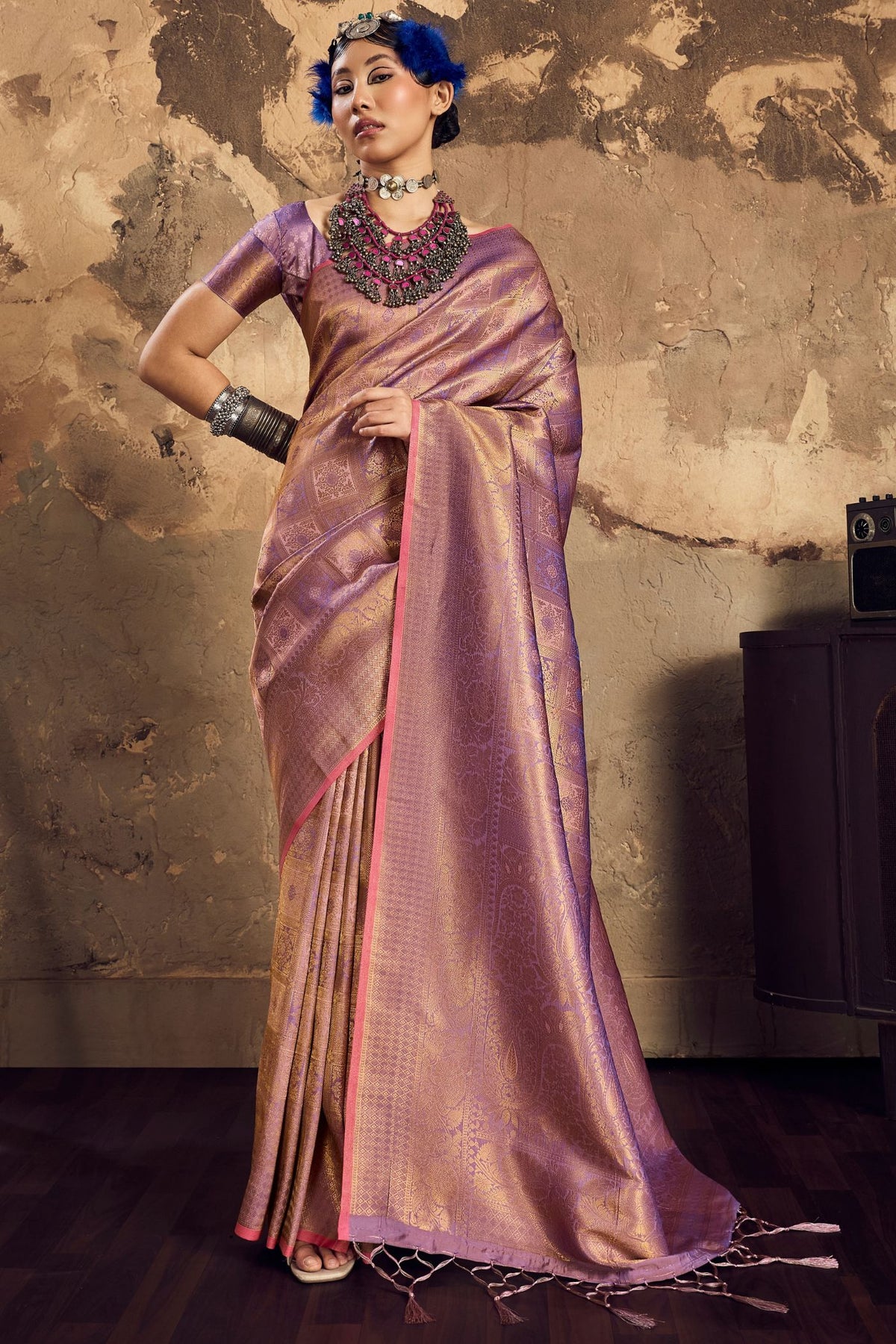
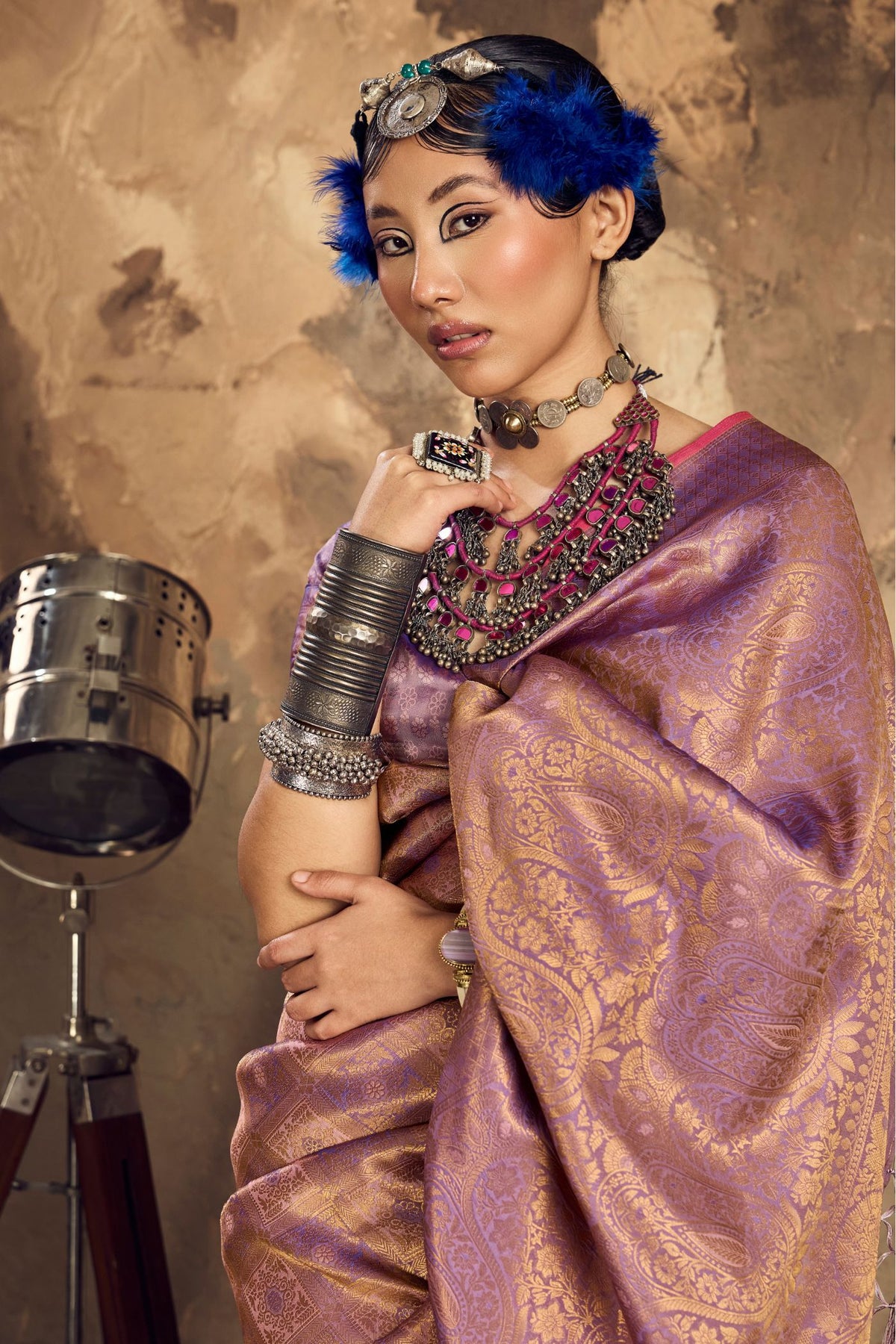
Petunia Purple Kanjivaram Handloom Saree
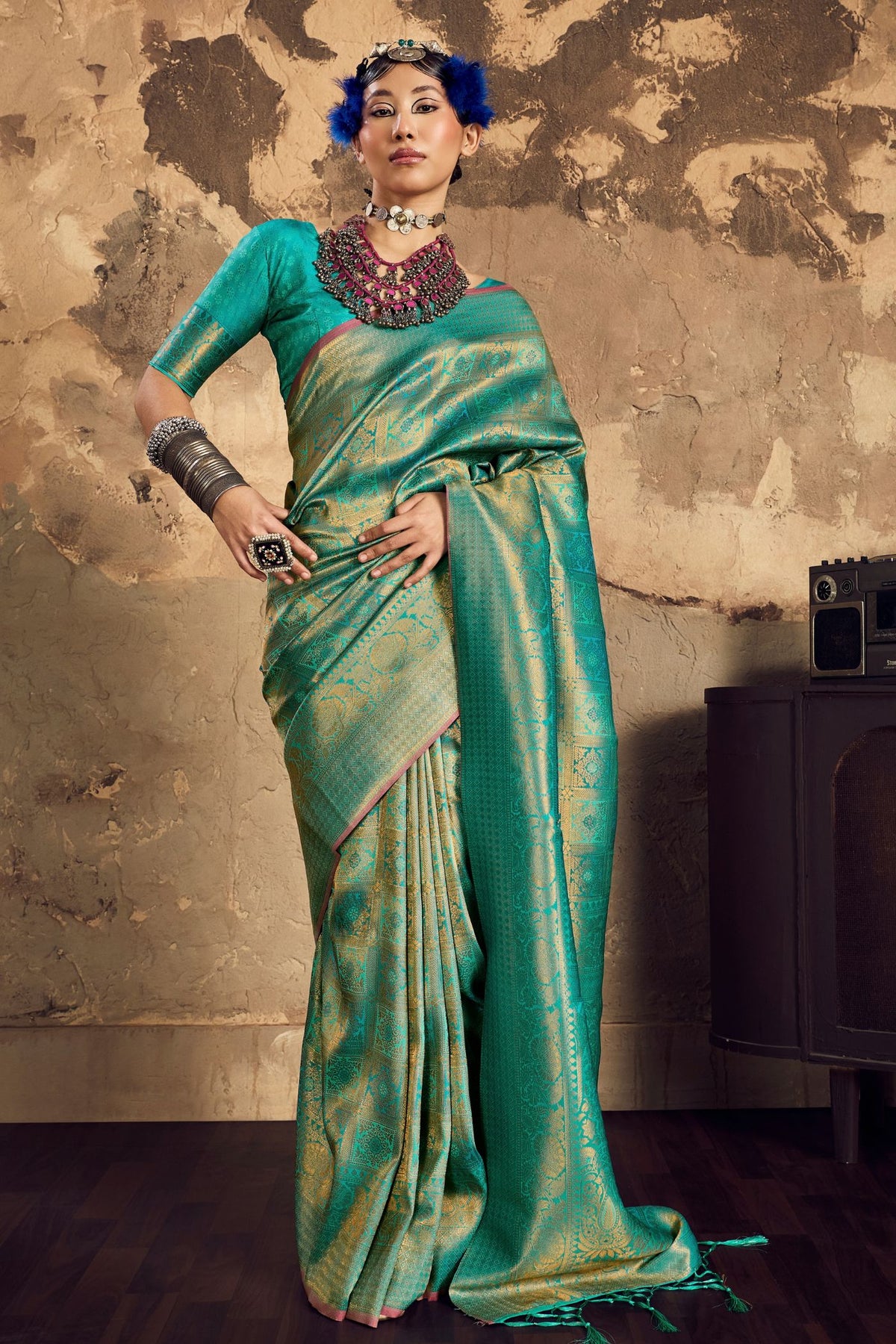
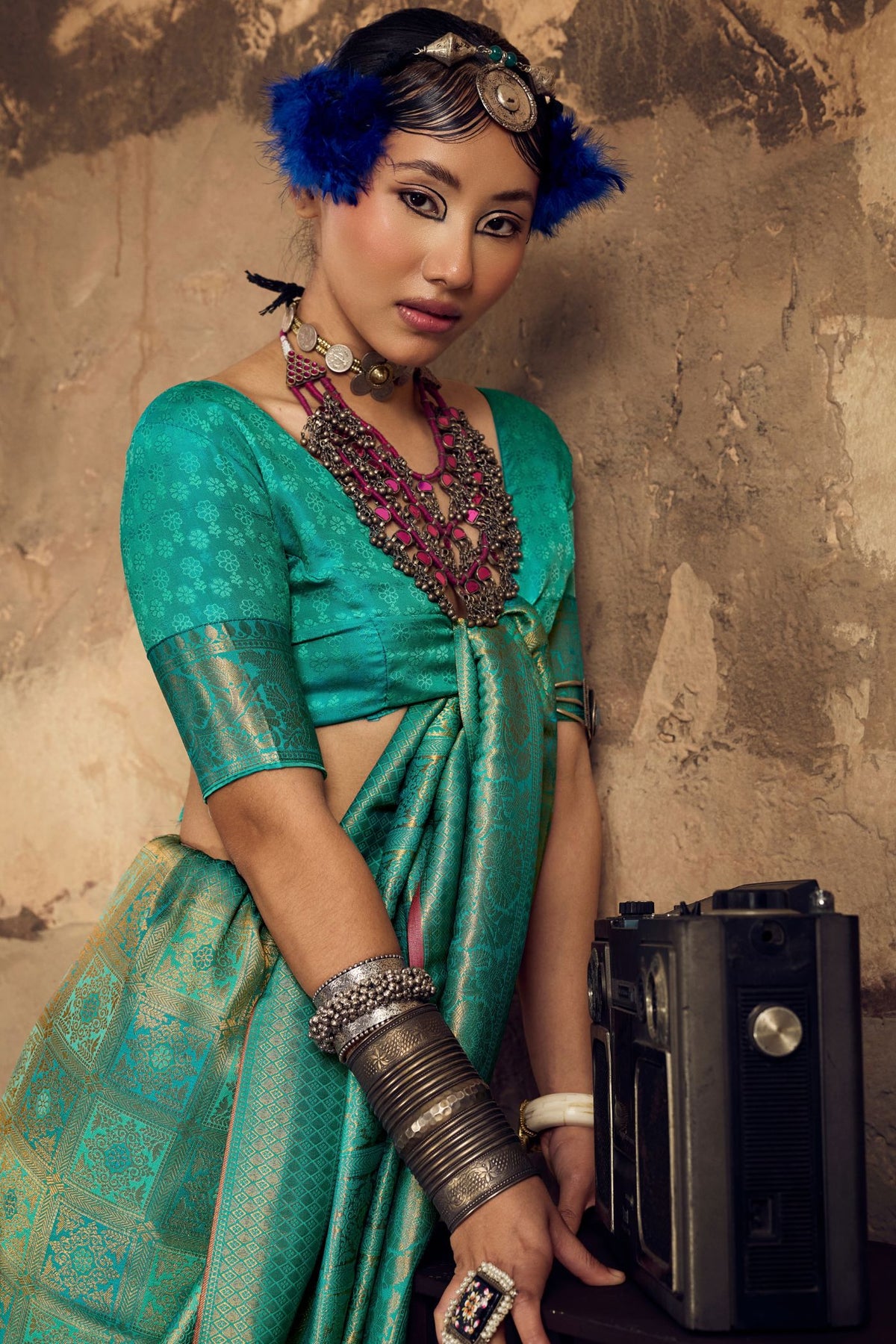
Hydrangea Green Kanjivaram Handloom Saree

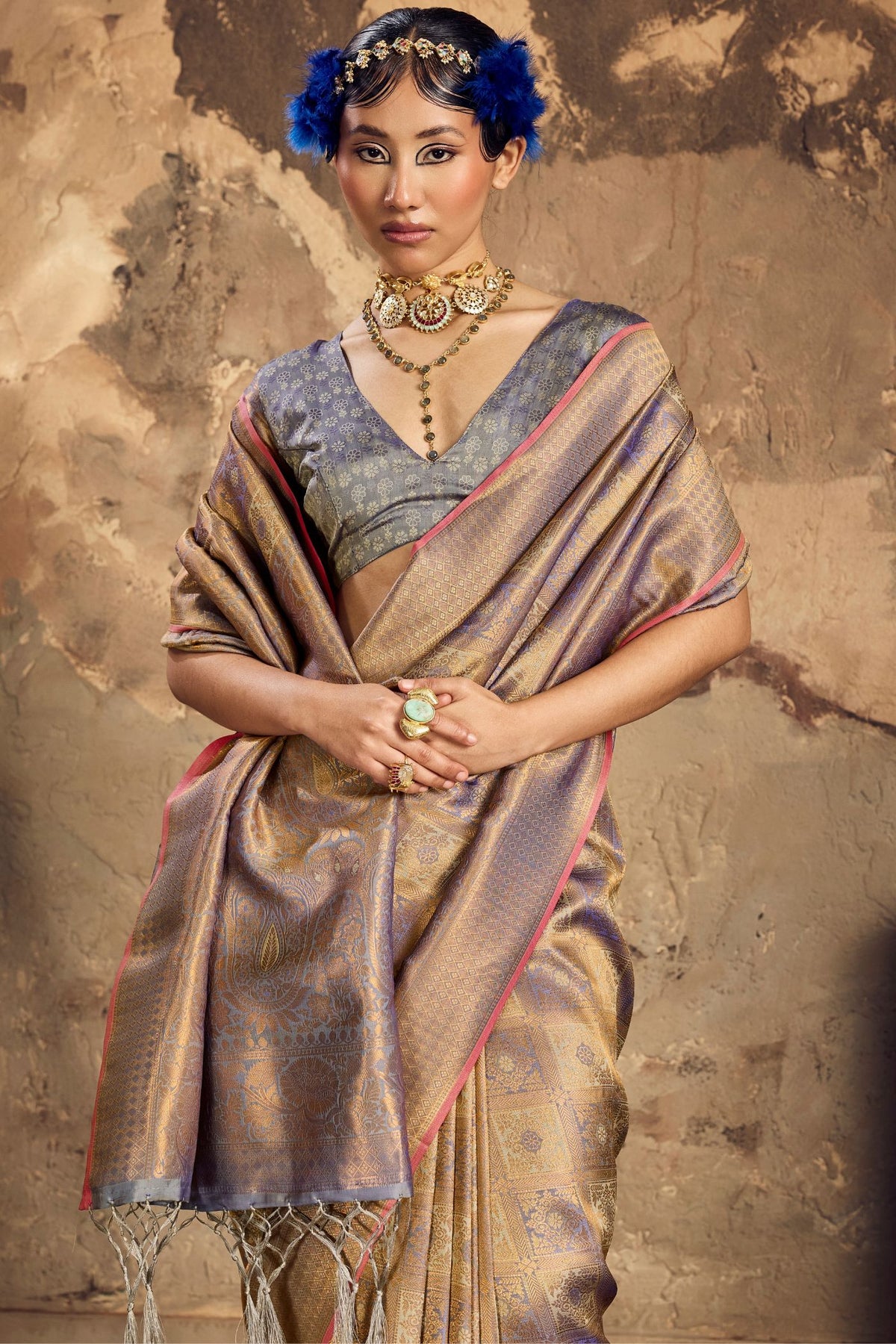
Wisteria Purple Kanjivaram Handloom Saree
Frequently Asked Questions — Handloom Sarees
What is a handloom saree, and how do I tell handloom from powerloom?
A handloom saree is woven by hand on a human-operated loom, rather than by an automated powerloom, and that human touch is what gives handloom its character — subtle irregularities in the weave, a slightly uneven selvedge, small loose threads on the reverse, and motifs that may be a fraction asymmetric. Handloom fabric feels supple and alive, drapes naturally and often softens with every wash, while powerloom cloth is flawlessly uniform and can feel stiff or overly smooth. India’s Handloom Mark is the formal certification of genuine handloom, and extreme underpricing for a claimed handloom is a red flag, since hand weaving takes time and skill. This collection spans many handloom fabrics from cotton to silk. At MySilkLove every listing states its exact fabric and weave honestly, so blends stay blends, and each piece is sourced directly from weavers, backed by free worldwide shipping, COD, easy 7-day returns and WhatsApp assistance.
Why do handloom saree prices vary, and what do they cost at MySilkLove?
Handloom pricing reflects the fibre (cotton versus silk or blends), the fineness of the yarn, the complexity of the weave and its motifs, and the loom time, which can run from a day for a plain cotton to many weeks for a dense silk. At MySilkLove the handloom collection currently in stock starts at about ₹2,600 for handloom cotton and linen weaves, rising through premium silk and richly woven handloom pieces, across around 850 active pieces, each honestly labelled by fabric. Those are regular list prices; seasonal offers apply automatically at checkout and often bring the amount you pay lower. Buying directly from weavers keeps the price fair with no middleman markup and supports the artisans, and every order is sourced directly from weavers, backed by free worldwide shipping, COD, easy 7-day returns and WhatsApp assistance.
How do I care for a handloom saree?
Care depends on the fibre, but a few principles apply across handloom. Handloom cotton and linen can usually be gently hand washed in cold water with a mild detergent, washed separately for the first few washes as natural dyes can bleed, and never wrung hard; dry in shade. Handloom silk and any zari-worked piece is safest dry cleaned. Iron cotton and linen while slightly damp on a medium setting; iron silk on low from the reverse through a thin cloth so the zari never blackens. Store every handloom saree wrapped in breathable cotton or muslin rather than plastic, tuck in neem leaves against insects, and refold along different lines periodically so permanent creases do not set. Every handloom saree from MySilkLove ships with care guidance, and our team can advise on your specific piece over WhatsApp.
When can I wear a handloom saree, and how do I style it?
Handloom spans the full range of occasions because the collection spans so many fabrics: lightweight handloom cotton and linen suit daily wear, office days and daytime functions, while richer handloom silks are at home at festivals, weddings and receptions. Style follows the fabric — keep a cotton or linen handloom clean and contemporary with a contrast blouse and oxidised silver or terracotta jewellery, and dress a handloom silk up with a zari-border blouse, gold jewellery and a structured drape. A reliable rule is to let the weave and border lead and keep everything else simple. A light starch helps a cotton handloom hold crisp pleats. Many handloom sarees at MySilkLove include a coordinating blouse piece, and our team can suggest styling for your saree over WhatsApp.