
Pattu Sarees | Buy Authentic South Indian Pattu Sarees Online
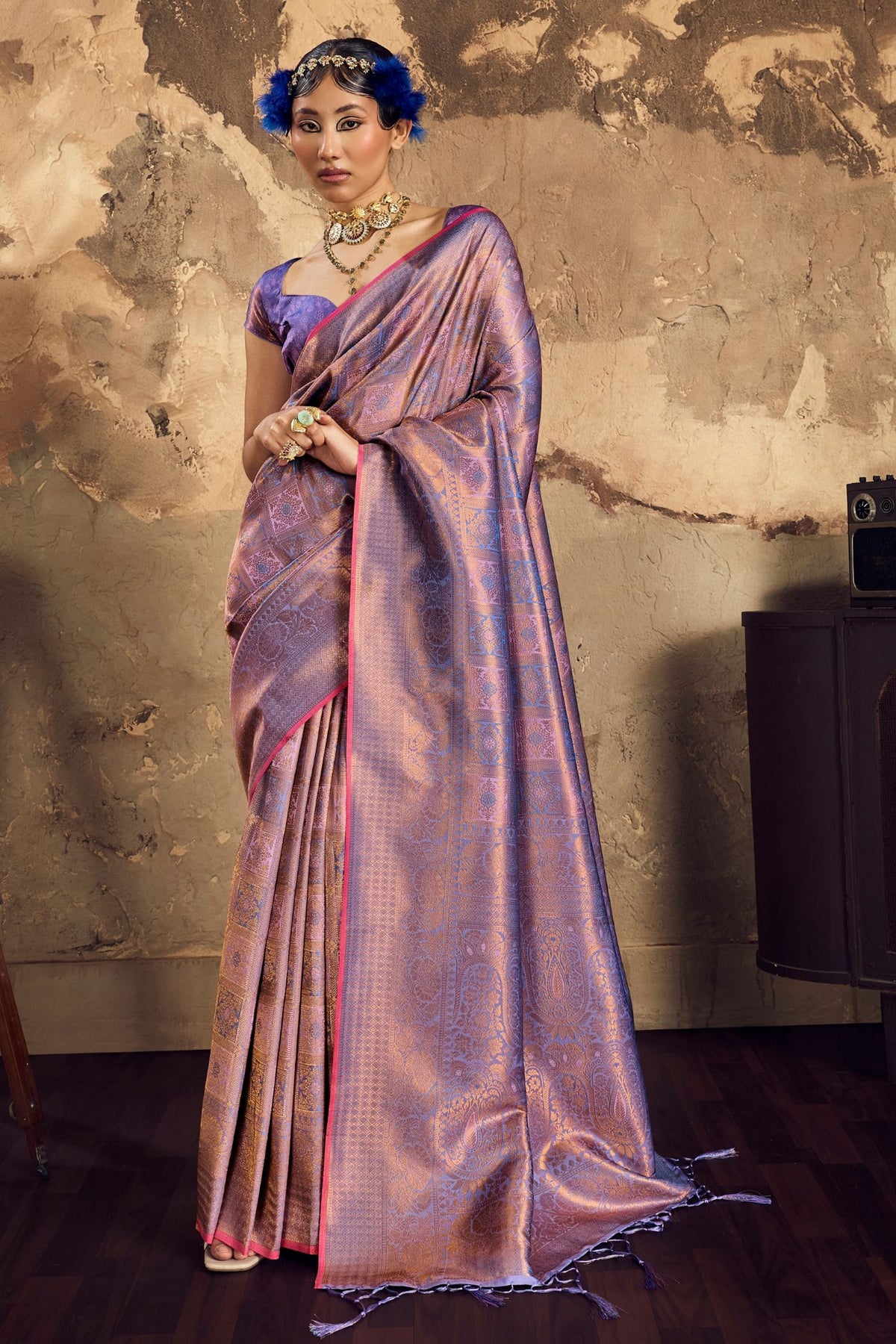
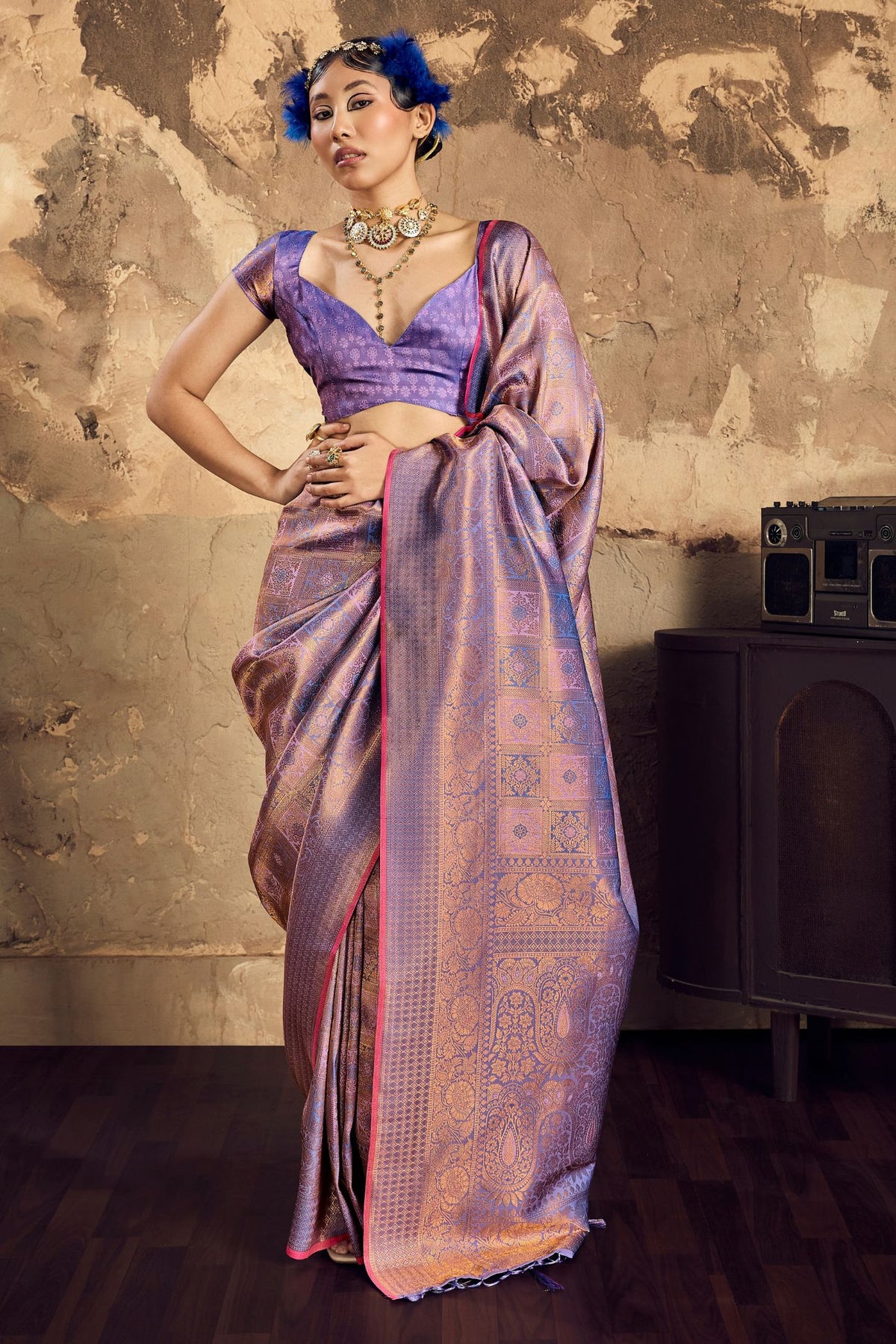
Jacaranda Purple Kanjivaram Handloom Saree
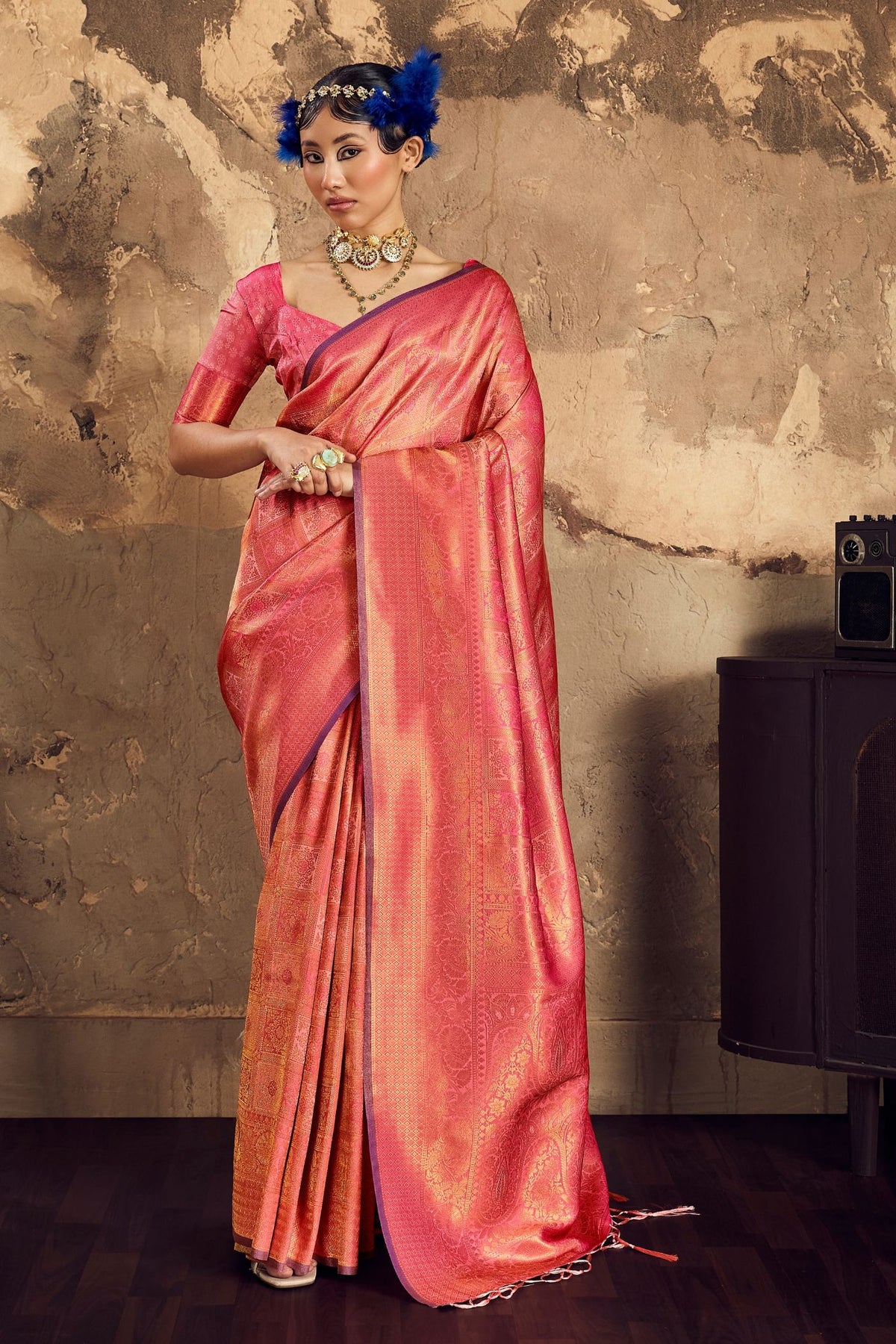
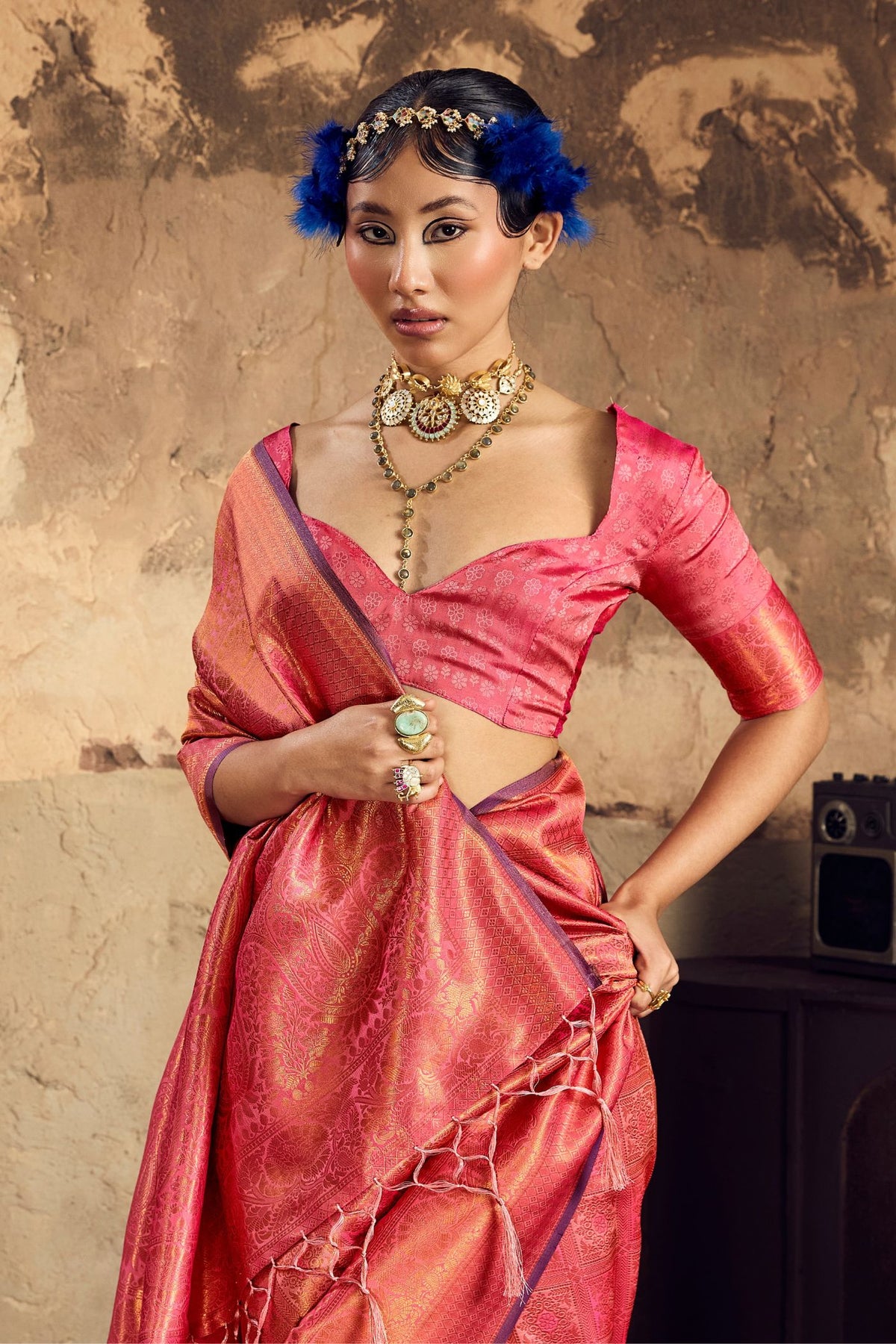
Nectarine Orange Kanjivaram Handloom Saree
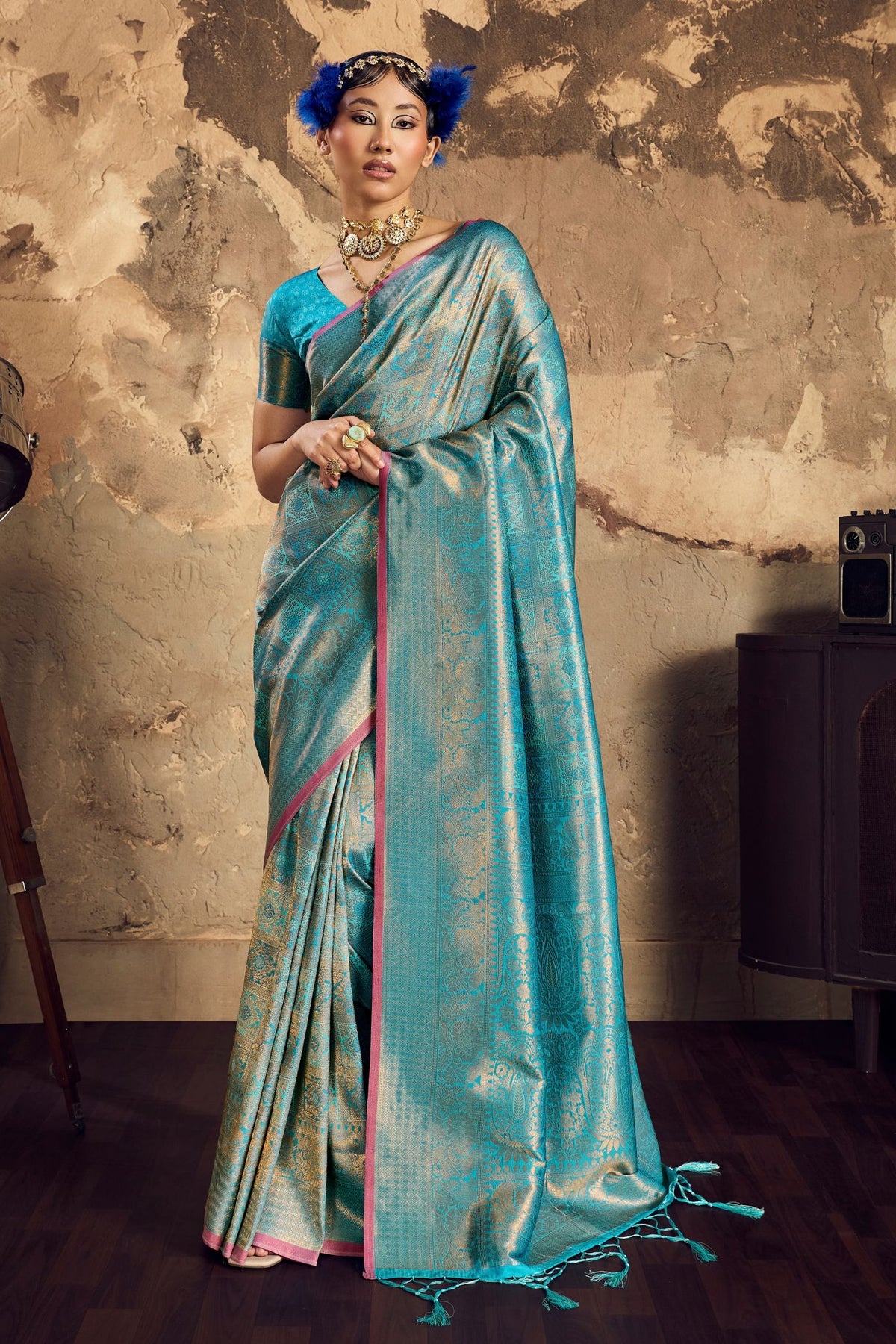
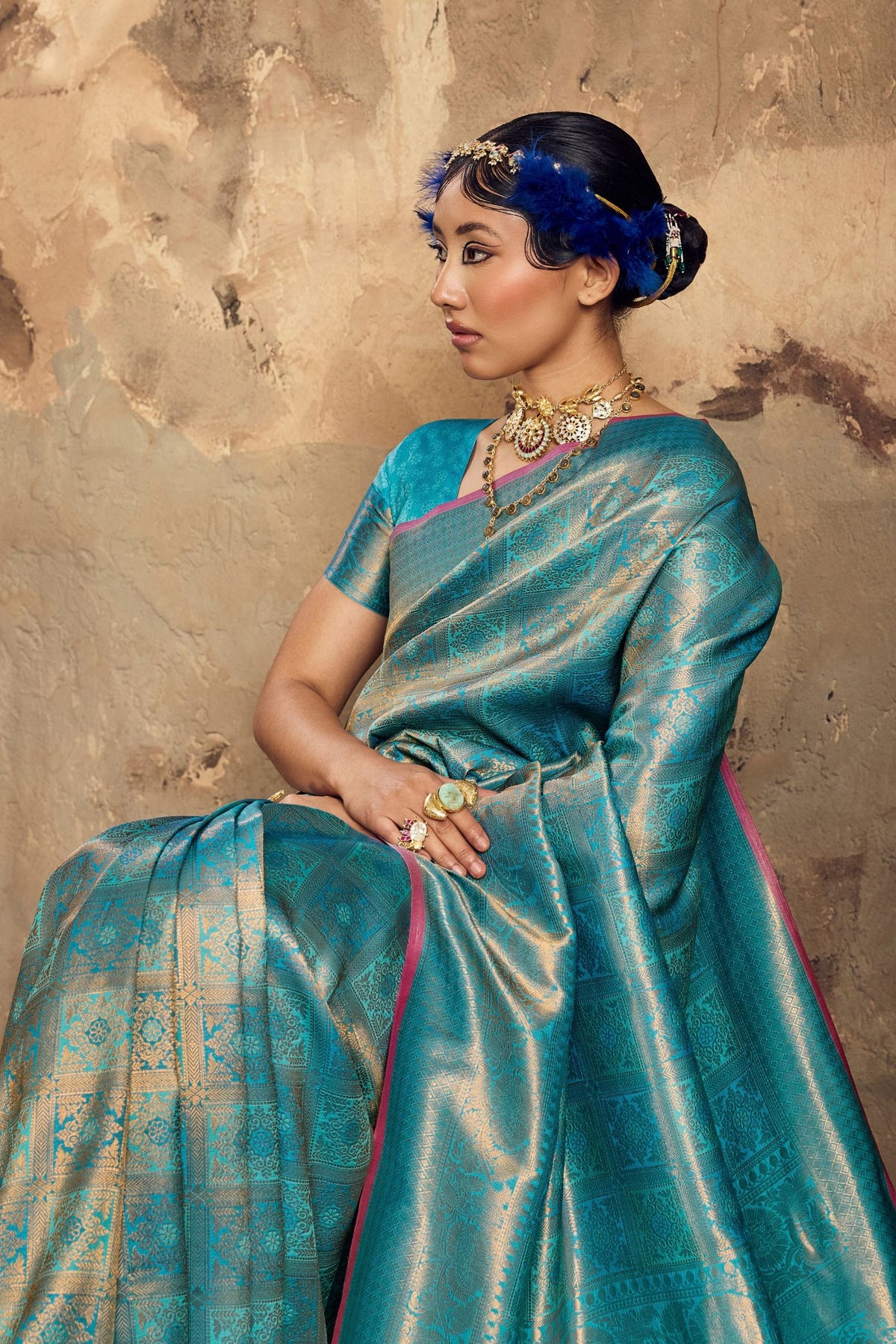
Cornflower Blue Kanjivaram Handloom Saree
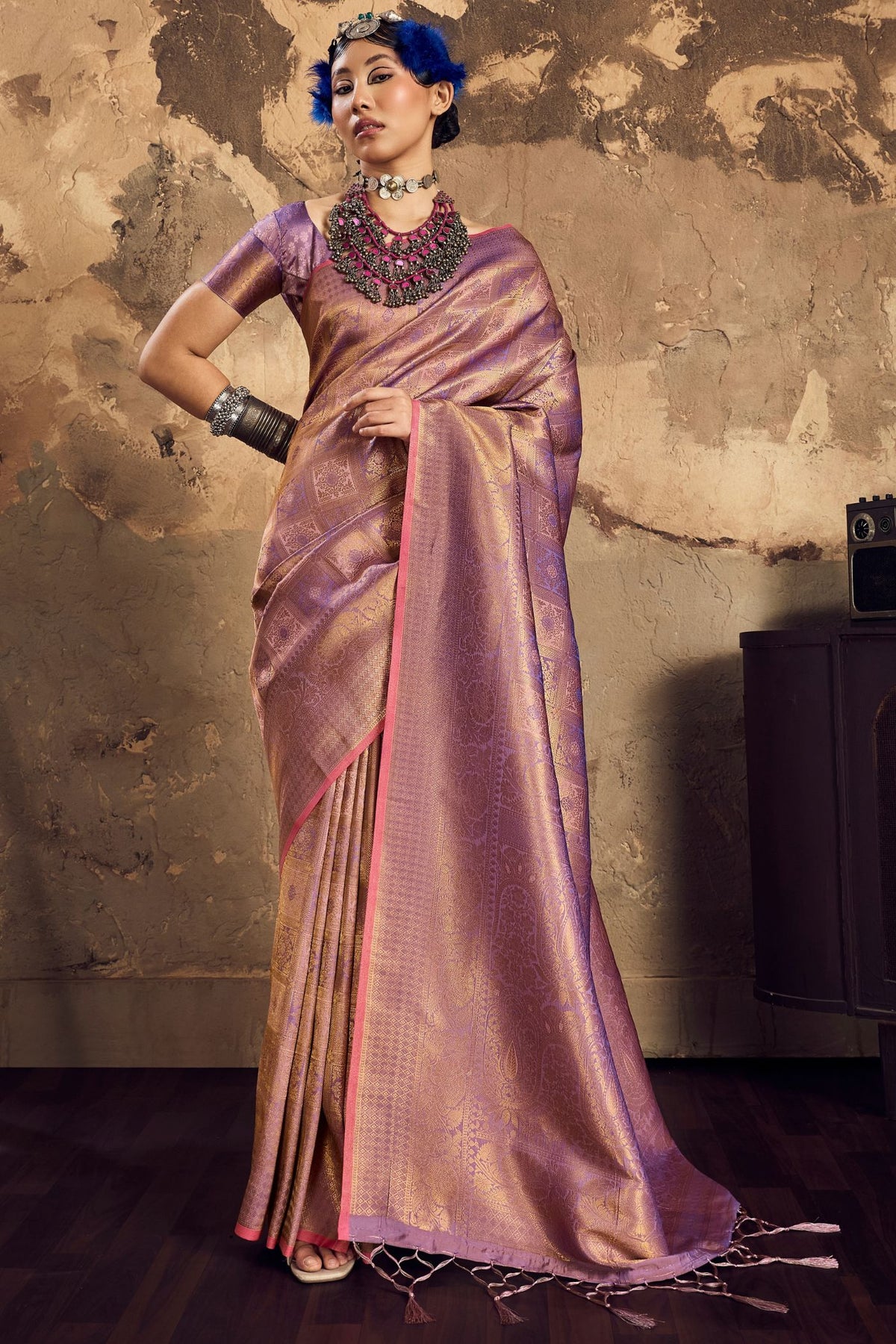
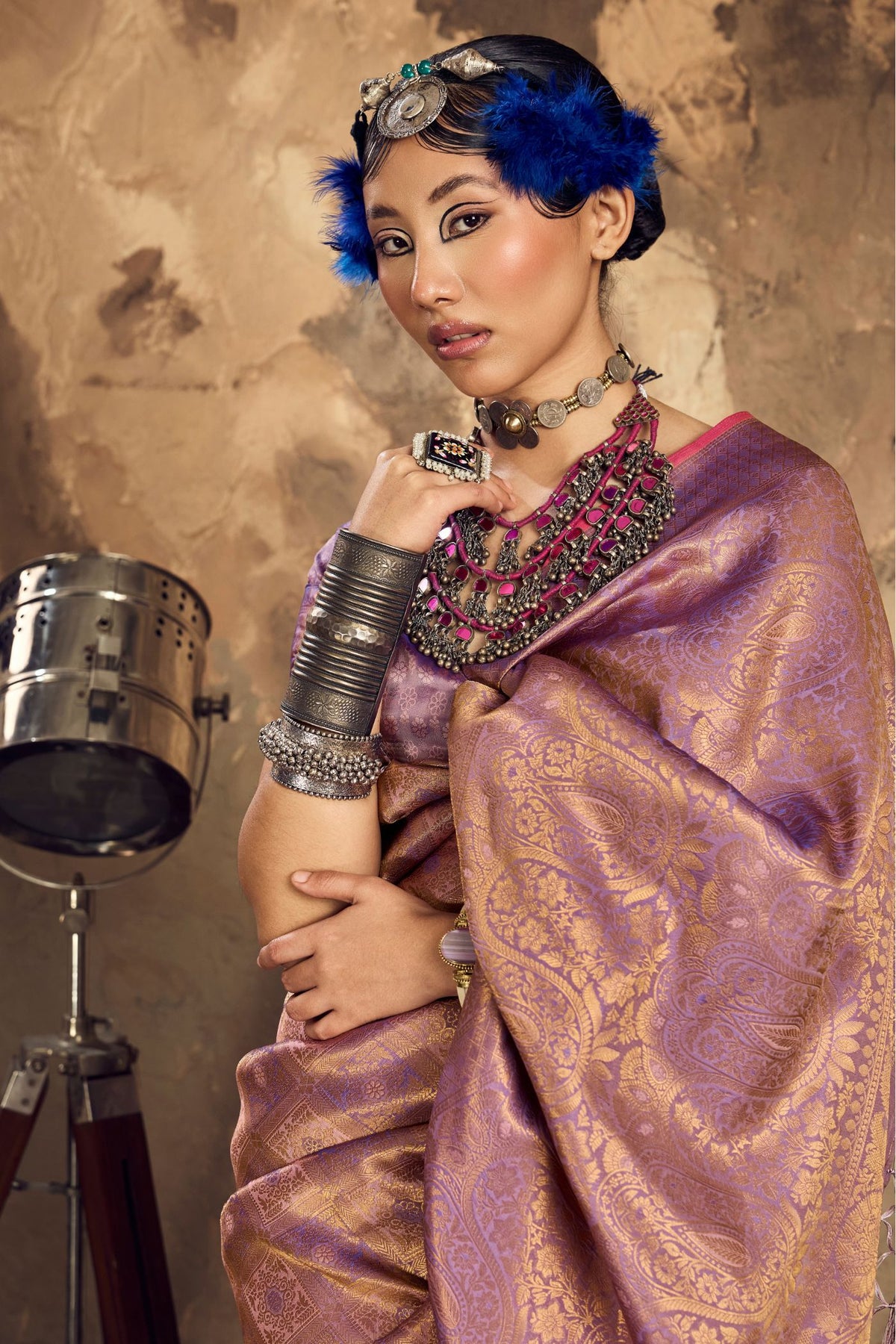
Petunia Purple Kanjivaram Handloom Saree
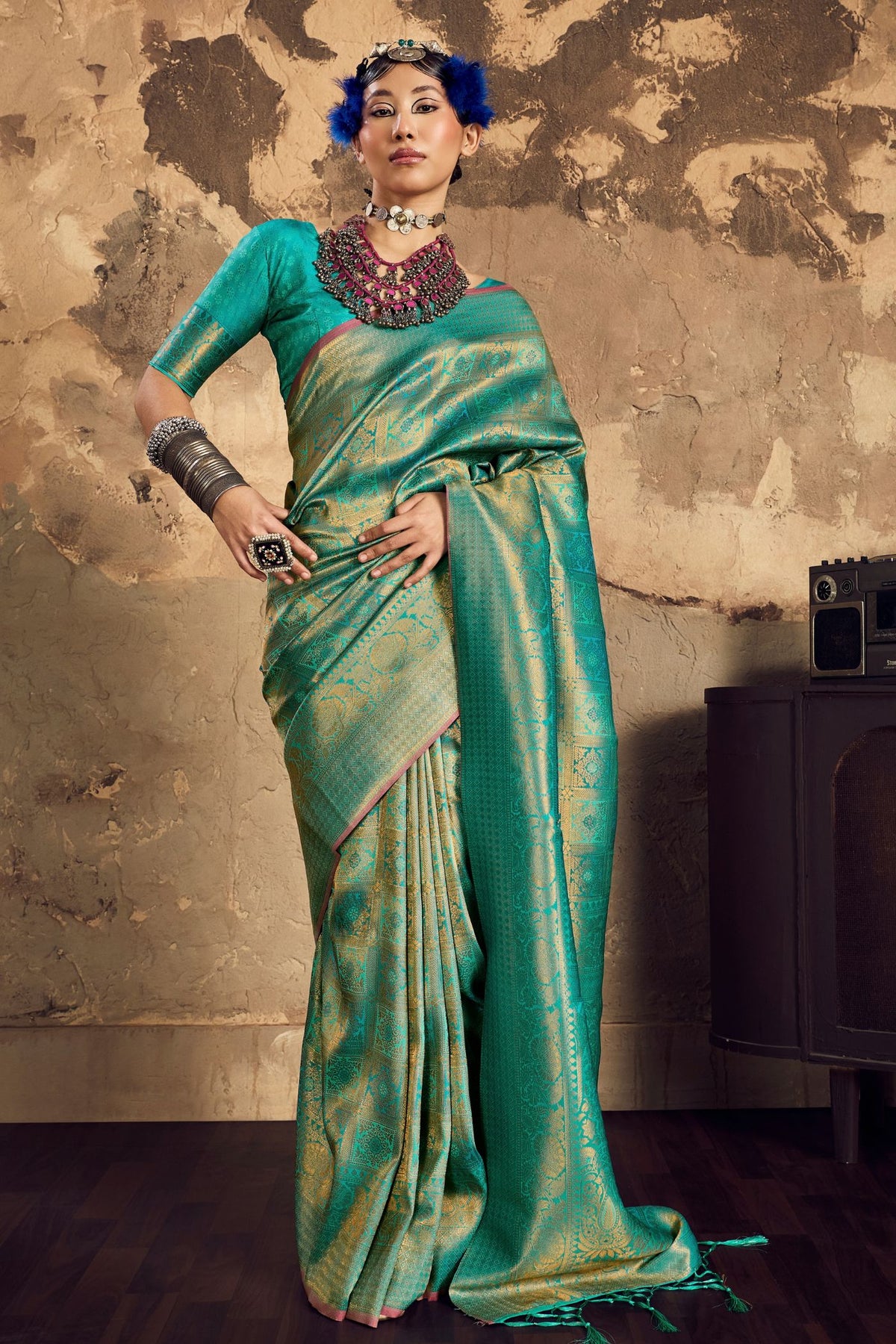
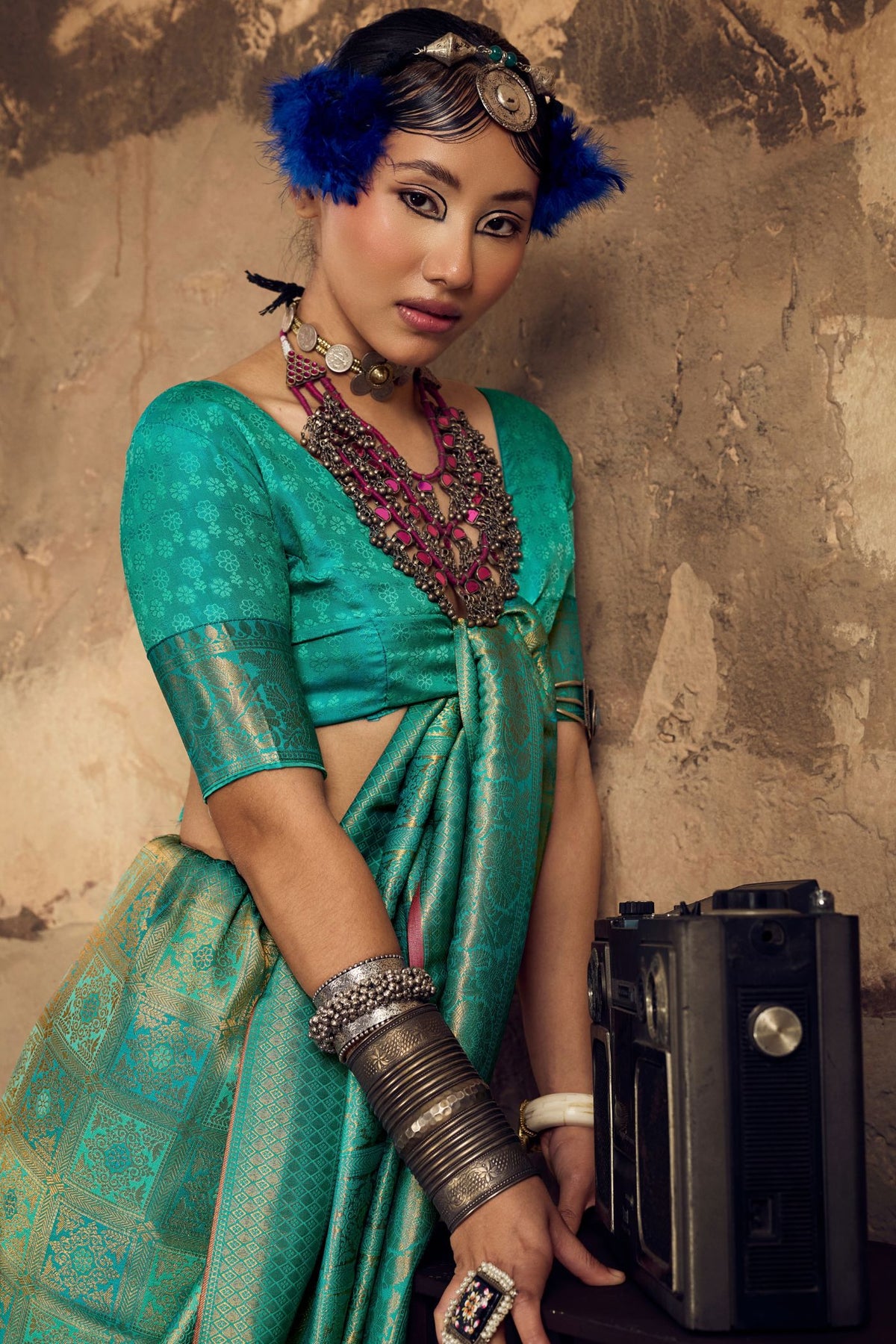
Hydrangea Green Kanjivaram Handloom Saree

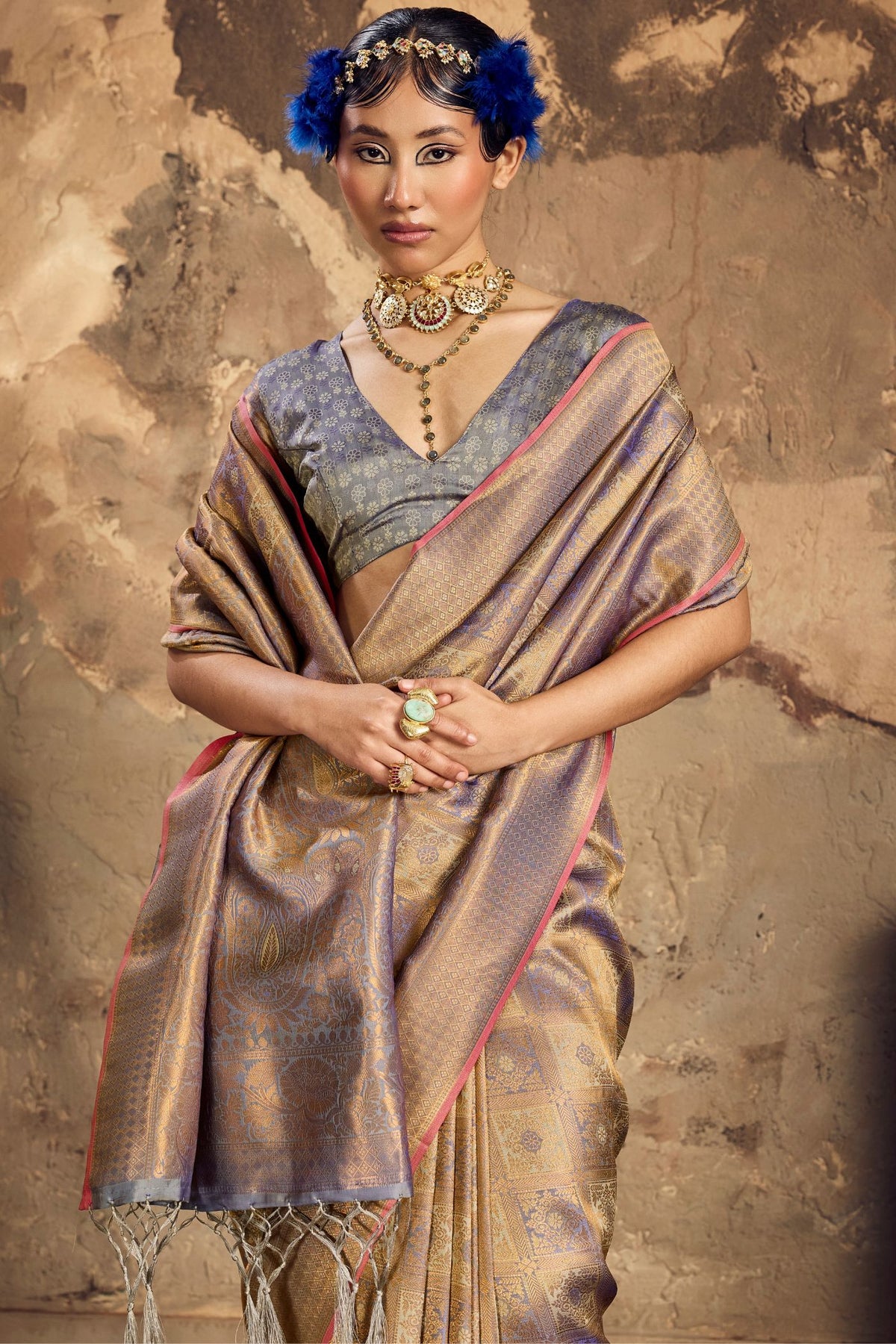
Wisteria Purple Kanjivaram Handloom Saree
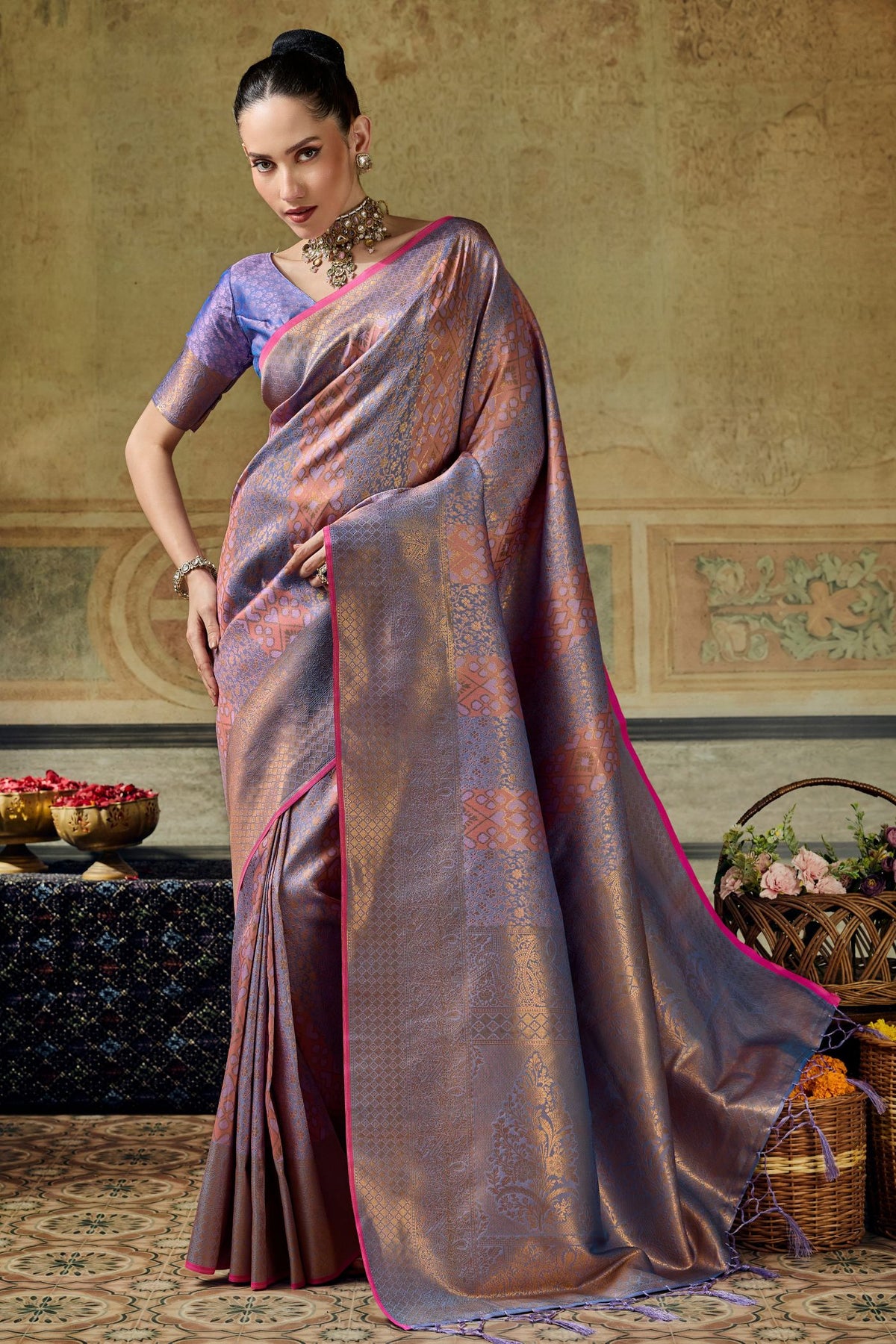
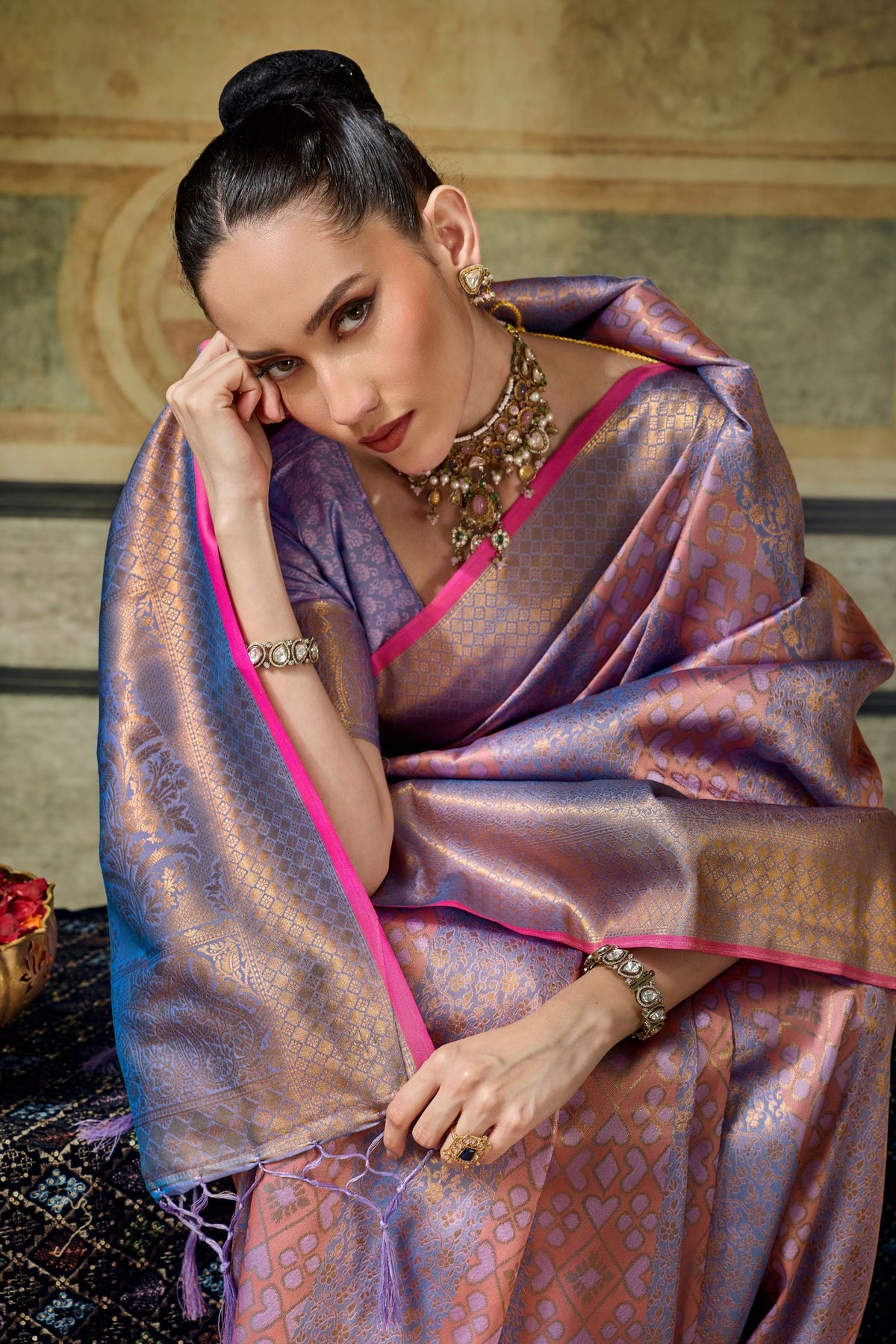
Grape Purple Kanjivaram Handloom Saree
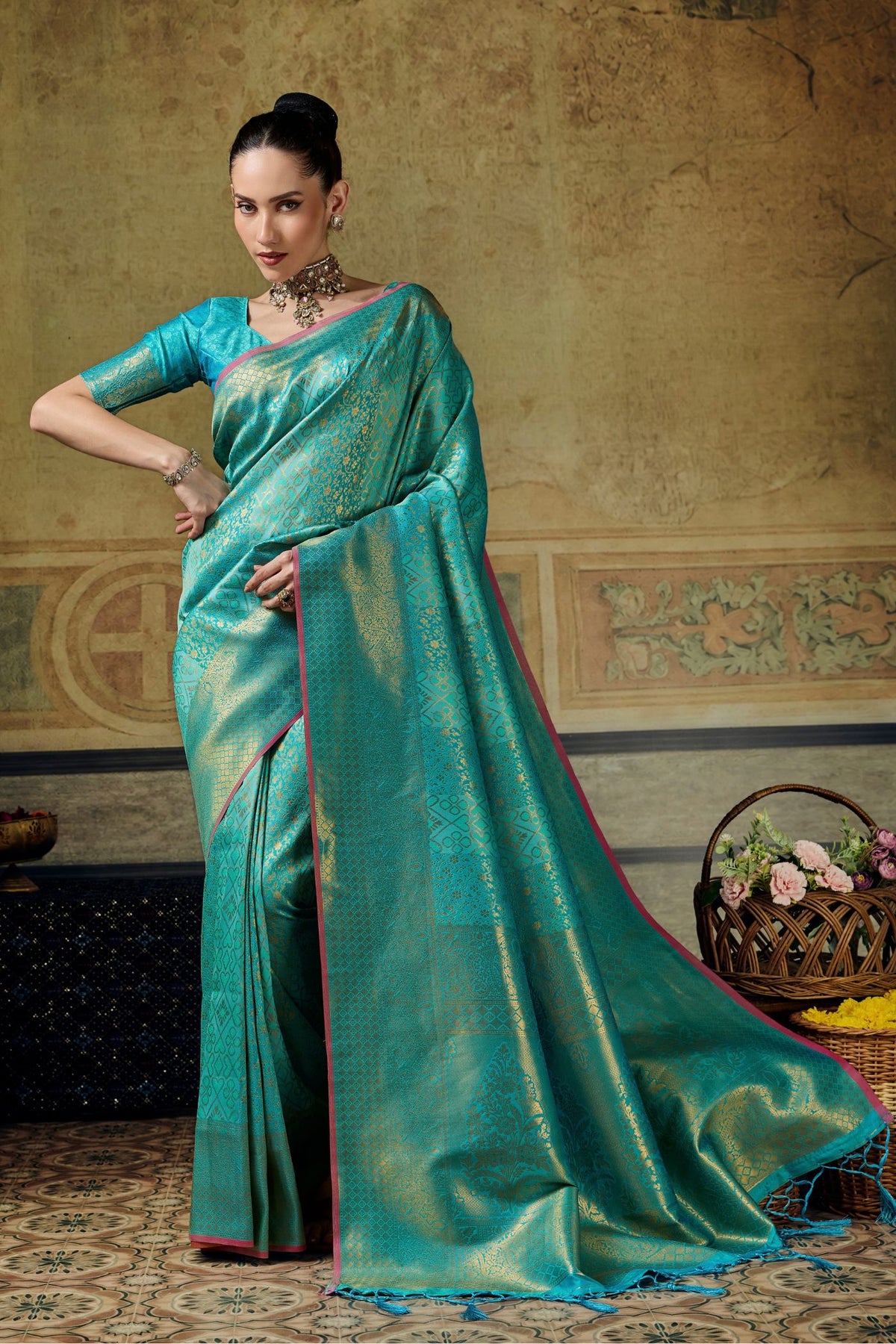
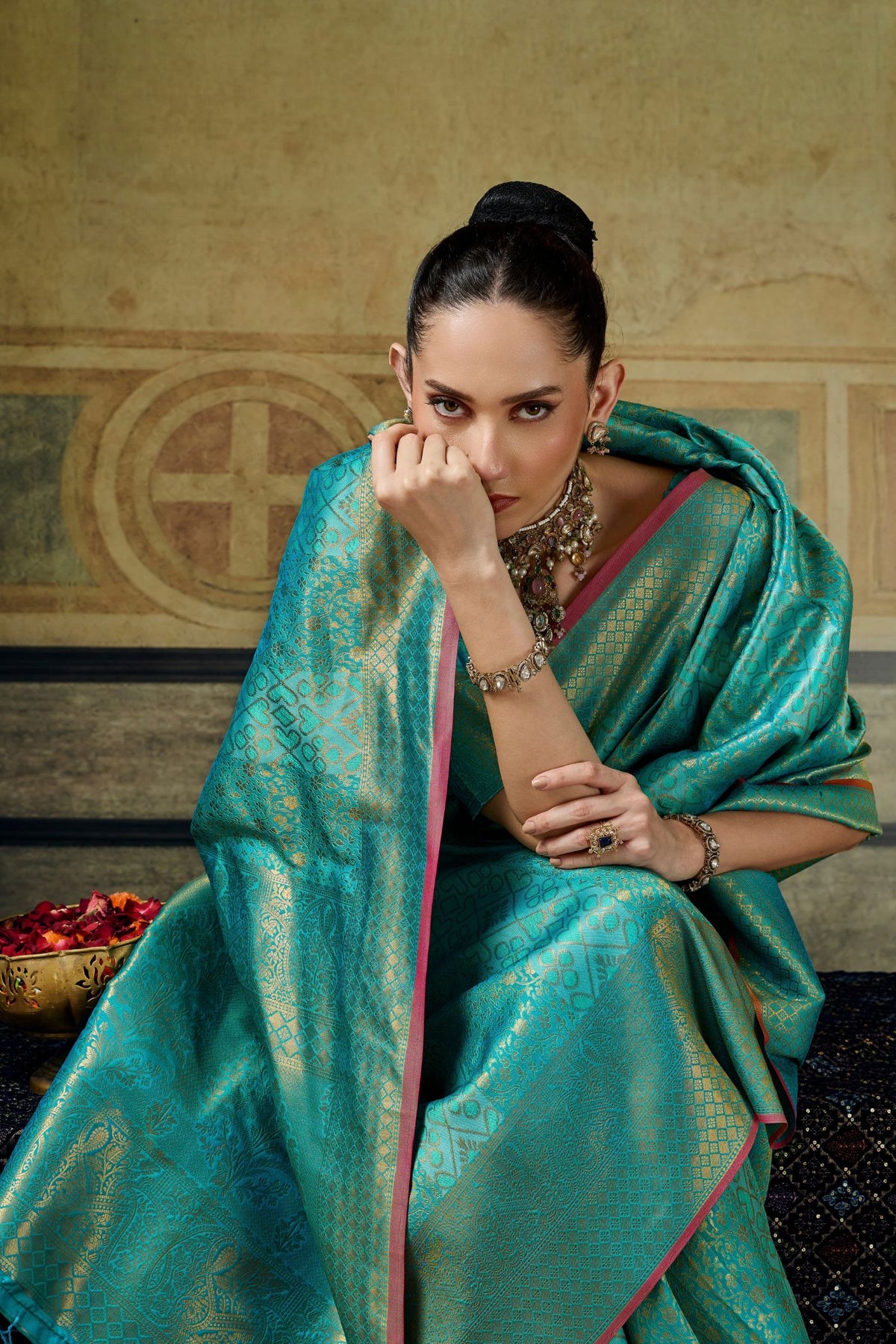
Teal Blue Kanjivaram Handloom Saree
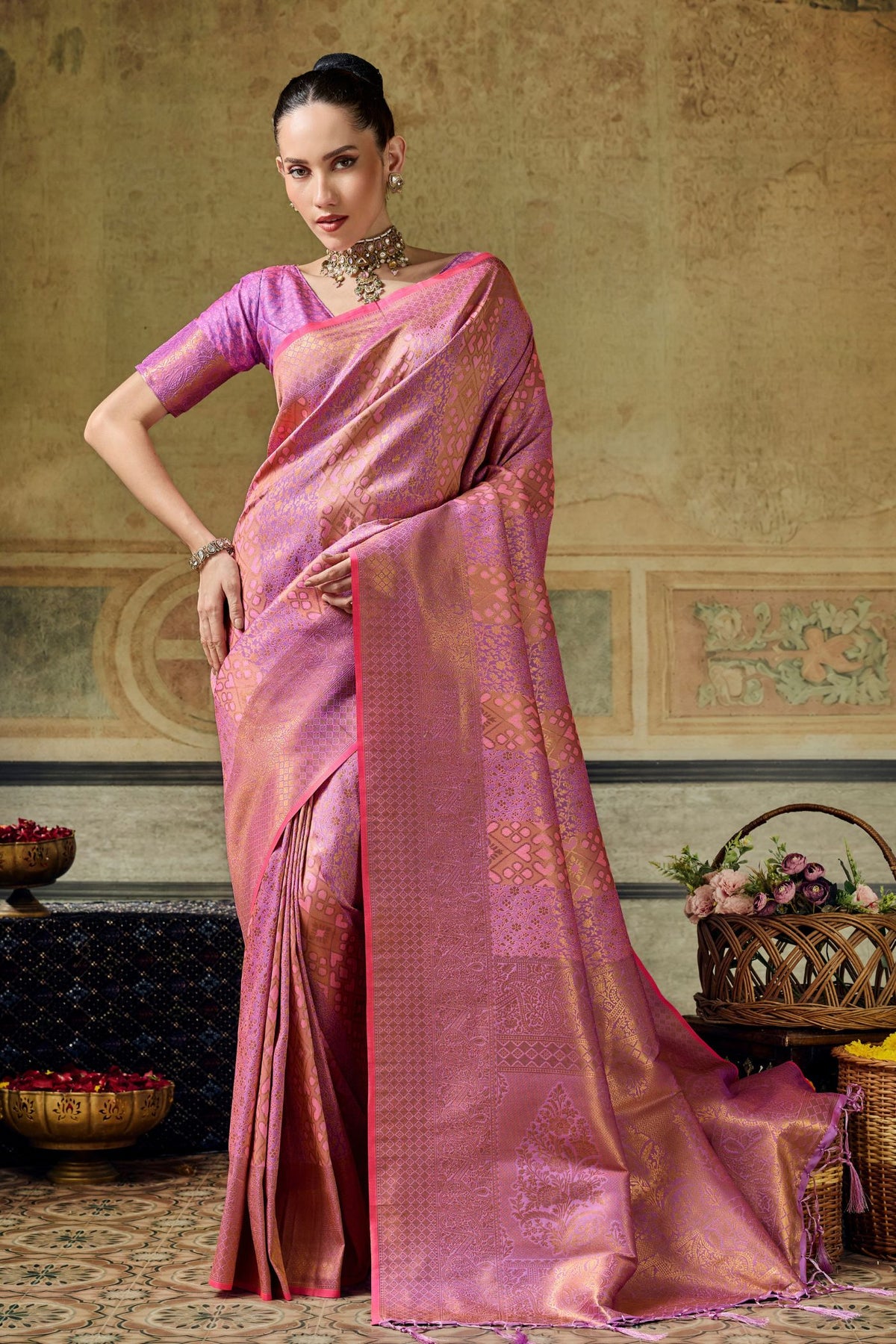
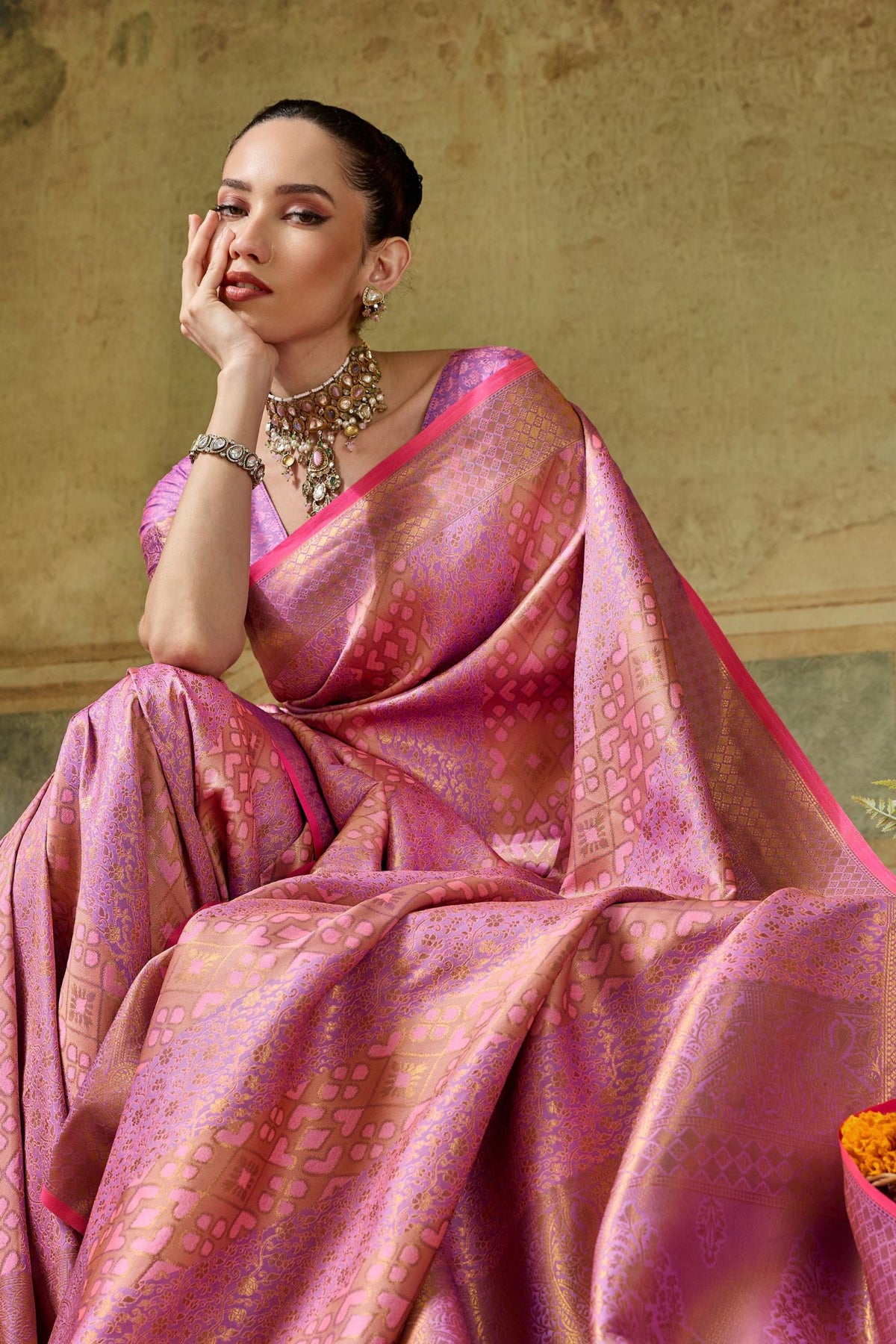
Raspberry Pink Kanjivaram Handloom Saree
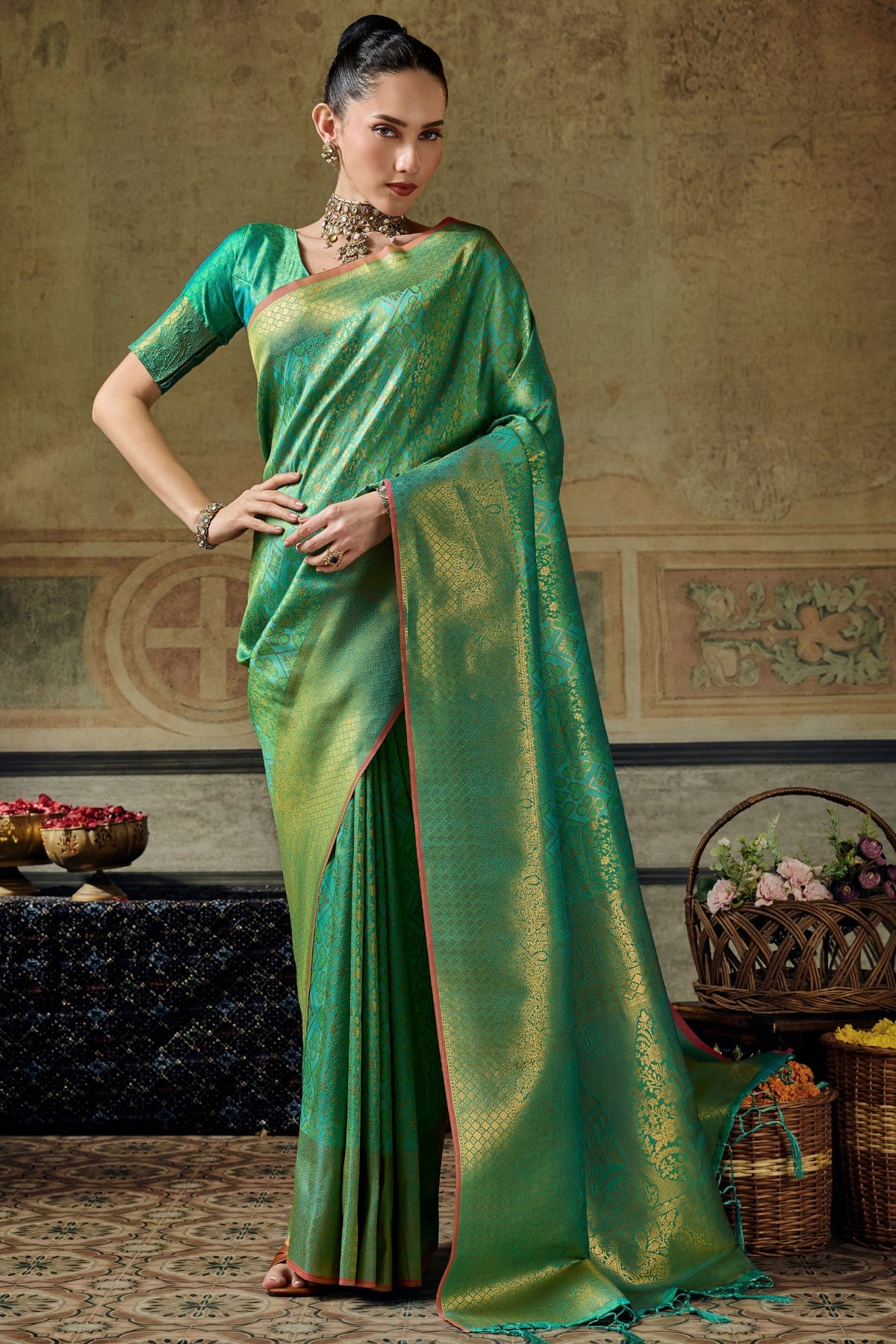
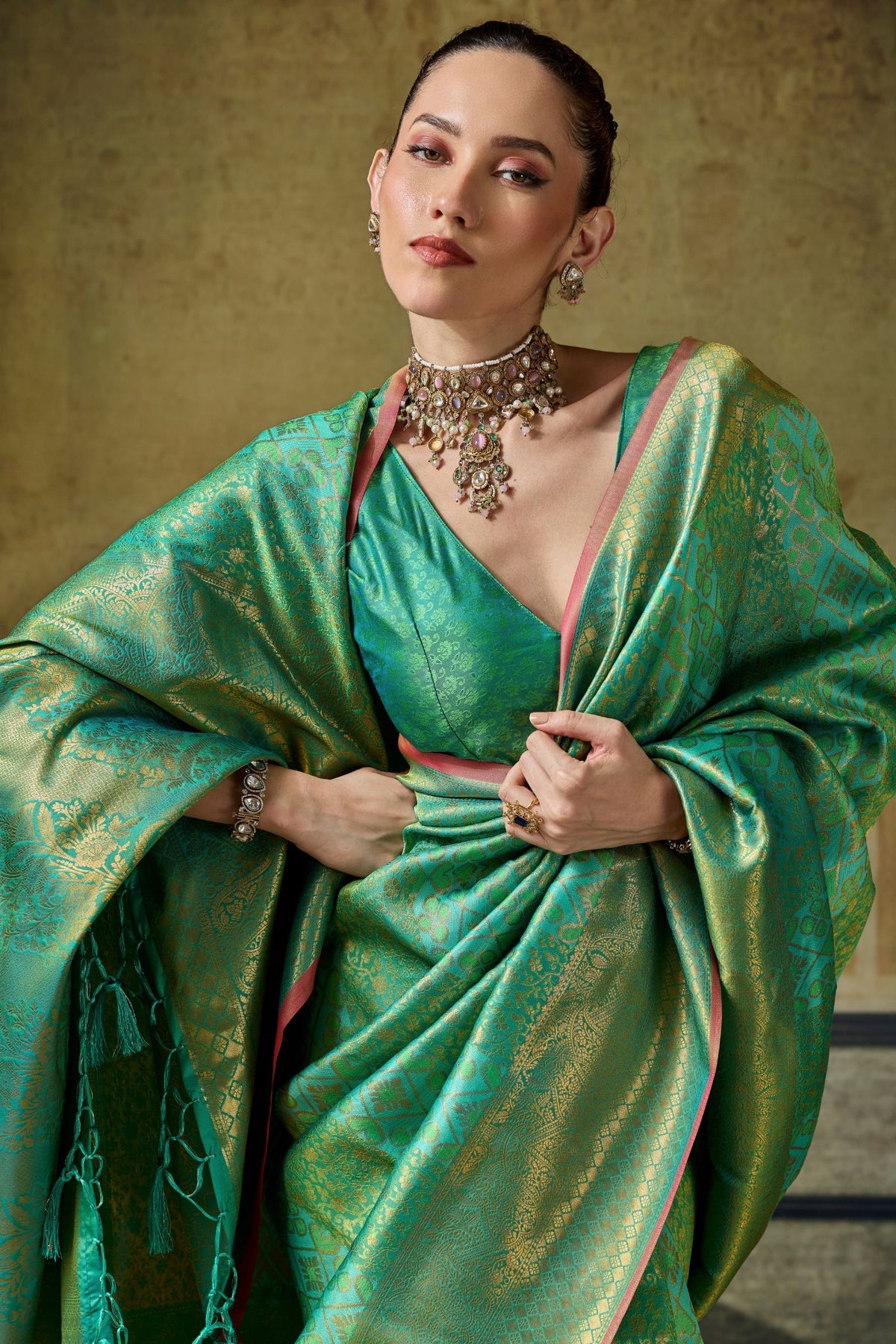
Leaf Green Kanjivaram Handloom Saree
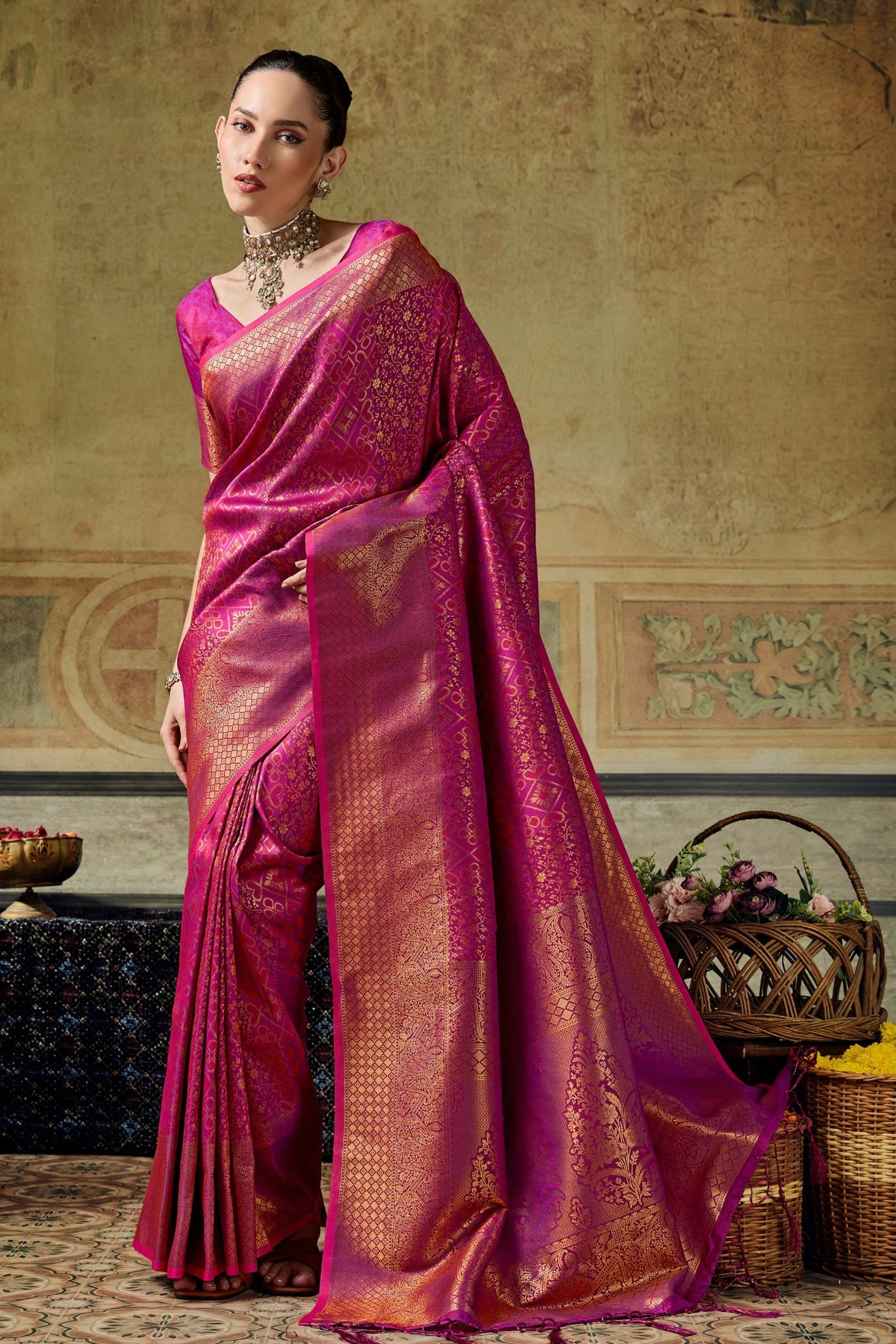
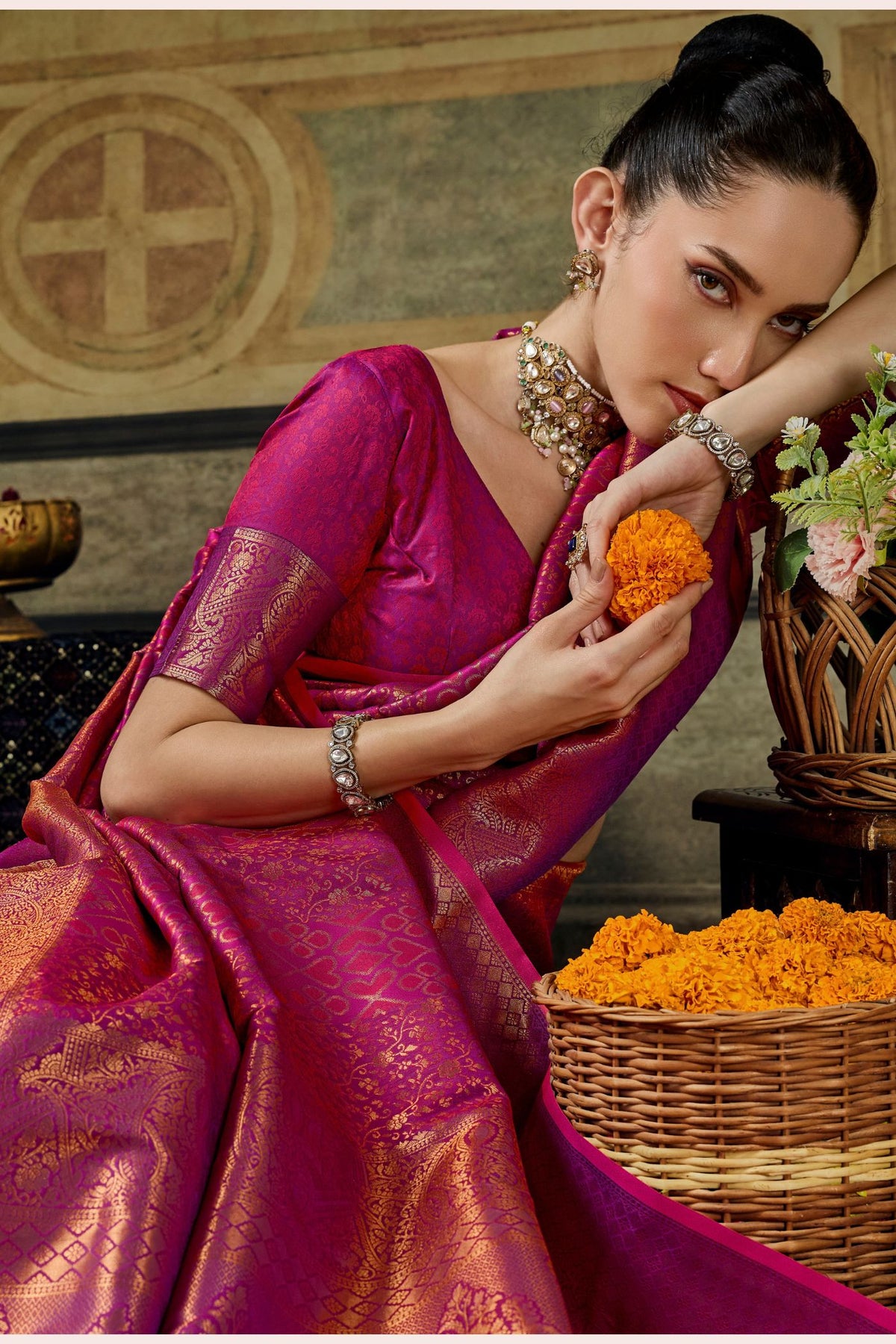
Berry Purple Kanjivaram Handloom Saree
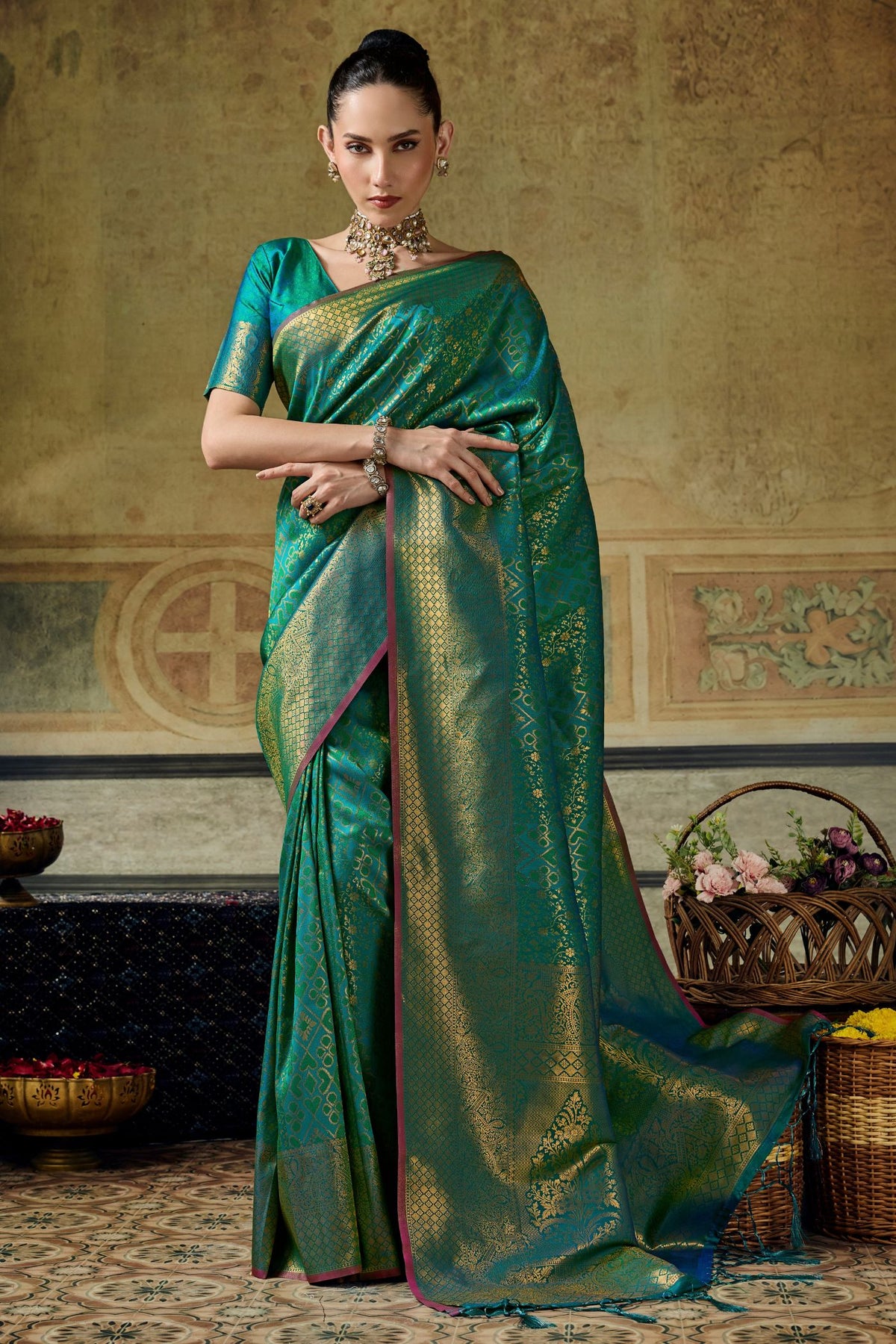
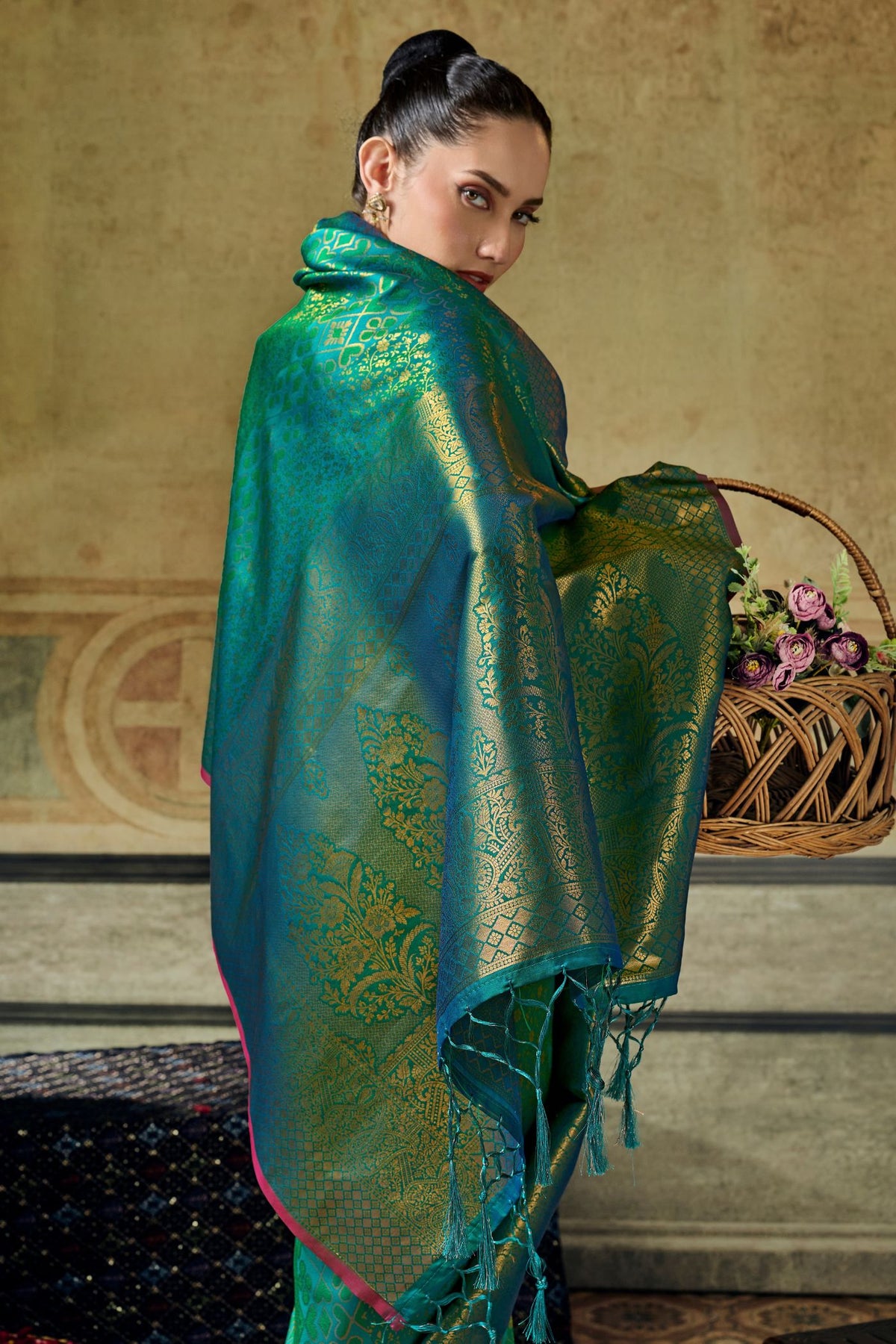
Forest Green Kanjivaram Handloom Saree
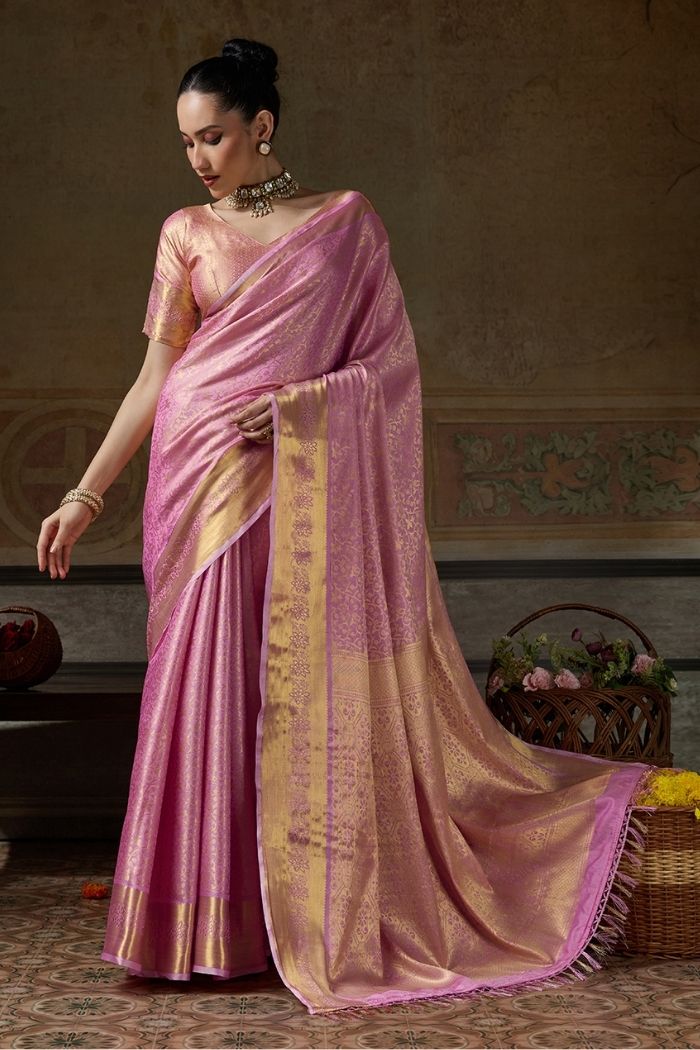
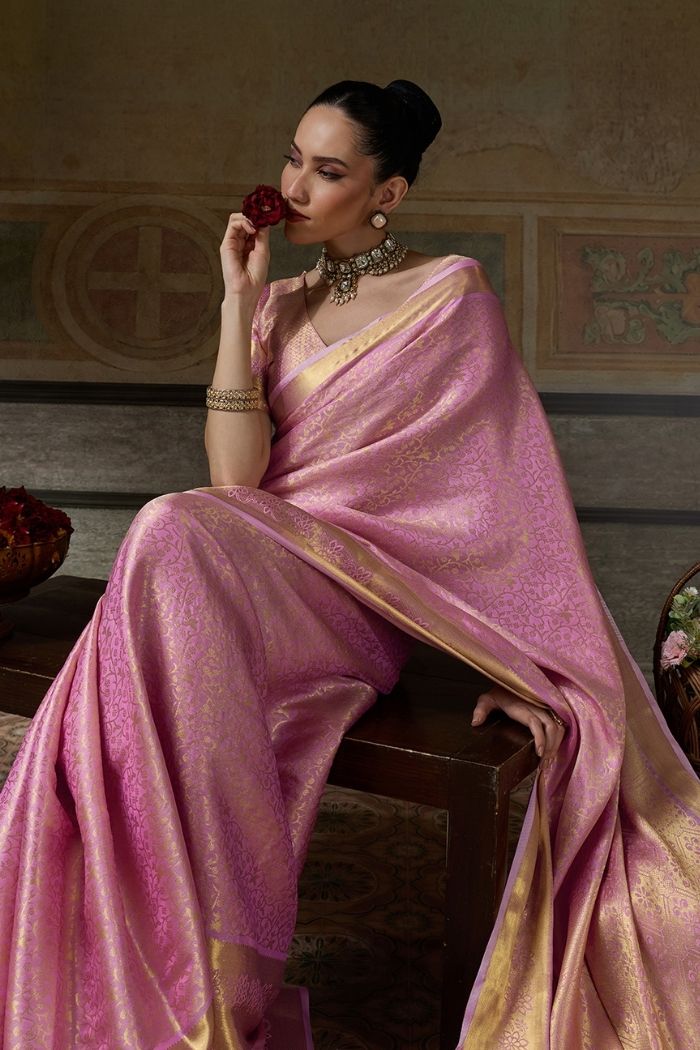
Dusty Rose Pink Woven Kanjivaram Saree
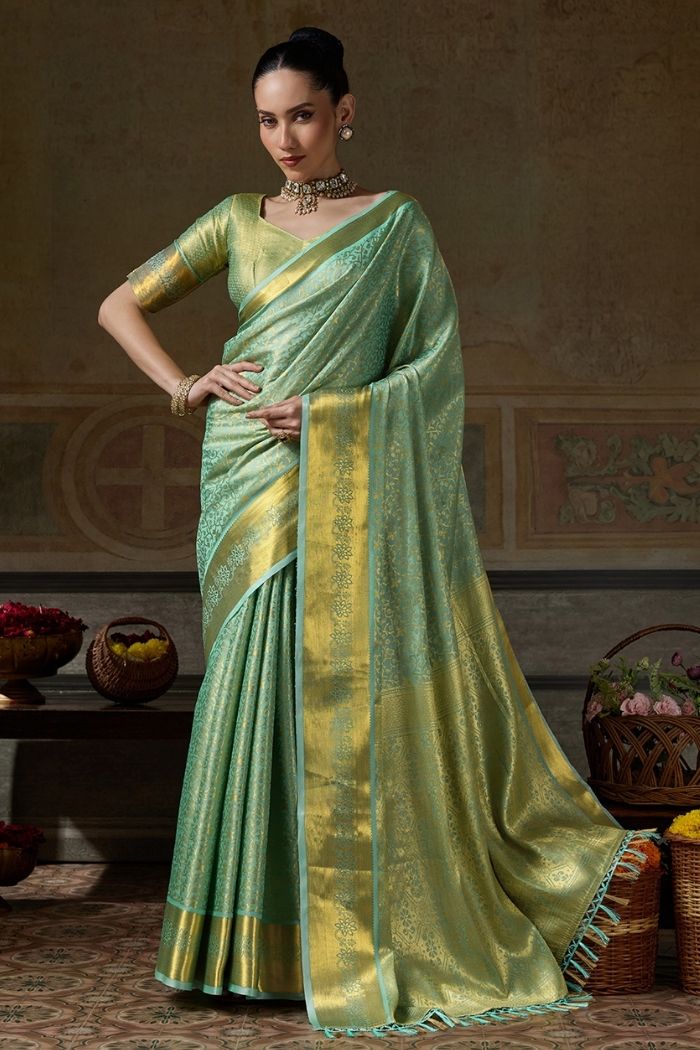
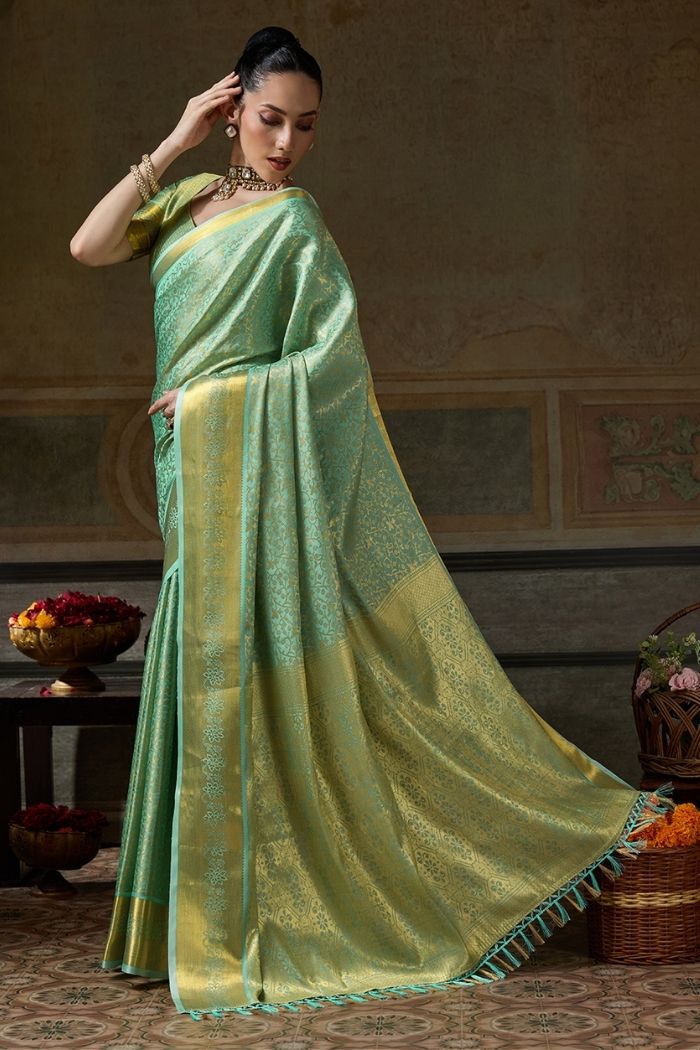
Pistachio Green Woven Kanjivaram Saree
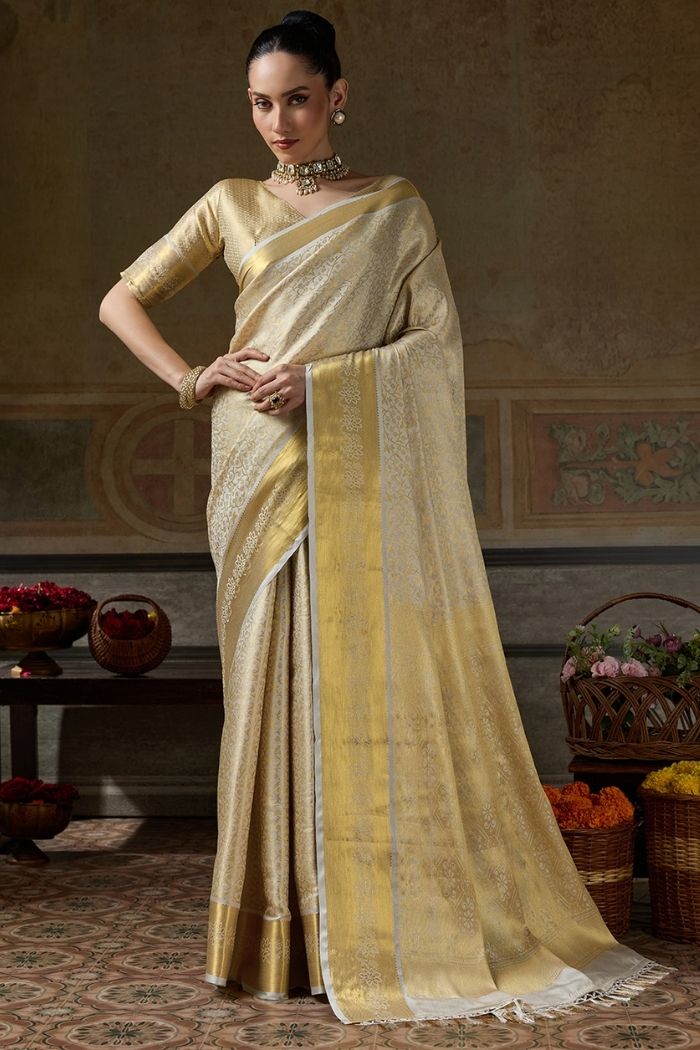
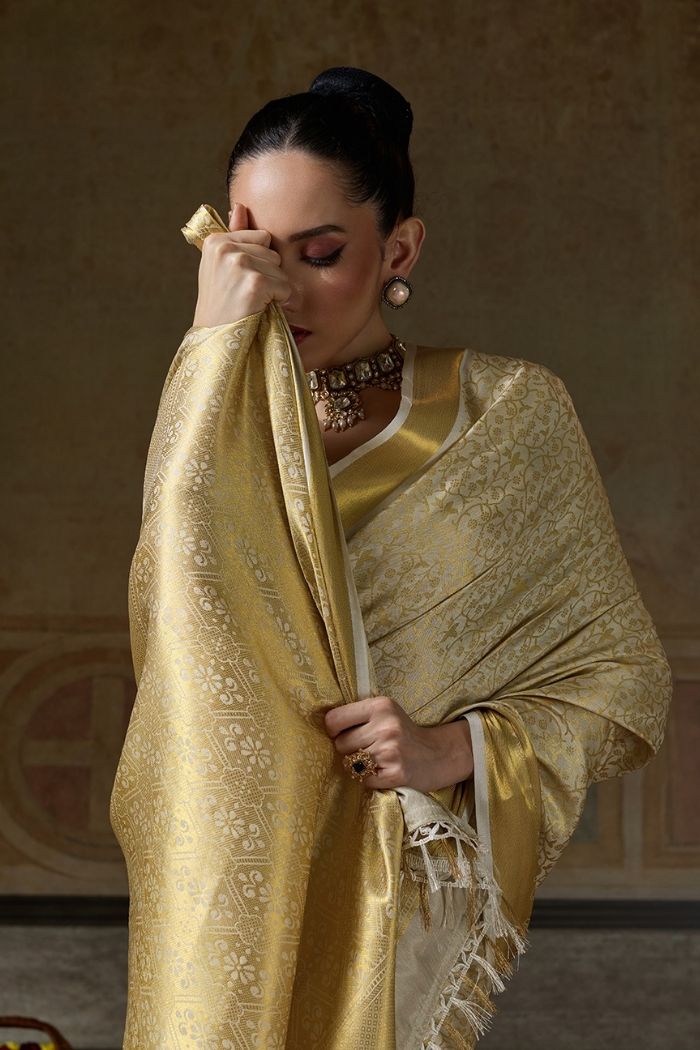
Milk White Woven Kanjivaram Saree
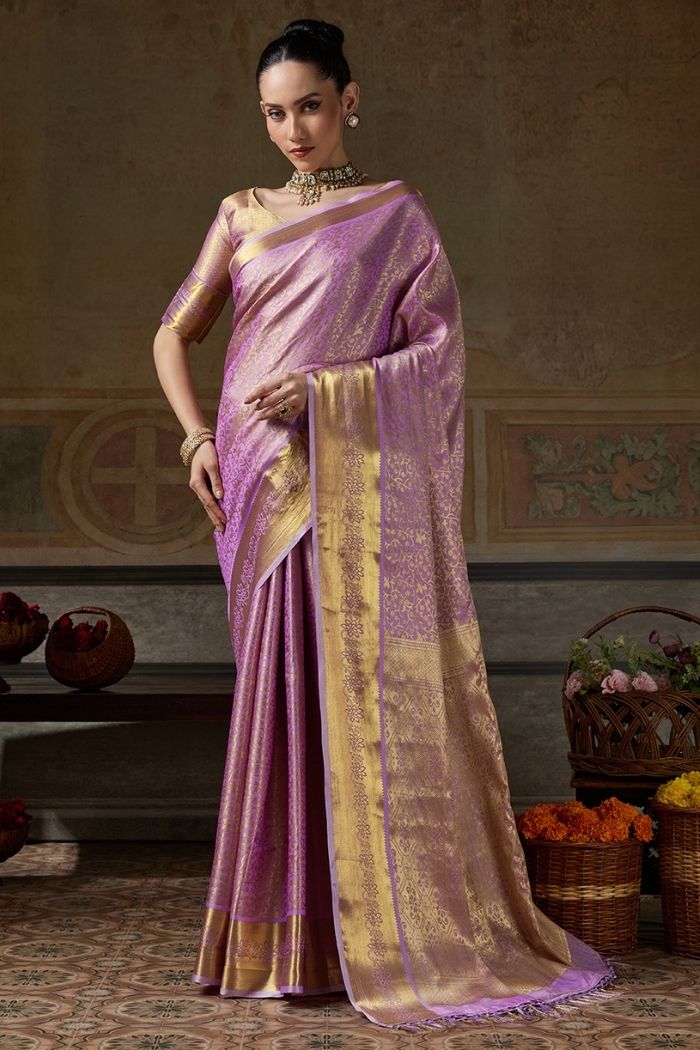
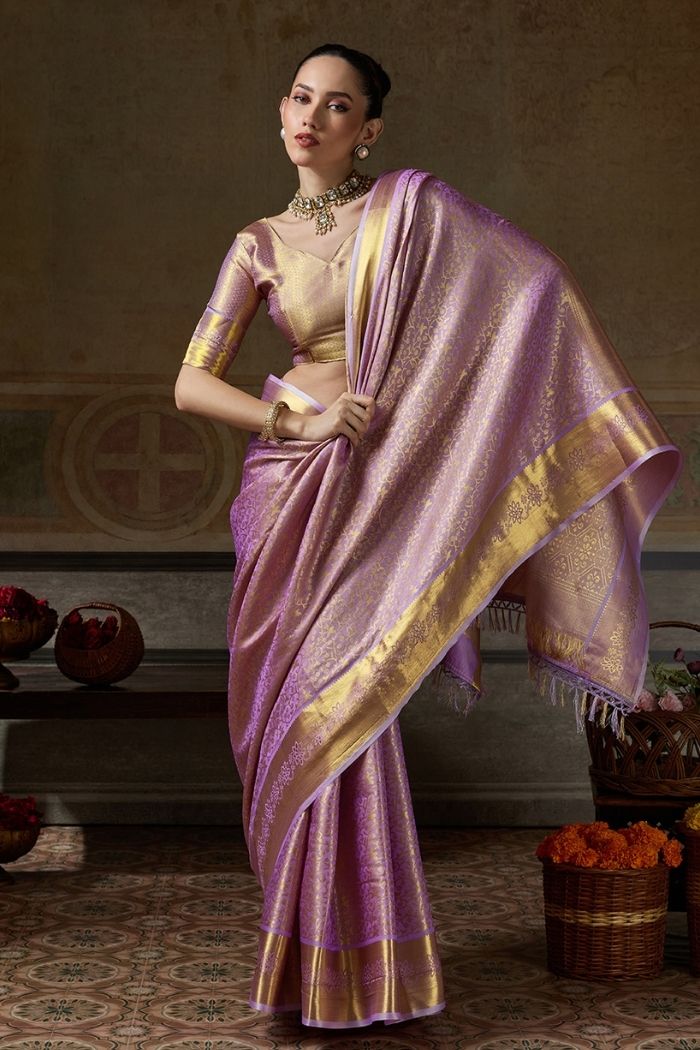
Aubergine Purple Woven Kanjivaram Saree
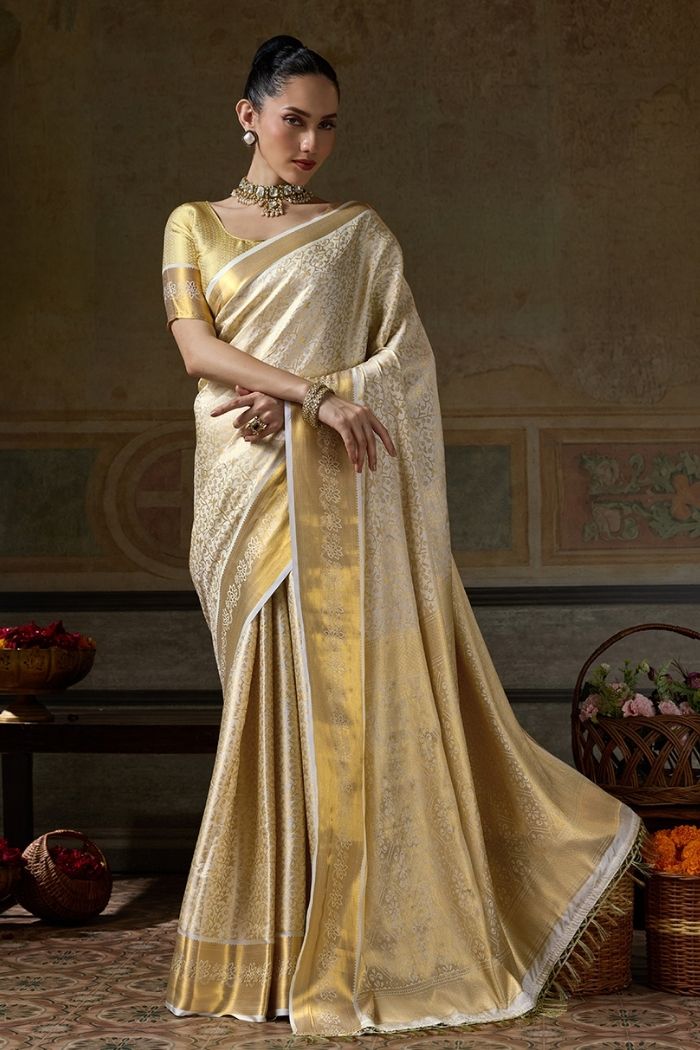
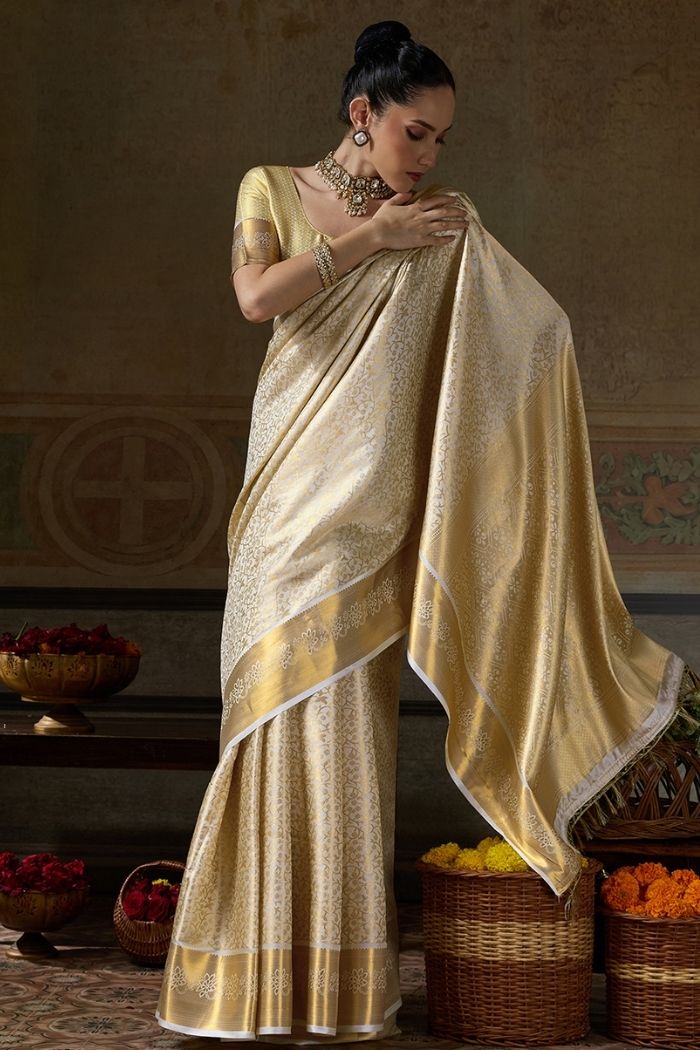
Oyster White Woven Kanjivaram Saree
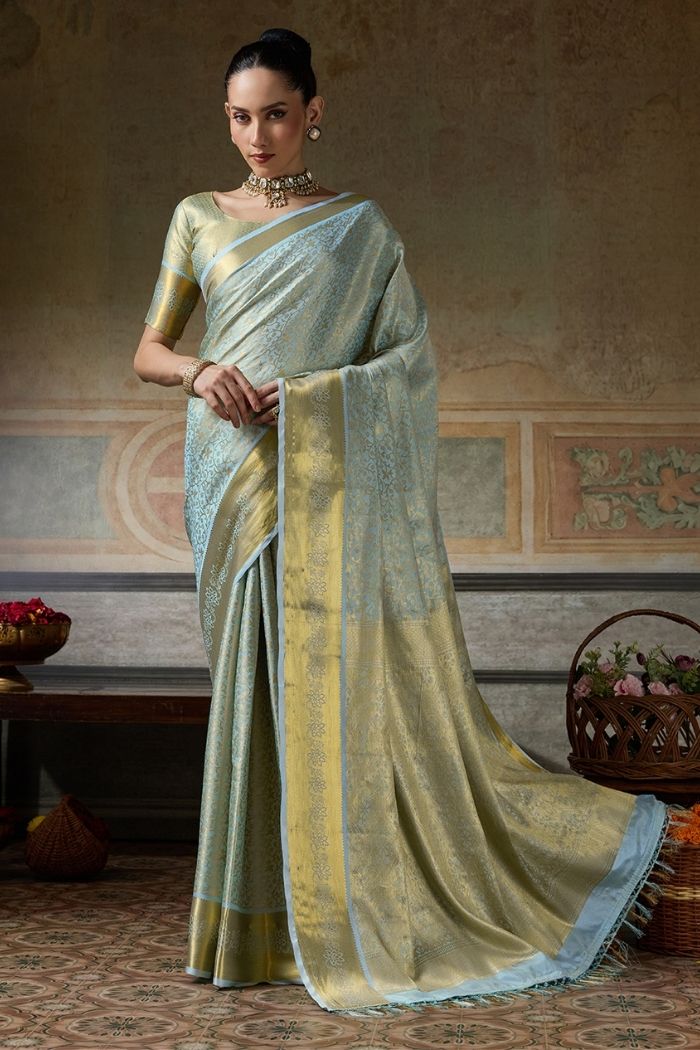
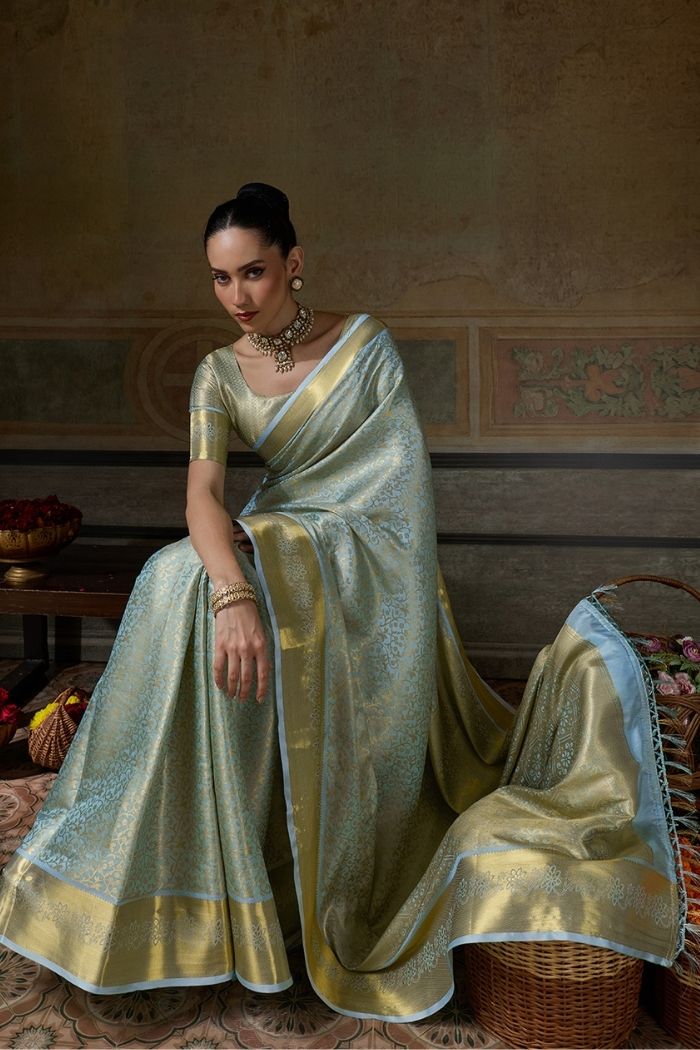
Dusty Blue Woven Kanjivaram Saree
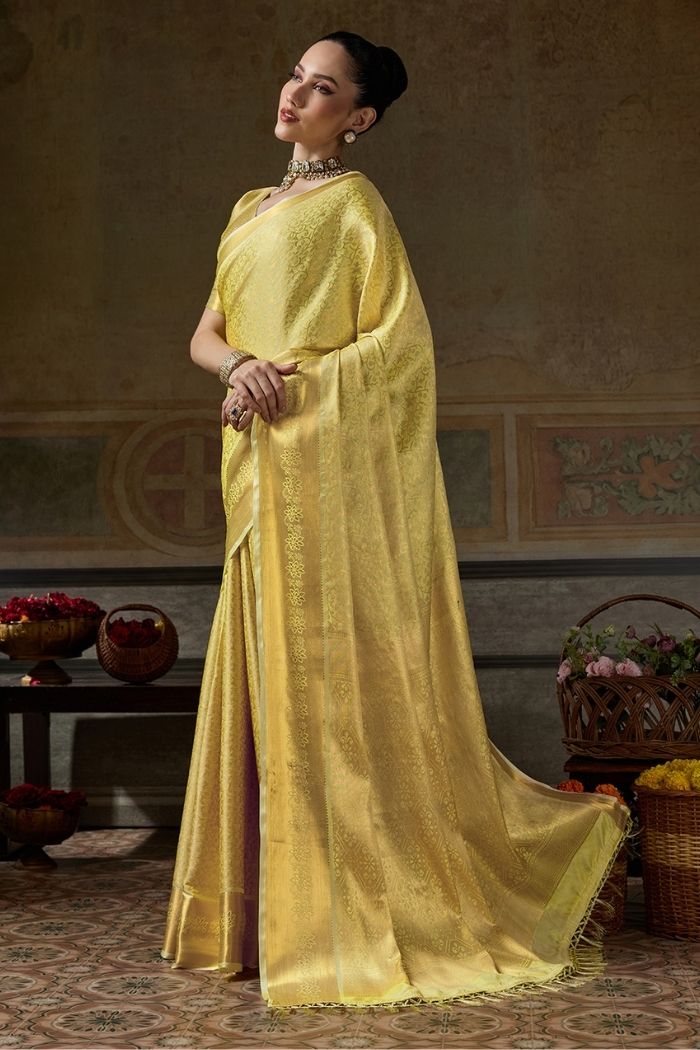
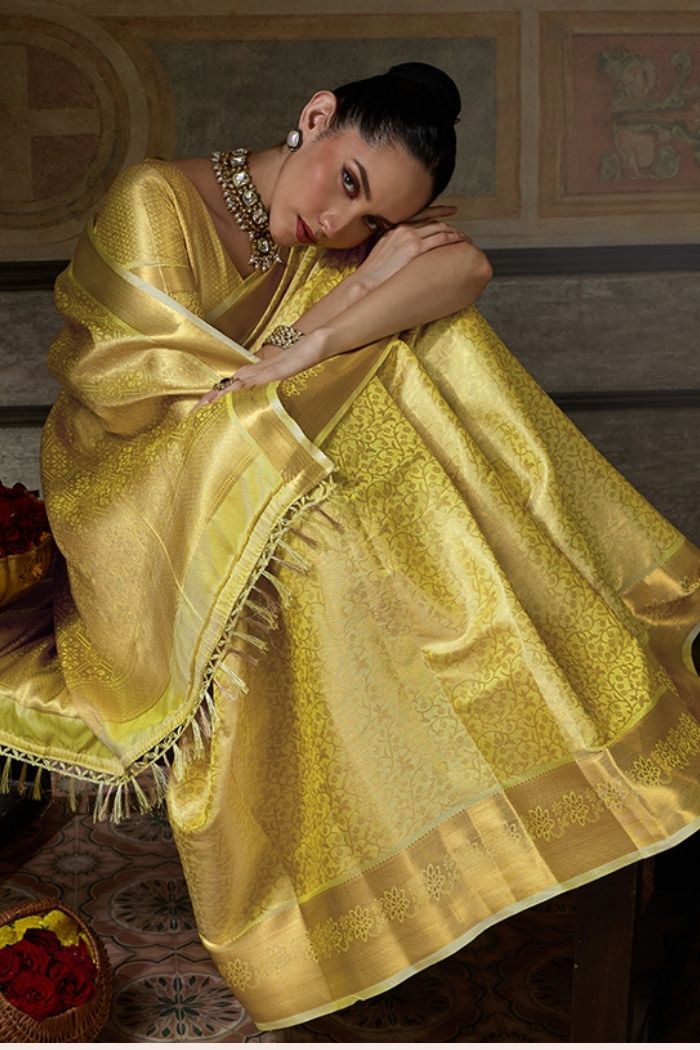
Ochre Yellow Woven Kanjivaram Saree
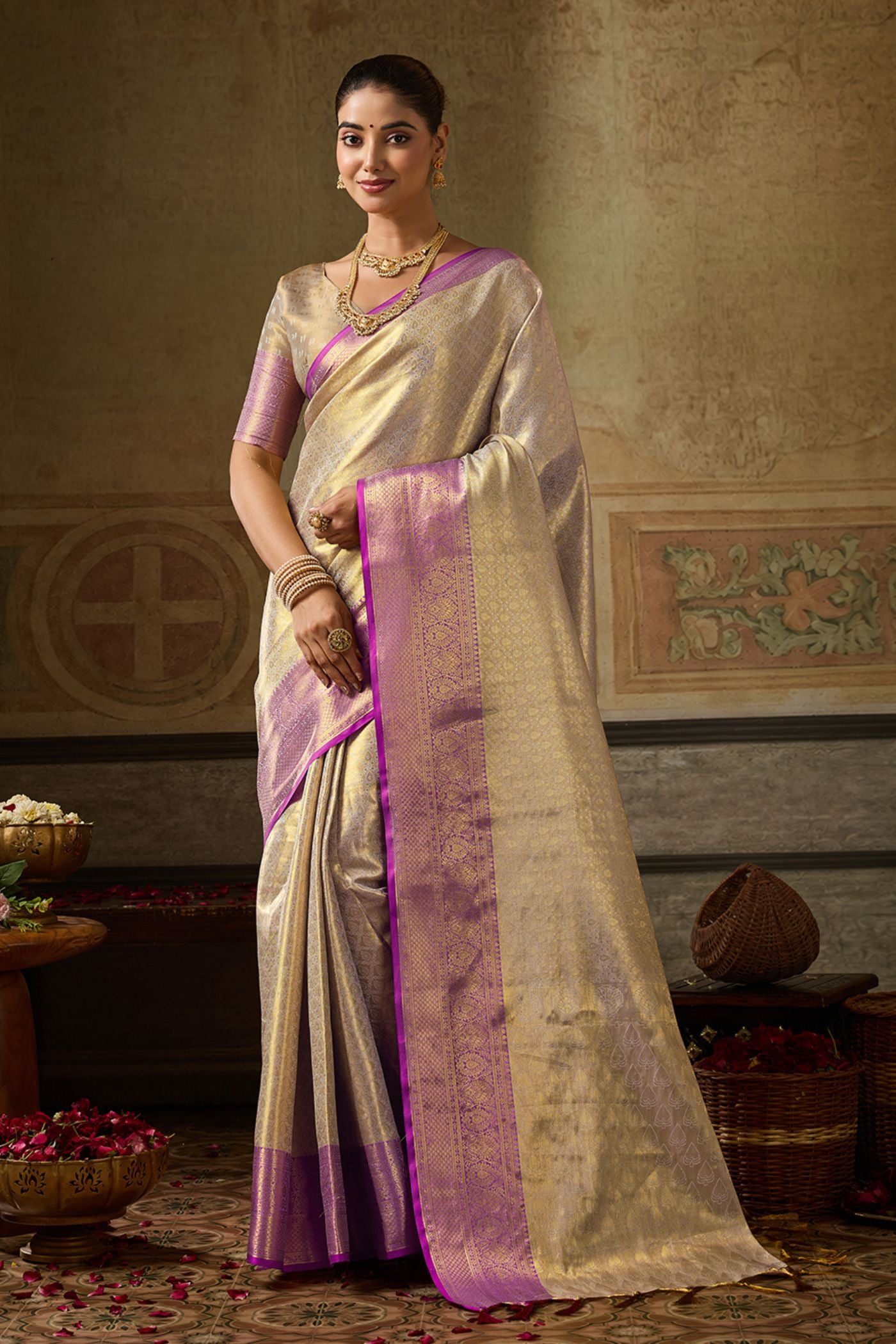
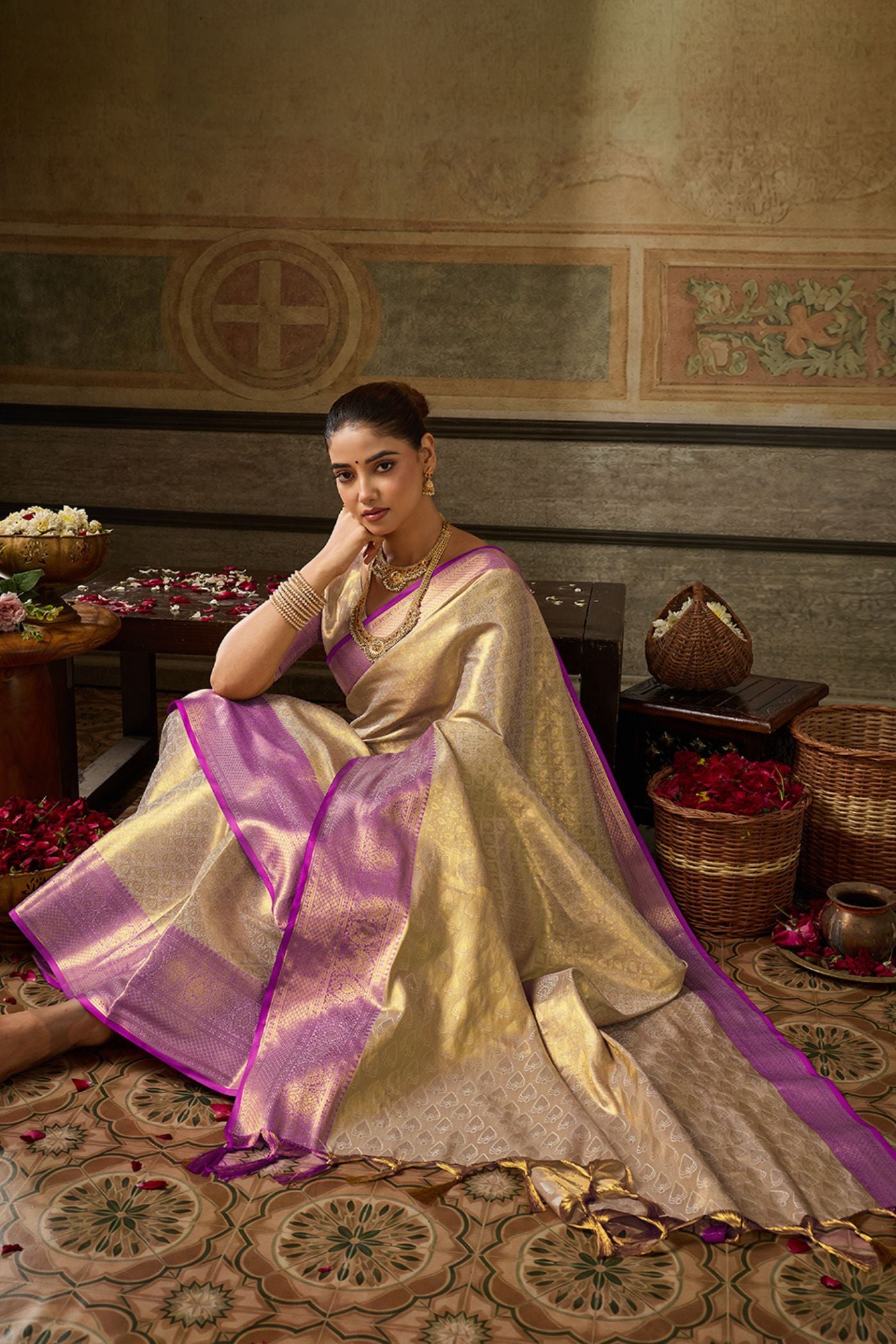
Porcelain Cream Woven Kanjivaram Saree
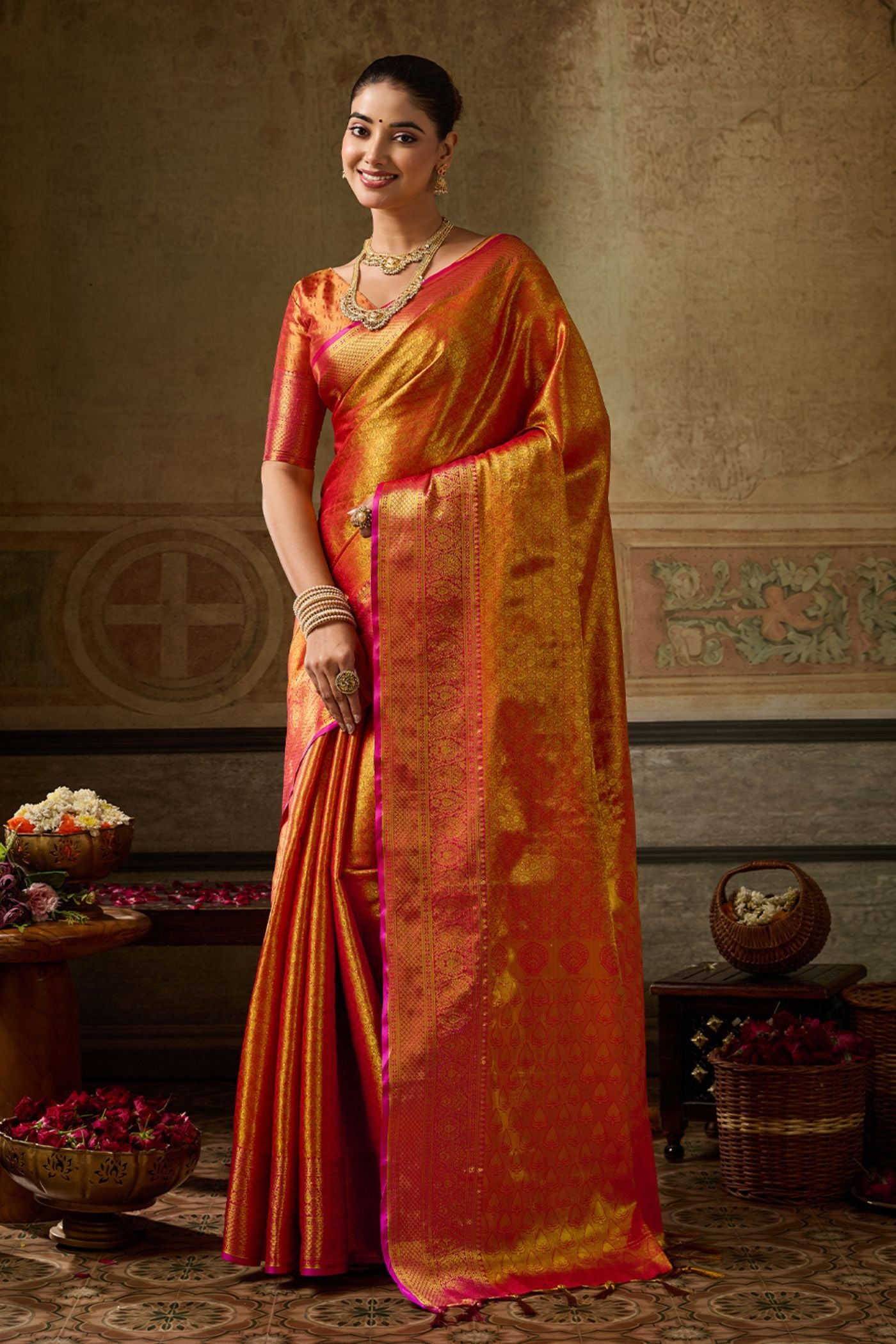
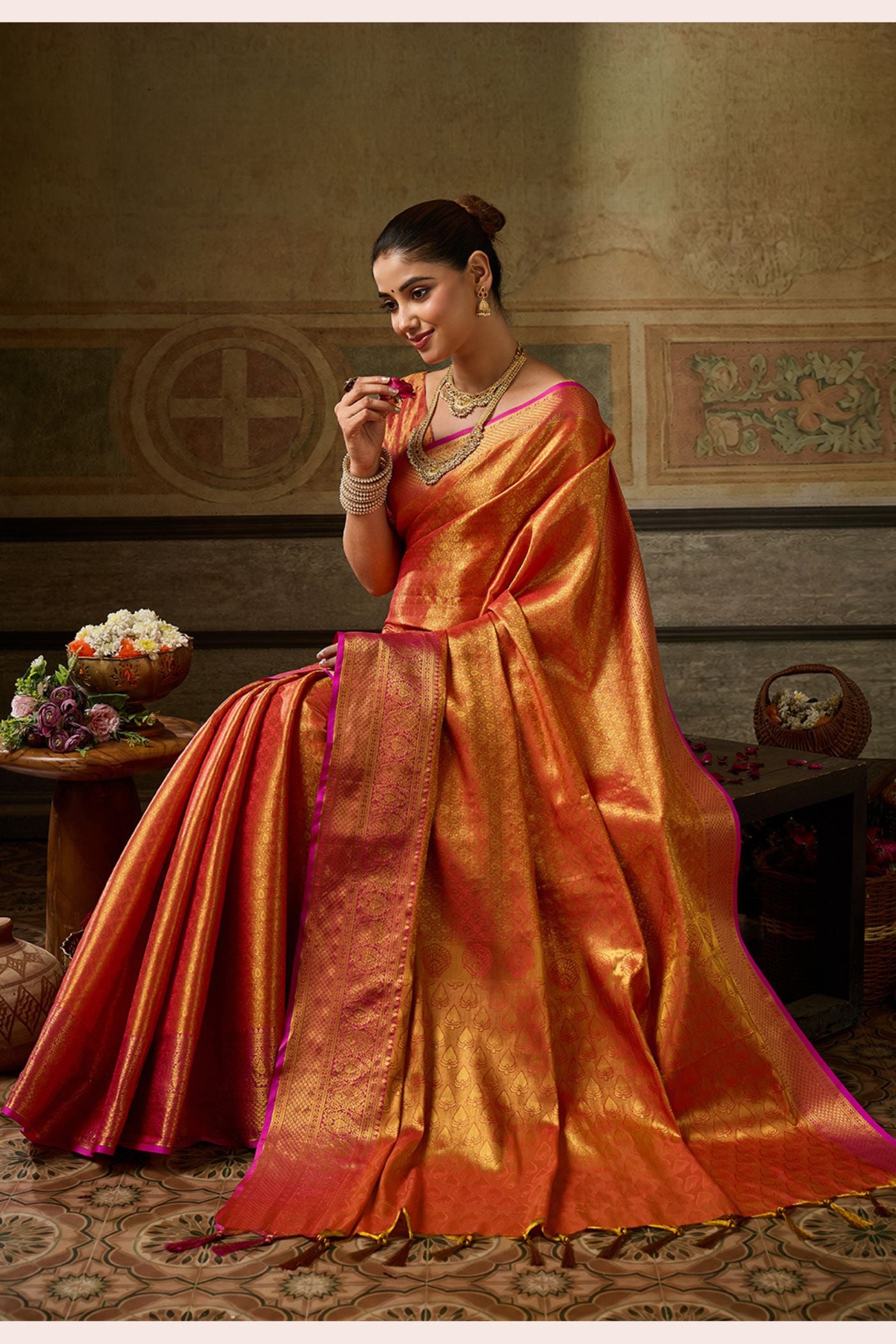
Papaya Orange Woven Kanjivaram Saree
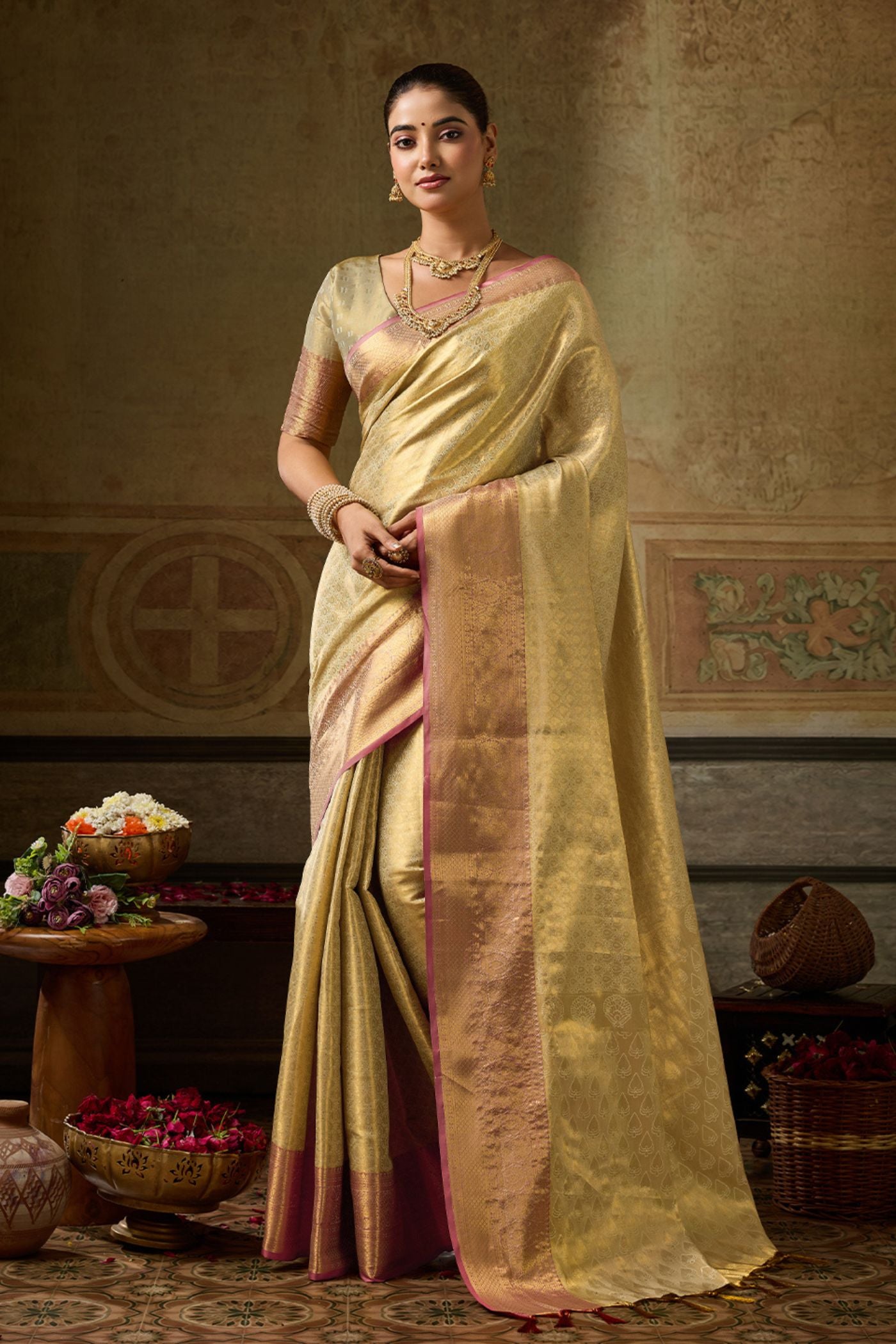
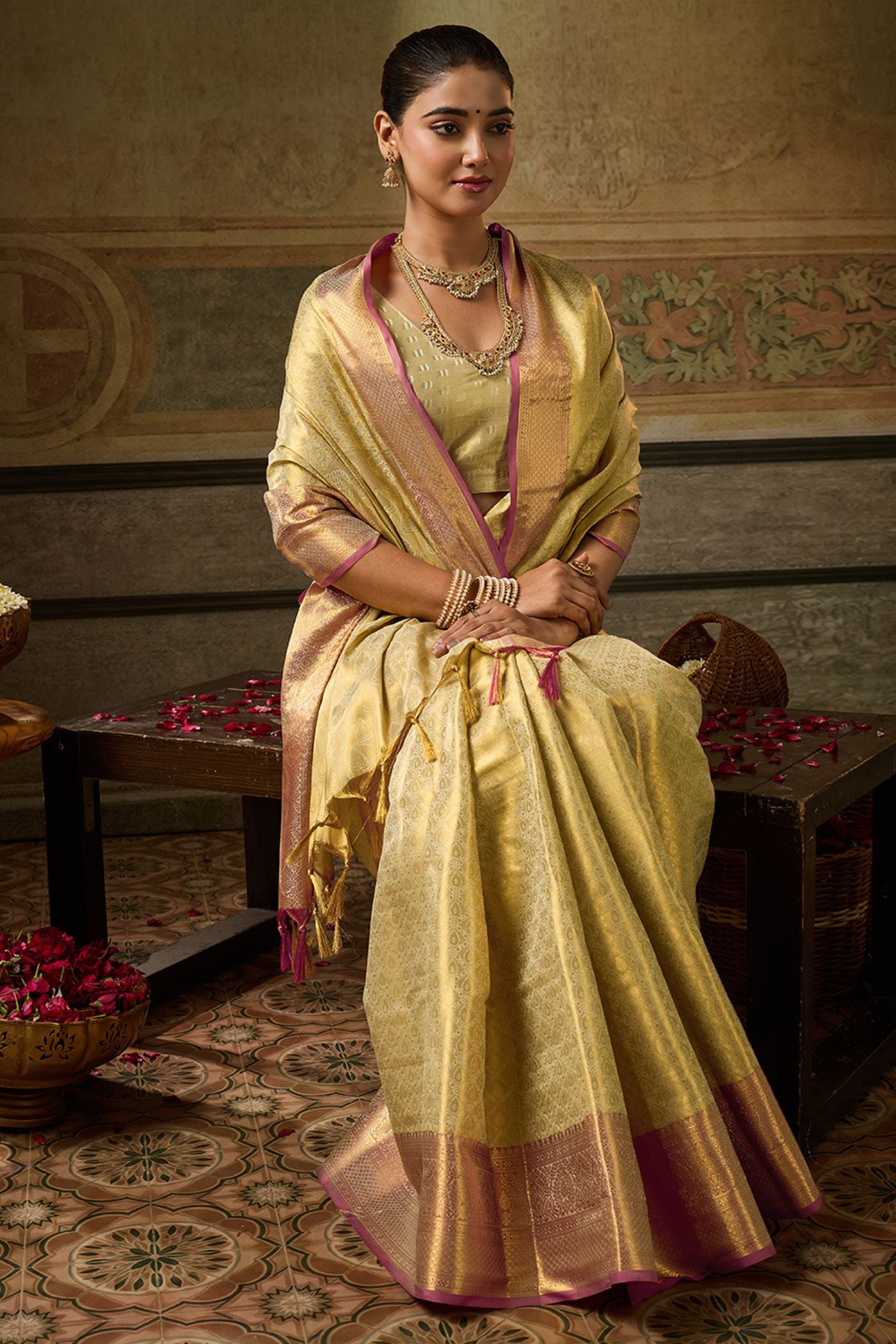
Frosted Cream Woven Kanjivaram Saree
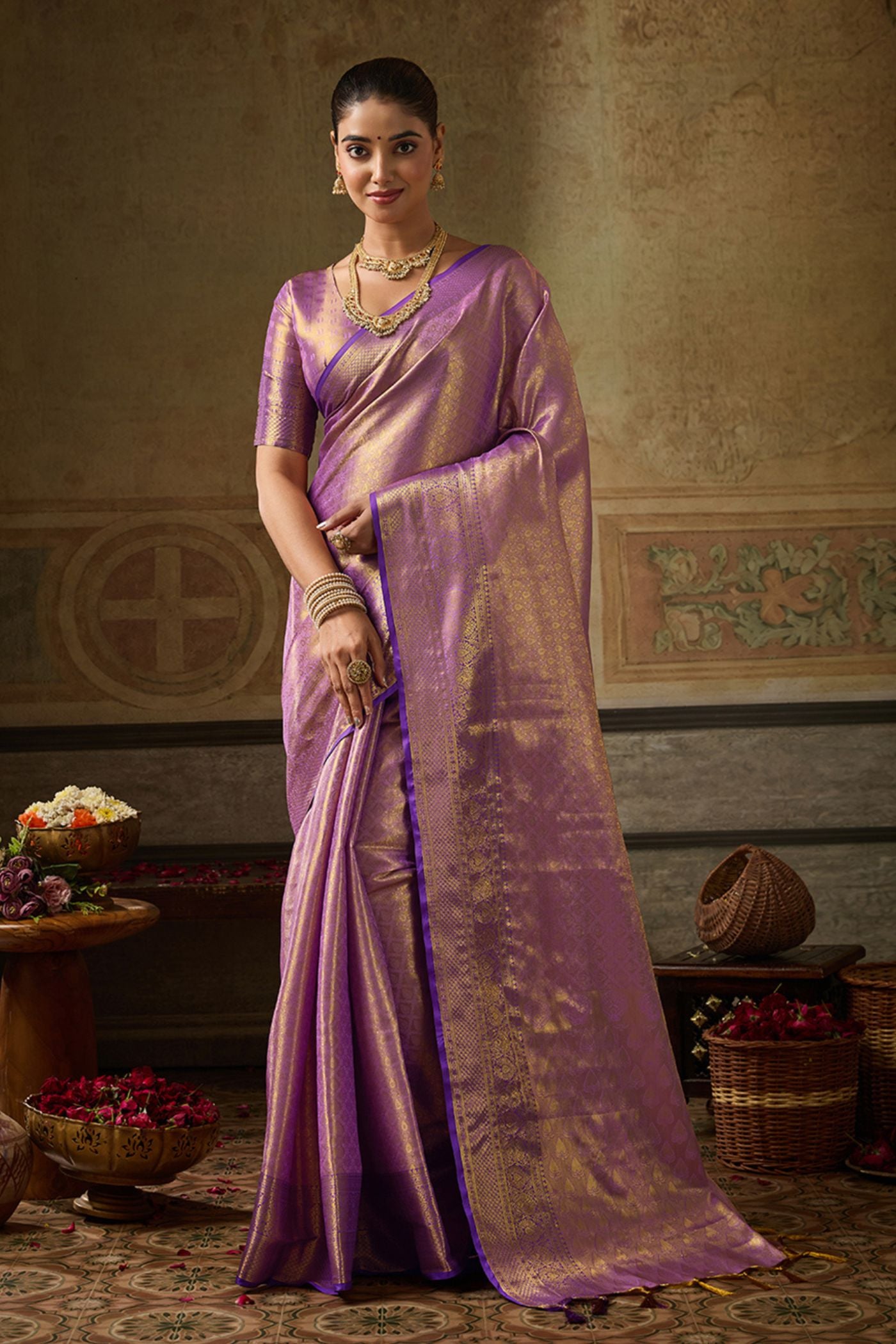
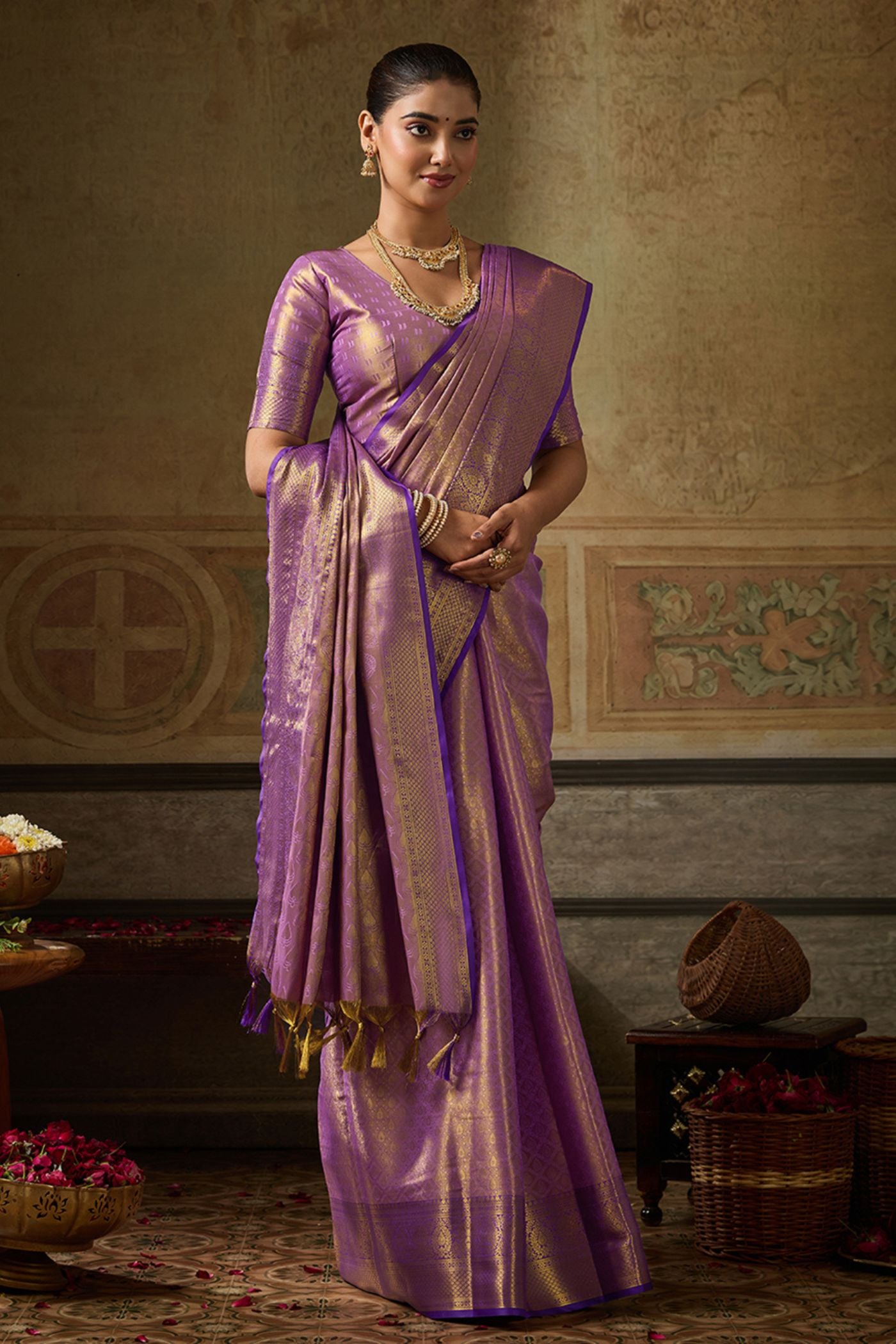
Heather Purple Woven Kanjivaram Saree
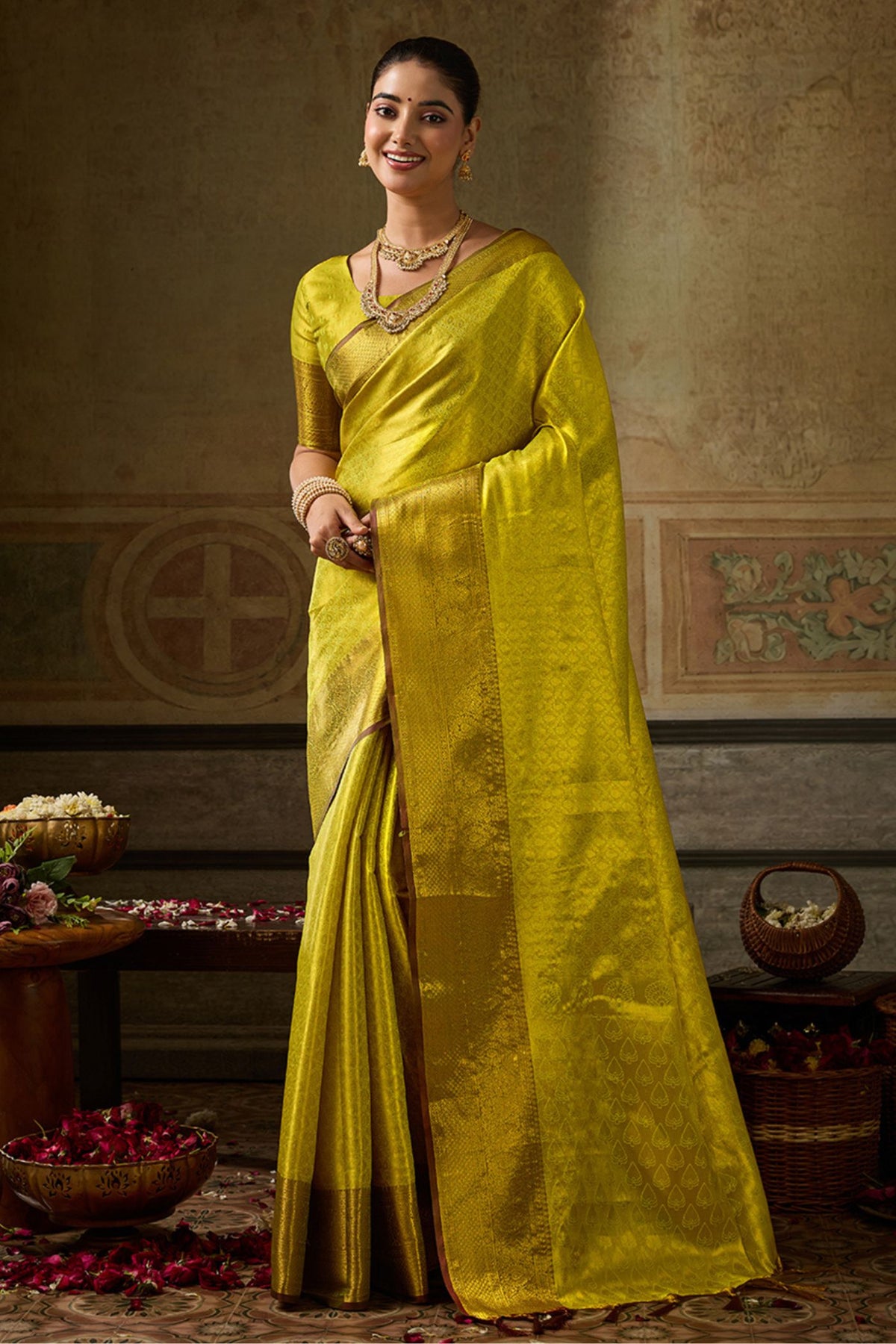
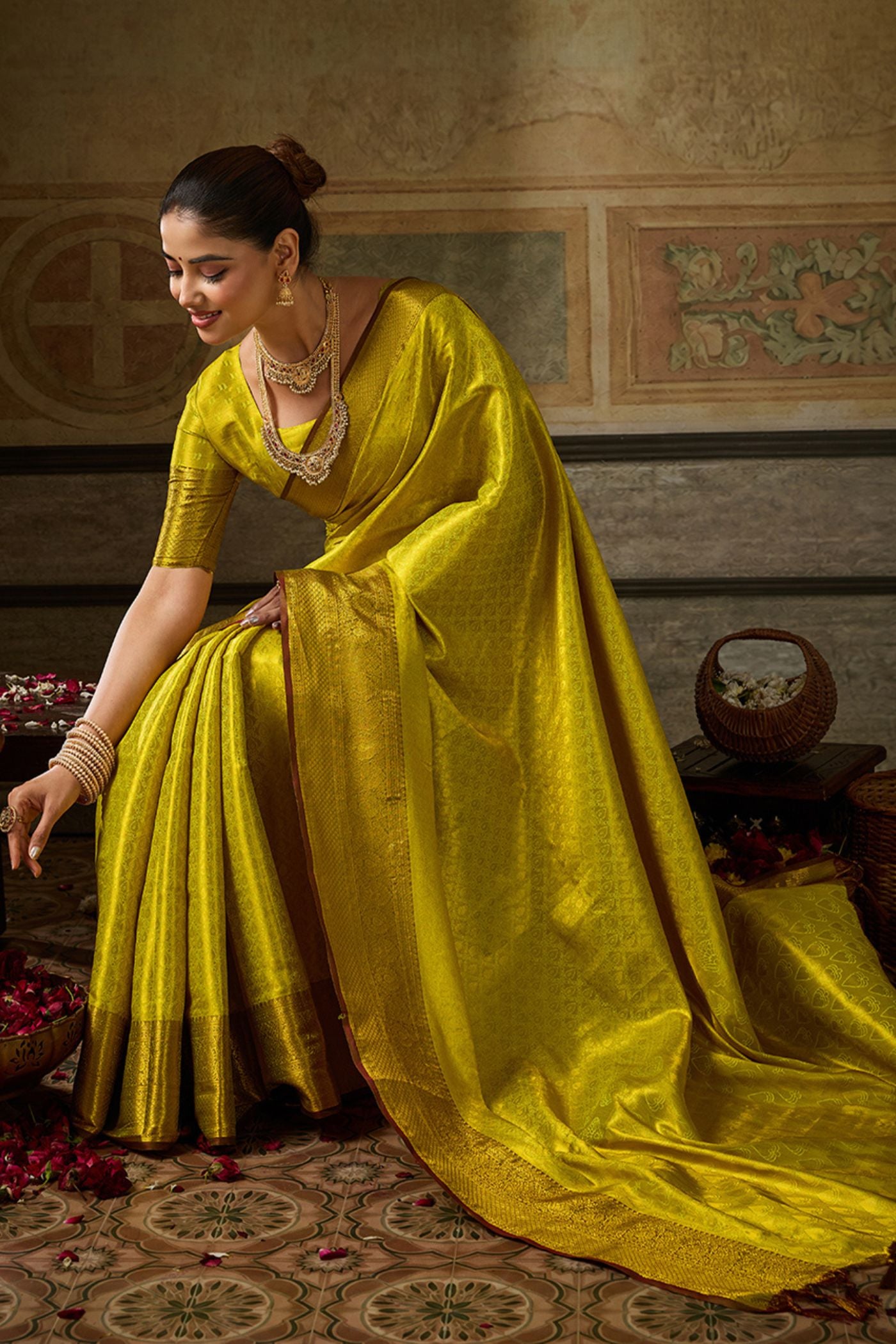
Maize Green Woven Kanjivaram Saree
Frequently Asked Questions — Pattu Sarees
What is a pattu saree, and is it the same as a Kanjivaram?
Pattu simply means silk in Tamil and Telugu, so a pattu saree is a South Indian silk saree rather than one single weave. Kanjivaram is the most famous pattu, but Arani, Dharmavaram, soft silk and other South silks are pattu too — every Kanjivaram is a pattu, yet not every pattu is a Kanjivaram. When you want to check what you are holding, look at the weave rather than the label: a pure mulberry-silk pattu has a soft natural sheen that shifts colour as the light moves, the zari is woven in rather than printed, and scraping a thread of zari reveals a reddish or silver core instead of a white synthetic one. Genuine pure-silk pieces also carry a Silk Mark, and Kanjivaram specifically carries a GI tag. At MySilkLove our pattu collection spans a range of South Indian silk and silk-blend weaves — every listing states its fabric, so a blend is always described as a blend, and our team can talk you through any piece on WhatsApp.
Why do pattu saree prices vary so much, and what does one cost at MySilkLove?
Four things drive the price of a pattu saree: the silk itself (pure mulberry silk costs far more than a silk blend), the zari (pure silver or gold zari versus tested or copper-core zari), the density and intricacy of the motifs, and the loom time — a simple design may take a fortnight while a heavy bridal weave can take months. In the wider market, handloom pure-silk pattu sarees generally start around ₹8,000–10,000 and bridal pieces with real zari climb well beyond ₹50,000. At MySilkLove, the pattu sarees currently in stock are mostly listed between about ₹3,500 and ₹7,000 — an entry-to-mid band made up of honestly labelled silk-blend, satin-silk and handloom-labelled weaves, which is why it sits well below the pure-silk bridal market. Every listing states its fabric plainly, so a blend is always described as a blend. Those are regular list prices; seasonal offers apply automatically at checkout and often bring the amount you pay lower. Cash on delivery is available, and our team can match your budget to the right piece over WhatsApp.
How should I care for and store a pattu silk saree?
Silk rewards patience. Dry cleaning is the safest choice for any pattu with zari work, and you do not need to do it after every wear — once every two or three wears, or when there is a visible mark, is plenty. Never machine wash or wring a pattu, and never soak it in hot water, which dulls the sheen and can bleed the dye. When ironing, always press on the reverse side at a low setting with a thin cotton cloth between the iron and the fabric, so direct heat never blackens the zari. For storage, wrap the saree in soft cotton or muslin rather than plastic — silk needs to breathe, and trapped moisture tarnishes zari. Keep it in a cool, dark cupboard, tuck in a few neem leaves or cloves instead of chemical mothballs, and refold along a different line every three to four months so permanent creases never weaken the silk. Every pattu from MySilkLove ships with care guidance, and our team is happy to advise on a specific piece over WhatsApp.
Which occasions suit a pattu saree, and how do I style one?
A pattu saree is the traditional South Indian choice for weddings, temple visits, housewarmings, naming ceremonies and milestone family functions, and lighter soft-silk pattus work beautifully for daytime receptions and festive office wear. Styling comes down to weight. A heavier zari-woven pattu holds a crisp Nivi drape: make neat, even pleats, let the pallu fall full length so the border work shows, and use a waist belt to carry the weight through a long function. Pair it with a woven or zari-worked blouse in a colour drawn from the border, temple or antique-gold jewellery, and fresh flowers or a sleek bun. A lighter soft-silk pattu suits a fluid drape, a contrast blouse and a single statement piece of jewellery. A reliable rule: echo the border colour in the blouse and let the body and pallu lead. Many pattu sarees at MySilkLove include a matching blouse piece, and our team can suggest a drape and pairing for your saree over WhatsApp.
How heavy is a pattu saree, and will it be comfortable to wear for a full function?
Weight is the single biggest comfort factor in a pattu, and it varies far more than most people expect. A traditional pure-silk pattu with dense zari and a wide contrast border usually sits somewhere between about 600 and 900 grams, and a grand bridal weave with heavy zari can cross a kilogram — magnificent to look at, but tiring across a long day. Lighter South silks sit well below that: soft silk, Arani and Mysore-style pattus, and tissue or silk-blend weaves drape easily and stay comfortable for hours. Weight should come from genuine silk density and real zari, never from filler thread, so heavier does not automatically mean better — a light saree can be entirely pure, and a poor one can be padded to feel substantial. A practical rule is to choose a heavier pattu for the main ceremony, where you are largely seated, and a lighter soft-silk pattu for daytime events, travel and warm weather. Tell our team on WhatsApp which occasion you are dressing for and they will confirm the weight and hand-feel of a specific piece before you order.
Is a pattu saree a good gift, and how do I choose one for someone else?
A pattu is one of the most meaningful sarees you can give in a South Indian family. Silk has long been part of wedding gifting for the bride, her mother and close relatives, and a pattu also marks life's milestones well — a new home, an anniversary, a sixtieth birthday — because it is worn again and again and often kept for years. Choosing well comes down to three things. First, how the recipient dresses: a heavier zari-bordered pattu suits someone who attends many ceremonies, while a lighter soft-silk pattu is easier to wear often. Second, colour: classic contrasts such as red with green, magenta with gold or mustard with maroon are safe choices for a traditional wearer, and softer pastels suit a younger or more minimal taste. Third, practicality: a saree needs no sizing, but check whether a blouse piece is included and leave it unstitched so it can be tailored to fit — under our returns policy, a saree ordered with blouse stitching, fall or pico work cannot be returned or exchanged. Every MySilkLove pattu states its fabric honestly, so a blend is described as a blend, and our team can help you choose a piece and colour over WhatsApp.
Kanjivaram, Arani, Dharmavaram or soft silk — which kind of pattu saree should I choose?
Because pattu covers several South Indian silk traditions, the right choice depends on how you plan to wear the saree. Kanjivaram, woven in Kanchipuram, is the classic ceremonial choice: a firm, substantial fabric with a contrast border and a pallu joined to the body, best for weddings and major functions. Arani silk is lighter and softer, usually with a fluid fall that suits daytime functions and regular festive wear. Dharmavaram, from Andhra Pradesh, is known for broad, bold borders and rich pallus, and works well when you want colour and presence without the heaviest weight. Soft silk is the easiest to live with — light, smooth and gentle on pleats — and is a sensible first pattu for someone who will wear it often. As a simple guide, choose Kanjivaram for the one grand occasion, soft silk or Arani for repeated wear, and Dharmavaram when a bold border is the priority. Whichever you pick, read the fabric line on the listing, since a blend is always described as a blend at MySilkLove, and ask our team on WhatsApp to confirm the weight and hand-feel of a specific piece.