
Cotton Sarees | Buy Pure Cotton Sarees Online
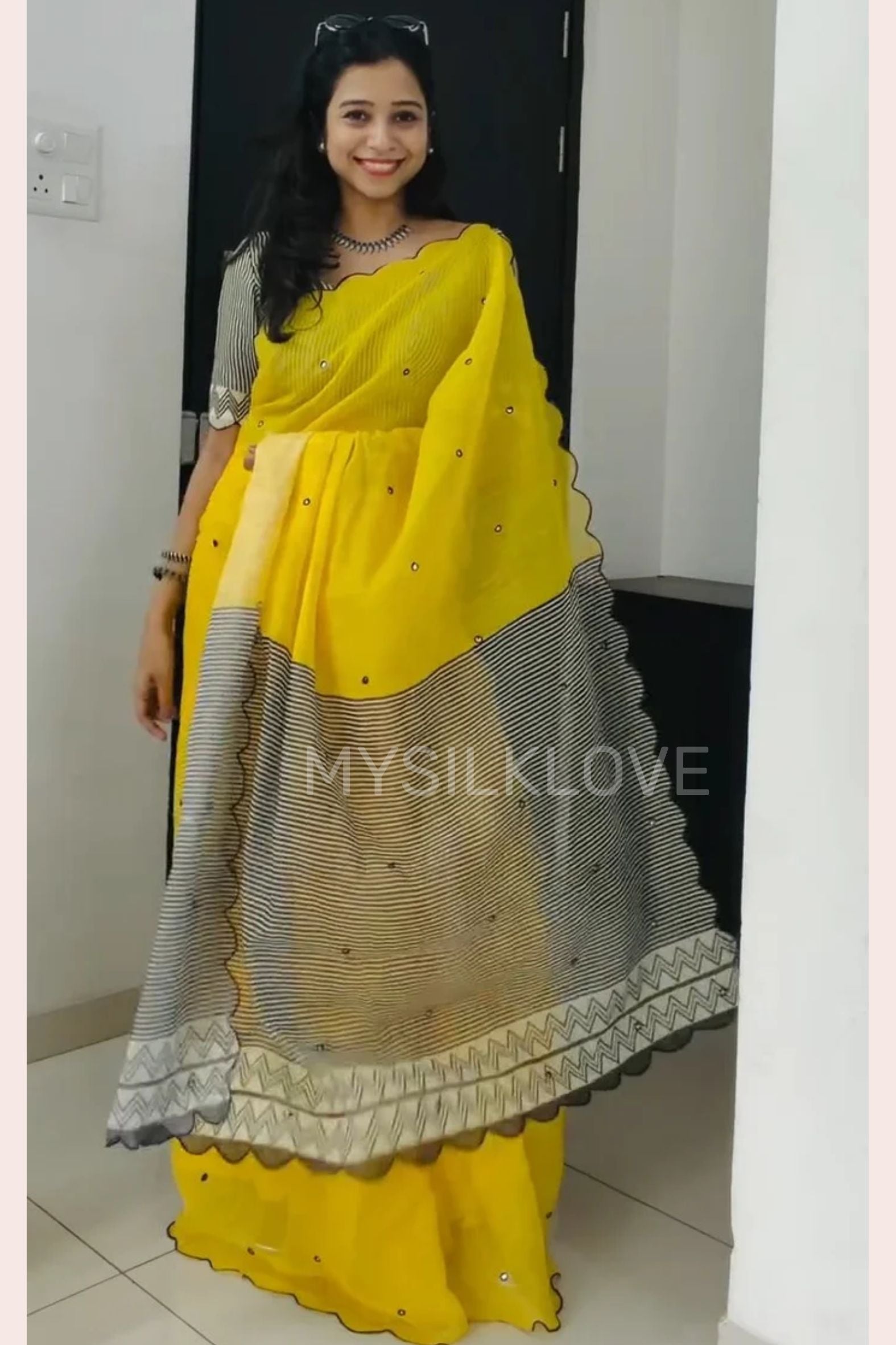
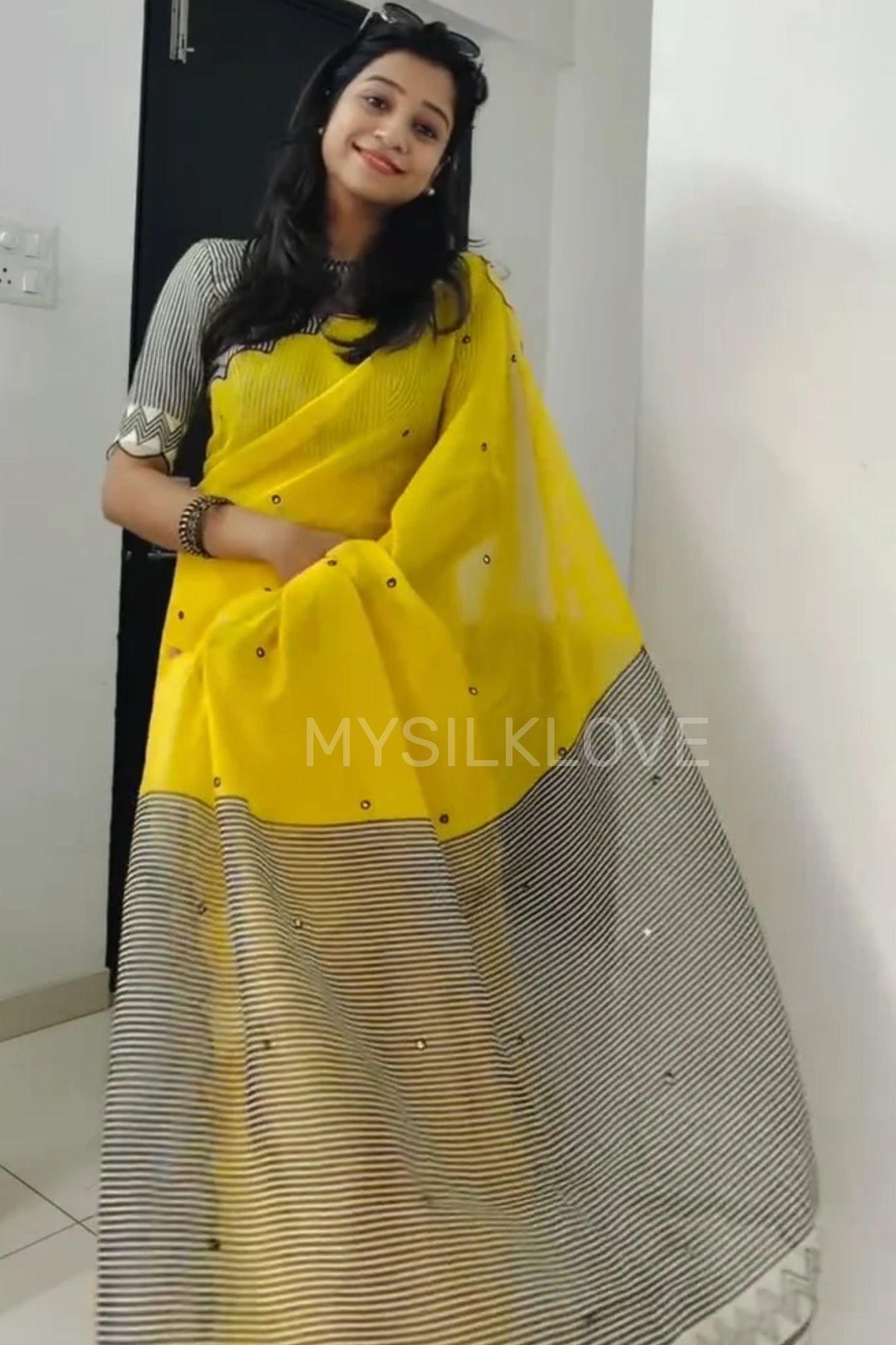
Sushi Yellow Linen Cotton Digital Printed Saree Wthout Blouse
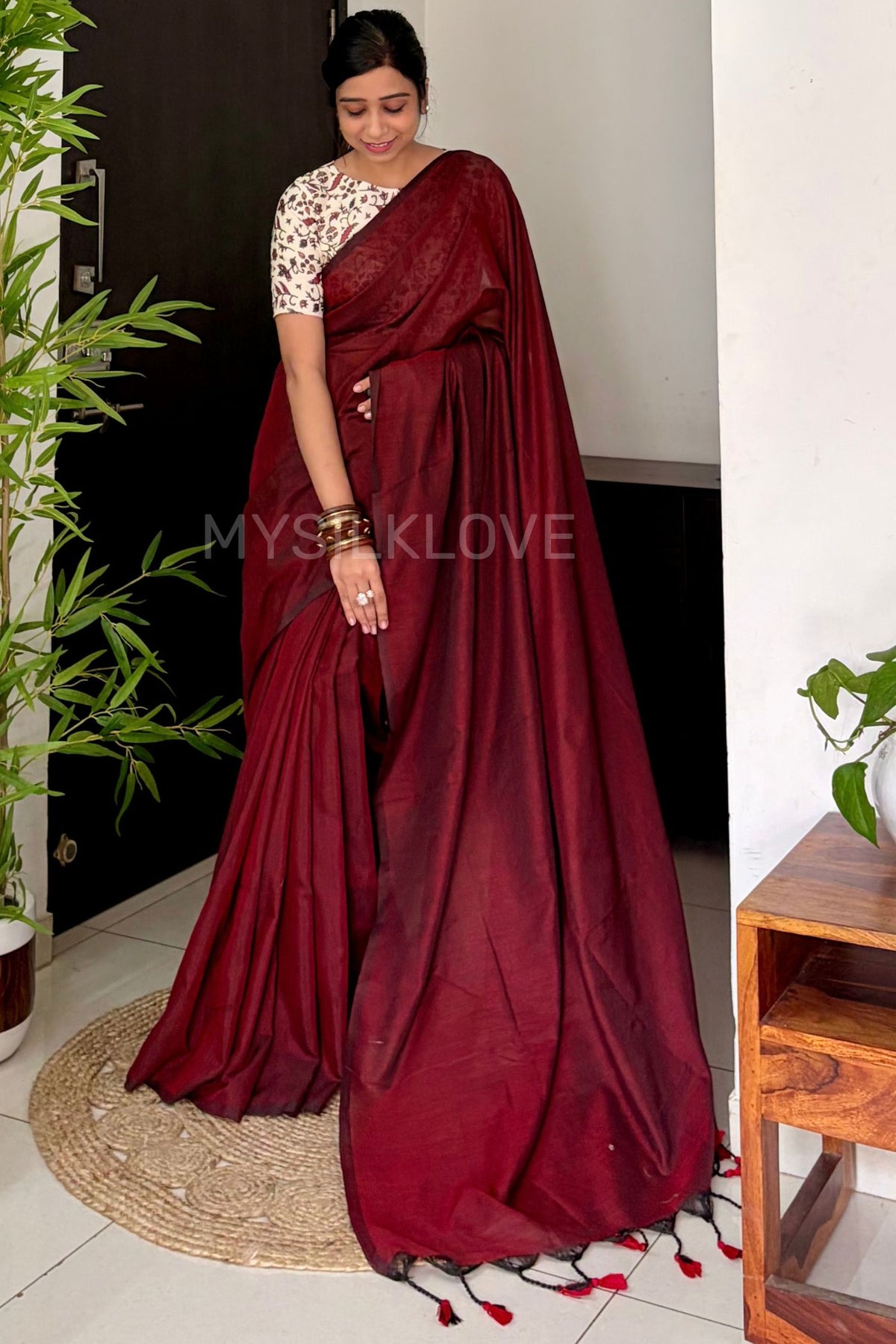
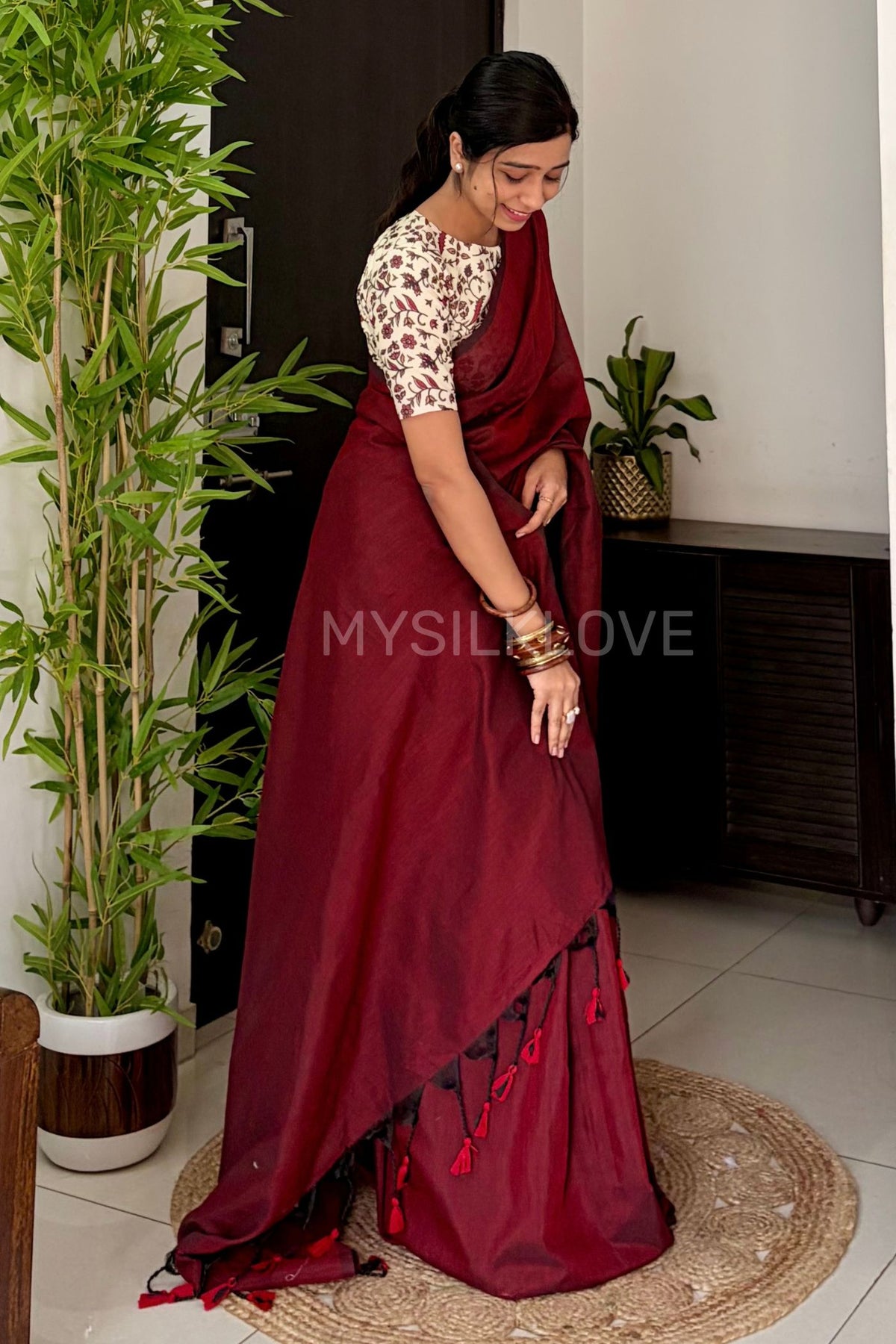
Dark Cherry Maroon Handloom Cotton Saree with Kalamkari Blouse
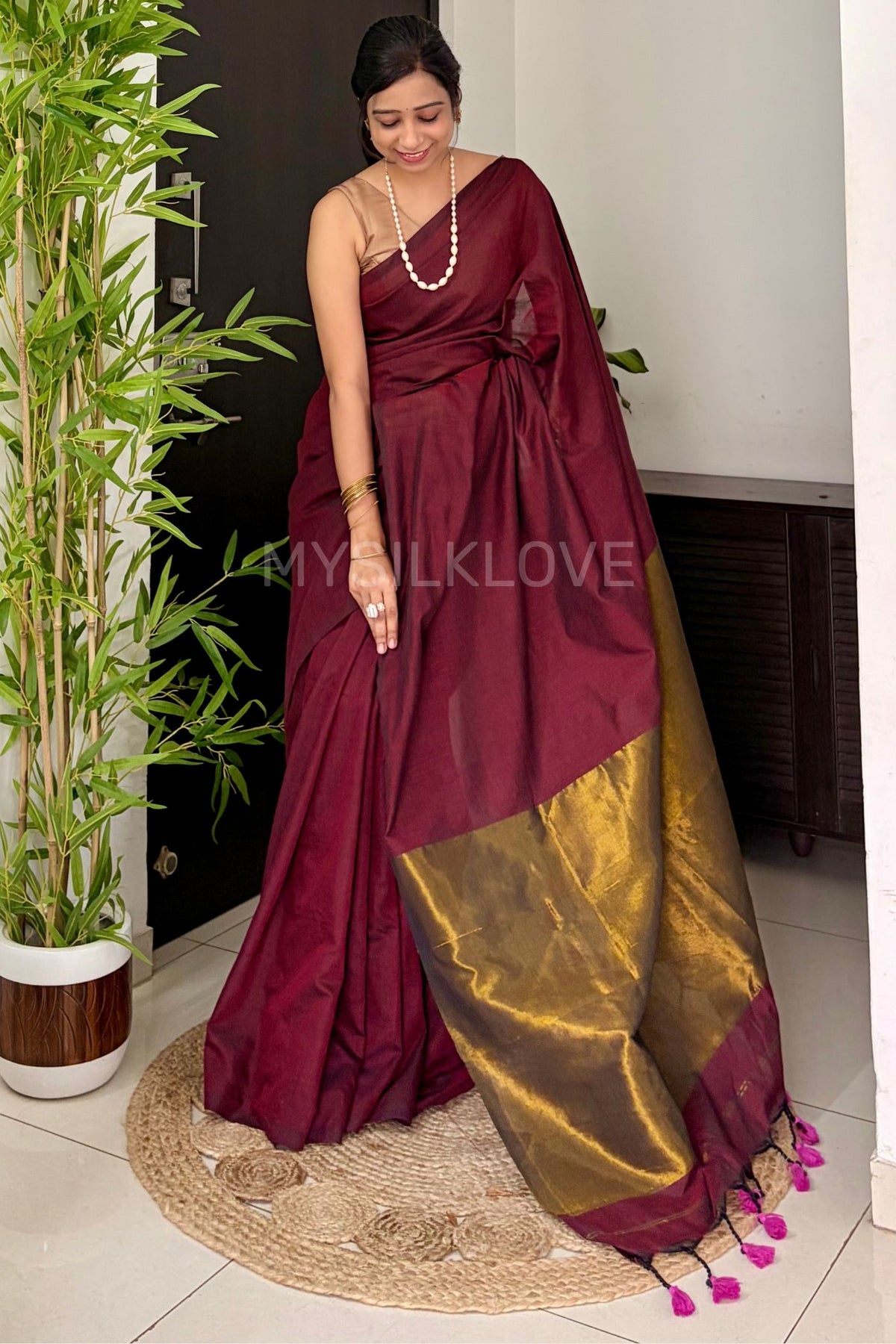
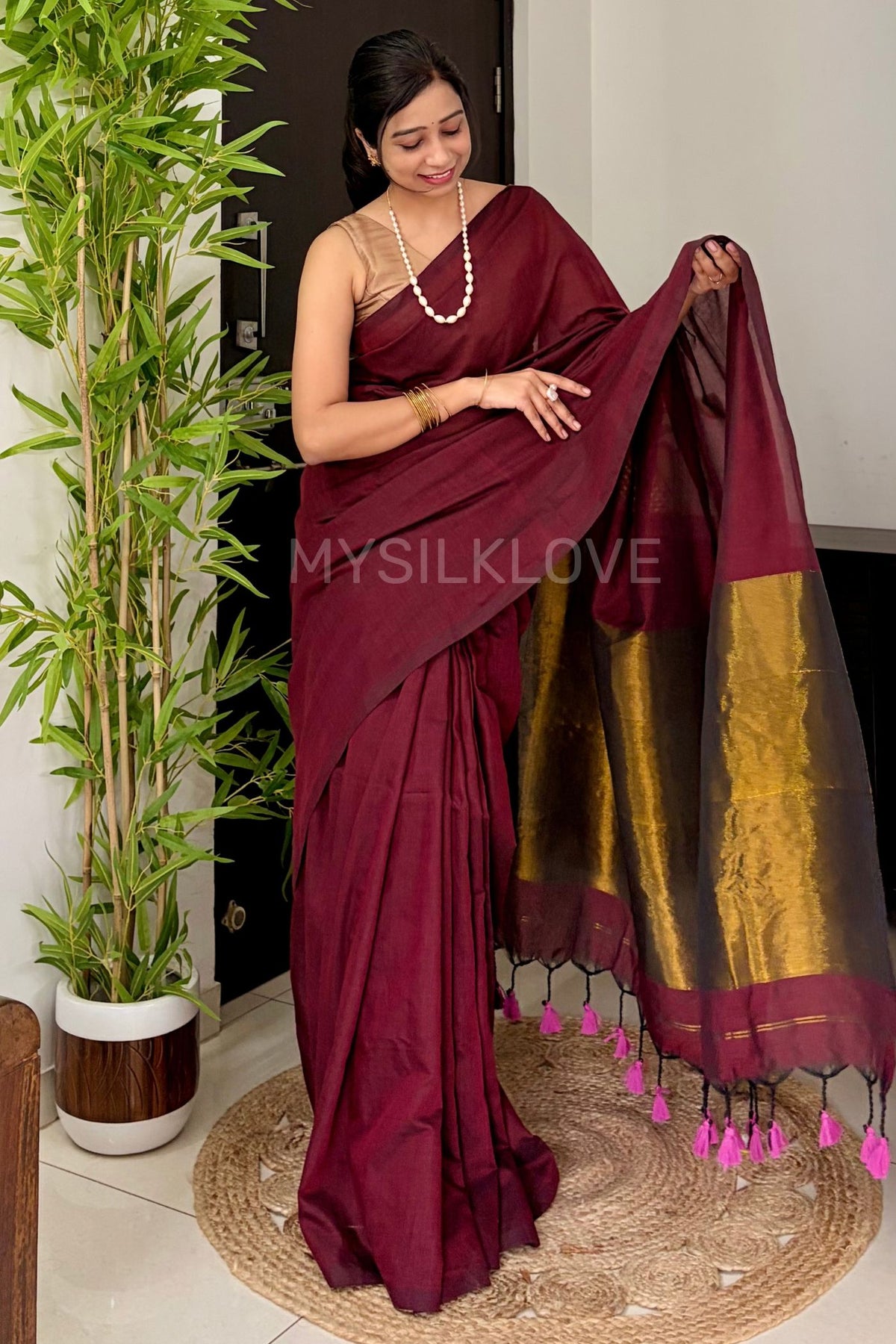
Berry Maroon Handloom Mul Mul Cotton Saree
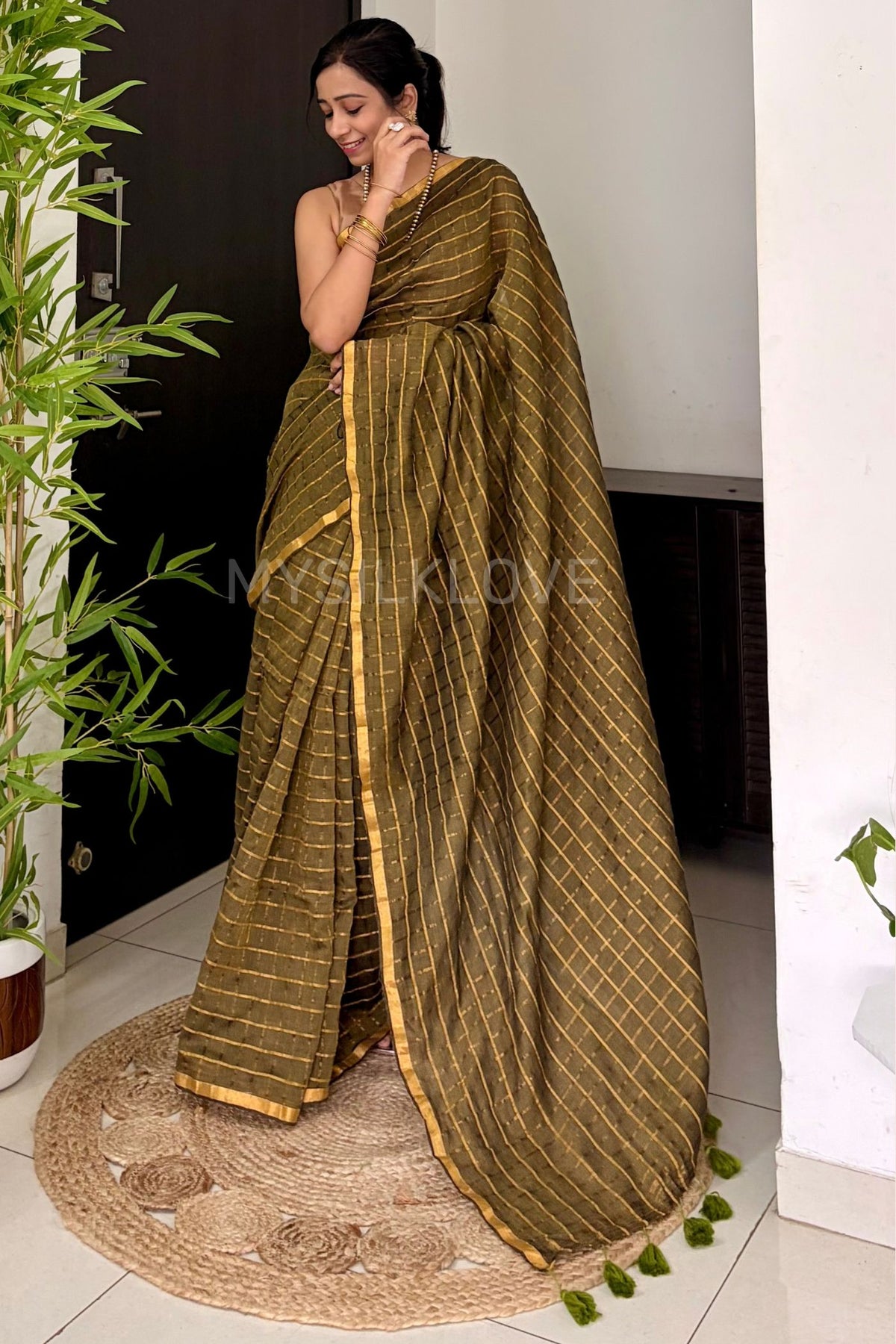
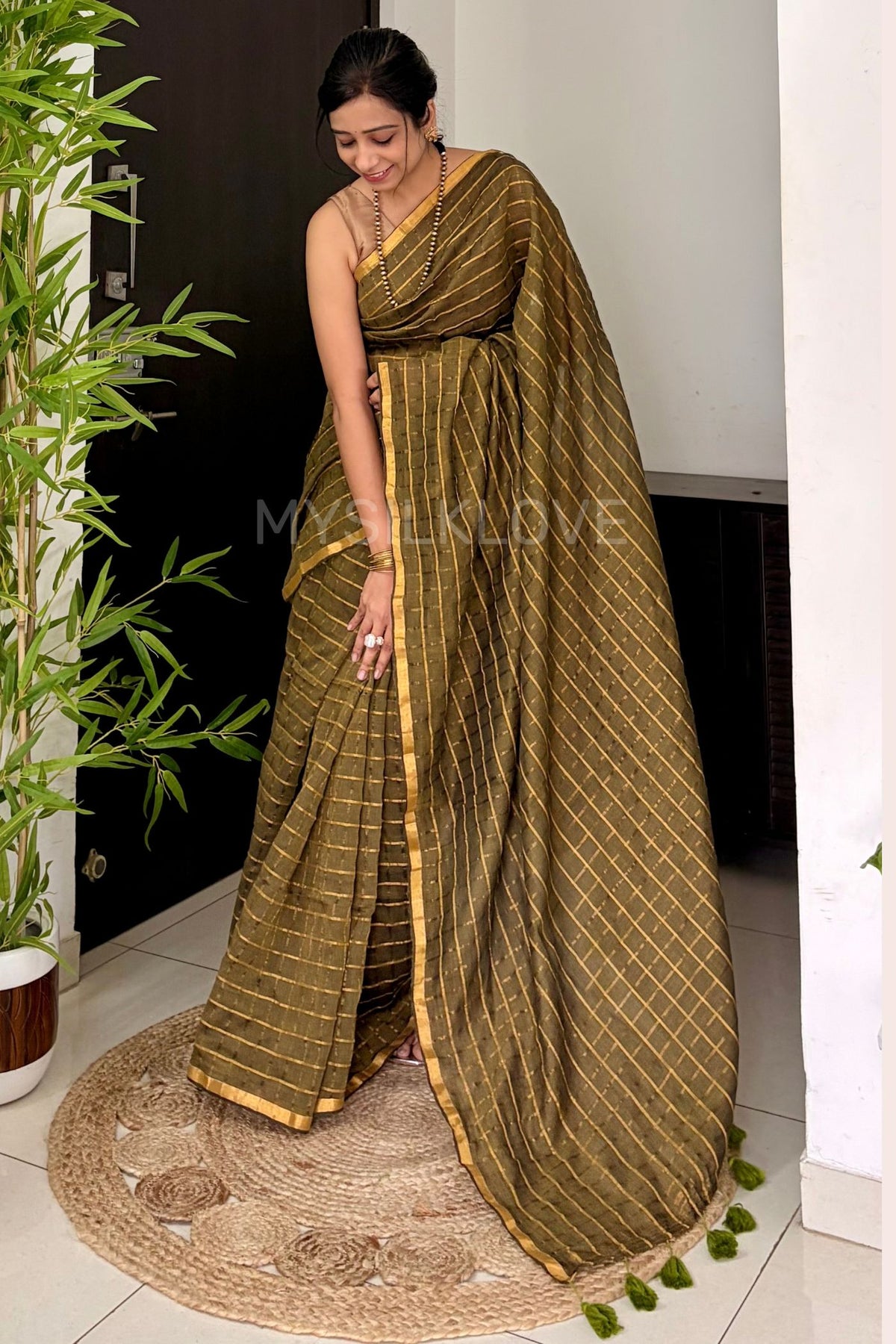
Emerald Green Mul Mul Cotton Checks Pattern Zari Woven Saree
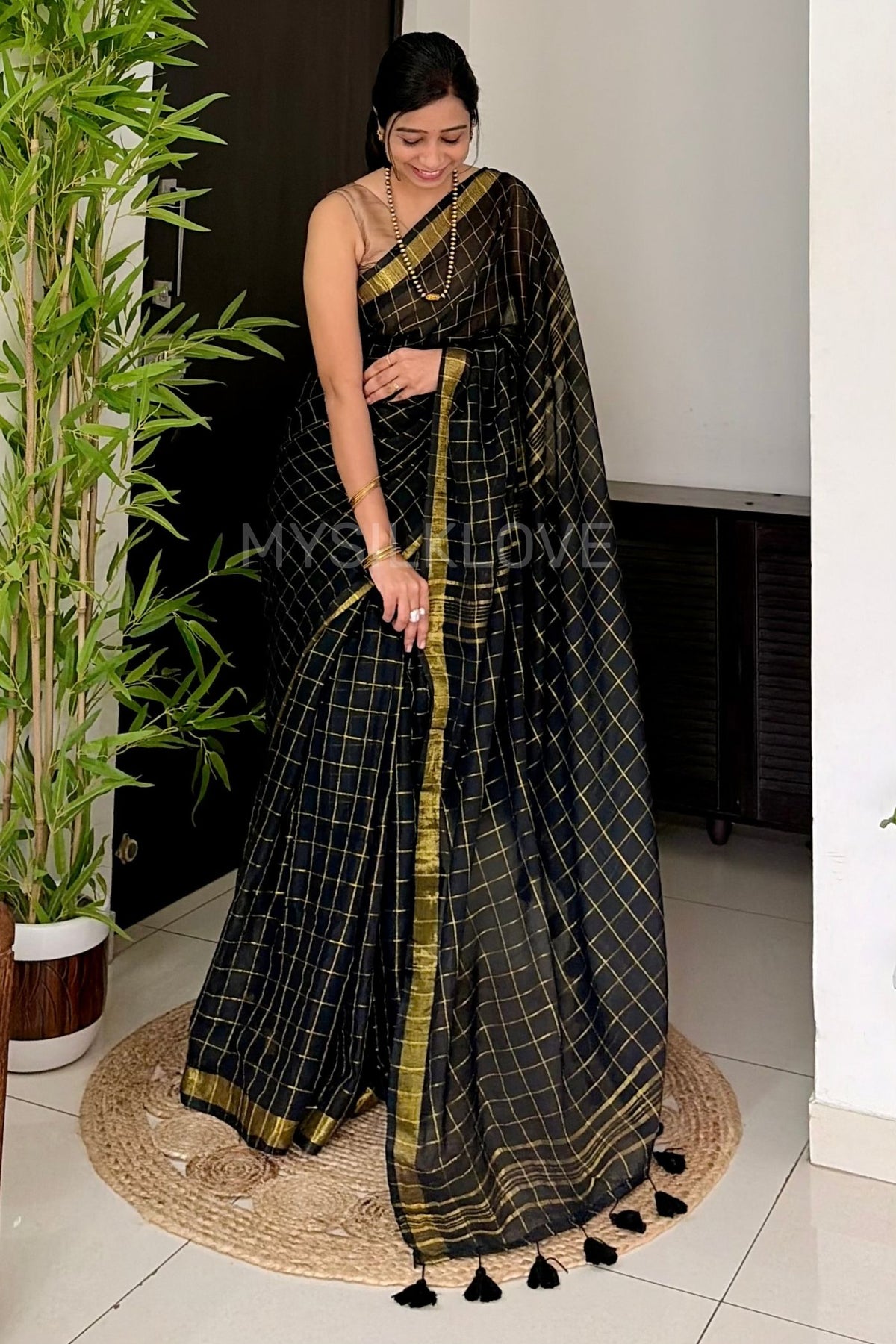
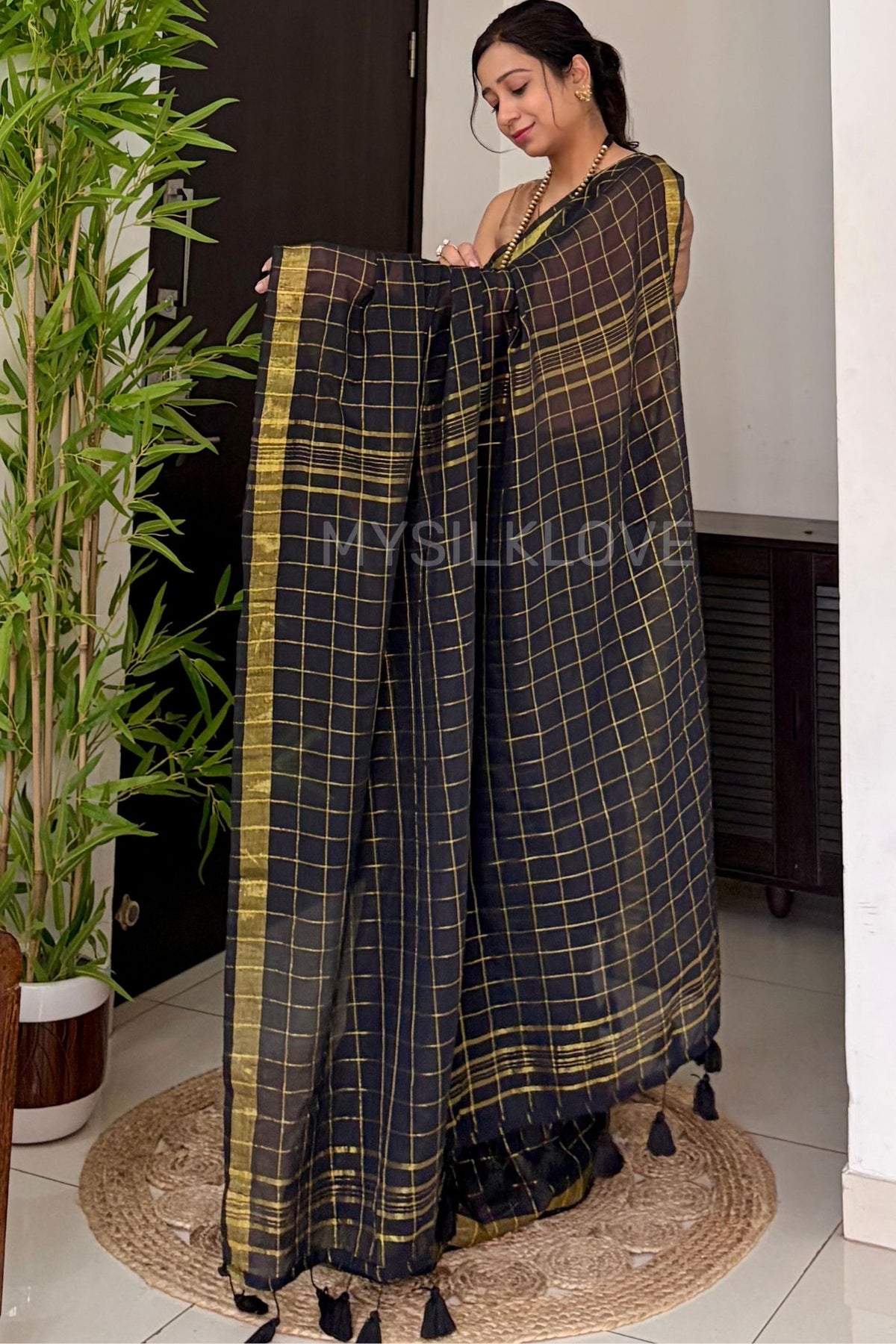
Ink Black Mul Mul Cotton Checks Pattern Zari Woven Saree
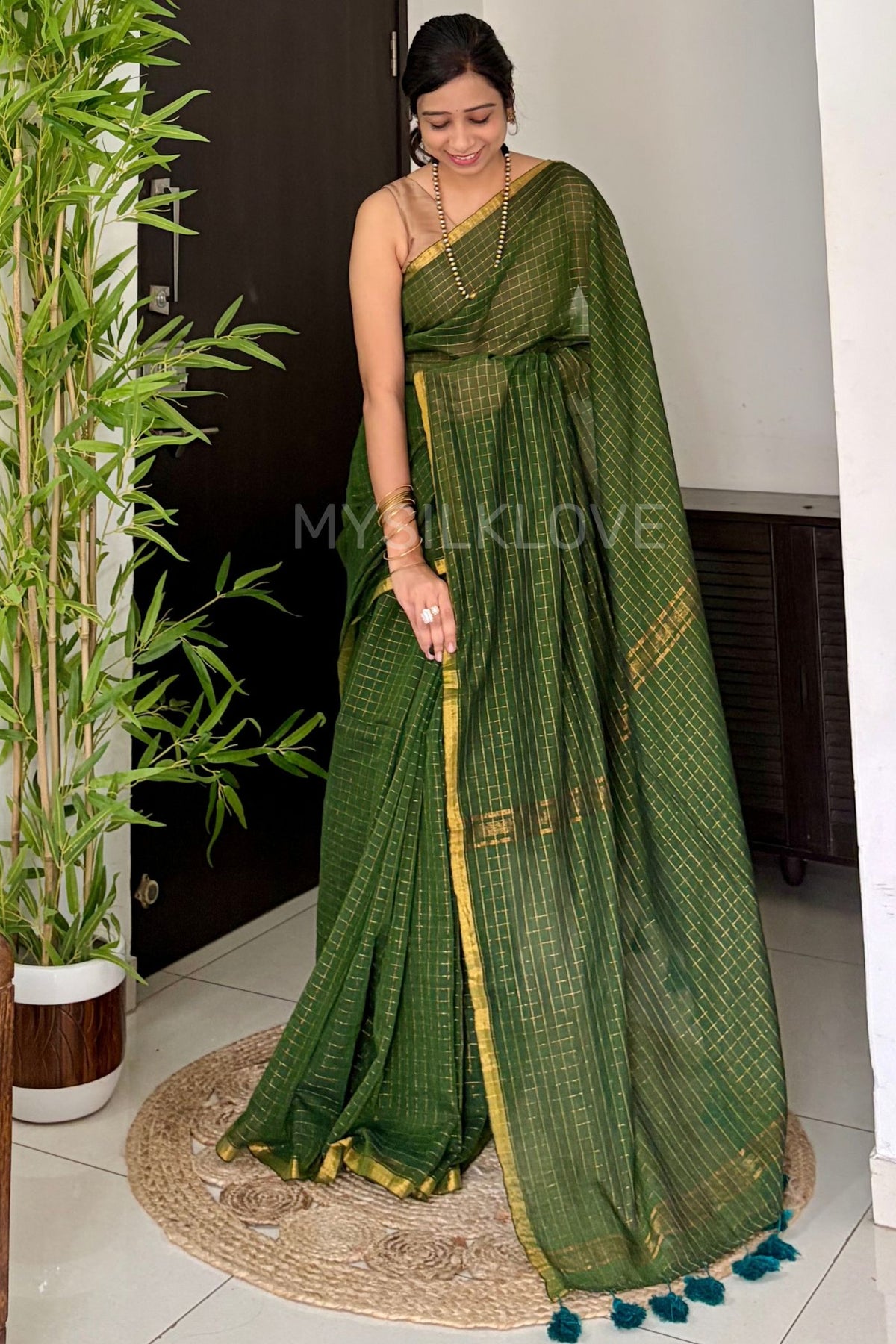
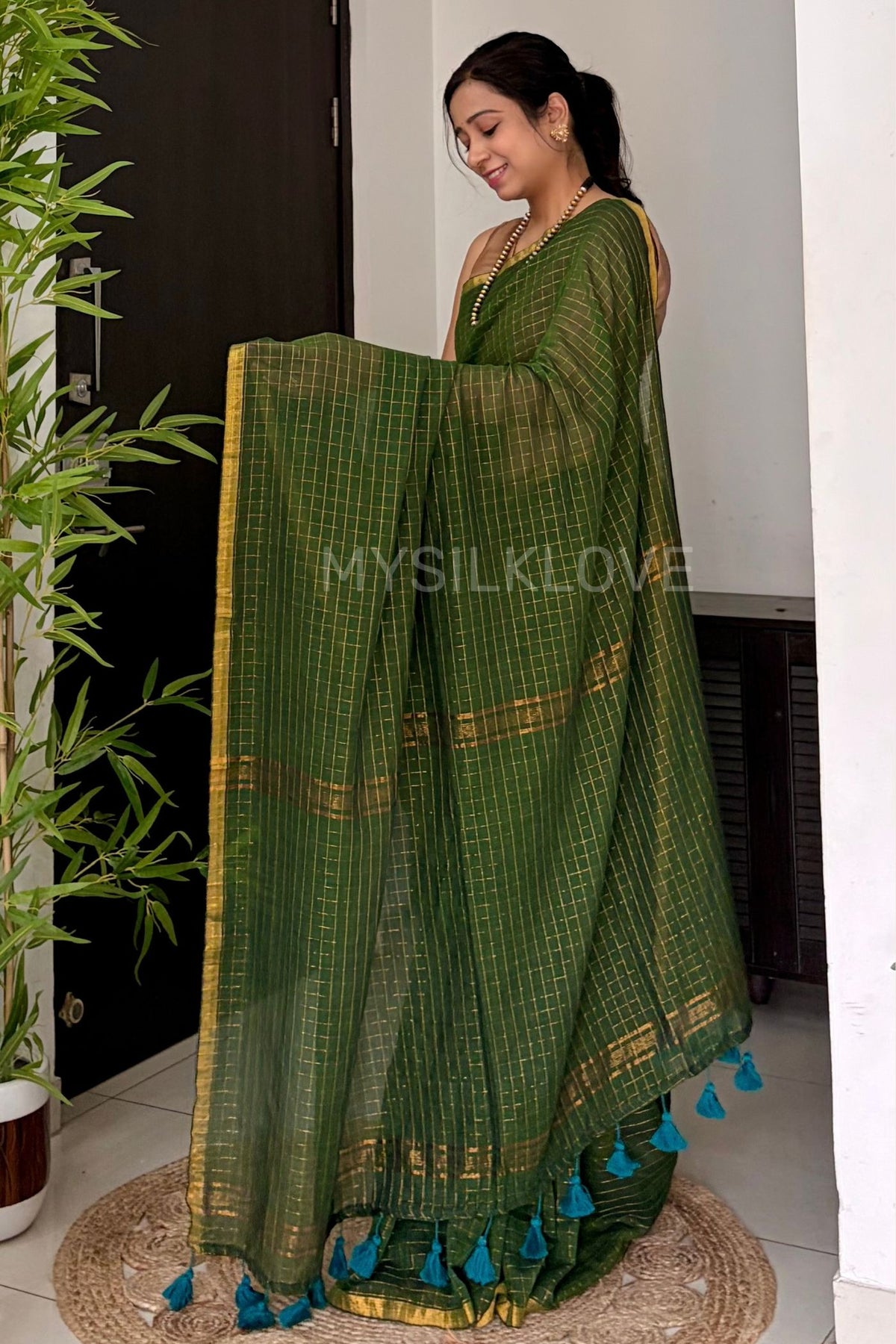
Avocado Green Mul Mul Cotton Checks Pattern Zari Woven Saree
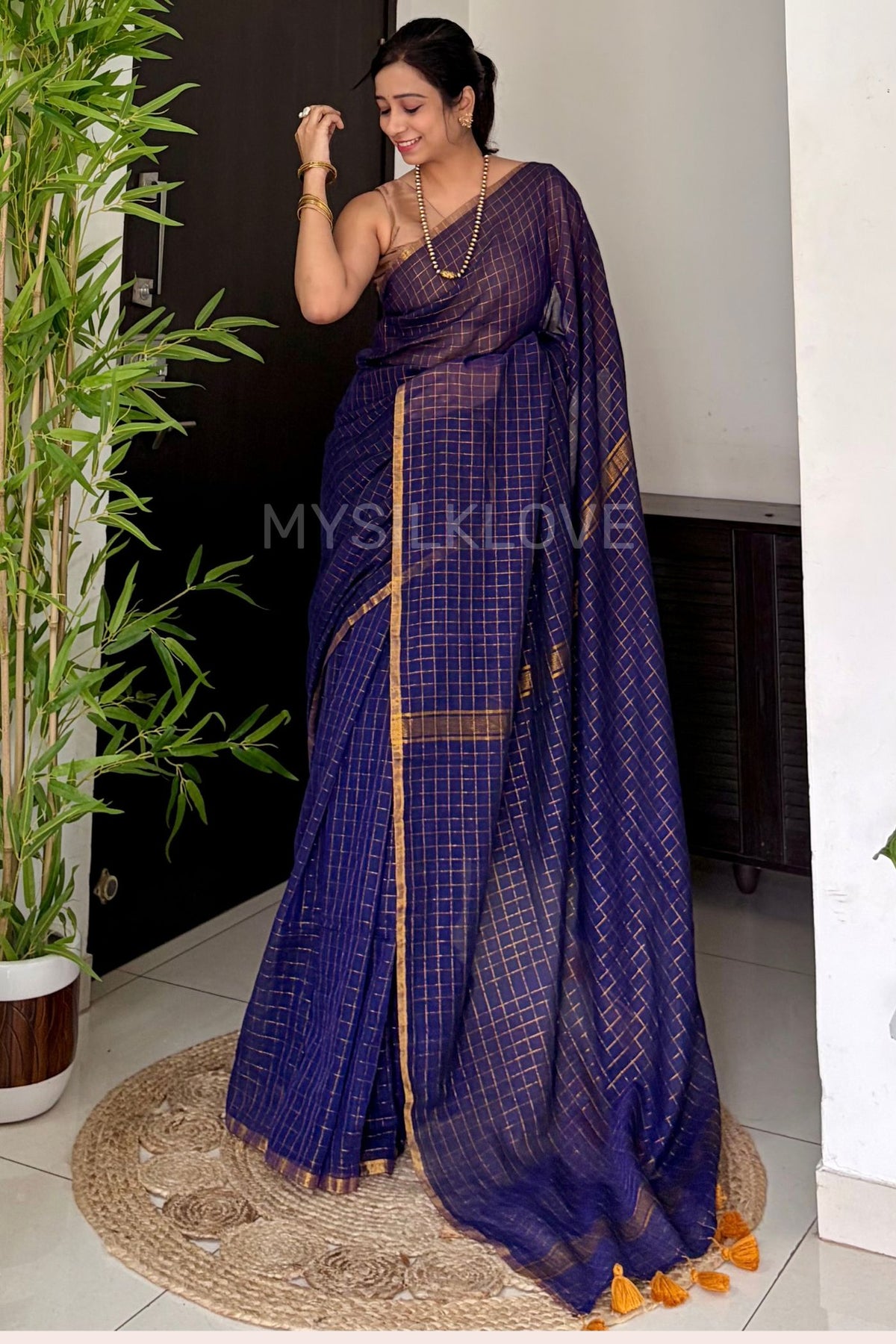
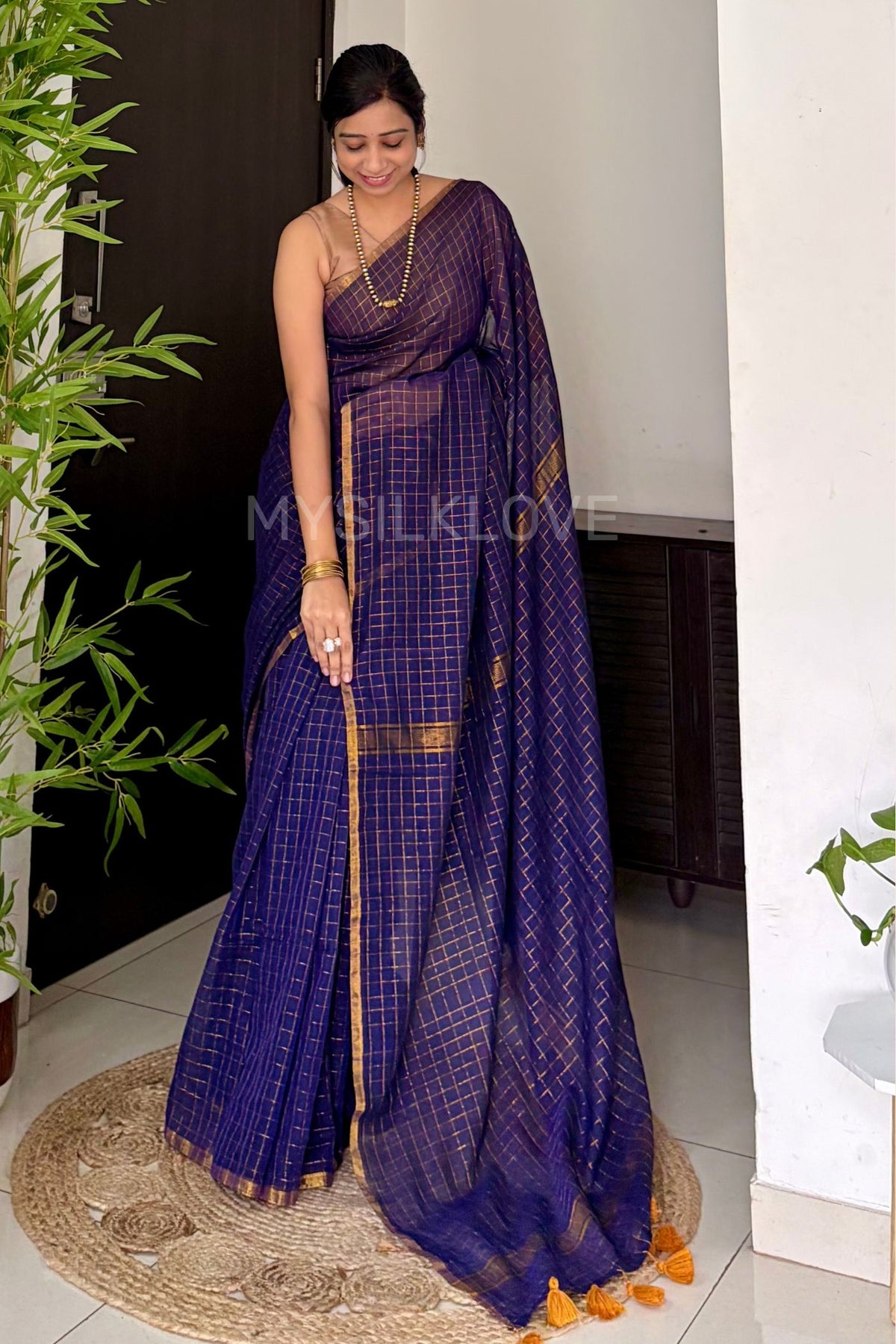
Navy Blue Mul Mul Cotton Checks Pattern Zari Woven Saree
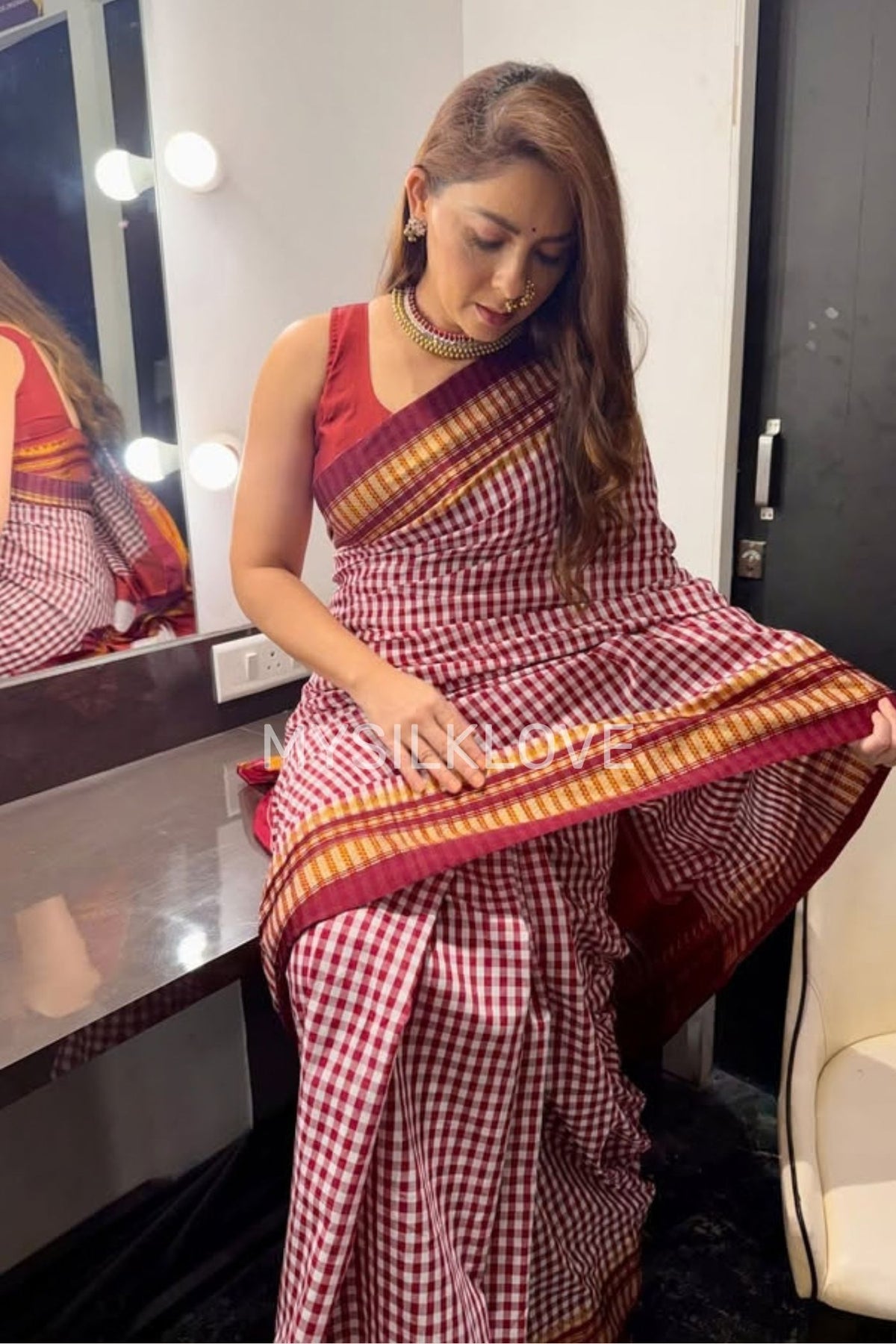
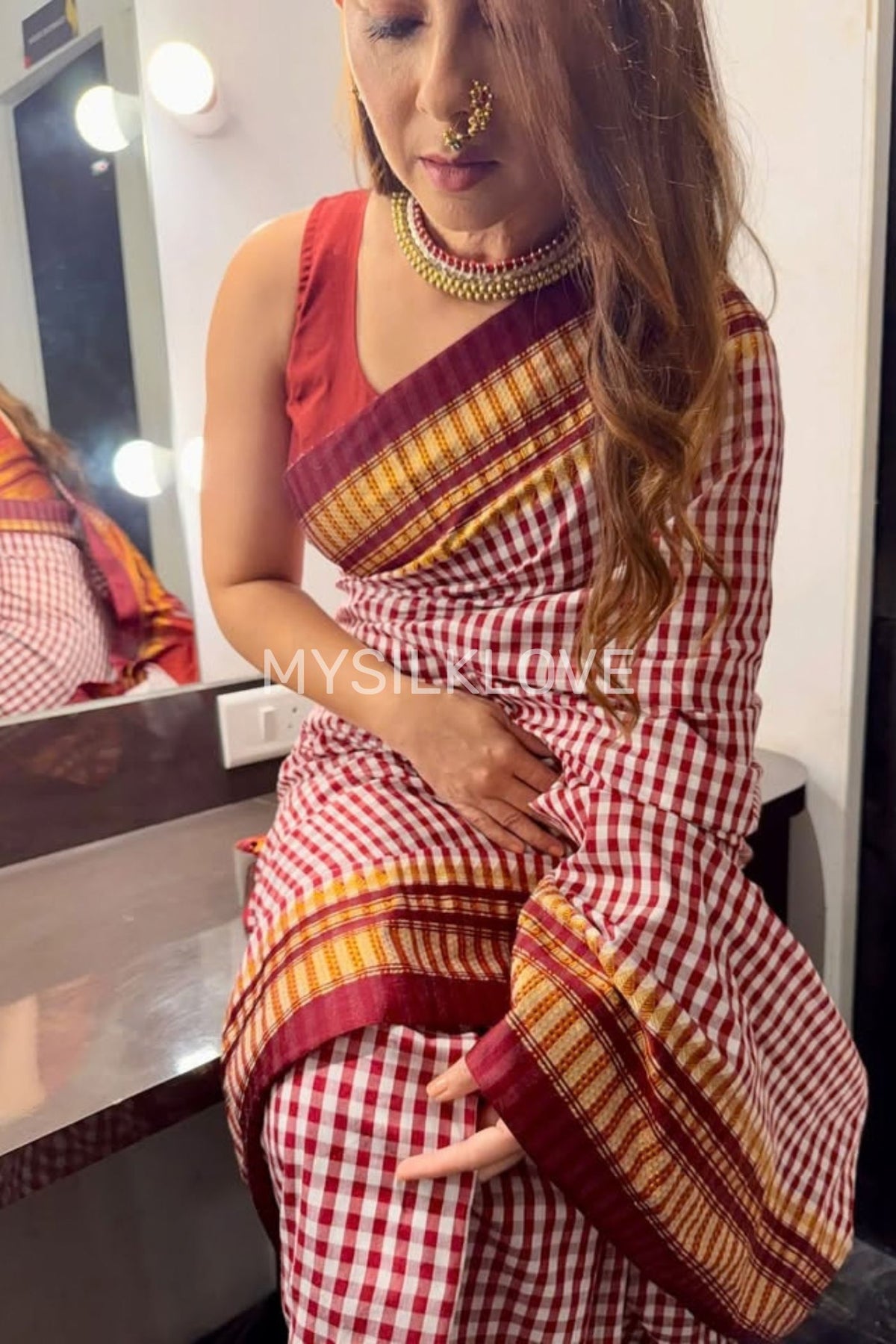
Sonali Kulkarni Inspired: Brown Checks Pattern Pure Silk Irkal Saree
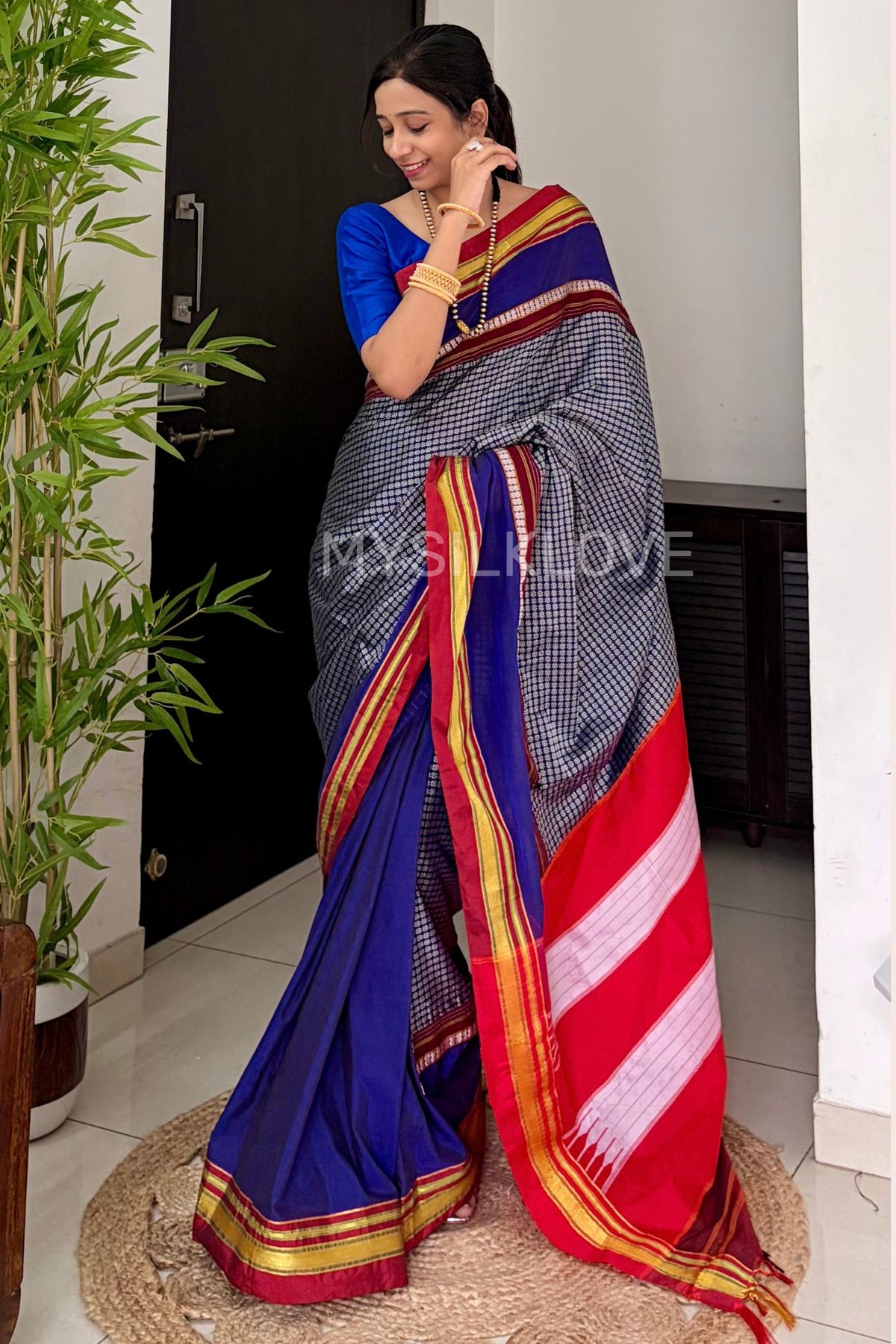
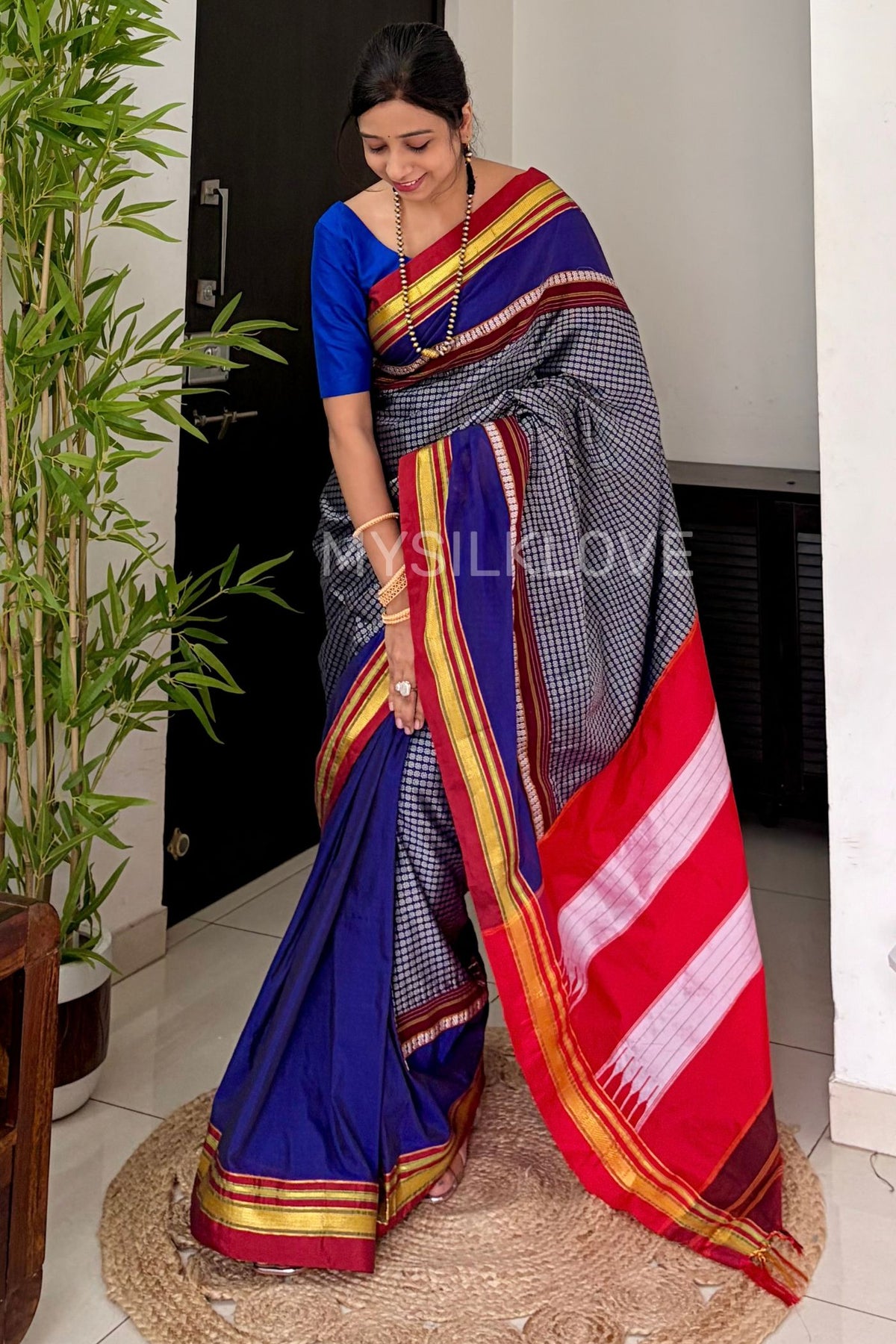
Glacier Blue Pure iIkal Silk Saree with Resham Pallu
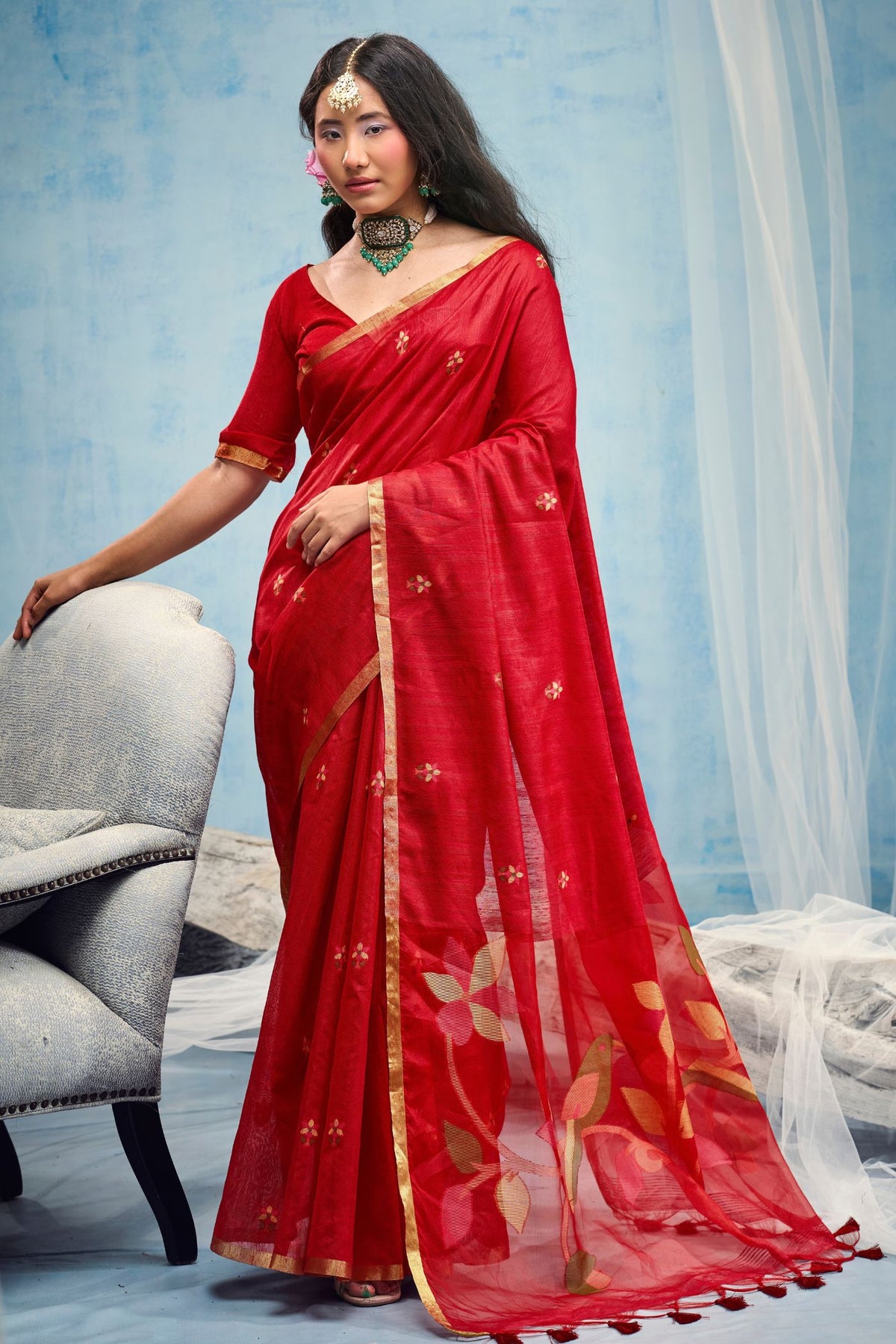
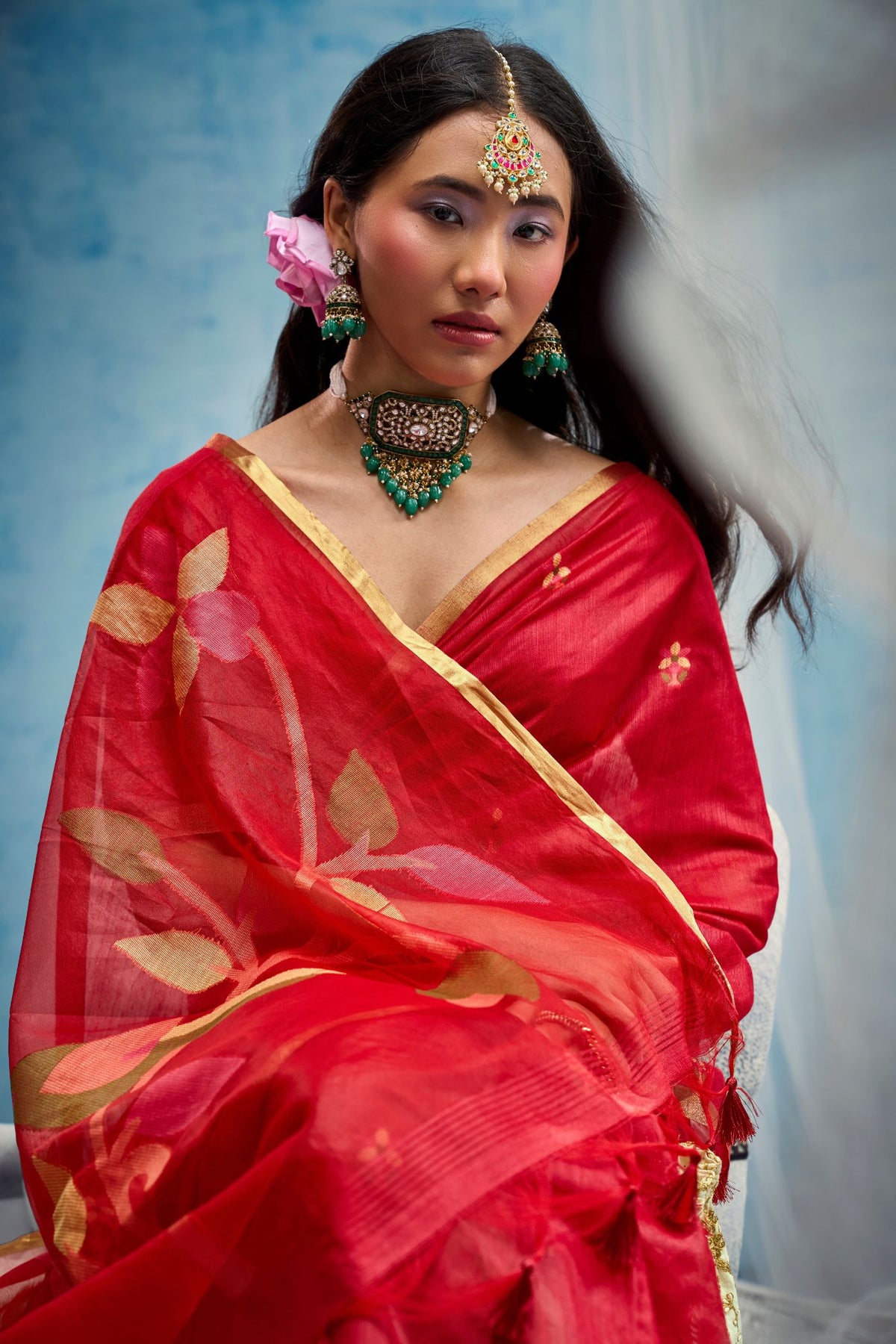
Garnet Red Munga Handloom Silk Cotton Saree
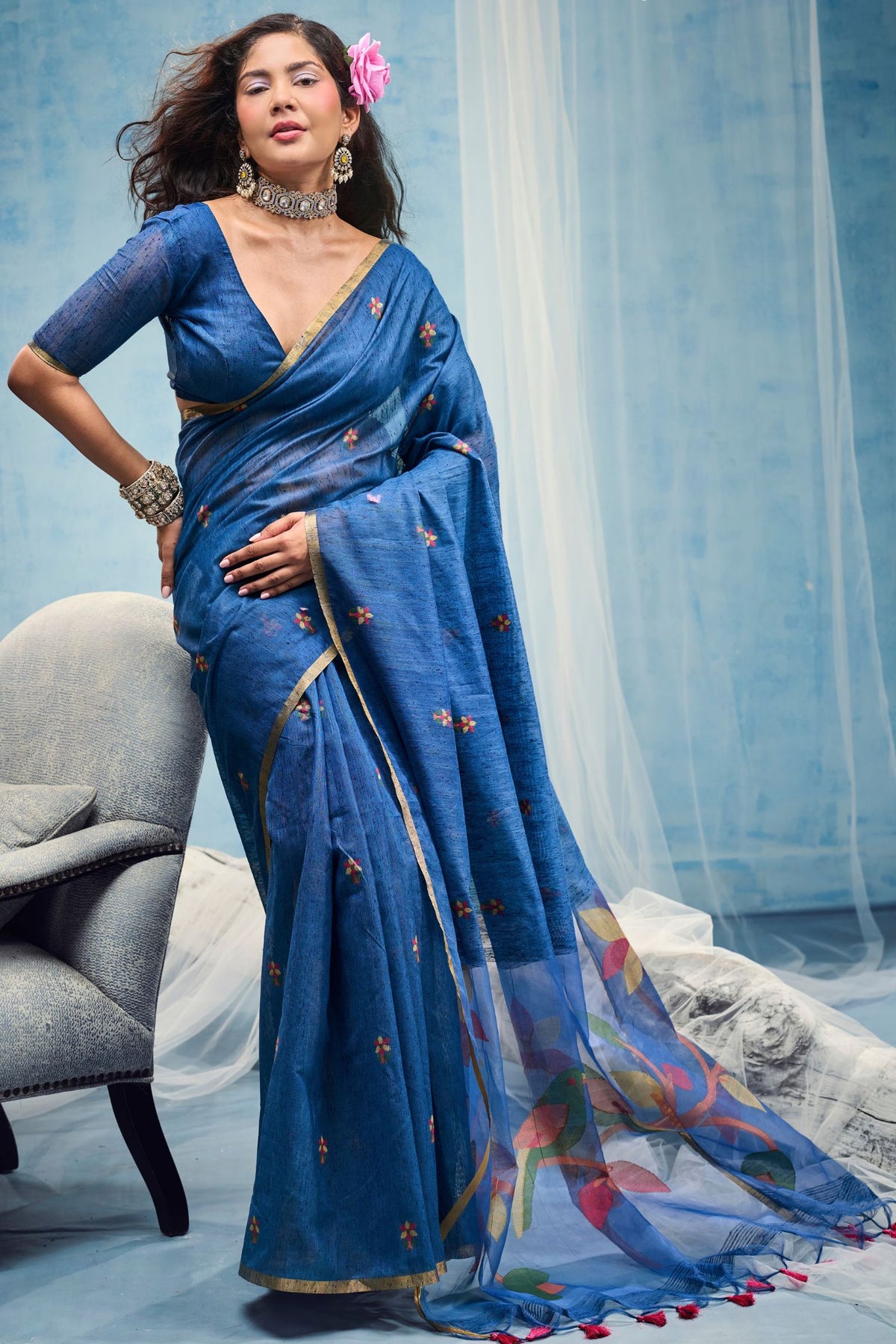
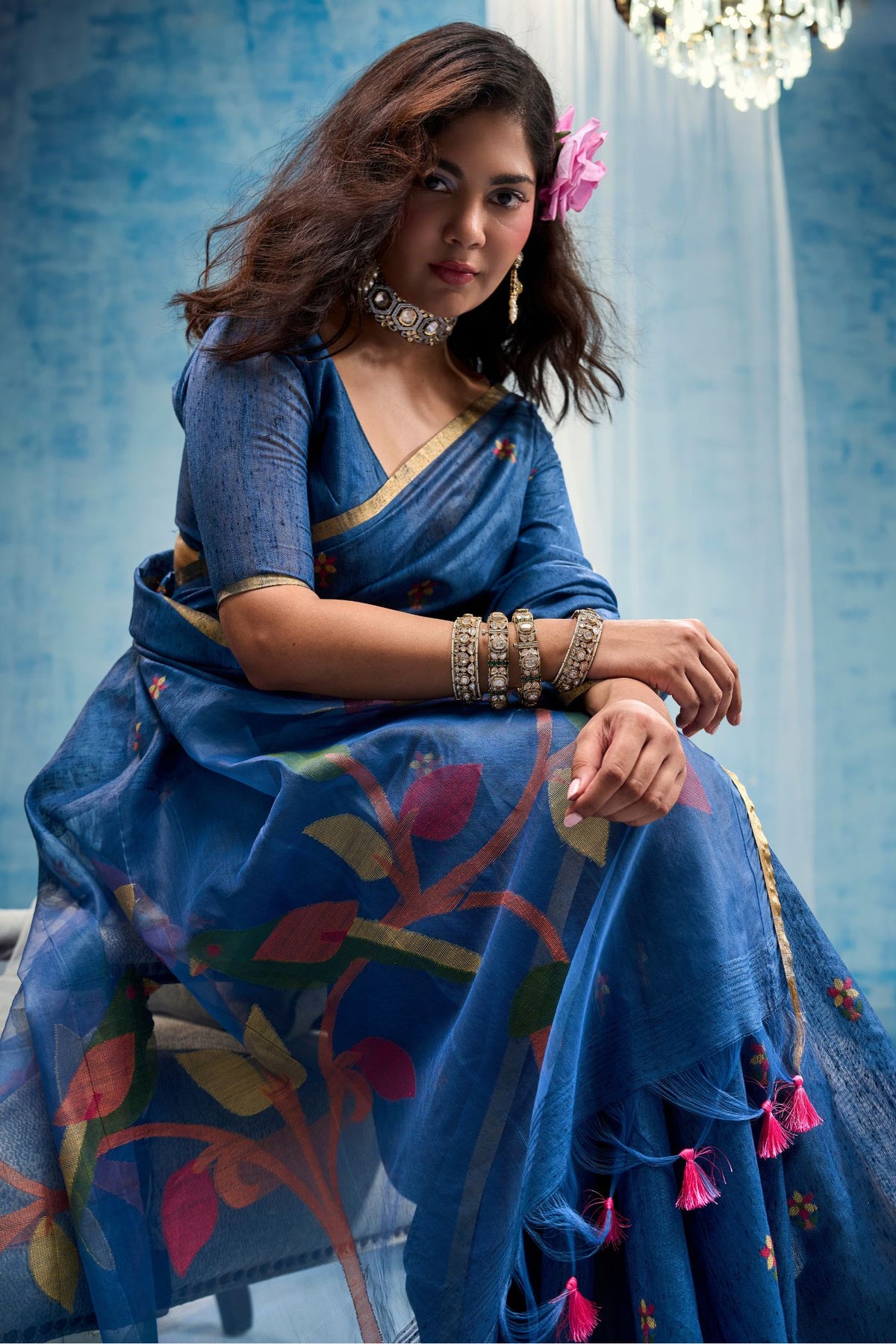
Cornflower Blue Munga Handloom Silk Cotton Saree
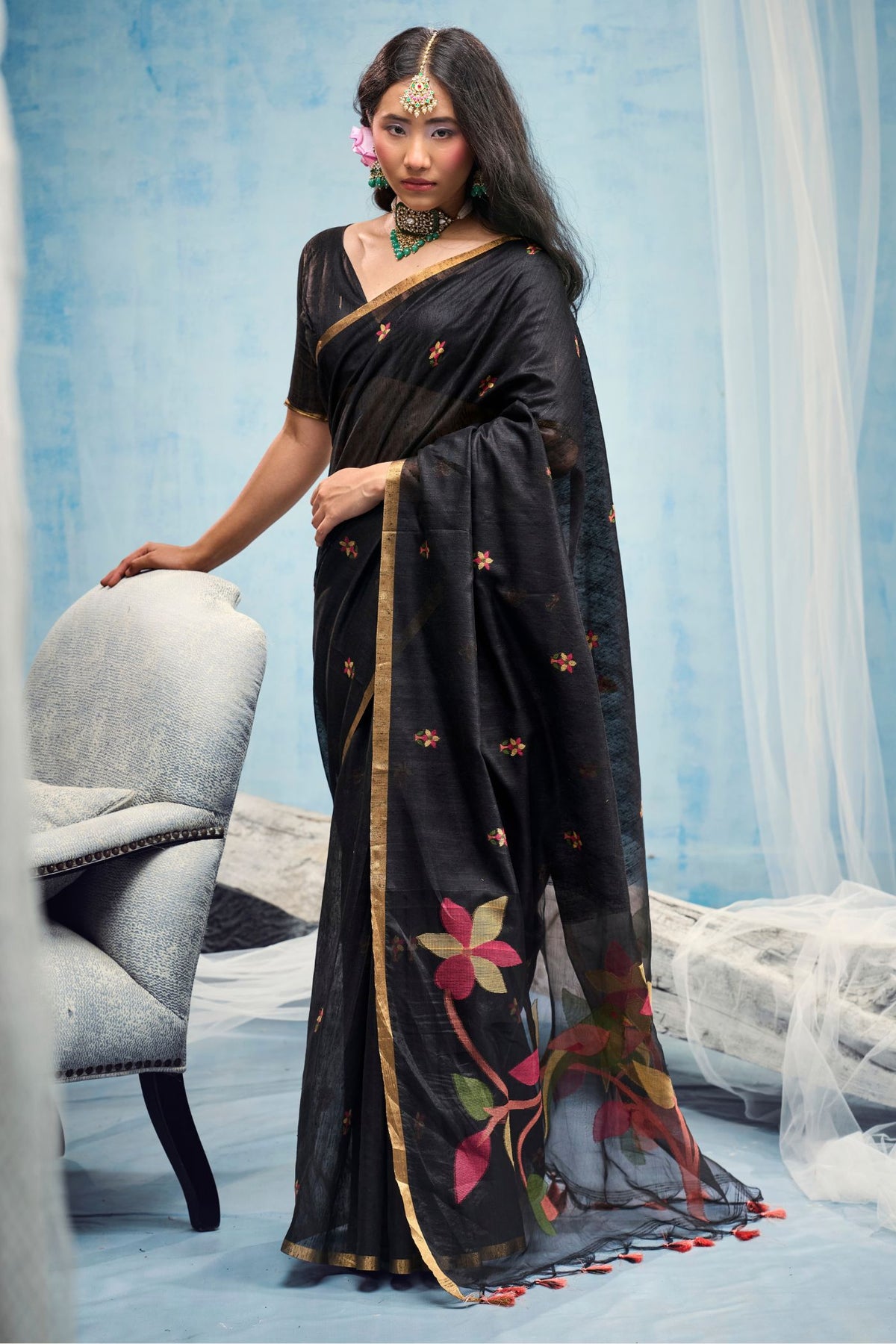
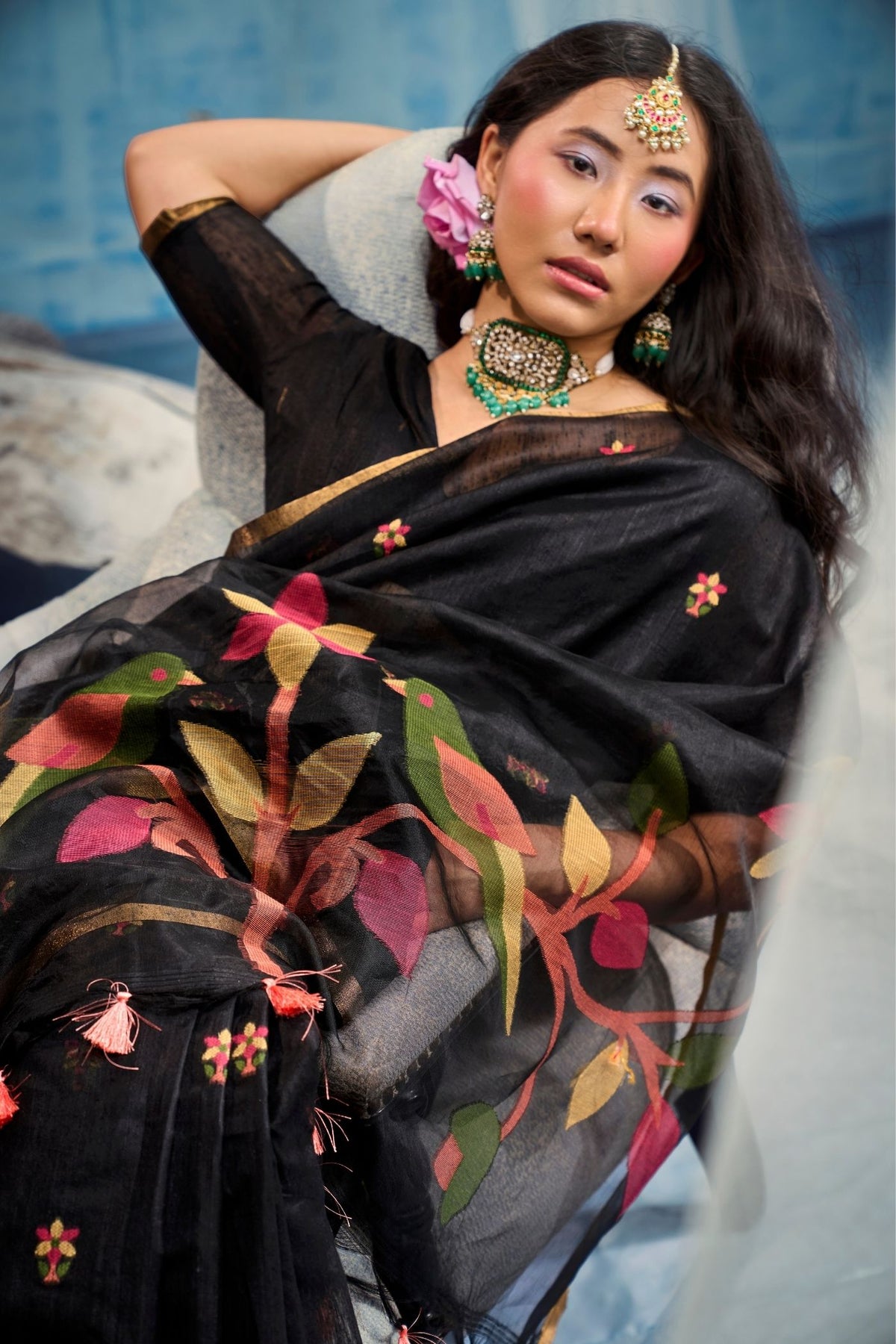
Slate Black Munga Handloom Silk Cotton Saree
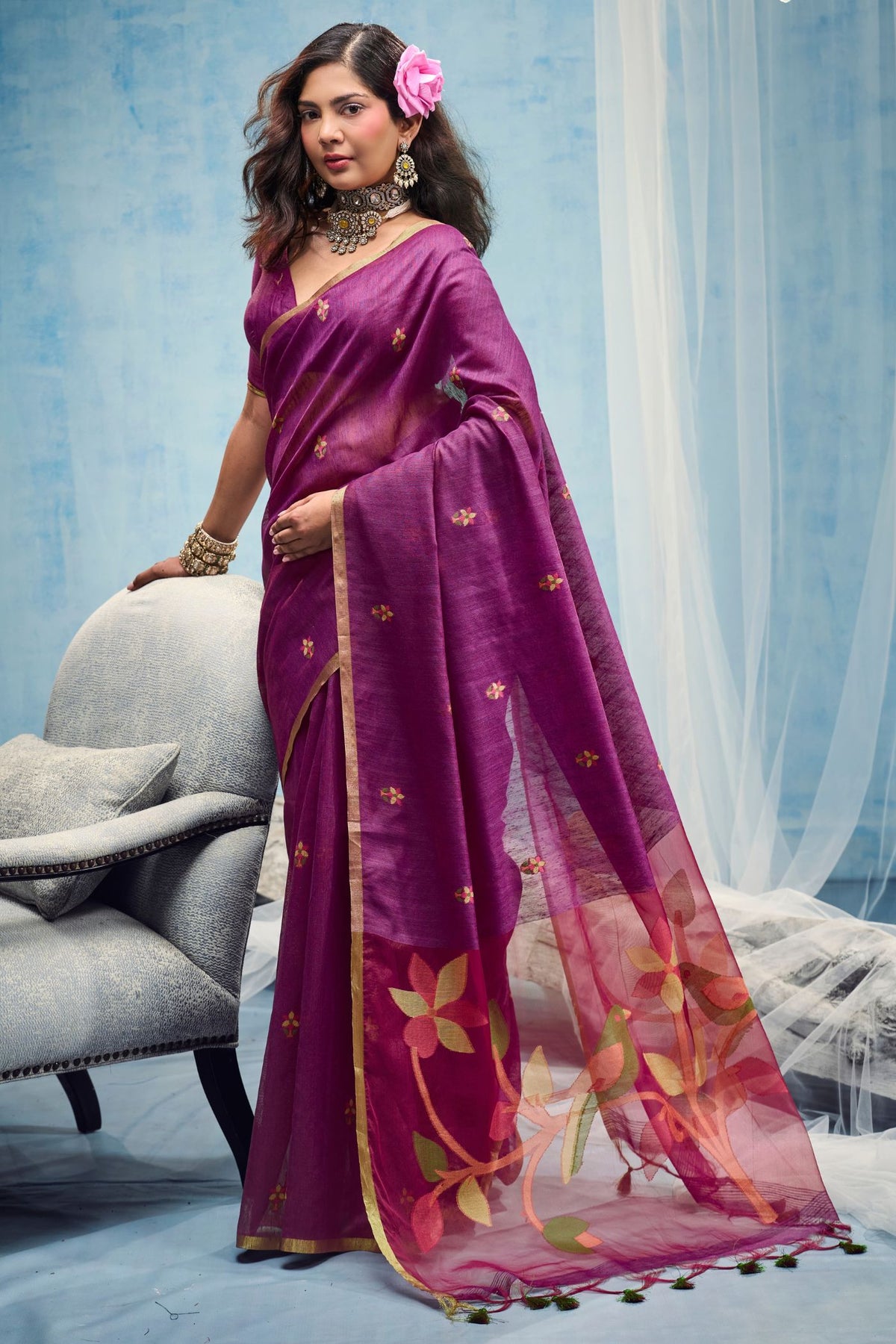
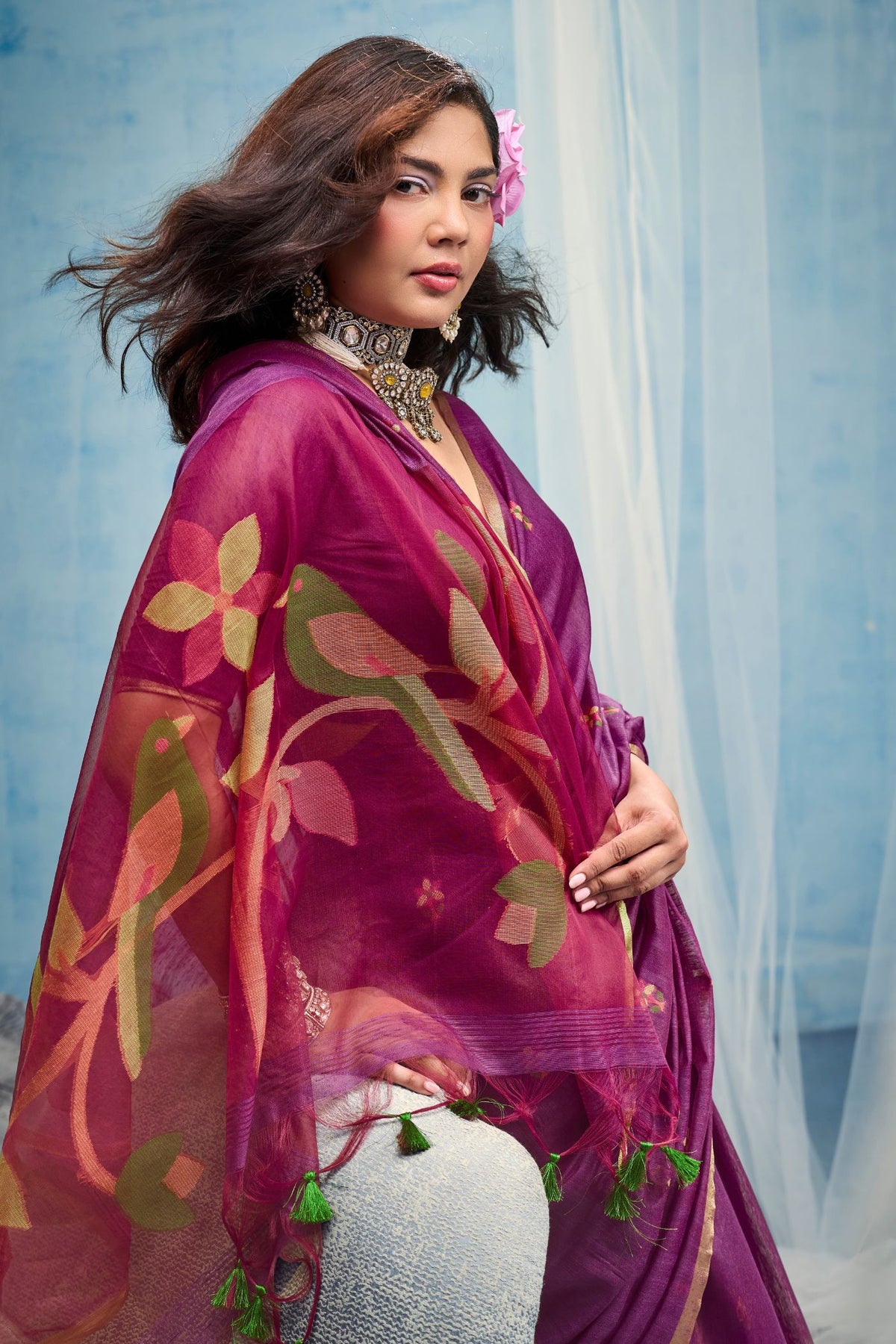
Vermilion Purple Munga Handloom Silk Cotton Saree
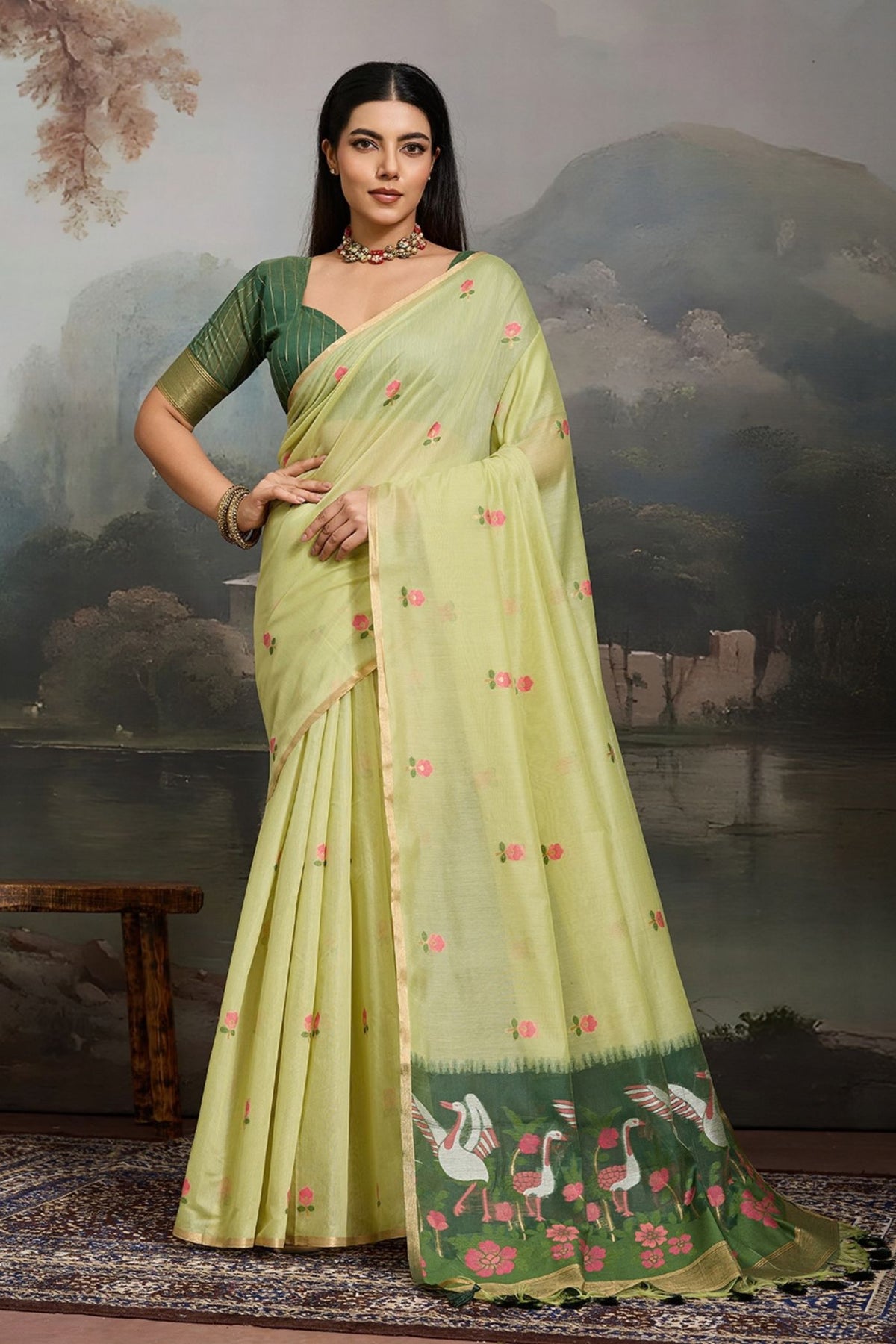
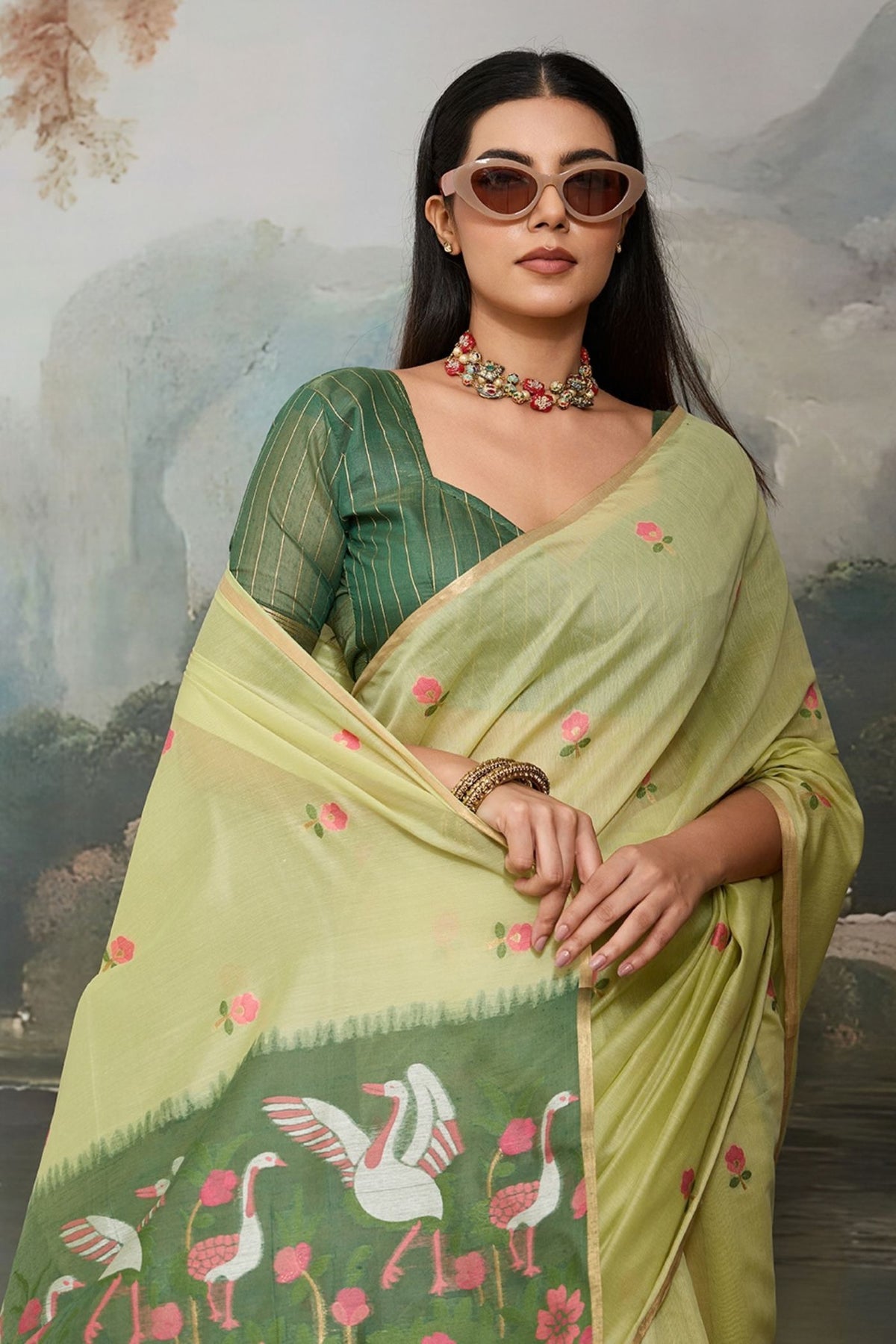
Willow Green Cotton Handloom Swan Saree
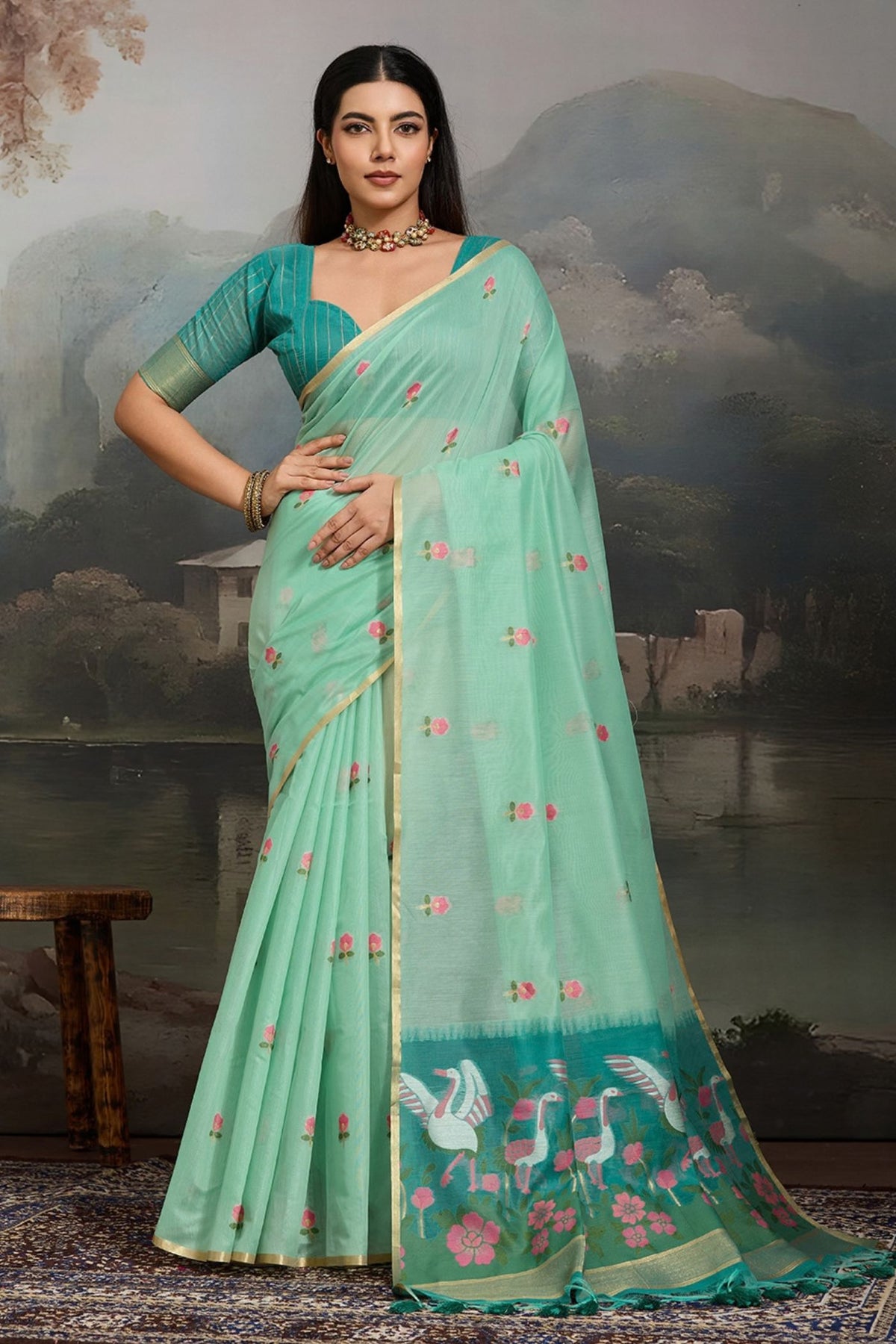
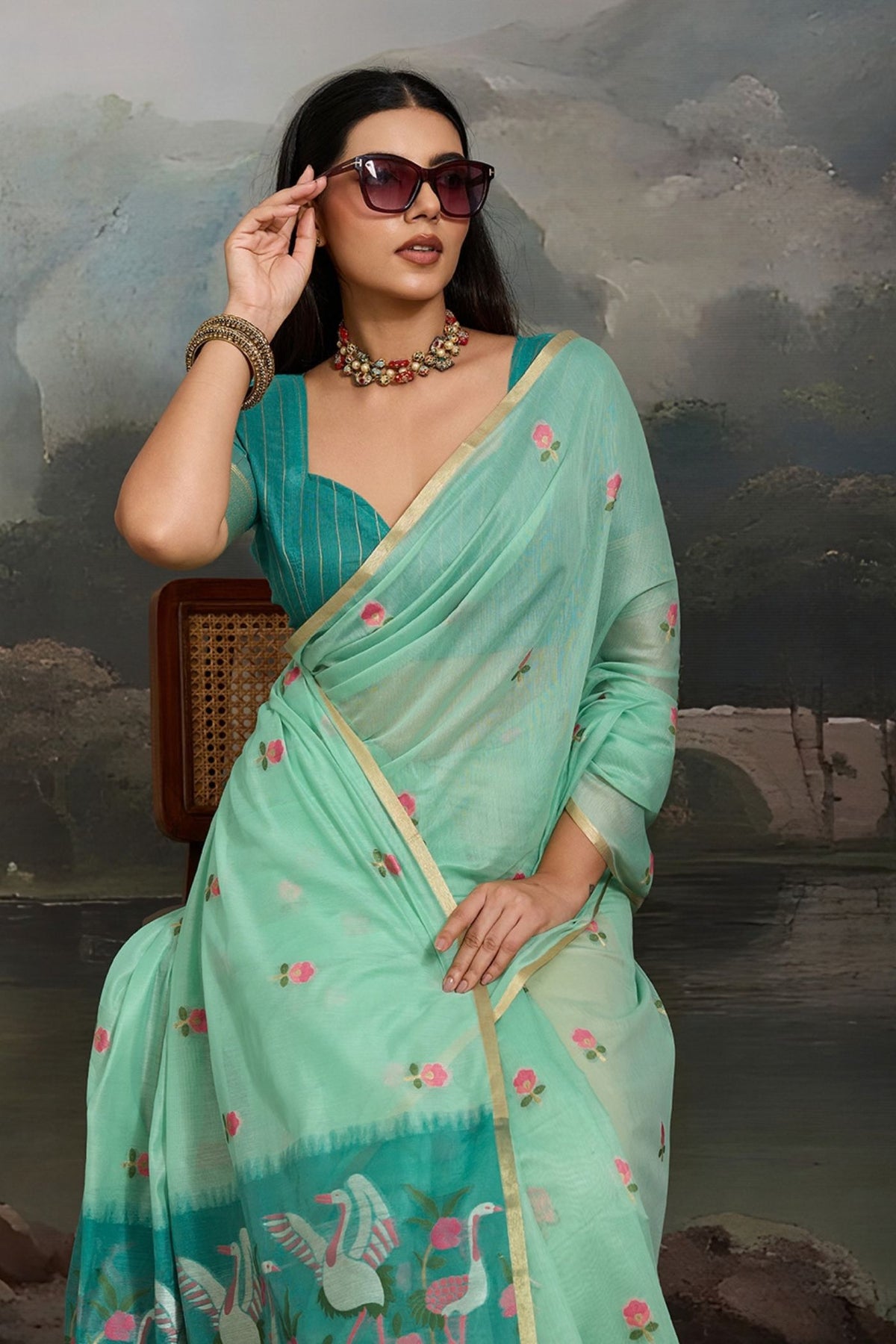
Gardenia Green Cotton Handloom Swan Saree

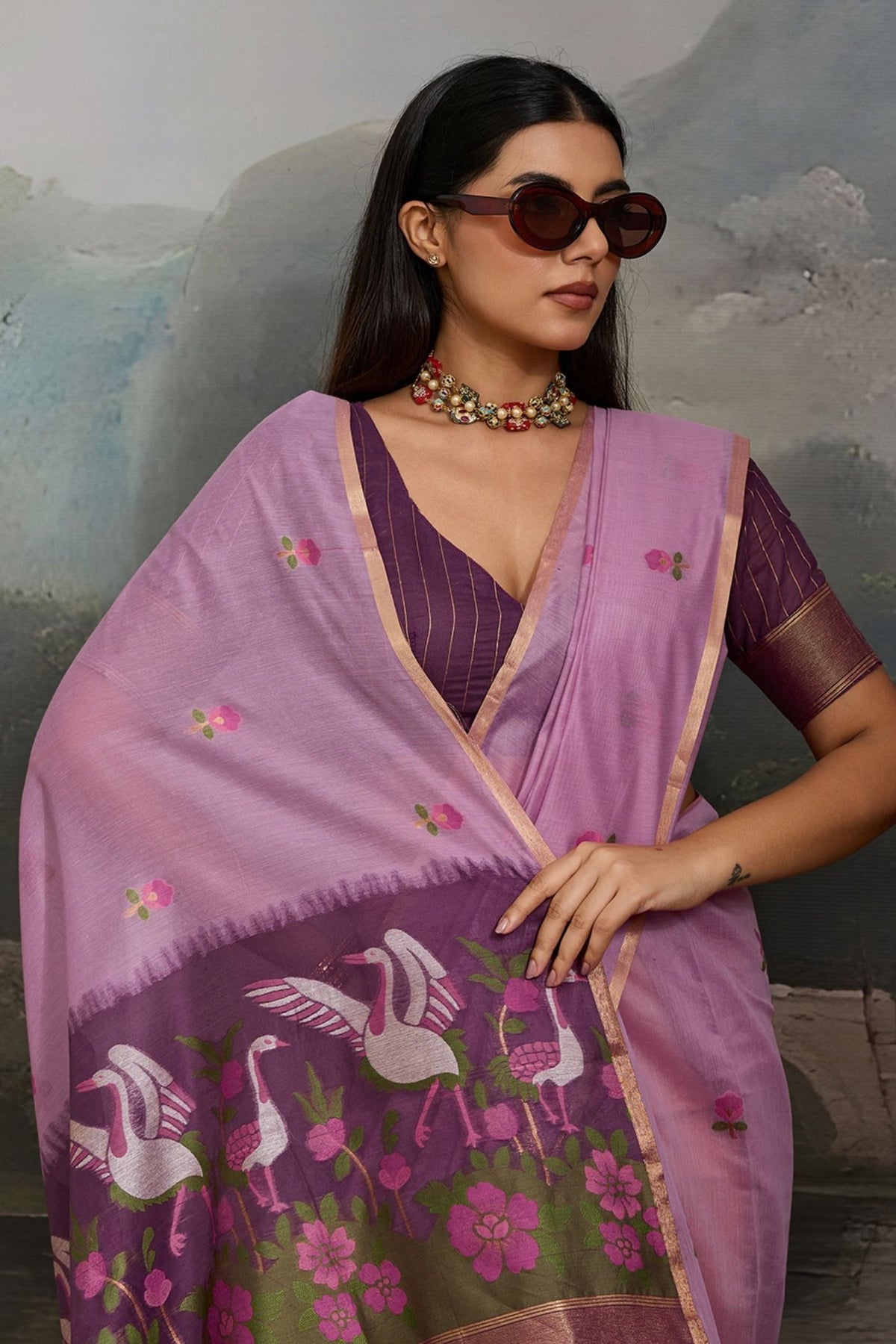
Iris Purple Cotton Handloom Swan Saree
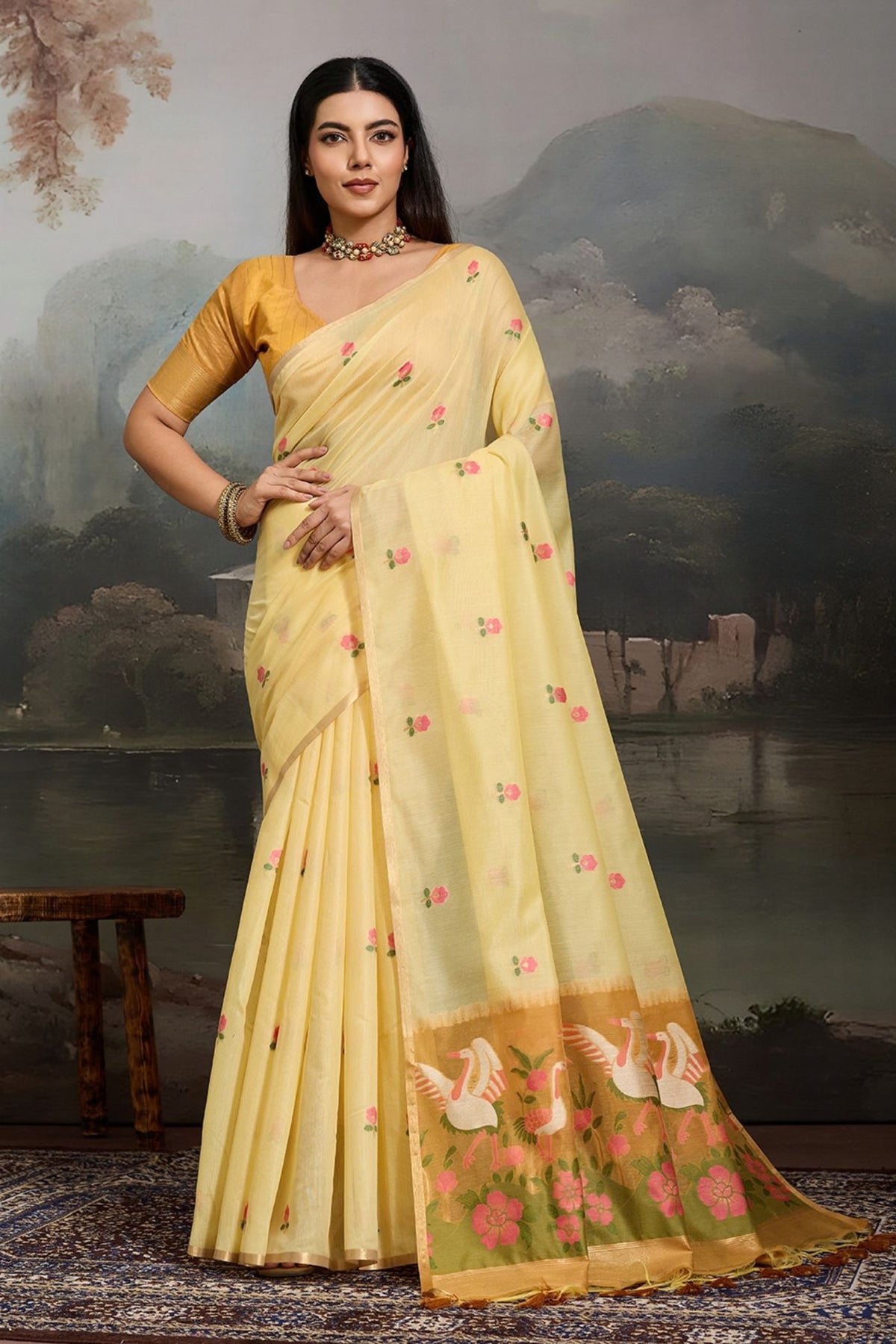
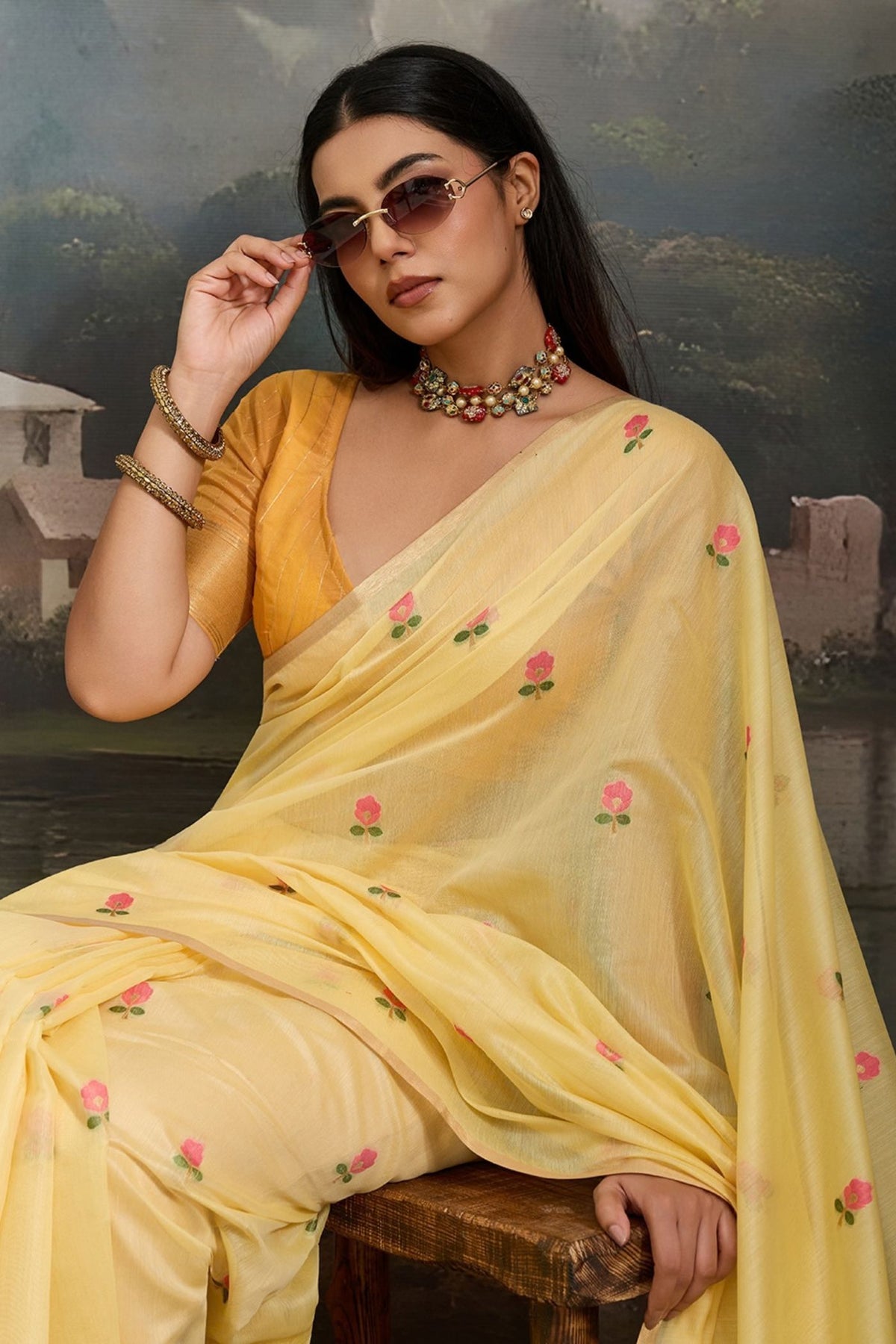
Primrose Yellow Cotton Handloom Swan Saree
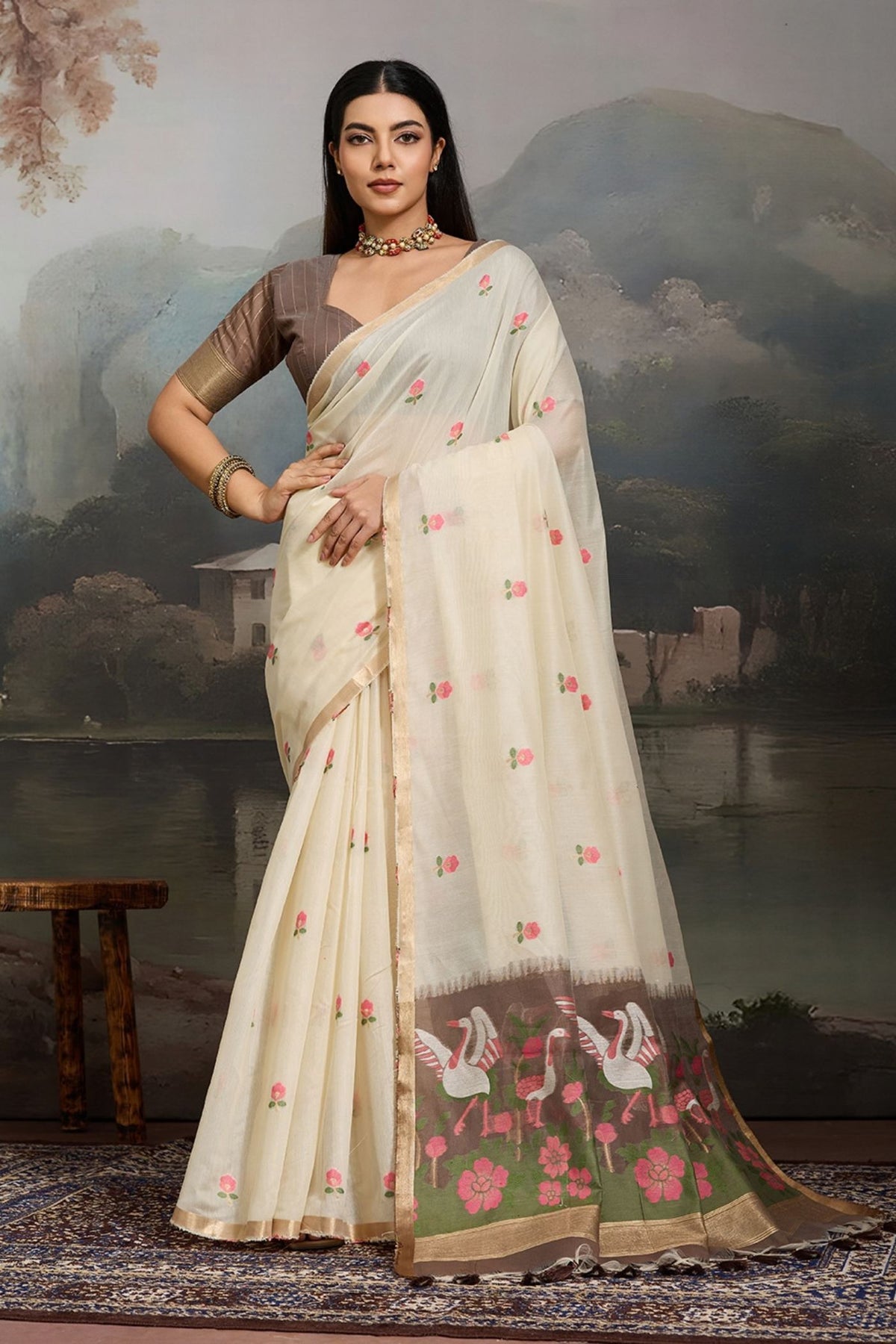
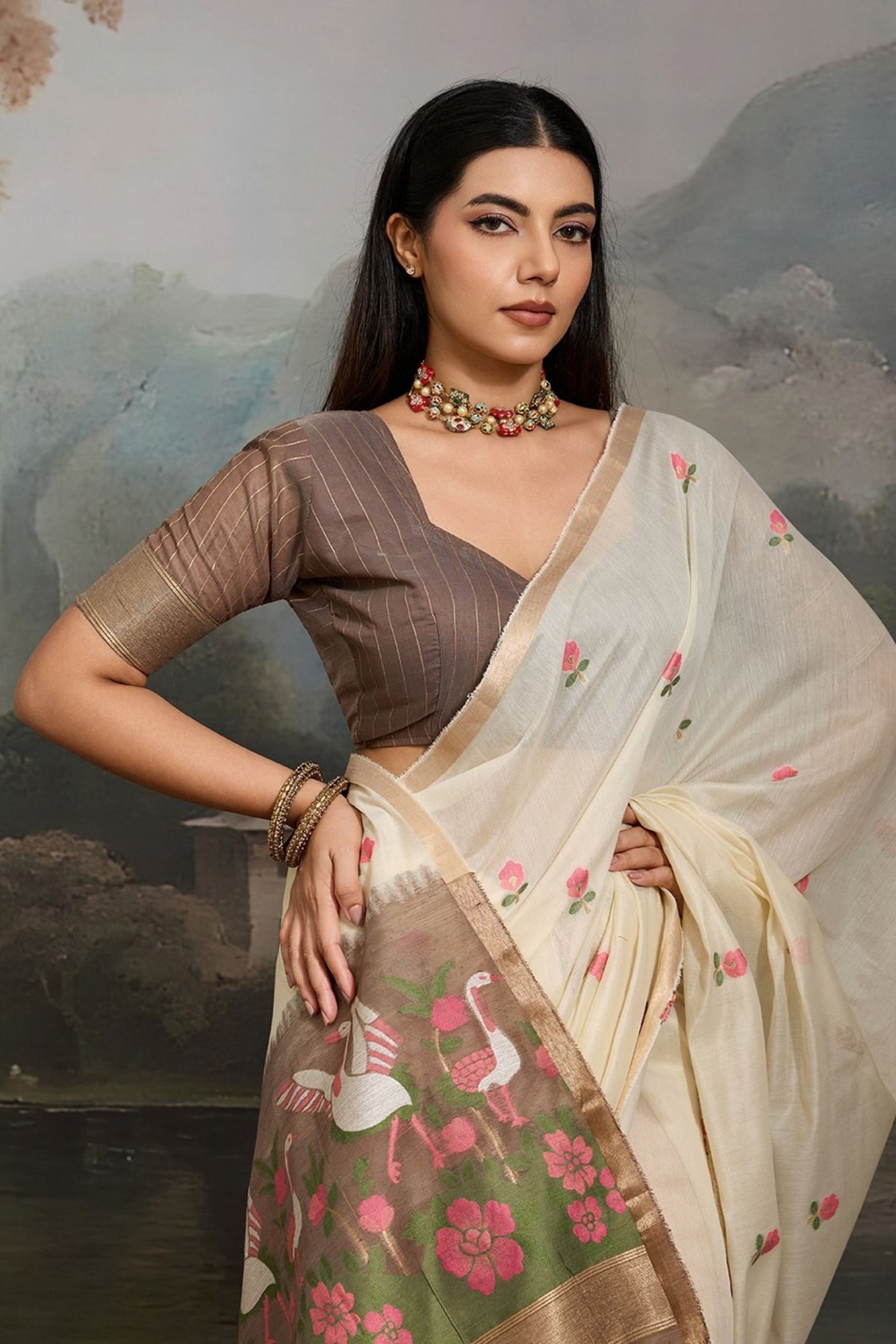
Snowdrop White Cotton Handloom Swan Saree
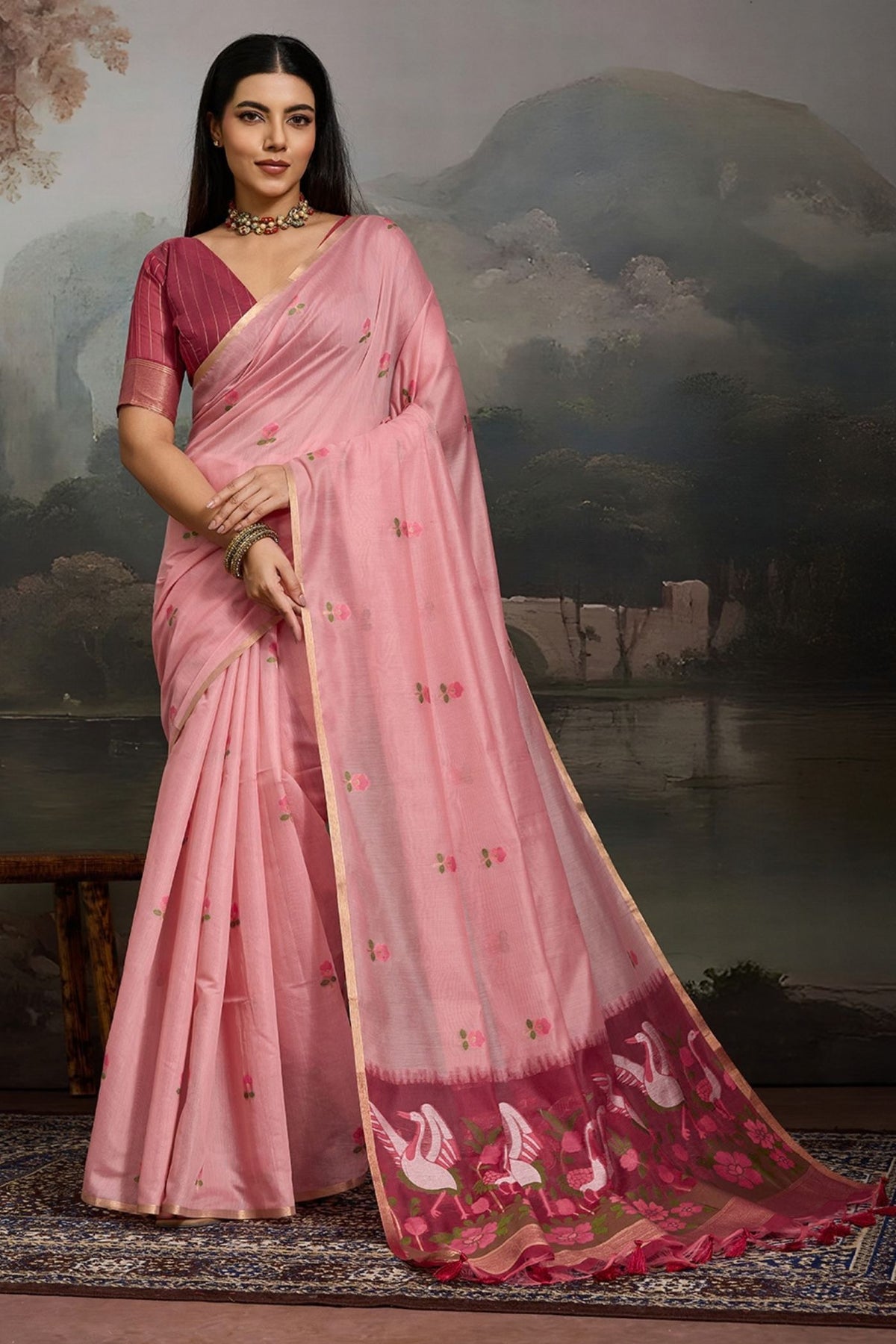
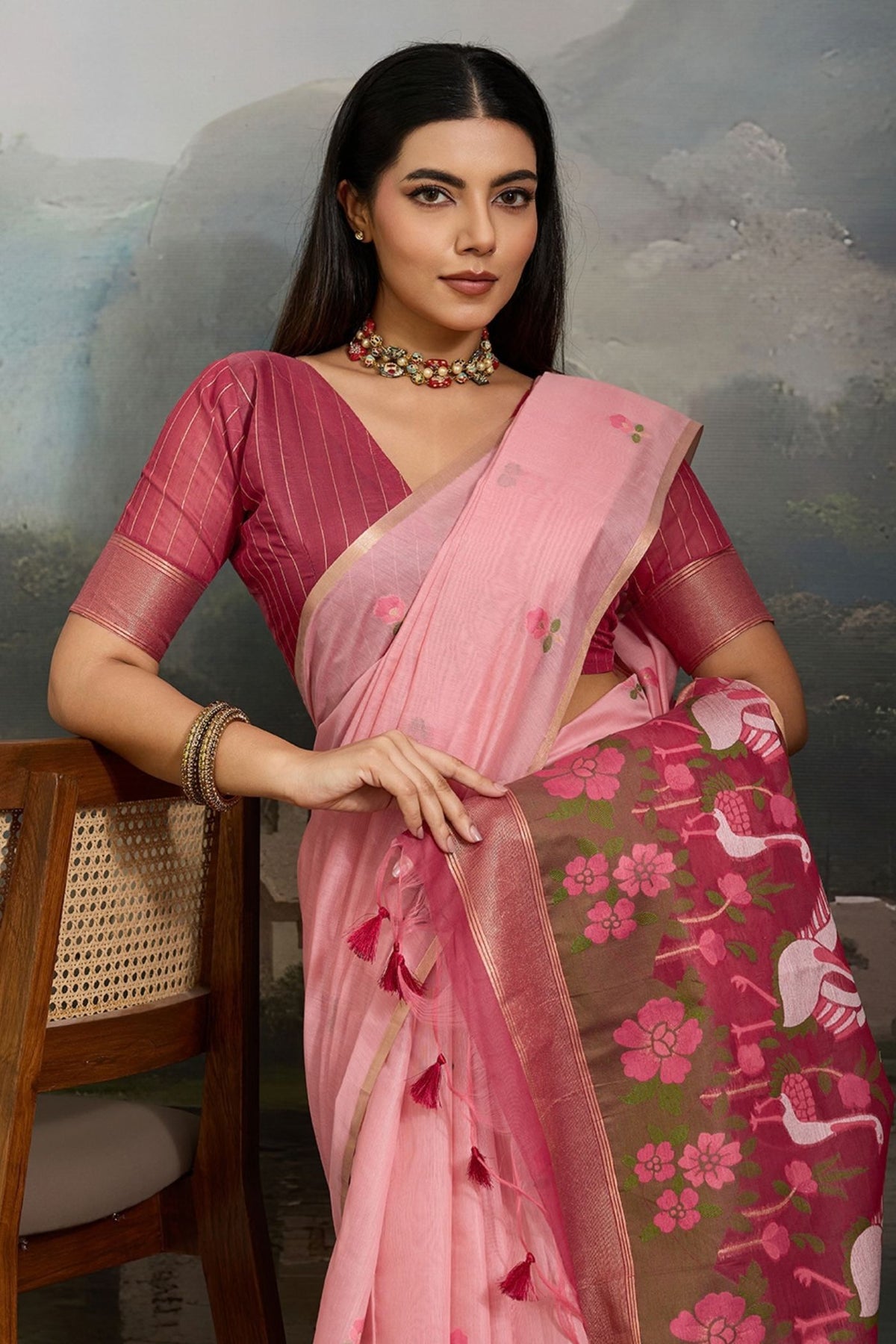
Tulip Blush Pink Cotton Handloom Swan Saree
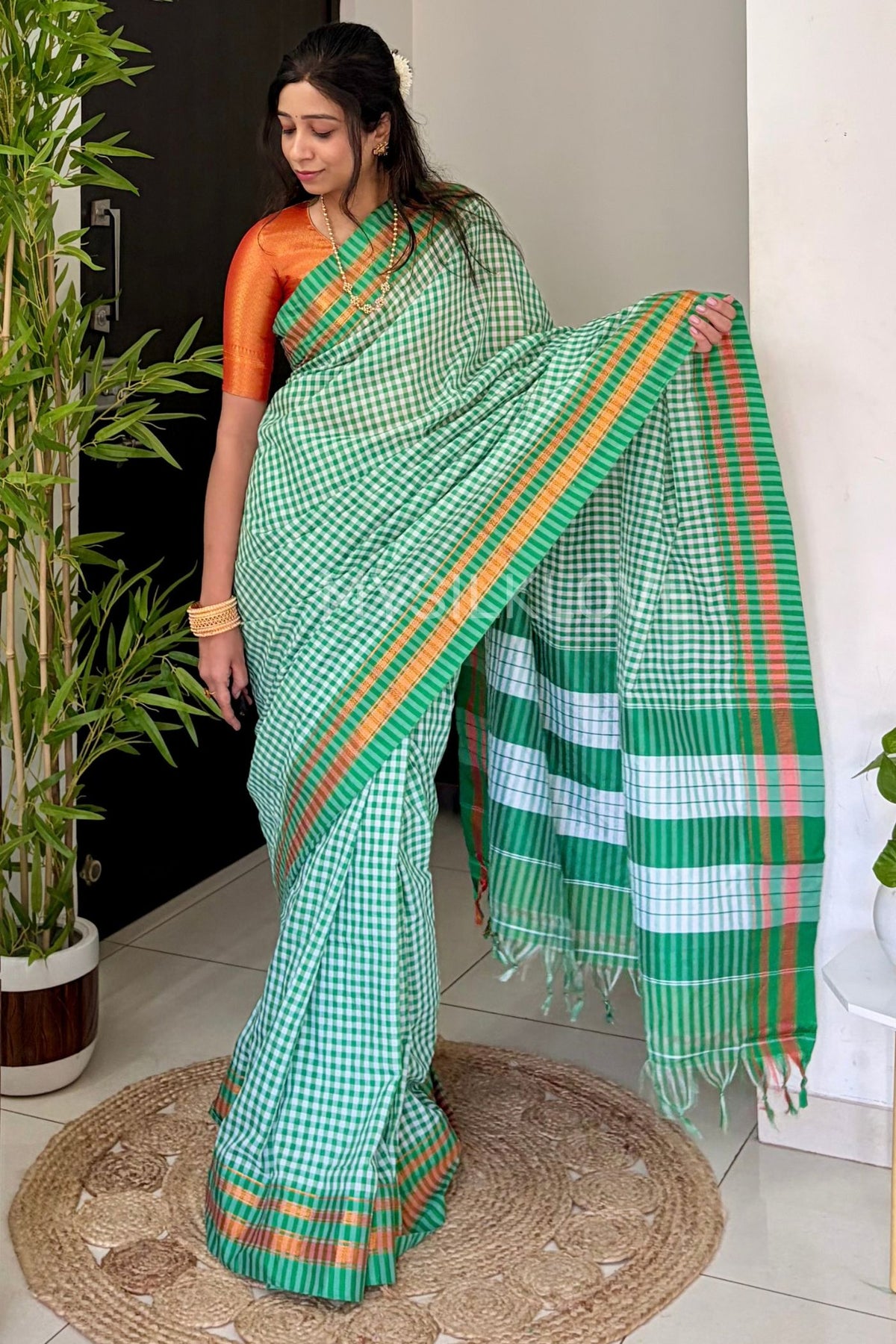
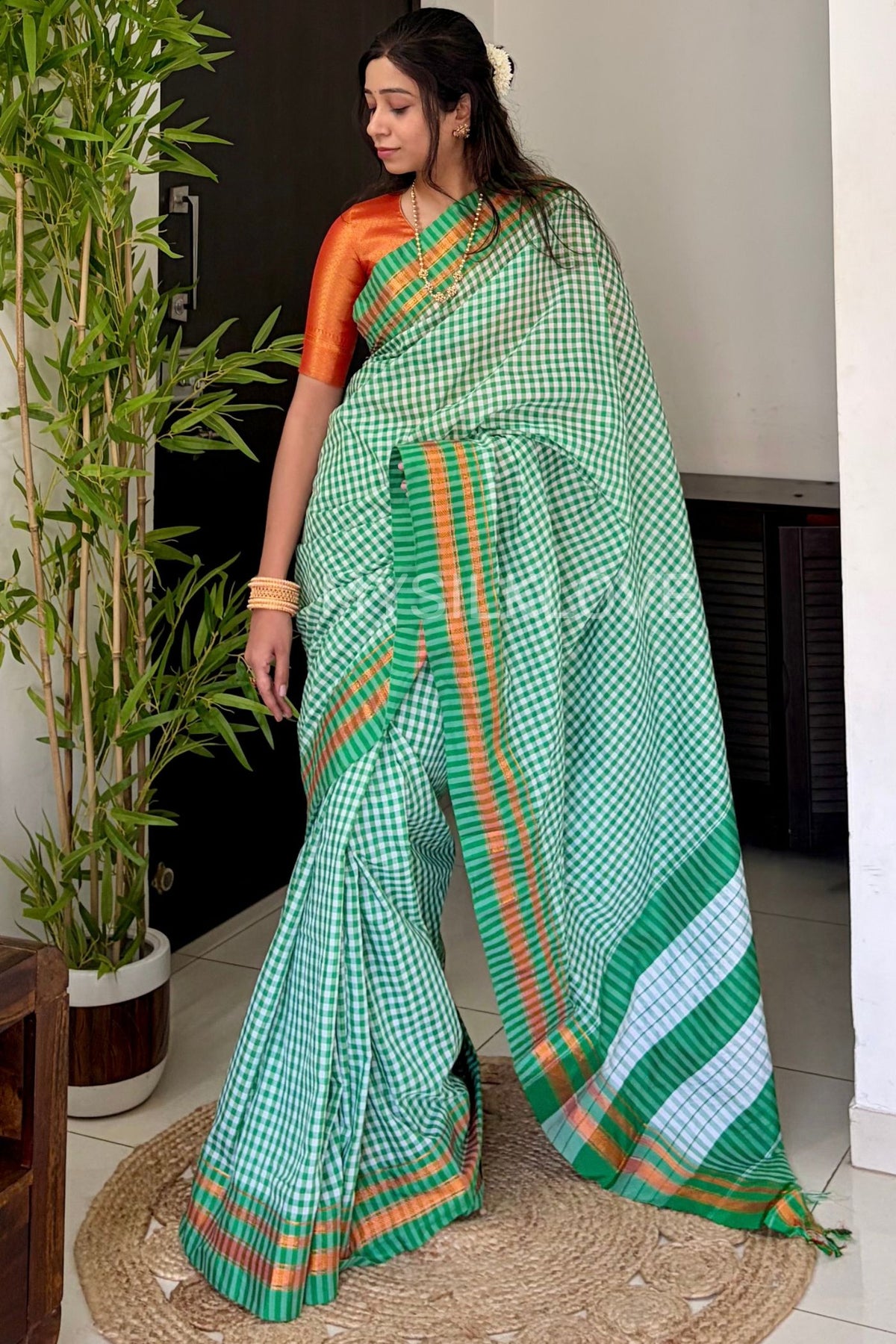
Raw Mango Green Soft Cotton Check Pattern Irkal Saree
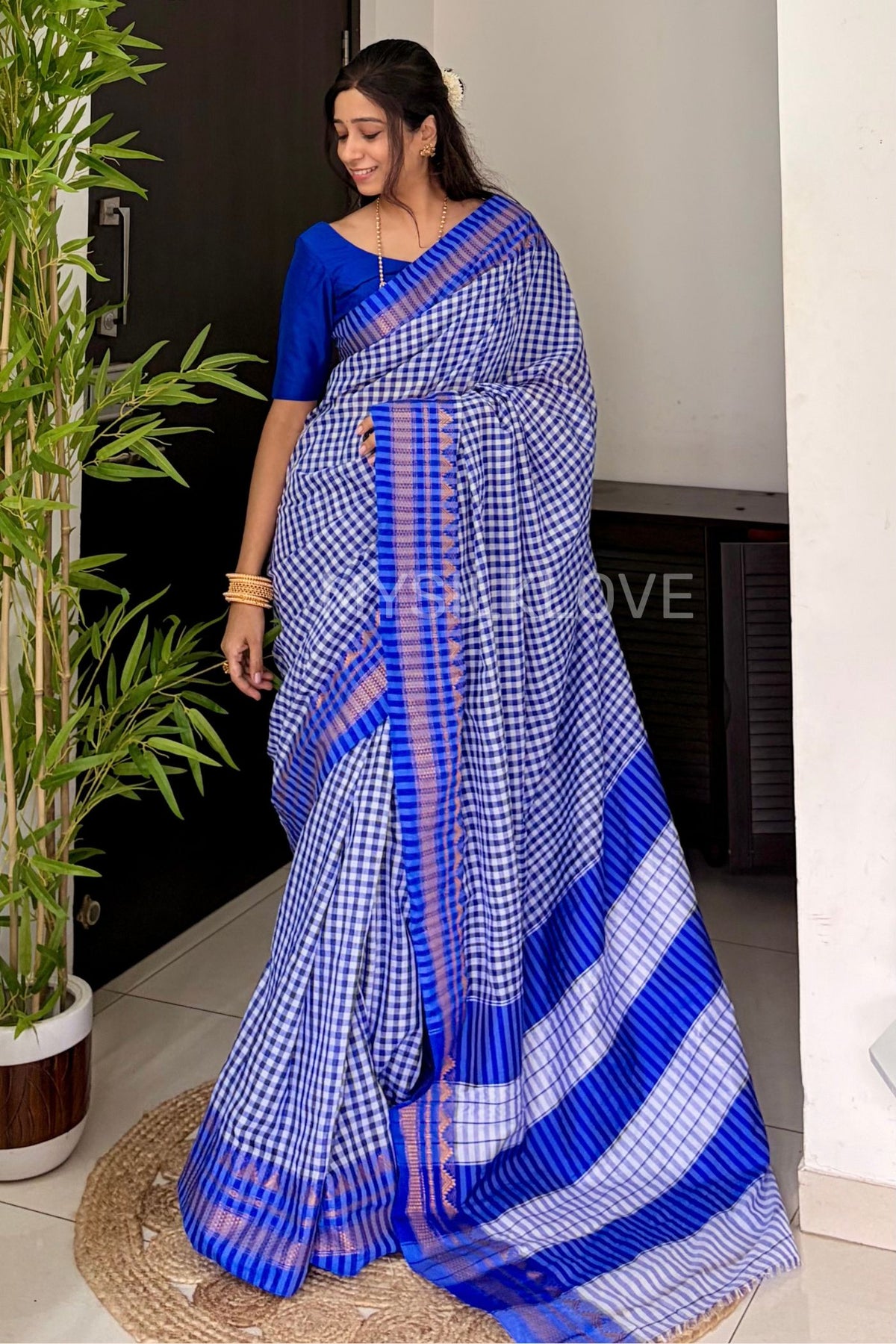
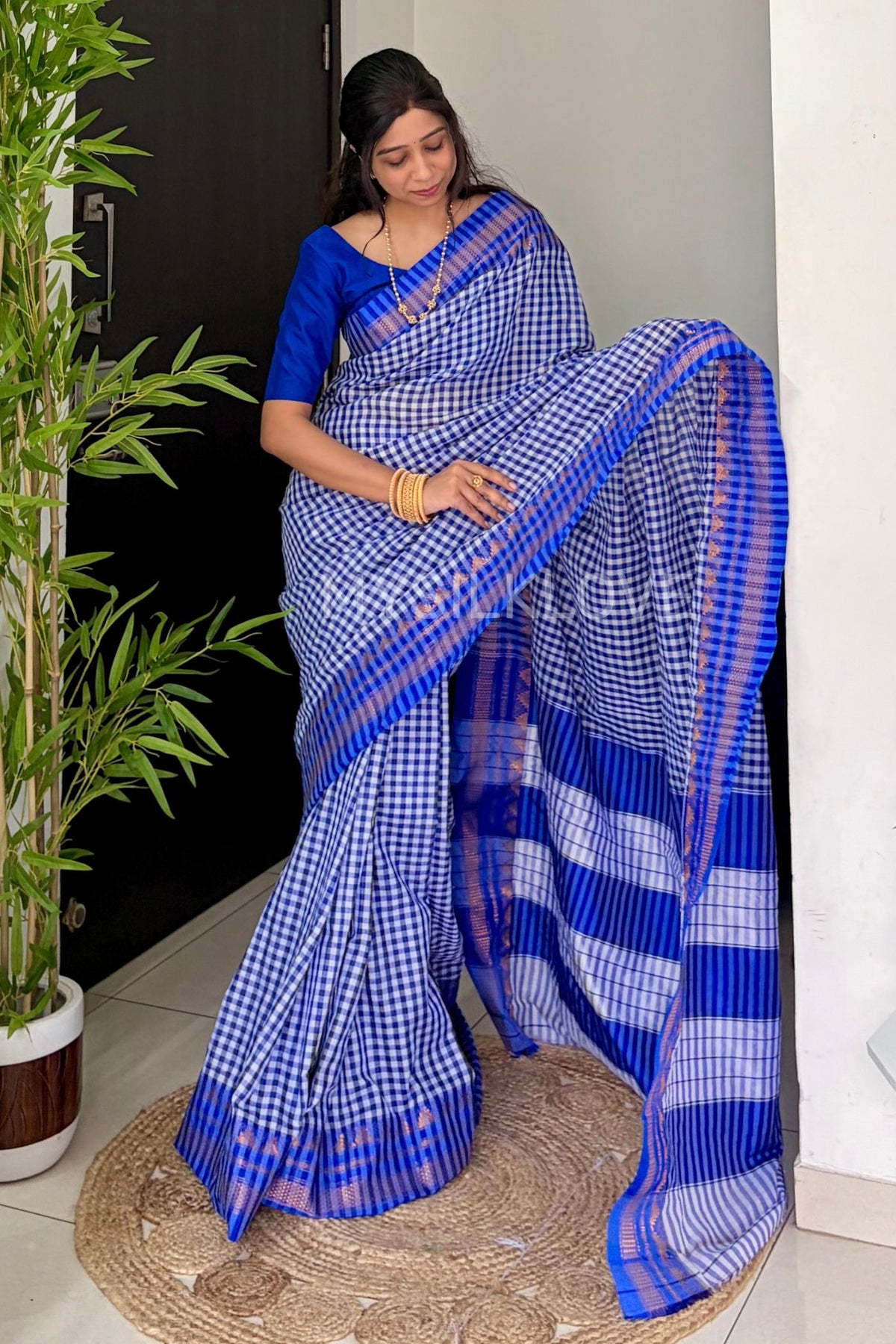
Regal Blue Soft Cotton Check Pattern Irkal Saree
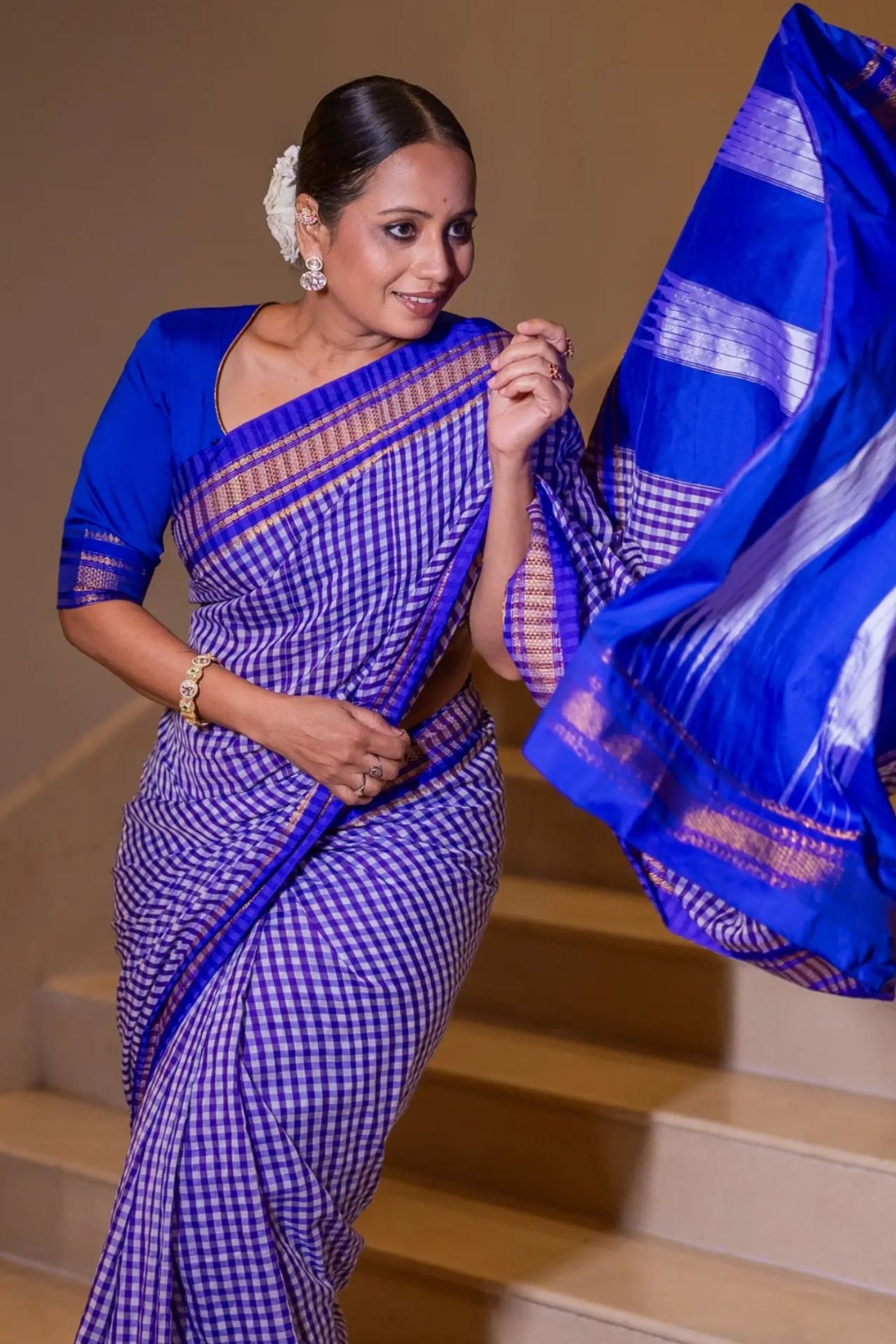
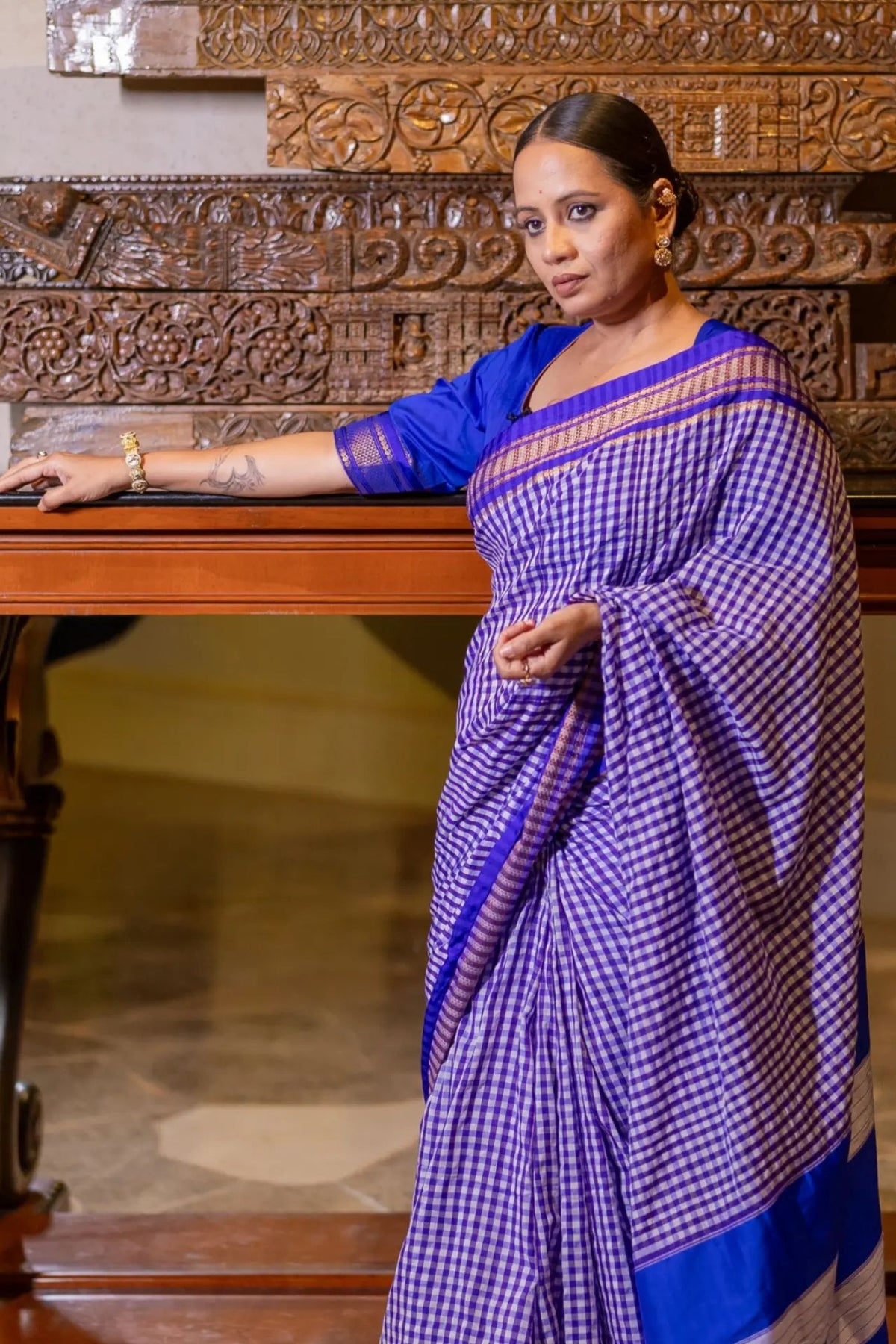
Bondi Blue Checks Pattern Pure Silk Irkal Saree
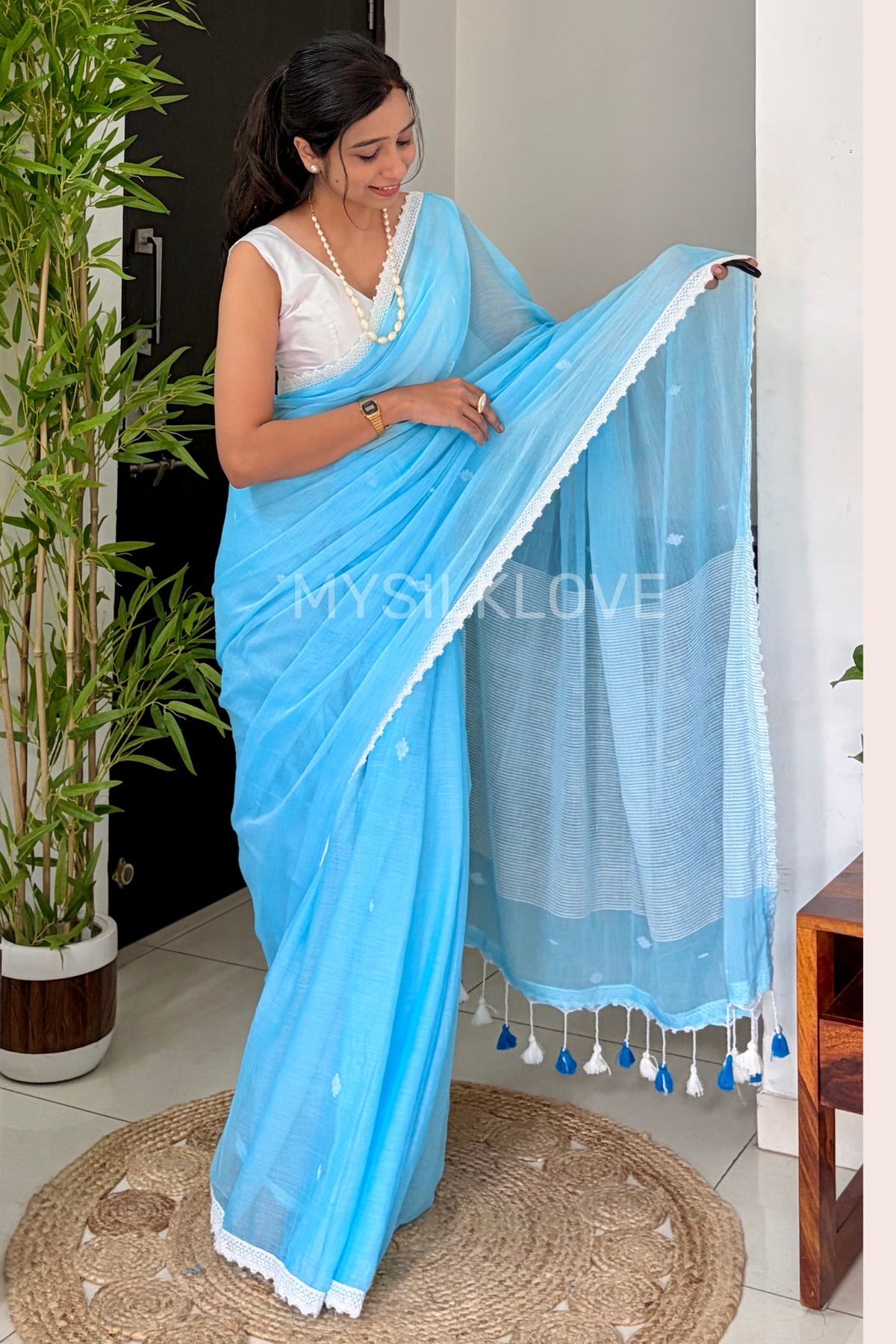
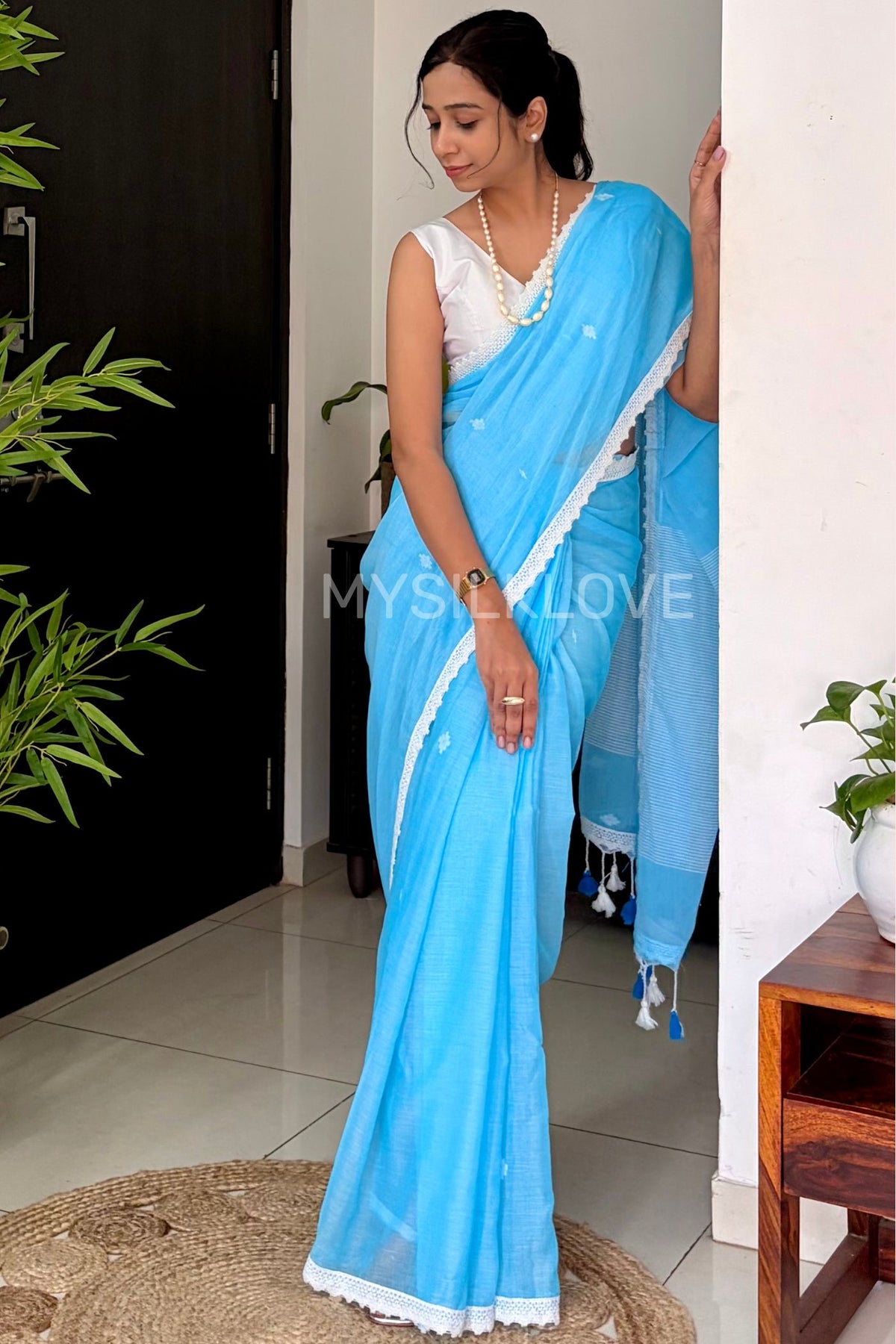
Water Blue Pure Mul Mul Cotton With White Lace Saree
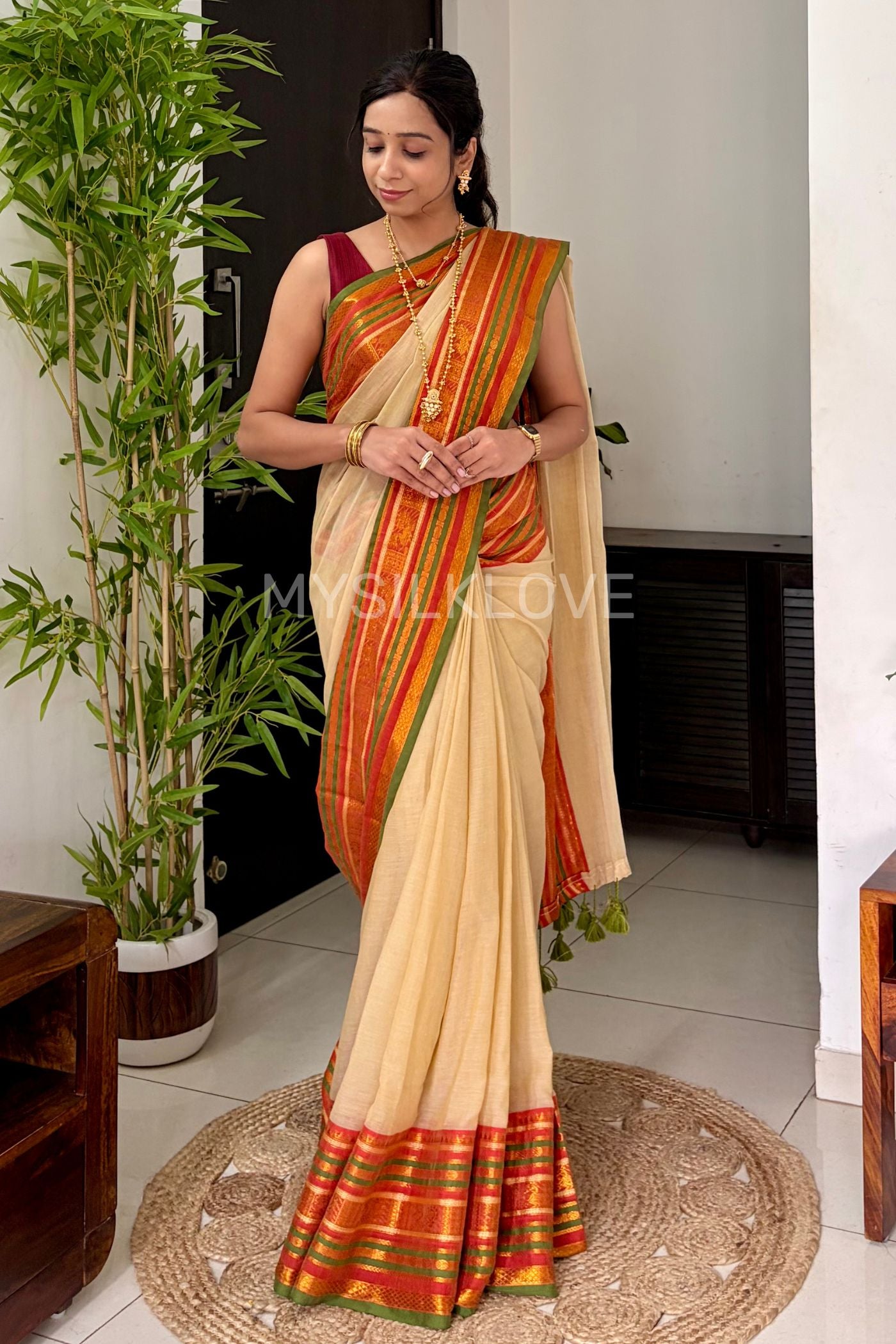
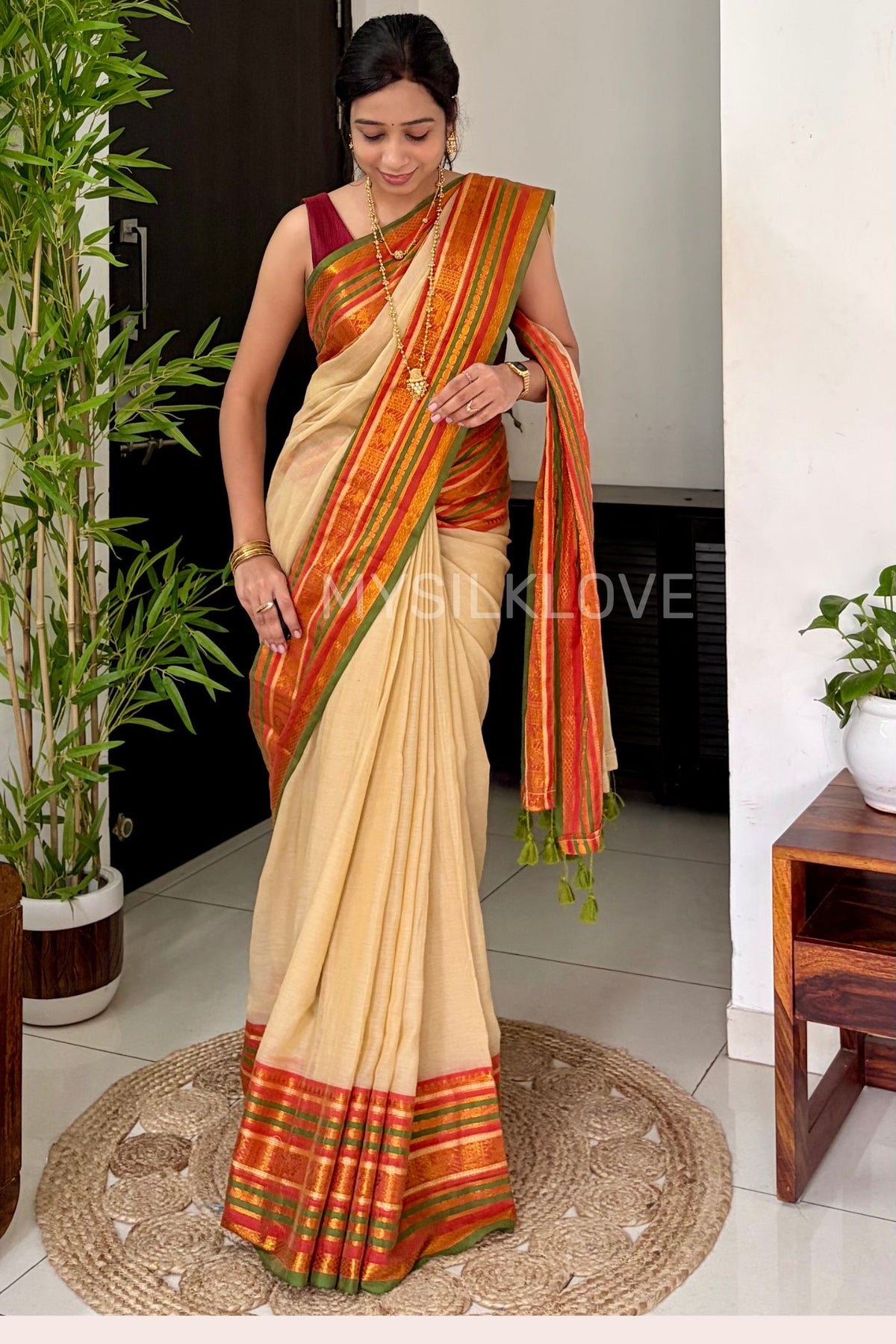
Pistachio Cream Mul Mul Cotton Kanchi Border Kanchipuram Saree
Frequently Asked Questions — Cotton Sarees
What is the difference between a handloom and a powerloom cotton saree, and how can I tell them apart?
A handloom cotton saree is woven by hand on a pit or frame loom, while a powerloom saree is produced by machine — and the fabric tells on itself. Handloom cotton shows tiny, natural irregularities in the weave, a slightly uneven selvedge, and small loose threads or knots on the reverse; the motifs may be a fraction asymmetric because a human hand placed them. Powerloom cotton is flawlessly uniform, machine-cut at the edges, and completely clean on the reverse. Feel is the second test: handloom cotton is supple and breathable, drapes naturally and grows softer with every wash, whereas powerloom cotton can feel stiff or unnaturally smooth. Price is the third: a genuine handloom cotton saree cannot be produced at throwaway rates, so extreme underpricing is a red flag. India's Handloom Mark is the formal certification. At MySilkLove, cotton listings state the weave honestly — handloom pieces are named as handloom, and cotton-silk blends are labelled as blends, never as pure cotton or pure silk.
Why do cotton saree prices vary, and what does a cotton saree cost at MySilkLove?
Cotton is often assumed to be a single, cheap category, but the price range is wide because three things vary: the yarn (fine, high-count cotton and cotton-silk blends cost more than coarse cotton), the weave (a handloom Jamdani or Muga cotton takes days or weeks on the loom, a plain powerloom cotton takes hours), and the ornamentation (woven zari borders, extra-weft butis, block printing and hand painting all add labour). At MySilkLove, the cotton sarees in stock run from everyday cotton weaves up to premium handloom pieces — Muga cotton, handloom Jamdani, Kashmiri Jamewar and handloom cotton Patola — and the price on each listing reflects its yarn, weave and ornamentation, so the listing itself is the best guide. Several of these premium weaves are cotton-silk blends, and each listing says so plainly. Those are regular list prices; seasonal offers apply at checkout and often bring the amount you pay lower. Cash on delivery is available, and our team can match a budget to the right piece over WhatsApp.
How do I wash, starch and iron a cotton saree?
Cotton is forgiving, but a few habits keep it looking new for years. Wash a new cotton saree separately for the first two or three washes, in cold water with a mild detergent, because natural dyes can bleed at first; adding a spoon of rock salt to the first soak helps set the colour. Hand washing is gentlest, though a plain cotton saree tolerates a delicate machine cycle in a mesh bag. Never wring or scrub — press the water out and dry in shade, as direct sunlight fades the dye. South Indian cottons are woven to hold starch, which is what gives them their crisp, structured drape: use a light rice-water or commercial starch on the body while damp, and skip starch on the zari border. Iron on a medium setting while the saree is still slightly damp, pressing the reverse of any zari or woven border through a thin cloth. Sarees with hand-painted, kalamkari or heavy zari work are safest dry cleaned. Every cotton saree from MySilkLove ships with care guidance.
When can I wear a cotton saree, and how do I style it?
Cotton is the most wearable saree fabric there is, which is exactly why it spans so many occasions. Lightweight cottons and mul mul are made for daily wear, office days and warm-weather afternoons, since the weave breathes and sits comfortably for hours. Crisp handloom cottons with woven borders move easily into temple visits, daytime functions and family gatherings, and richer handloom weaves — Jamdani, Muga cotton, Kashmiri Jamewar — hold their own at weddings and receptions. Styling follows the same logic: keep a plain cotton clean and modern with a contrast blouse, oxidised silver or terracotta jewellery, and a low bun; dress a woven handloom up with a zari-border blouse, gold jhumkas and a structured drape. A starched cotton holds sharp pleats and a firm pallu, so make the pleats narrow and pin the pallu so the border stays visible. Many cotton sarees at MySilkLove include a blouse piece, and our team can suggest pairings over WhatsApp.
Do cotton sarees shrink after washing, and how much length should I allow?
Yes, a little — cotton is a natural fibre and most cotton sarees lose roughly two to five per cent of their length in the first wash or two, after which they settle and stop moving. Handloom and unbleached cottons shrink a touch more than mercerised or pre-shrunk ones. It sounds alarming but rarely matters in practice: a saree is about 5.5 metres long, so even the higher end of that range takes off a few centimetres and leaves the drape unchanged. You can keep shrinkage to a minimum by washing in cold water with a mild detergent, never wringing or twisting, drying in shade rather than direct sun, and gently pulling the saree back to shape while it is still damp before ironing. The one thing genuinely worth doing is washing the blouse piece before you have it stitched — the blouse is cut to fit, so shrinkage there is far more noticeable than on the drape itself, and tailors will always advise the same. Every cotton saree from MySilkLove ships with care guidance, and our team is happy to advise on a specific weave over WhatsApp.
How can I tell if a cotton saree is pure cotton and not a polyester blend?
Start with touch: pure cotton feels matte, dry and slightly cool, softens as you handle it, and creases readily when you scrunch a corner in your fist, while polyester and poly-cotton blends feel smoother or faintly slippery, spring back almost crease-free and can cling with static. Then look at it in daylight — cotton has a soft, flat finish, whereas synthetics often carry an even, plasticky sheen. The most telling home check is burning a single loose thread from the inner edge, safely over a sink: cotton burns steadily, smells like burning paper and leaves soft grey ash, while polyester shrinks away from the flame, smells chemical and melts into a hard bead. A mix of ash and hard beads points to a blend. Blends are not a bad thing in themselves — cotton-silk, for example, adds sheen and a softer drape — they simply need to be named. Every MySilkLove cotton listing states its fabric, cotton-silk blends are labelled as blends, and our team can confirm the composition of any saree over WhatsApp before you order.
Is a cotton saree a good gift, and how do I choose one for someone else?
A cotton saree is one of the most practical gifts you can give, precisely because it gets worn. Mothers, aunts, teachers and colleagues often reach for cotton far more often than for silk, so a well-chosen piece is used for years rather than kept for one occasion. Choose by how the recipient lives: soft, light mul mul or printed cotton suits someone who wants an easy everyday saree, a crisp handloom cotton with a woven border suits temple visits and family functions, and a richer handloom weave makes a more special gift. Colour matters more than most people expect — earthy shades, indigo, and classic border contrasts are safe for a traditional wearer, while brighter prints suit a younger one. Finally, think about care: cotton is easy to wash at home, which many recipients value, though hand-painted or heavily zari-worked pieces are best dry cleaned. Check whether a blouse piece is included and leave it unstitched so it can be tailored to fit — under our returns policy, a saree ordered with blouse stitching, fall or pico work cannot be returned or exchanged. Every MySilkLove cotton listing states its fabric honestly, and our team can help you choose over WhatsApp.
Which cotton saree is best for hot and humid weather?
For heat and humidity, the best cotton saree is the one that lets air move and moisture escape. Mul mul is the classic answer: a very fine, soft, loosely woven cotton that feels almost weightless and dries quickly. Handloom cottons in a lighter count are the next best choice, since the open hand-woven structure breathes better than a dense, heavily starched weave. Light colours and small prints reflect heat and hide perspiration marks better than deep, solid shades. Thinner borders keep the saree lighter at the waist, and an unlined, well-fitted cotton blouse in the same breathable fibre matters as much as the saree itself. Heavier cotton-silk blends and richly woven Jamdani or Muga pieces are lovely but warmer, so keep them for cooler evenings or air-conditioned events. Wash in cold water, dry in shade and go easy on starch, because heavy starch traps heat and stiffens the fabric against the skin. Every MySilkLove cotton listing states its fabric honestly, and our team can suggest a lightweight option for your climate over WhatsApp.