
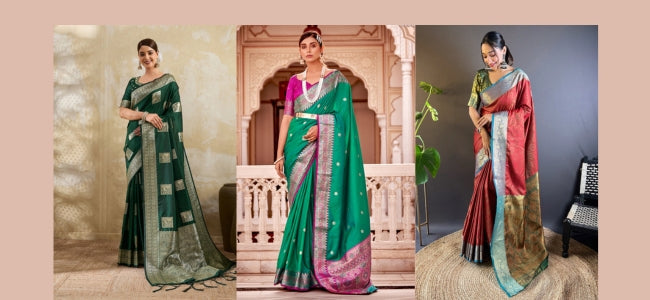
Pattu Sarees Explained: Types, Real Prices & How to Spot Pure Silk (2026)
Pattu simply means "silk" in Tamil and Telugu, so a pattu saree is any pure-silk saree woven in South India — with the Kanchipuram (Kanjivaram) pattu being the most famous of them all. A genuine pattu saree is woven from mulberry silk with real zari (gold- or silver-wrapped thread), typically weighs between 500 and 900 grams, and carries a Silk Mark tag or a GI (Geographical Indication) certificate. In 2026 you can expect to pay roughly ₹3,000–₹8,000 for a lightweight everyday pattu and ₹15,000 or more for a heavy bridal Kanchipuram. This guide breaks down the types, the real prices, and how to tell pure pattu from a polyester imitation before you hand over your money.

What "pattu" actually means
Unlike "Banarasi" or "Paithani", which name a specific weave, pattu is an umbrella term for silk itself. So "pattu saree" covers a whole family of South Indian silk weaves rather than one. What unites them is the raw material — pure mulberry silk warp and weft — and the use of zari for the border (which South Indian weavers call the korvai when the contrast border is woven separately and interlocked by hand). If a saree is sold as "pattu" but feels papery, weighs under 350 grams, and has a border that's printed rather than woven, it isn't true pattu.

The main types of pattu sarees
Each silk-weaving cluster in the south has its own signature, and knowing them helps you shop with confidence:
- Kanchipuram (Kanjivaram) pattu — the heavyweight queen, from Tamil Nadu. Thick three-ply mulberry silk, broad korvai contrast borders, temple and check motifs. The most prized (and priciest) pattu. Our full Kanjivaram silk saree guide goes deep on this one.
- Arani pattu — also Tamil Nadu, lighter and more affordable than Kanchipuram, with fine checks and small buttas. The everyday pattu most families actually wear.
- Dharmavaram pattu — from Andhra Pradesh, known for broad gold borders and interlocked-weft brocade pallus, popular for weddings.
- Gadwal pattu — a clever Telangana weave with a cotton body and pure-silk border and pallu, so it's lighter on the body and the wallet while still reading as silk.
- Mysore pattu — soft, lightweight, fluid Karnataka silk with minimal zari and a smooth drape; the easiest pattu for beginners and warm weather.

How to identify a pure pattu saree
South Indian weavers use a few quick checks, and you can too:
- The burn test on a loose zari thread: pull a tiny strand of the border zari and burn it. Real zari leaves a fine reddish copper/silver residue and smells of burnt paper; fake metallic plastic curls into a hard black bead.
- The silk burn: a genuine silk thread smells like burnt hair and turns to crushable ash. Polyester smells chemical and melts into plastic.
- Weight and grip: pure pattu has heft and a slight grip between the fingers; imitation art-silk is slippery and unnaturally light.
- The Silk Mark / GI tag: look for the Silk Mark Organisation of India hologram, or a GI certificate for Kanchipuram, Dharmavaram, or Gadwal.
For a fuller walkthrough, see our 5 at-home tests to spot a fake silk saree.
Pattu saree price guide (2026, India)
Honest tiers, blouse piece usually included:
- ₹3,000–₹5,000 — lightweight Arani, Mysore, or Gadwal-style pattu for daily and office wear.
- ₹5,000–₹12,000 — mid-weight silk with fuller zari work; festival and family-function territory.
- ₹15,000–₹40,000+ — heavy bridal Kanchipuram with broad korvai borders and rich pallus.
If a "Kanchipuram pattu" is offered under ₹2,000, it's almost certainly art silk, not pure mulberry.

How to choose by occasion
For a wedding as the bride, a heavy Kanchipuram or Dharmavaram in red, maroon, or gold is traditional. As a guest, a mid-weight Arani or a soft Mysore pattu drapes beautifully without weighing you down. For office or daytime functions, a Gadwal (cotton-silk) gives you the silk look with all-day comfort. Pair a contrast-border korvai pattu with temple jewellery and you have a complete classic South Indian look.
Caring for your pattu saree
Always dry-clean pure pattu — never machine wash, as water dulls the zari. Store it folded in a cotton or muslin cloth, refold along different lines every few months so the silk doesn't crack at the creases, and keep silica or neem to deter damp during monsoon. Browse our full pattu saree collection to see these weaves in person.
Frequently asked questions
Is pattu saree the same as Kanjivaram? No. Kanjivaram (Kanchipuram) is one type of pattu. All Kanjivarams are pattu, but not all pattu sarees are Kanjivaram — Arani, Mysore, Gadwal, and Dharmavaram are pattu too.
Is pattu saree pure silk? True pattu is pure mulberry silk. Some lighter weaves like Gadwal blend a cotton body with a silk border, which is still genuine pattu but not 100% silk throughout.
What is the lowest realistic price for a pure pattu saree? Around ₹3,000 for a genuine lightweight Arani or Mysore silk. Below ₹2,000, treat "pure silk" claims with caution.
Which pattu saree is best for daily wear? Mysore and Arani pattu — soft, light, and far easier to manage than a heavy Kanchipuram.

Shop pure pattu silk sarees
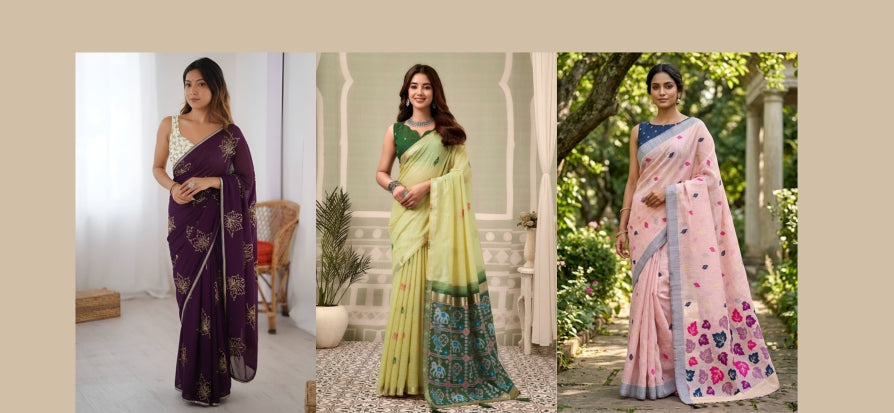
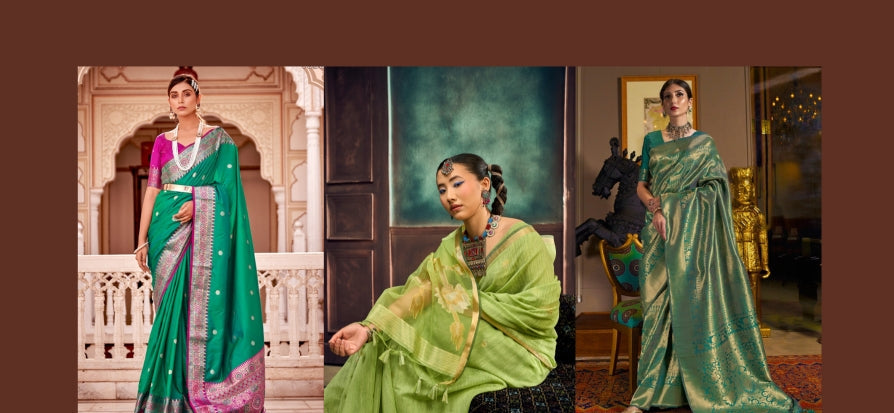
Ready to bring one home? Explore our handpicked pure pattu silk sarees across every southern weave, browse the heavyweight Kanchipuram (Kanjivaram) silk sarees if you want the bridal queen, or pick a lighter, fluid drape from our soft South Indian silk sarees for daily and festive wear. Sort by price to find your tier.
%20pattu%20being%20the%20most%20famous%20of%20them%20all.%20A%20genuine%20pa...)
2 comments
Hi,
I recently published an article sharing practical ways brides can style Tussar silk sarees for a modern, Instagram-worthy wedding look. It covers everything from contemporary draping and fusion blouse designs to choosing fabrics, jewelry, lighting, and photography ideas. The article can help your readers discover simple ways to blend traditional Indian elegance with their personal style. It also includes practical tips for creating comfortable, memorable bridal looks without over-accessorizing. I think it could be a useful addition to your content, especially for readers interested in bridal fashion and silk sarees. Would you consider adding a link to the article from a relevant page on your website? I’d be happy to explore a relevant content opportunity in return as well. Thank you for your time and consideration—I really appreciate it!
https://royaldrape.infinityfreeapp.com/wp/tussar-silk-sarees-create-instagram-worthy-bridal-moment/↗
Best regards,
Royal Drape
subhadra dm
Hi,
I recently published an article sharing practical ways brides can style Tussar silk sarees for a modern, Instagram-worthy wedding look. It covers everything from contemporary draping and fusion blouse designs to choosing fabrics, jewelry, lighting, and photography ideas. The article can help your readers discover simple ways to blend traditional Indian elegance with their personal style. It also includes practical tips for creating comfortable, memorable bridal looks without over-accessorizing. I think it could be a useful addition to your content, especially for readers interested in bridal fashion and silk sarees. Would you consider adding a link to the article from a relevant page on your website? I’d be happy to explore a relevant content opportunity in return as well. Thank you for your time and consideration—I really appreciate it!
Best regards,
Royal Drape
subhadra dm
Leave a comment
This site is protected by hCaptcha and the hCaptcha Privacy Policy and Terms of Service apply.