
Article: Kanjivaram Saree History: From Kanchipuram's Temple Looms to a GI Tag, Decoded (2026)

Kanjivaram Saree History: From Kanchipuram's Temple Looms to a GI Tag, Decoded (2026)
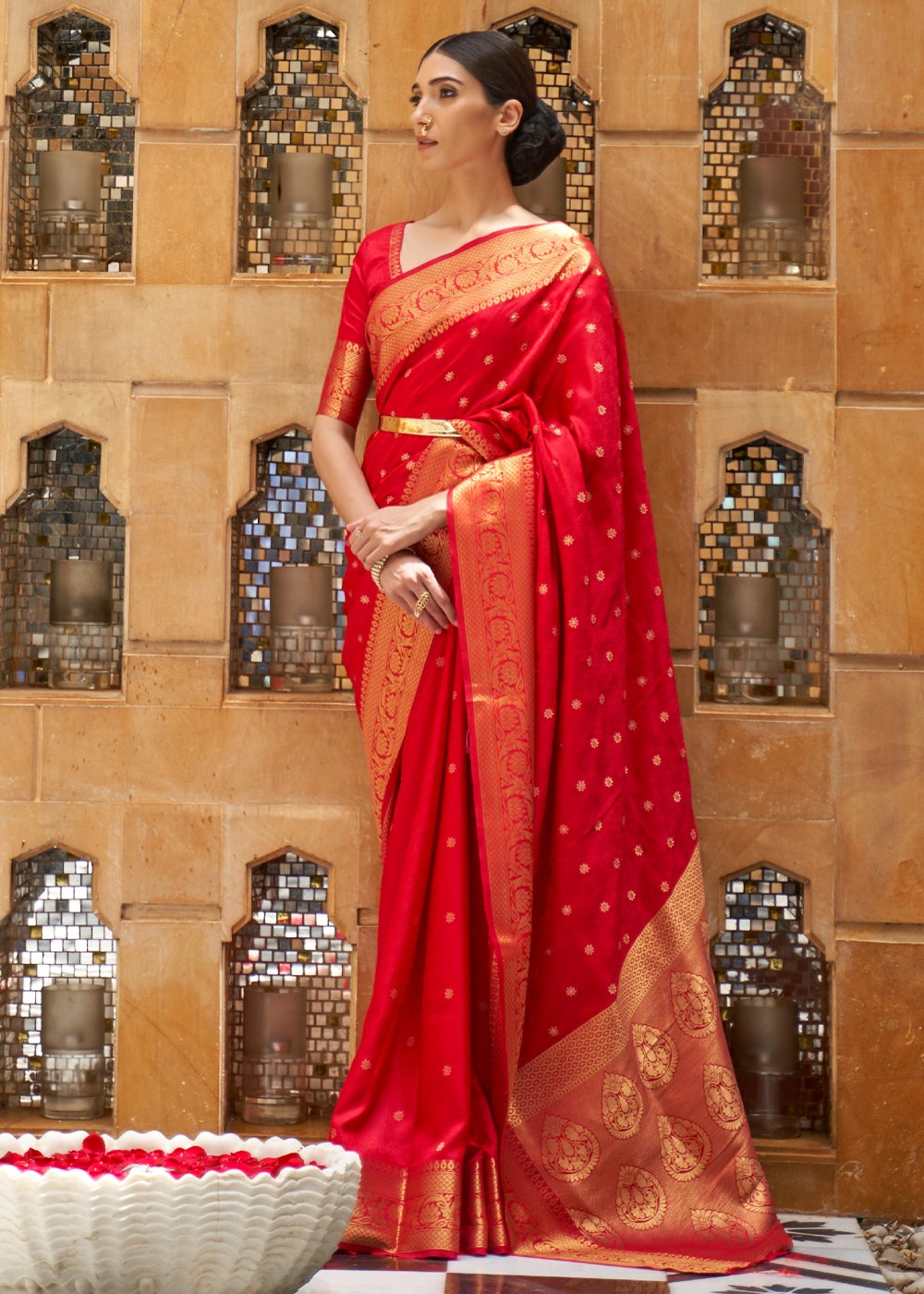
The Kanjivaram saree comes from Kanchipuram, a temple town in Tamil Nadu where silk weaving is traced back about a thousand years. Its signature is the korvai join: body and border woven separately and interlocked, so the border will not tear away. It earned a Geographical Indication tag in 2005.
Every Kanjivaram on a shop rail is wearing that history. Here is the short version, and what it means when you pick one today.
Why Kanchipuram? A Town Built Around Temples
Kanchipuram is a city of temples, among them the Kamakshi Amman and Ekambareswarar shrines. Temples needed festival silks for deities and priests, and that steady demand kept weavers fed for generations. Records of silk weaving here are traced to roughly the 10th century, associated with the Saliyar community.
Later waves of weavers settled in town, among them the Devanga, the Sengunthar (Kaikolar) and Saurashtra families, drawn by royal patronage and temple orders. That mix is why Kanjivaram design vocabulary is so layered: temple towers, peacocks, yalis and mango motifs sit side by side.
The Legend Weavers Still Tell
Kanchipuram weaving families say they descend from Sage Markandeya, the weaver of the gods, who is said to have woven cloth from lotus fibre. Treat it as community tradition, not documented history. But it explains why a Kanjivaram is still seen as an auspicious gift, the cloth you buy for a wedding rather than just for a party.
The Technical Genius: Korvai and Real Zari
Two details separate a true Kanjivaram from a lookalike.
- Korvai (interlocked) weaving: the border and pallu are woven separately in a contrasting colour and joined to the body with interlocking weft. That is why a contrast-border Kanjivaram can carry a deep red body with a green border and still hold together through decades of wear.
- Zari with real metal: traditional Kanjivaram zari is reported to be about 57% silver with roughly 0.6% gold plating. Plenty of the gold zari used in Kanchipuram is sourced from Surat, which shows how connected India's weaving centres are.
A handloom Kanjivaram is also heavy. Expect roughly 700 to 1,000 g for a traditional 6-yard piece, and you will feel it on the shoulder by the second hour of a wedding.
From Royal Cloth to a GI Tag
For centuries Kanjivaram was the cloth of temples and courts. Then power looms and imitations arrived, and the name began to be stamped on everything shiny. In 2005 the Kancheepuram silk saree received a Geographical Indication tag, which legally ties the name to goods woven in the Kanchipuram region to defined standards.
The practical meaning: if a label says Kanchipuram handloom silk, ask for the Silk Mark and the weaver cluster. If it only says Kanjivaram-style, that is a design reference, not a place of origin.
Our Honest Take
A genuine Kanchipuram handloom piece is an heirloom purchase, and prices reflect weeks of work. For many buyers, a Kanjivaram-inspired silk blend is the sensible entry point: the same contrast-border look, lighter to wear, and far easier on a first budget. We say plainly that our accessible Kanjivaram-style sarees are blends, not handloom, and we think that clarity is the right way to sell tradition. Our Kanjivaram price guide shows what each tier really costs.
Shop the Edit
Regular list prices are shown on-site, and seasonal offers at checkout often bring these lower.
- Thunderbird Red Zari Woven Kanjivaram Saree: the classic bridal red with contrast border.
- Boston Blue Zari Woven Kanjivaram Saree: a cooler festive shade.
- Ruby Purple Zari Woven Kanjivaram Saree: jewel tone for evening ceremonies.
- White Gold Woven Kanjivaram Saree: a gold-on-ivory option for pujas.
Browse the full Kanjivaram sarees collection, or compare with our Banarasi sarees.
Explore Kanjivaram-Style Colours
Once you know the korvai contrast border you want, narrow it by colour: shop red silk sarees for weddings and pujas, browse jewel-tone purple sarees, or see our blue sarees for festive evenings.
FAQ
Where does the Kanjivaram saree come from?
It is woven in Kanchipuram (Kancheepuram), Tamil Nadu, a temple town with silk weaving traced back about a thousand years. The name Kanjivaram is simply the anglicised form of Kancheepuram, and the GI tag protects goods woven in that region.
What makes a Kanjivaram different from other silk sarees?
Three things: heavier mulberry silk, the korvai join that interlocks a contrast border to the body, and zari traditionally made with real silver. Together they give the stiff, rich fall that thinner silks do not have.
How can I tell a real Kanchipuram saree?
Ask for the Silk Mark, the GI authentication and the weaver cluster, and check that the border is joined with a zigzag korvai line at the pallu. A very low price for a full silk piece is itself a warning sign.
Wear the Tradition This Wedding Season
Wedding season is here, and a Kanjivaram is the one saree that never looks out of place. Start with our Kanjivaram sarees collection and find your colour.
Leave a comment
This site is protected by hCaptcha and the hCaptcha Privacy Policy and Terms of Service apply.