
Tulsi Vivah 2026 Saree Guide: What to Wear on 20–21 November (Paithani, Green & Gold Looks)
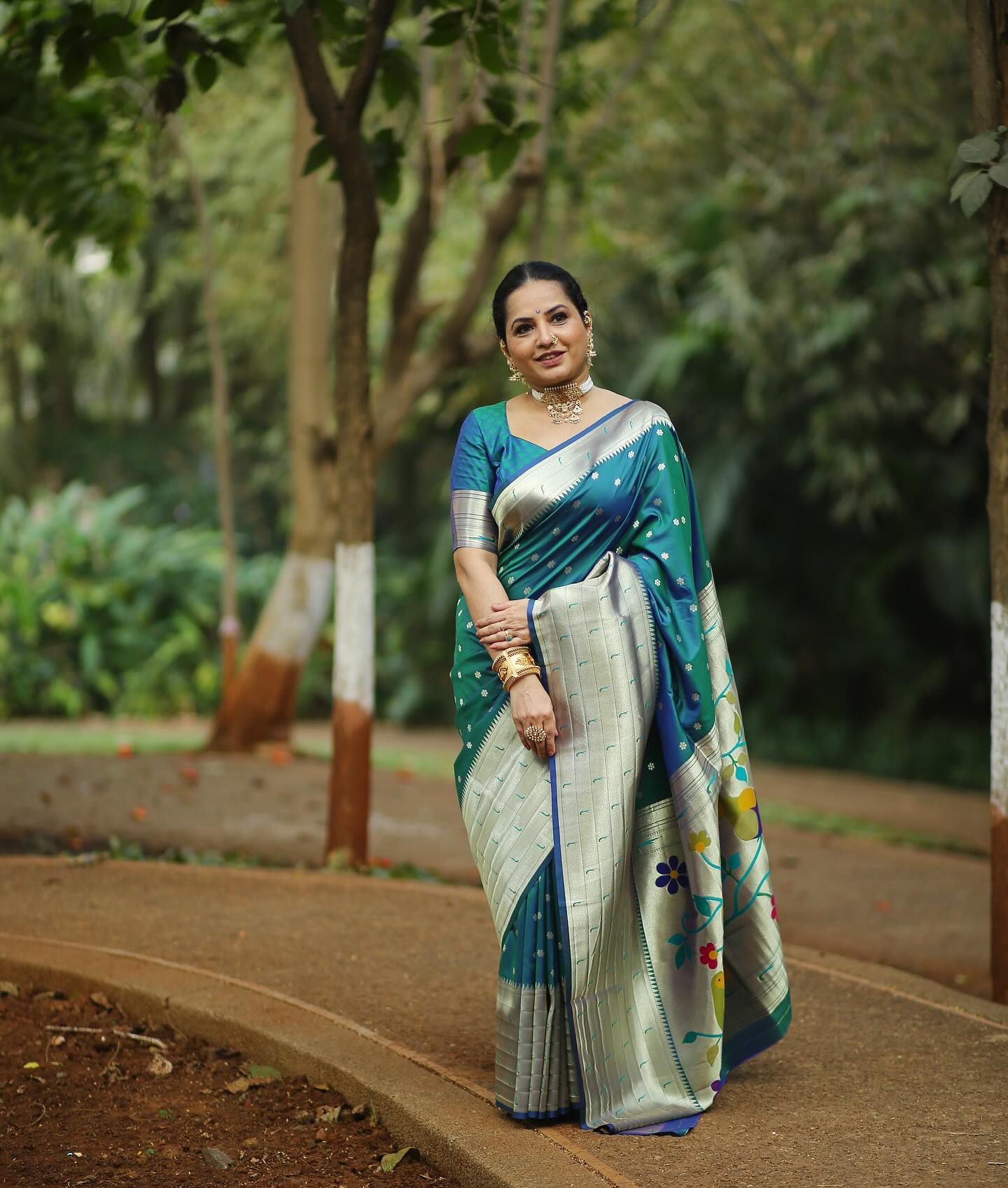
For Tulsi Vivah on 20–21 November 2026, wear a silk saree in green, red, mustard or deep pink with a visible zari border; a Paithani is the classic Maharashtrian choice. The ritual happens at the tulsi vrindavan in your courtyard or balcony, so choose something that drapes cleanly for sitting on the floor, circling the plant and carrying a diya. Devutthana (Prabodhini) Ekadashi falls on 20 November, and most households hold the Tulsi–Shaligram wedding on Dwadashi, 21 November; confirm the exact muhurat with your family panchang.
Why this festival deserves its own saree
Tulsi Vivah is a home wedding. The tulsi plant is dressed as a bride, with a small saree or chunri, bangles and a bindi, and the women of the house dress to match. It also marks the end of Chaturmas, the four-month pause, and for many families the unofficial start of the wedding season. That makes it the first proper silk-saree outing after Diwali, and it lands just days before Dev Deepawali on 24 November.
The colours that work
- Green: tulsi itself, and the colour of Vishnu's consort in many traditions. A parrot or bottle green with gold is the safest pick.
- Red and maroon: the bridal logic of the day. Rich, not neon.
- Mustard and turmeric yellow: Vishnu's colour. Beautiful in morning light.
- Rose pink and purple: a softer festive route, especially in Paithani.
Skip black and all-white; both are traditionally avoided at auspicious home ceremonies.
Why Paithani is the natural Maharashtrian choice
Paithani is woven with the tapestry technique: separate zari-and-silk weft shuttles build each motif (the peacock, the lotus, the narali border) rather than floating threads across the back. A true Yeola handloom Paithani takes weeks to months on the loom and typically sells for tens of thousands of rupees. Our Paithani-style sarees are accessibly priced woven silk blends in the traditional designs, which is a different product from the heirloom handloom and is meant for exactly this kind of festival wearing. See our Paithani history guide for how to tell the two apart.
Drape it for the ritual, not the photo
You will spend 30–45 minutes sitting cross-legged, then circling the vrindavan. Practical choices from experience: keep the pleats shallow (5–6, not 8), pin the pallu at the shoulder with a safety pin because you will bend over the diyas, and wear a petticoat with a drawstring you can loosen when sitting. A nine-yard Nauvari weighs around 800 g and suits long ceremonies because it is a divided drape, but a six-yard Paithani in the Nivi style is easier if you are hosting. Our saree draping guide walks through both.
My opinion: for a day this domestic, a mid-weight woven silk beats a heavy brocade. You will be near flames and you will be on your feet in the kitchen. Save the 1.2 kg bridal weight for the weddings that follow.
Shop the Edit
- Casal Green Woven Paithani Silk Saree — dark green with a broad border and bird-motif pallu; regular list price ₹5,985.
- Sycamore Green Zari Woven Titli Royal Paithani — butterfly (titli) motifs; list price ₹5,999.
- Mulberry Wood Purple Woven Paithani Silk Saree — a deep, regal purple; list price ₹5,277.
- Rose Pink Woven Paithani Silk Saree — the soft festive option; list price ₹5,985.
Seasonal offers at checkout often bring these lower. Browse the full range in our Paithani sarees collection, and see the saree occasions guide for the rest of the festive calendar.
Order timing
Diwali week (6–11 November) will slow couriers across India, so order by the first week of November if you want the saree in hand, steamed and fall-stitched before 20 November.
Explore more Tulsi Vivah sarees
- Shop tulsi-inspired shades in our green silk sarees.
- Add a zari glow with our golden sarees.
- Planning the wedding season ahead? See our bridal and wedding saree edit.
FAQ
What colour saree should I wear for Tulsi Vivah?
Green, red, maroon, mustard yellow and deep pink are the usual choices, ideally with a gold zari border. Green connects to the tulsi plant and yellow to Vishnu. Avoid black and plain white, which are traditionally skipped at auspicious home ceremonies and weddings.
When is Tulsi Vivah in 2026?
Devutthana (Prabodhini) Ekadashi is on 20 November 2026. Many households hold Tulsi Vivah on Dwadashi, 21 November, while some continue the ceremony until Kartik Purnima on 24 November. Check your family or local panchang for the exact muhurat.
Is a Paithani saree suitable for Tulsi Vivah?
Yes, it is the classic Maharashtrian choice. Its peacock and lotus motifs and rich zari border suit the occasion. For a ceremony involving floor seating and diyas, pick a mid-weight six-yard drape with shallow pleats and a firmly pinned pallu.
Dress for the first wedding of the season
Start with the Paithani collection, and for more weaves compare our silk saree buying guide.

Leave a comment
This site is protected by hCaptcha and the hCaptcha Privacy Policy and Terms of Service apply.