
Banarasi Sarees | Buy Pure Banarasi Silk Sarees Online
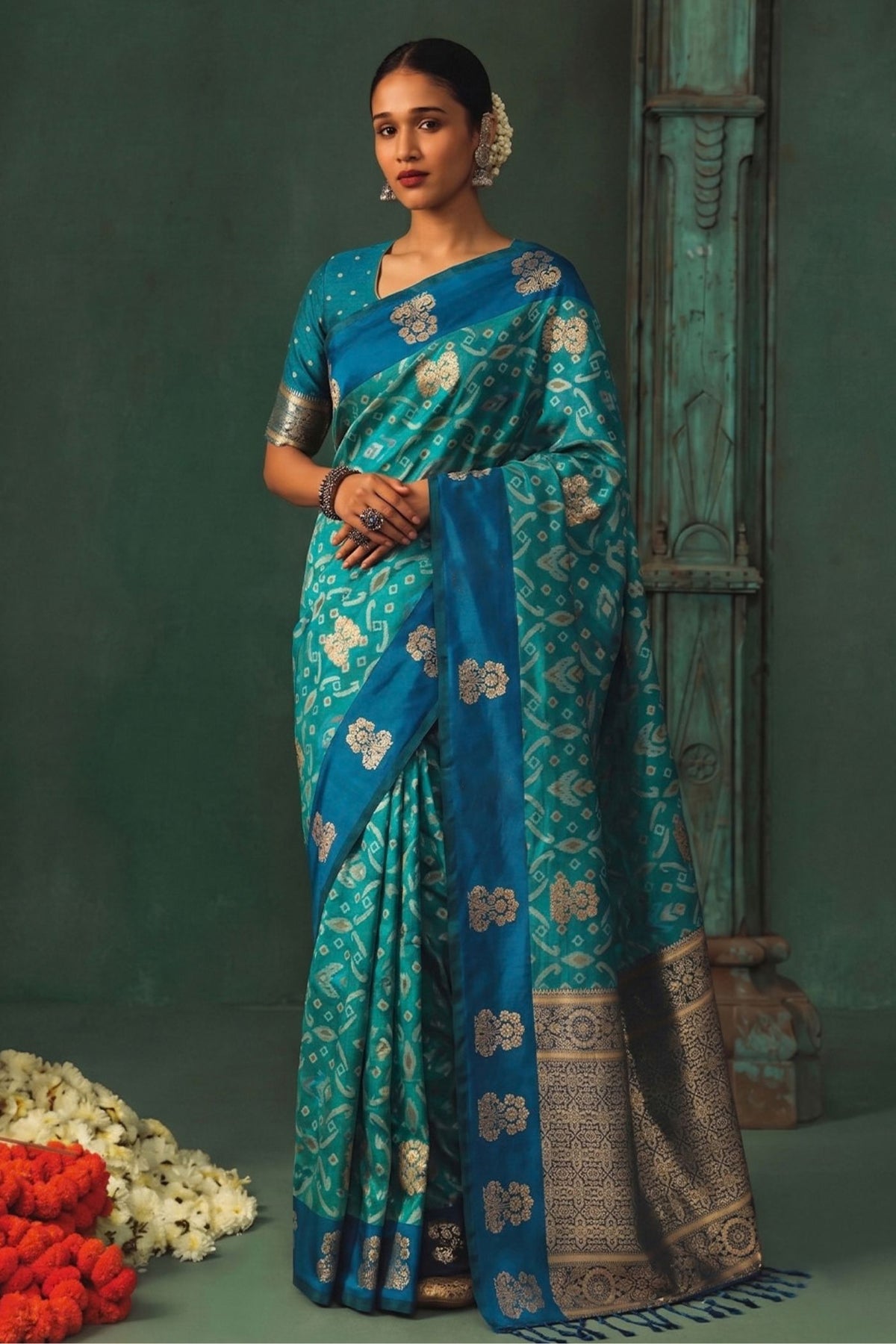
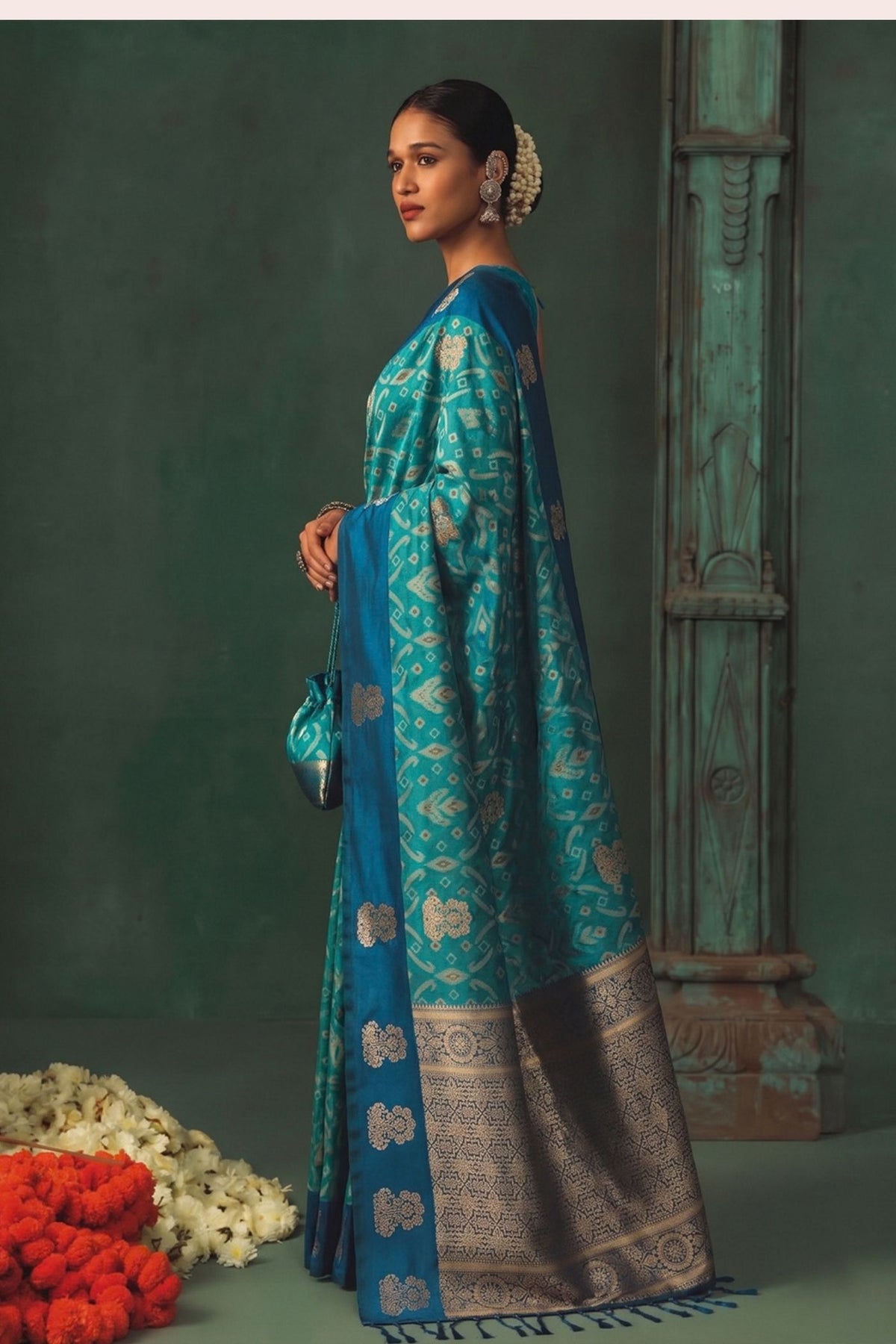
Caribbean Blue Woven Banarasi Silk Saree
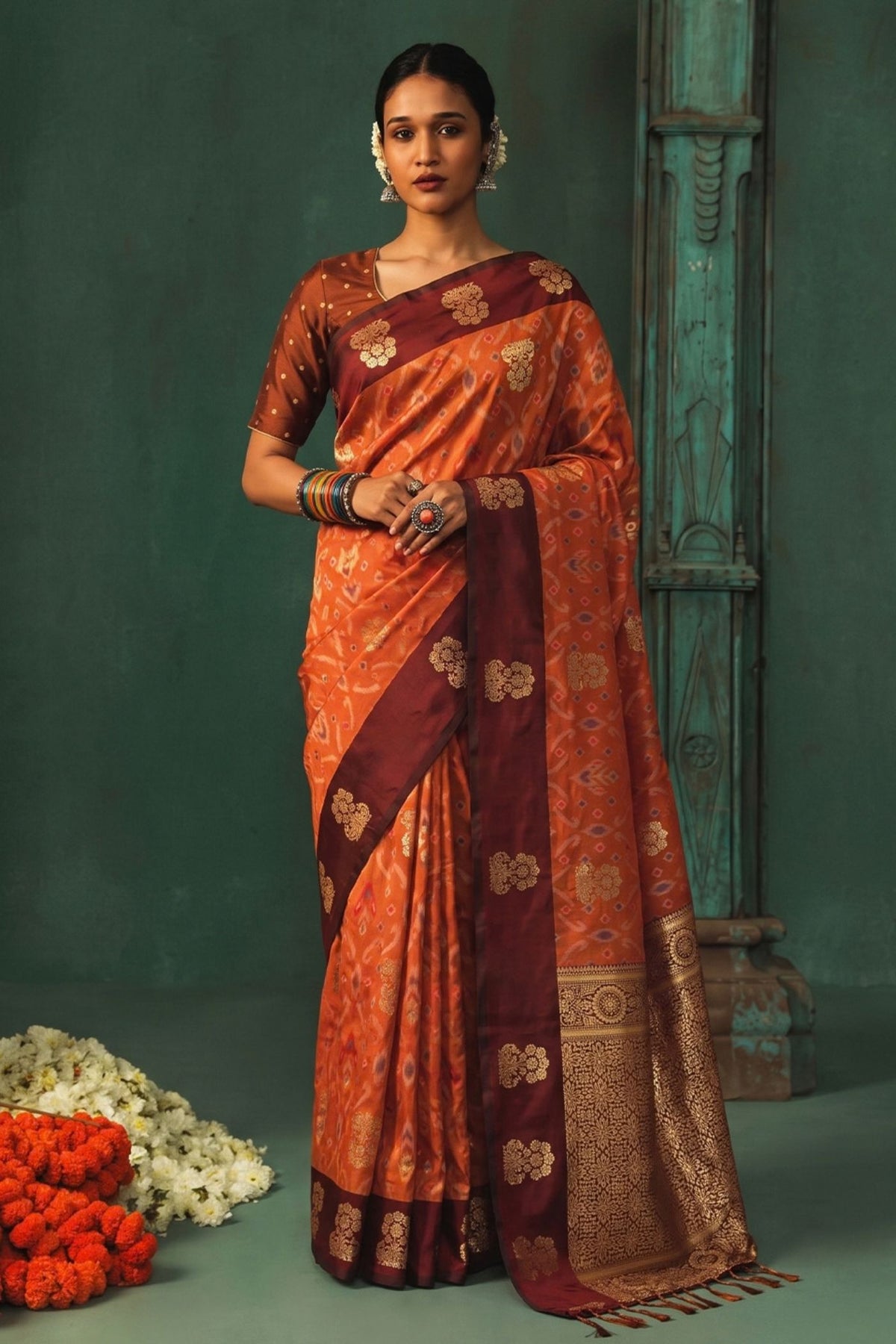
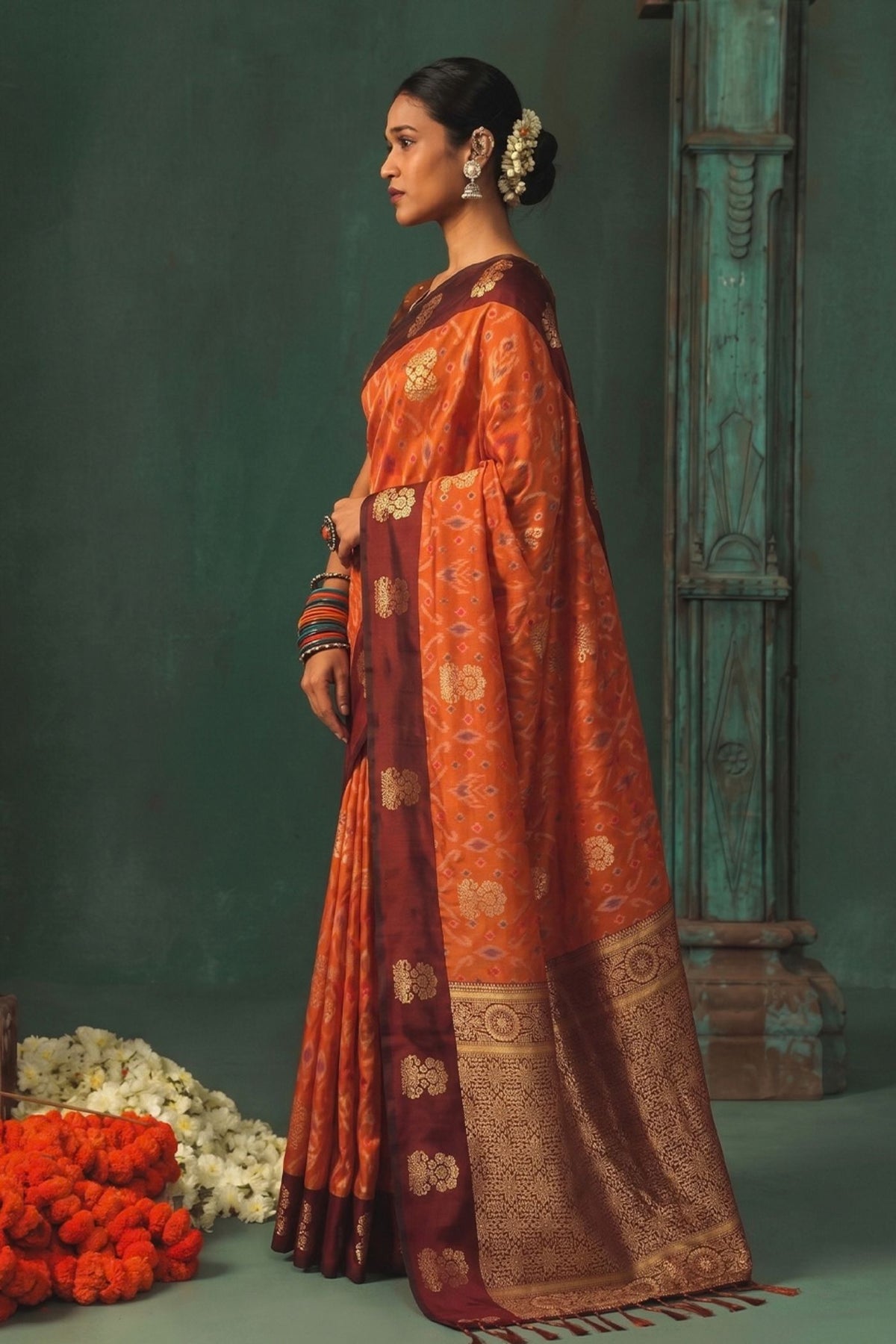
Mandarin Orange Woven Banarasi Silk Saree
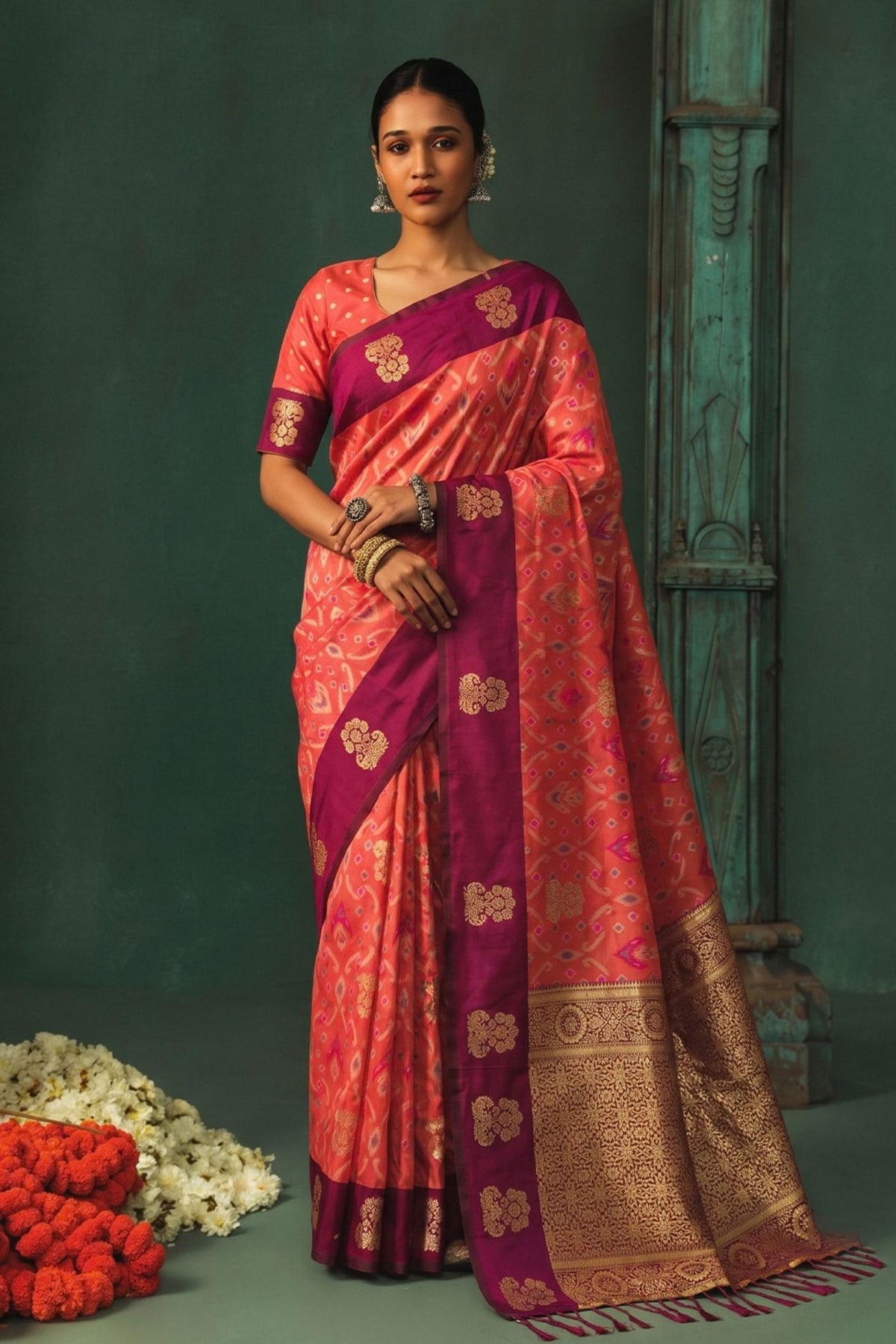
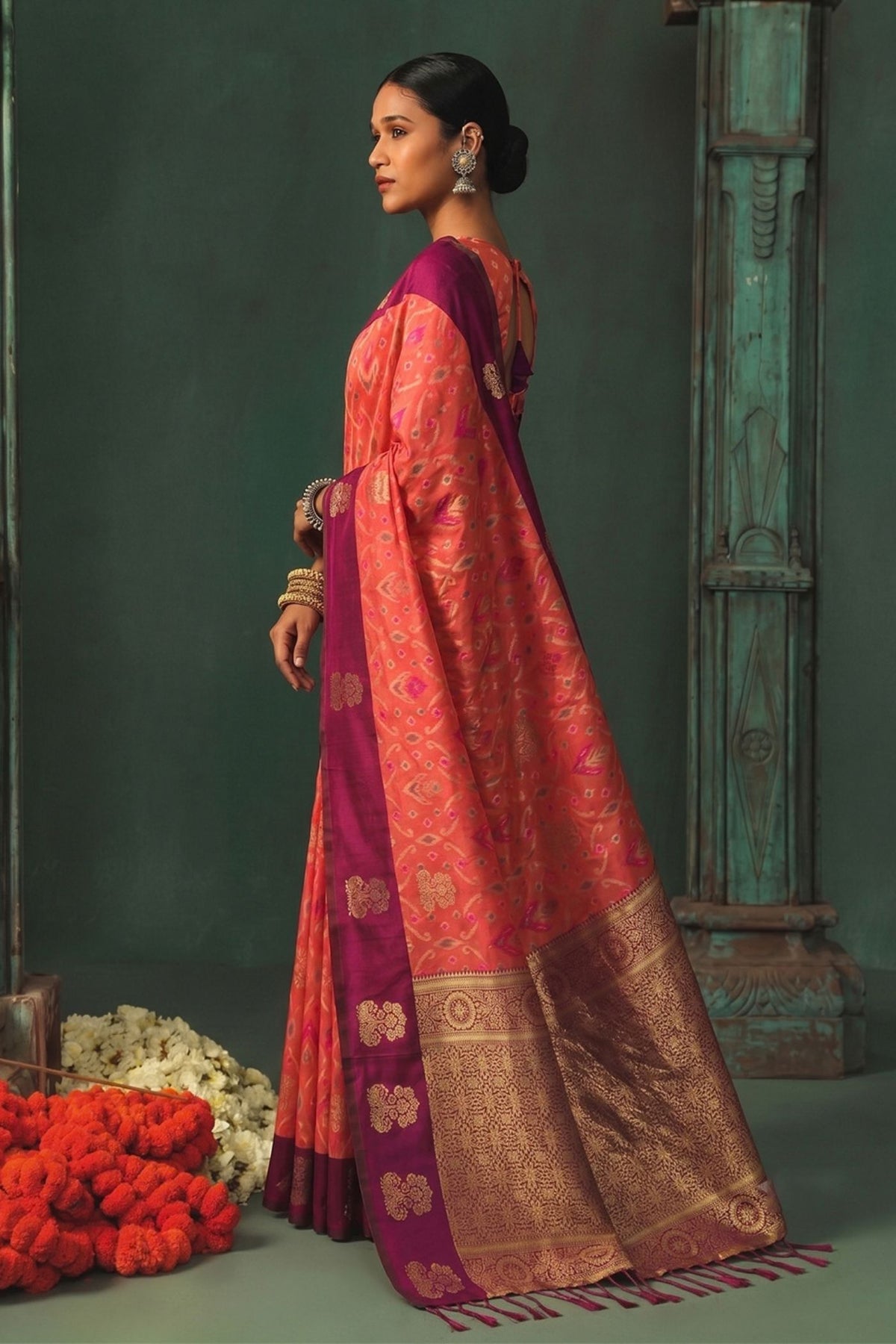
Cranberry Red Woven Banarasi Silk Saree
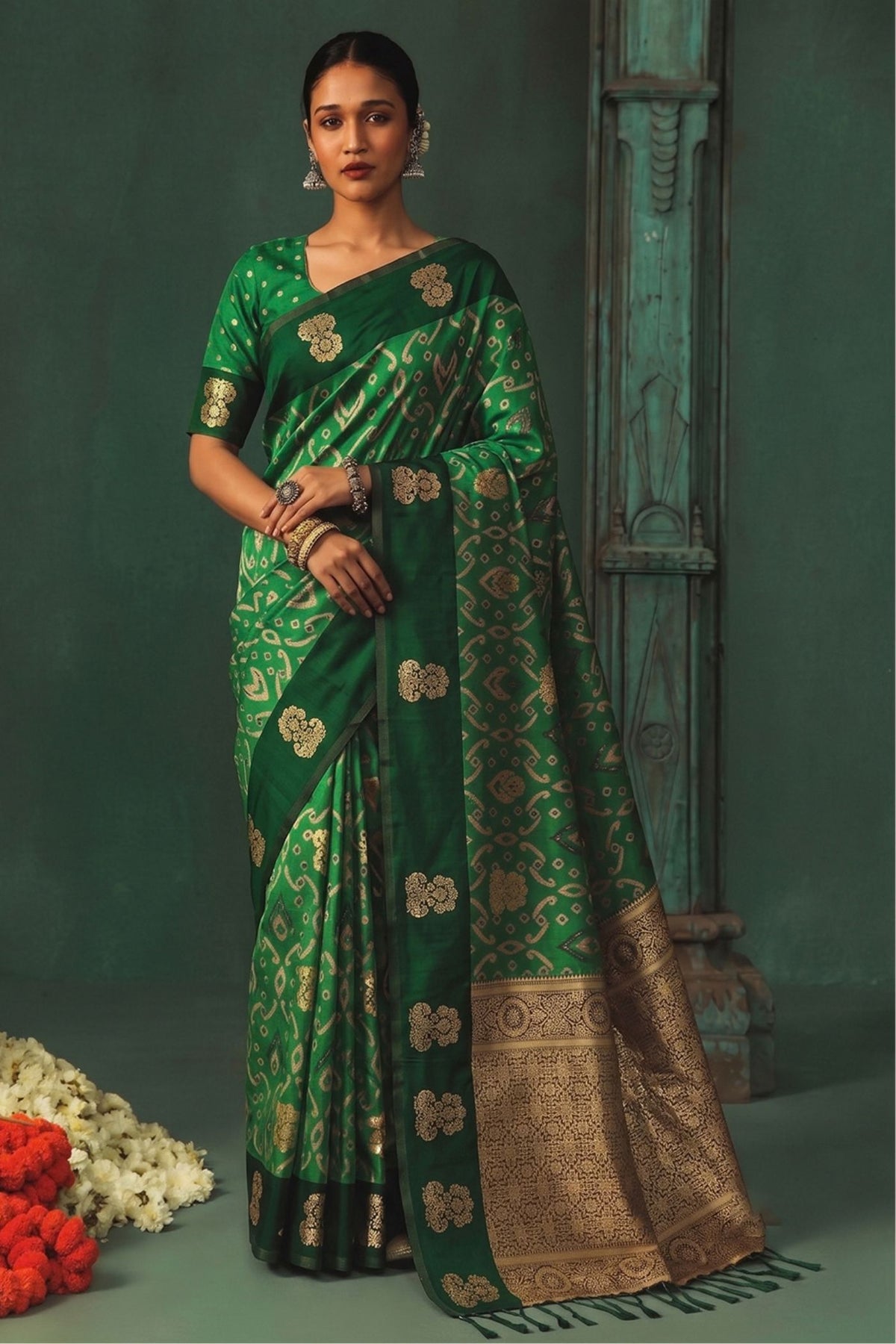
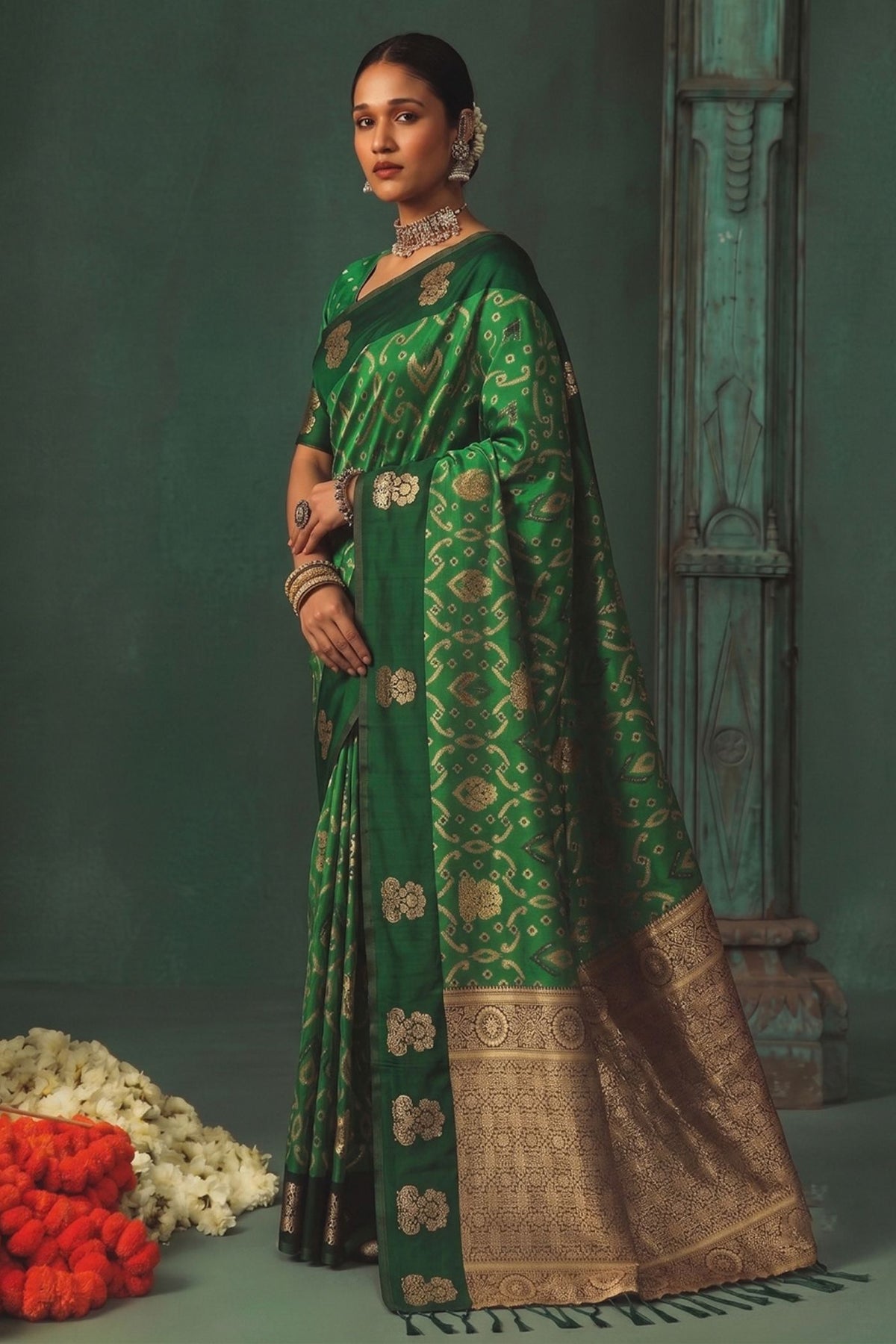
Meadow Green Woven Banarasi Silk Saree
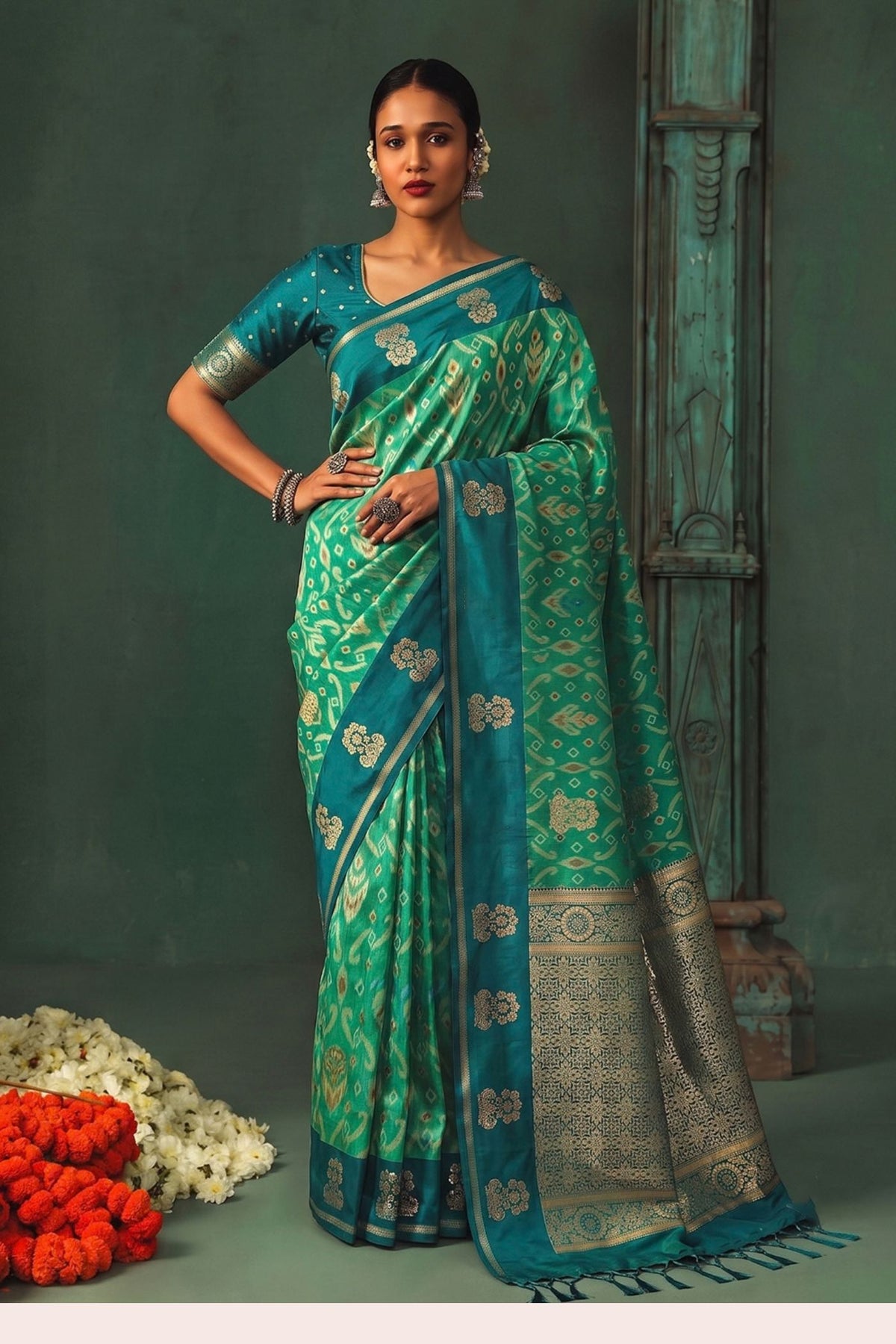
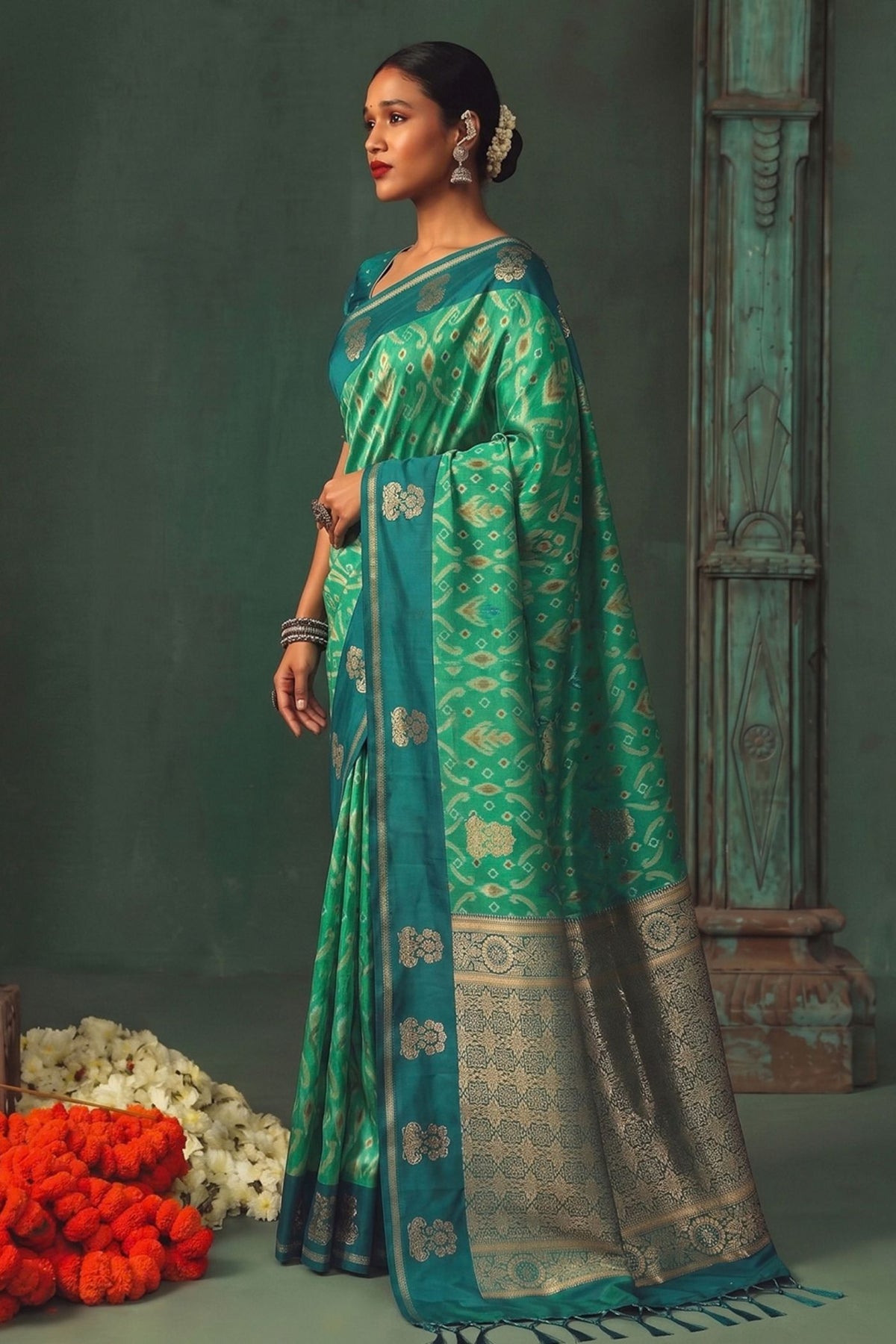
Matcha Green Woven Banarasi Silk Saree
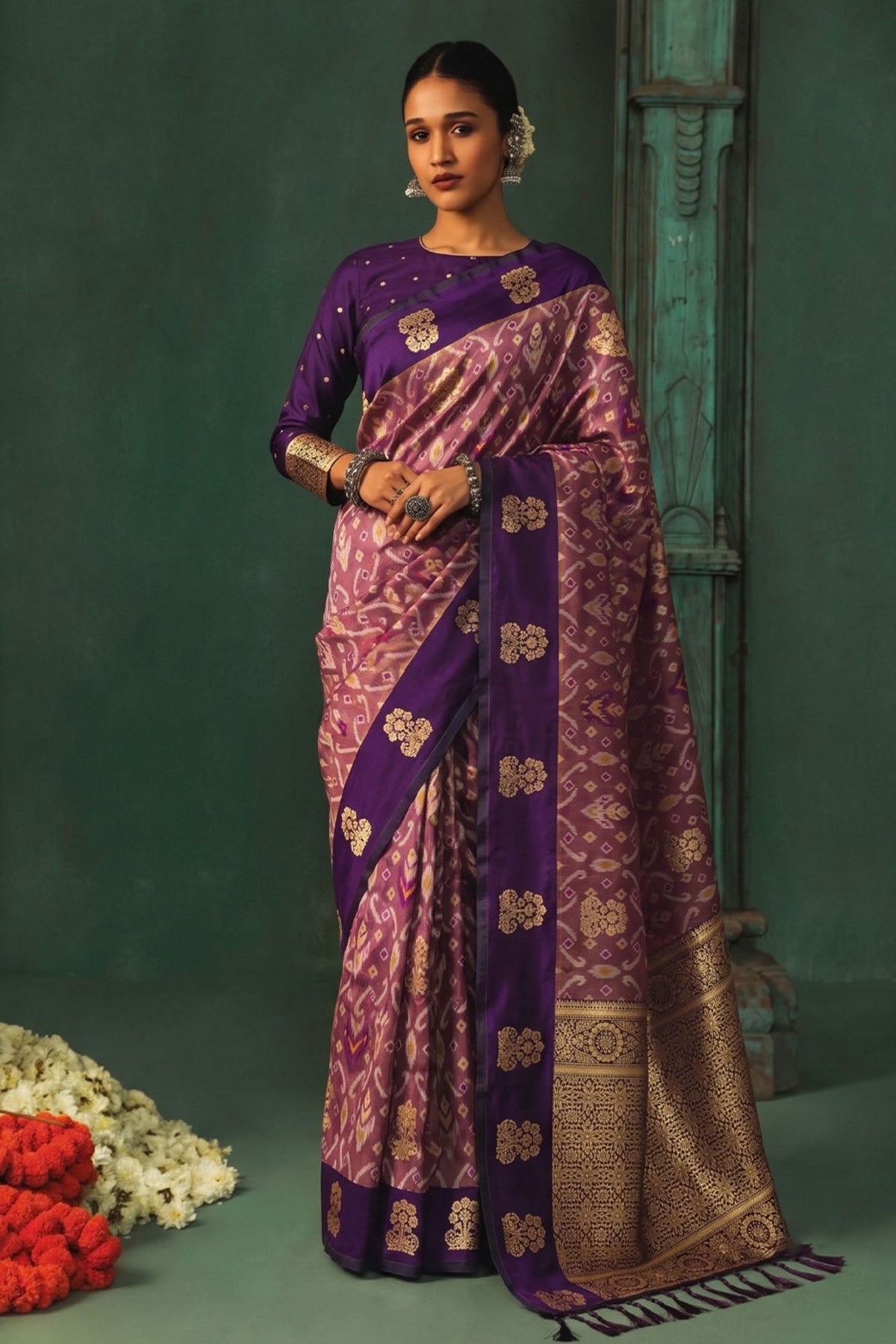
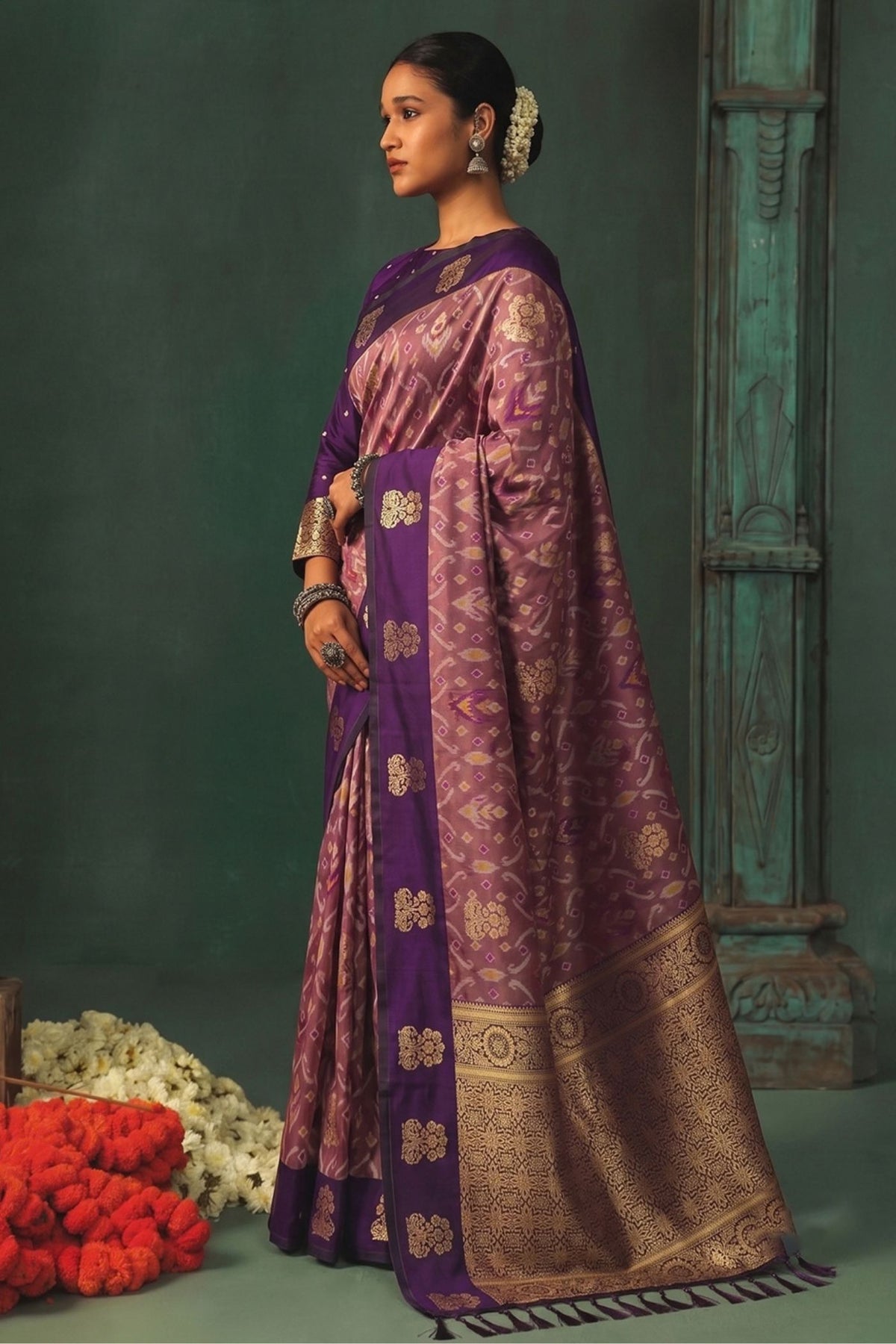
Heather Purple Woven Banarasi Silk Saree
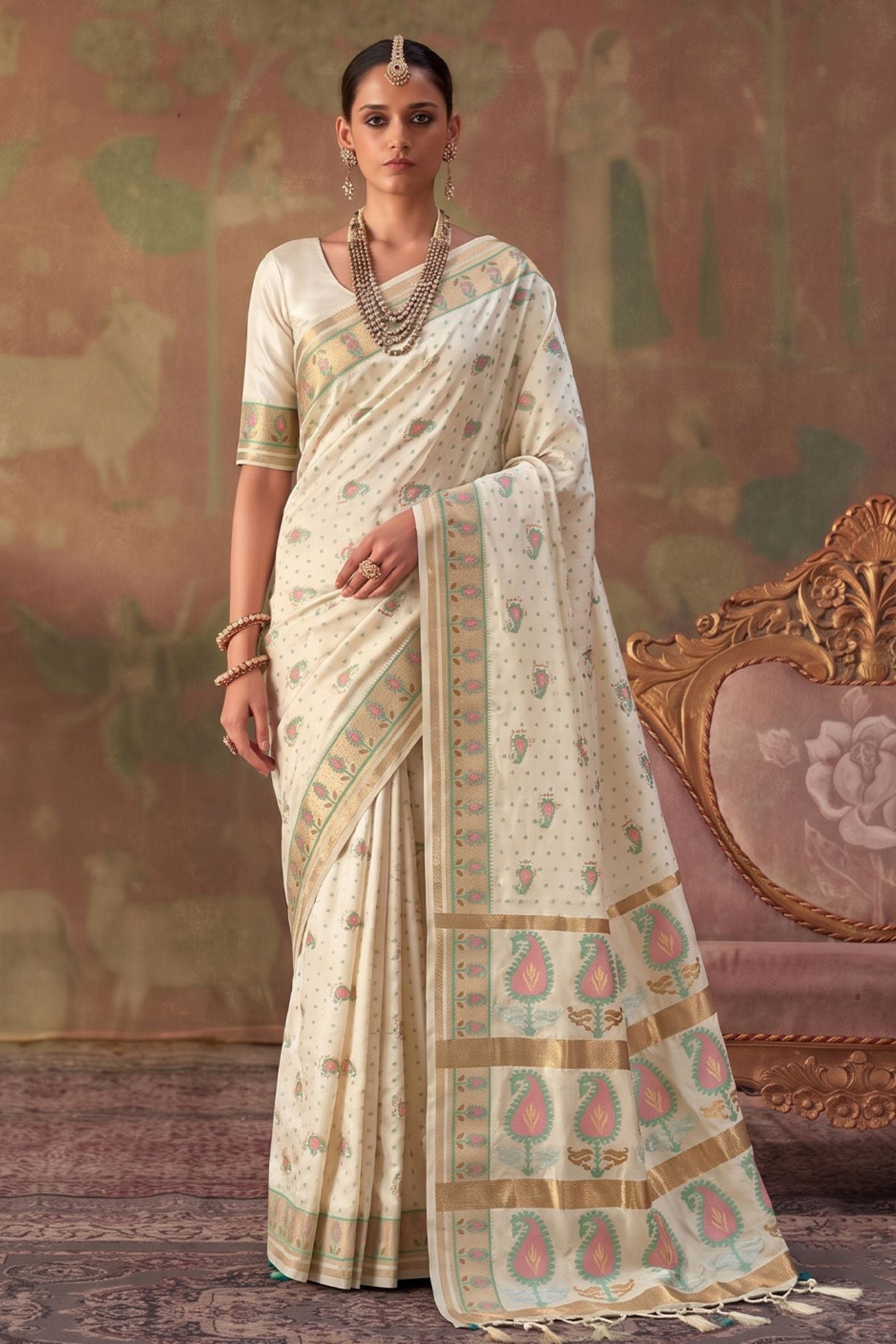
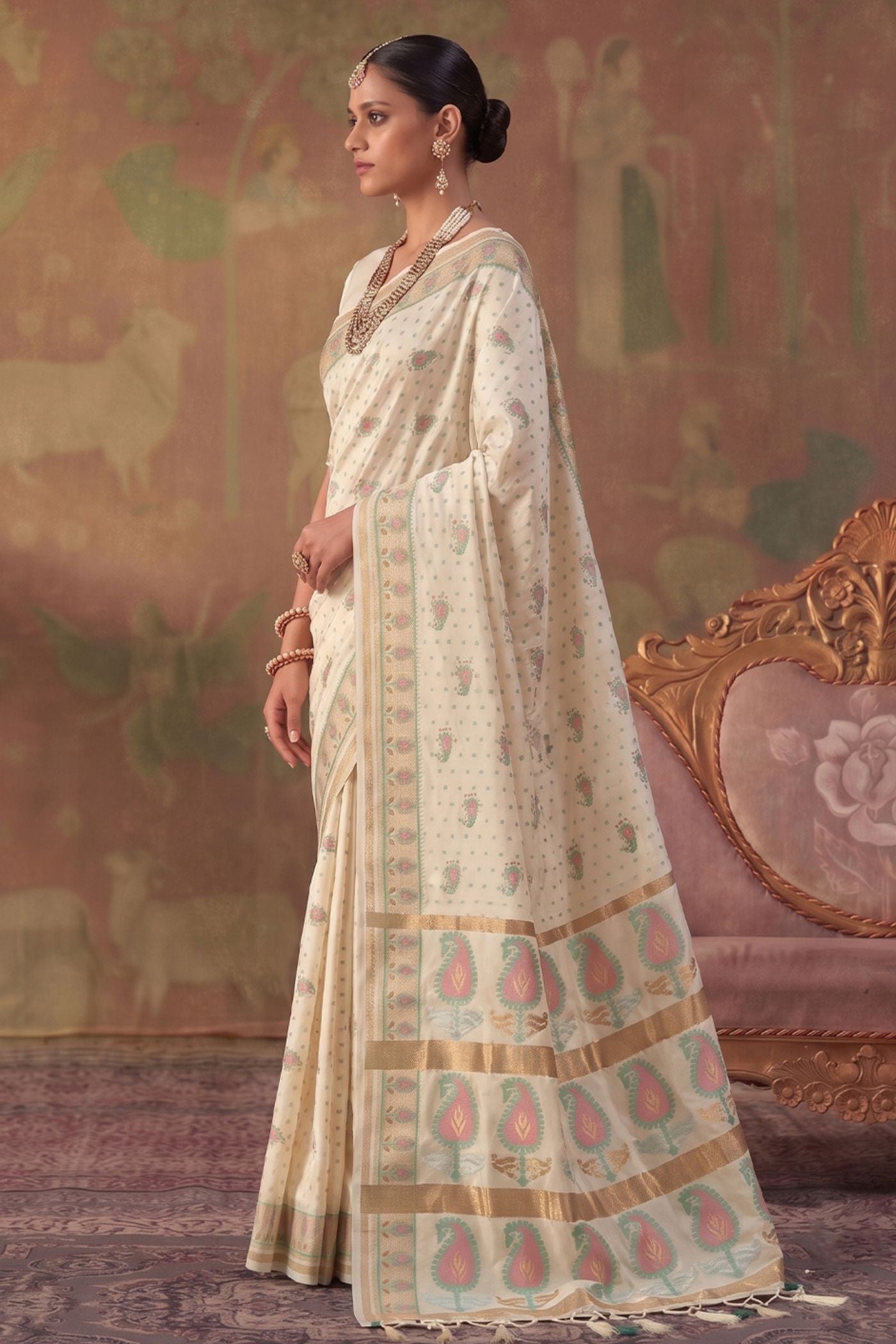
Pearl White Woven Banarasi Soft Silk Saree
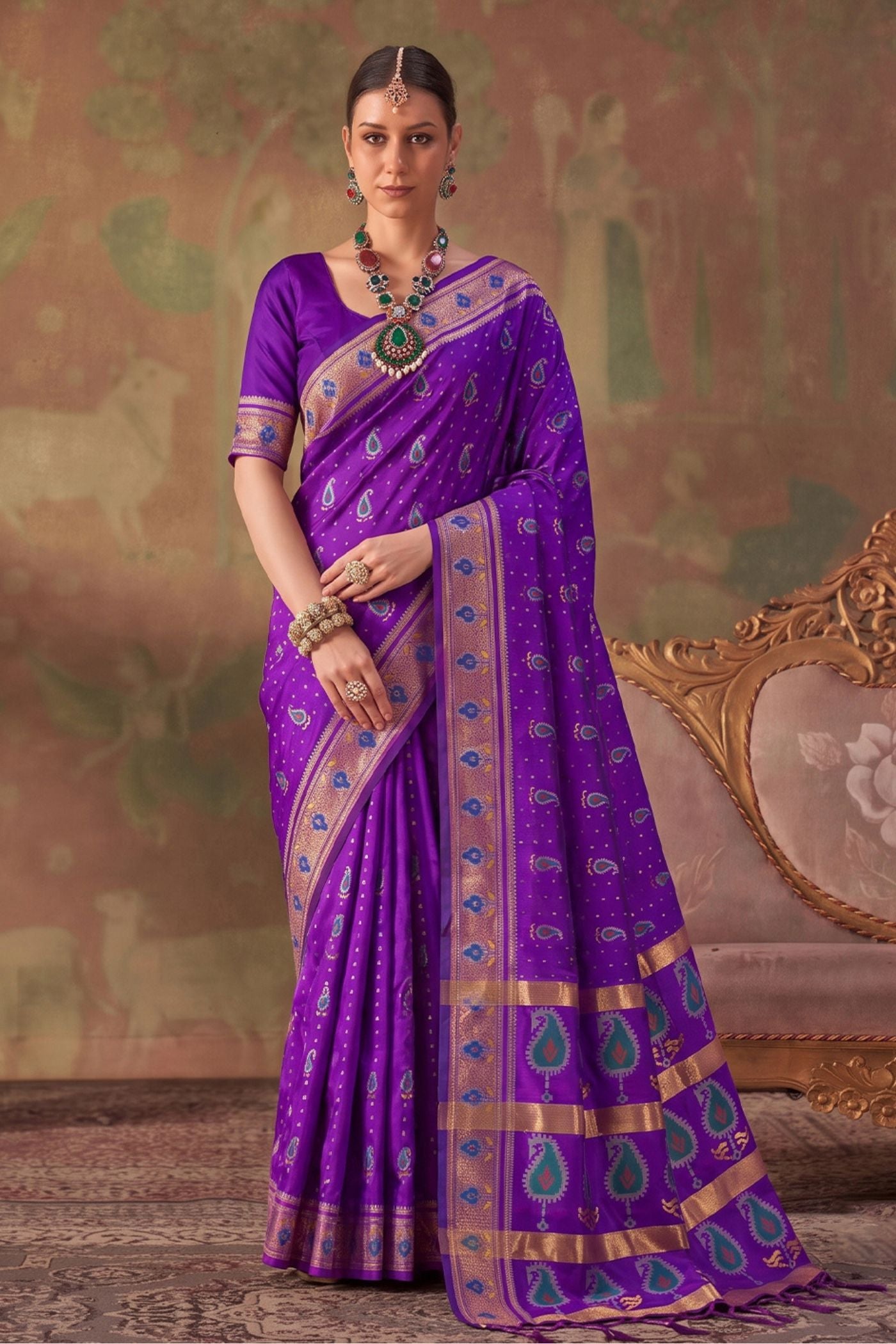
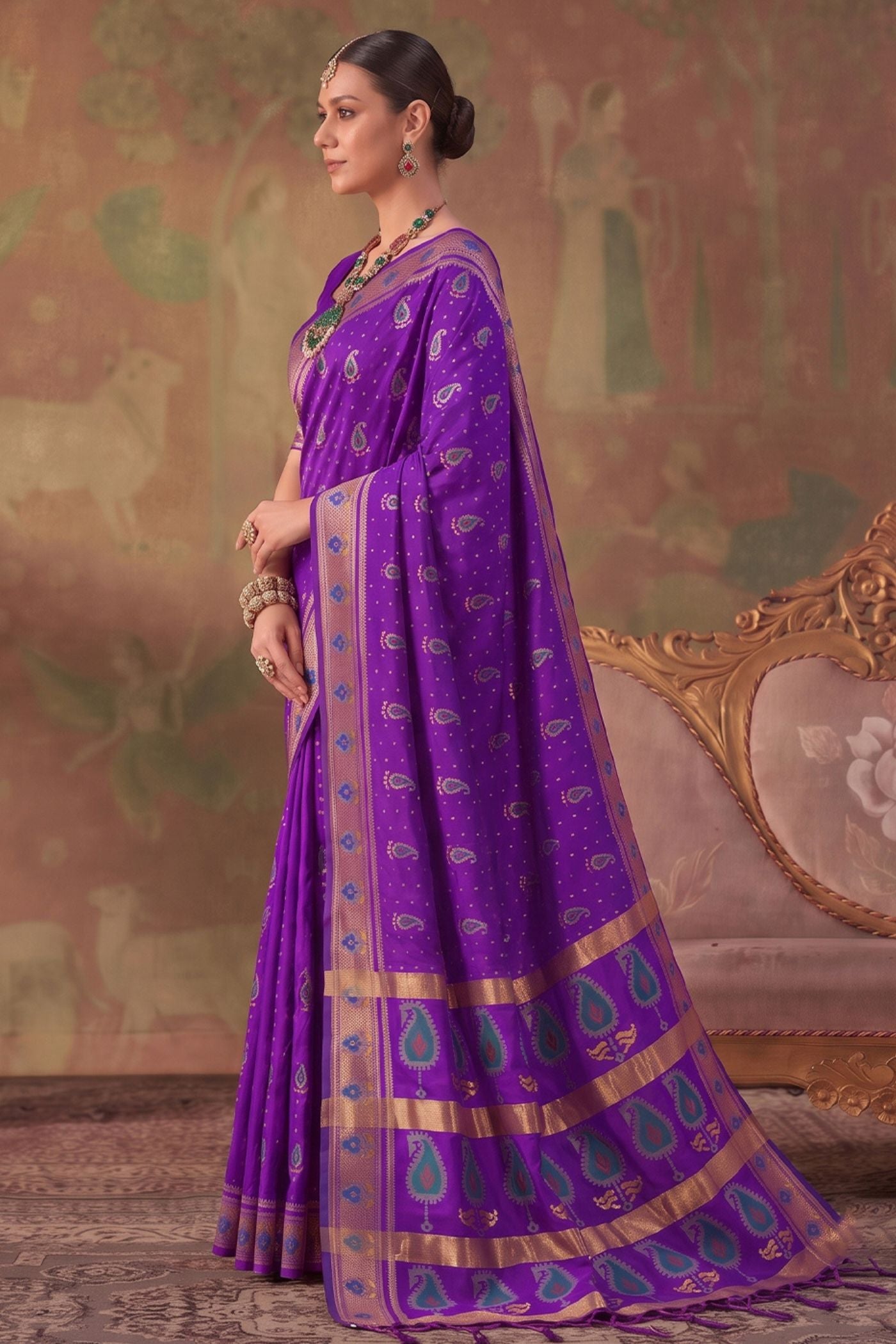
Brinjal Purple Woven Banarasi Soft Silk Saree
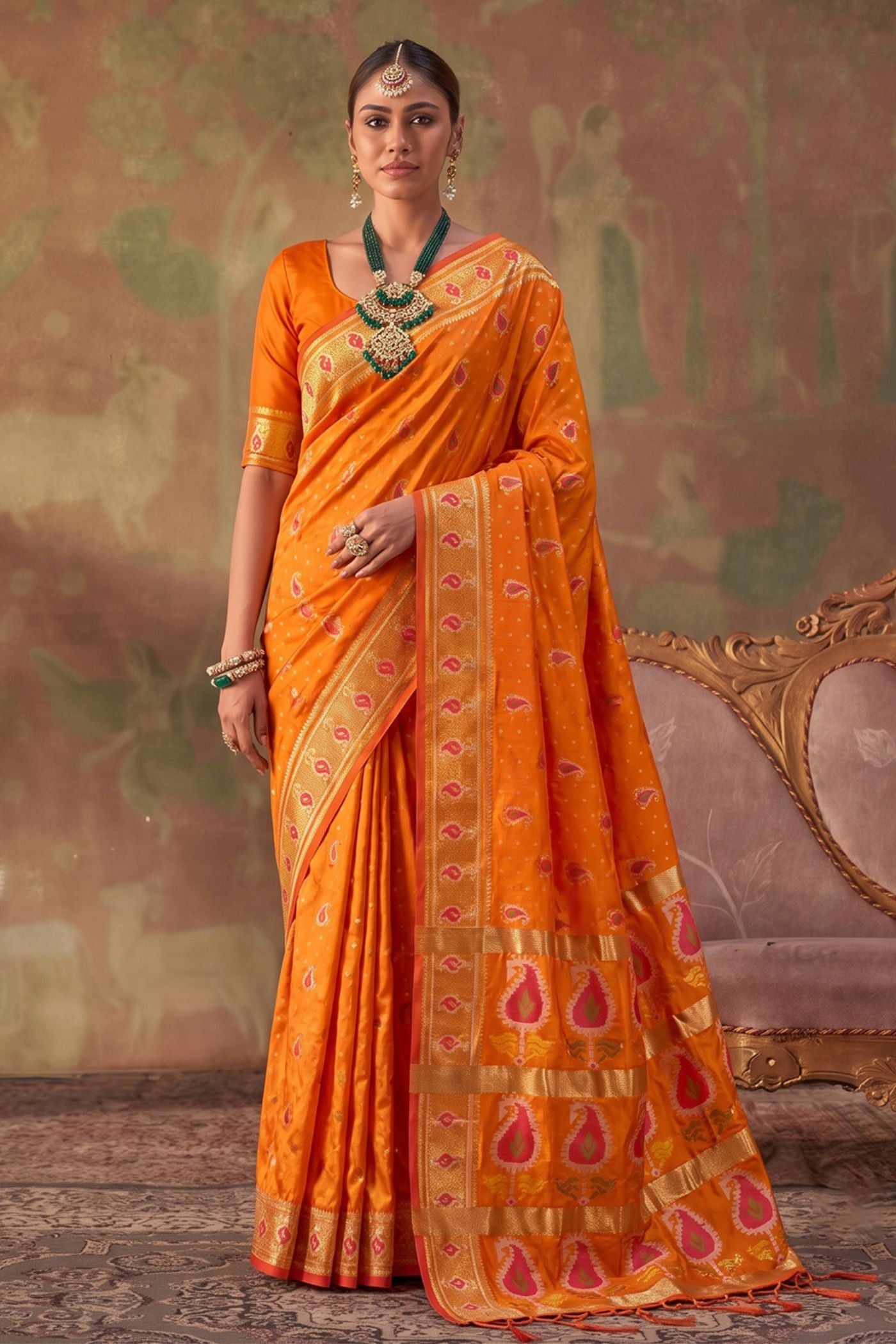
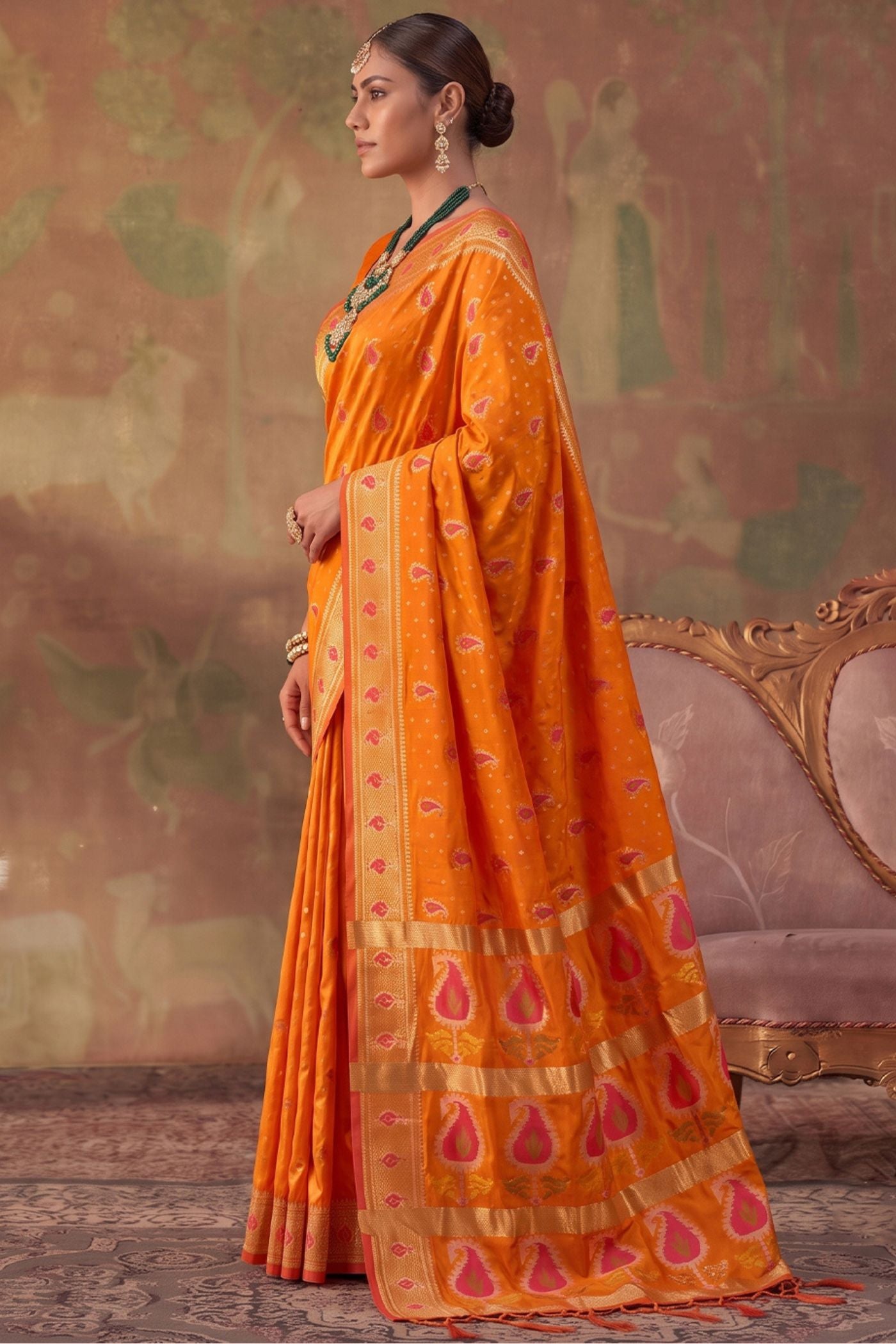
Burnt Orange Woven Banarasi Soft Silk Saree
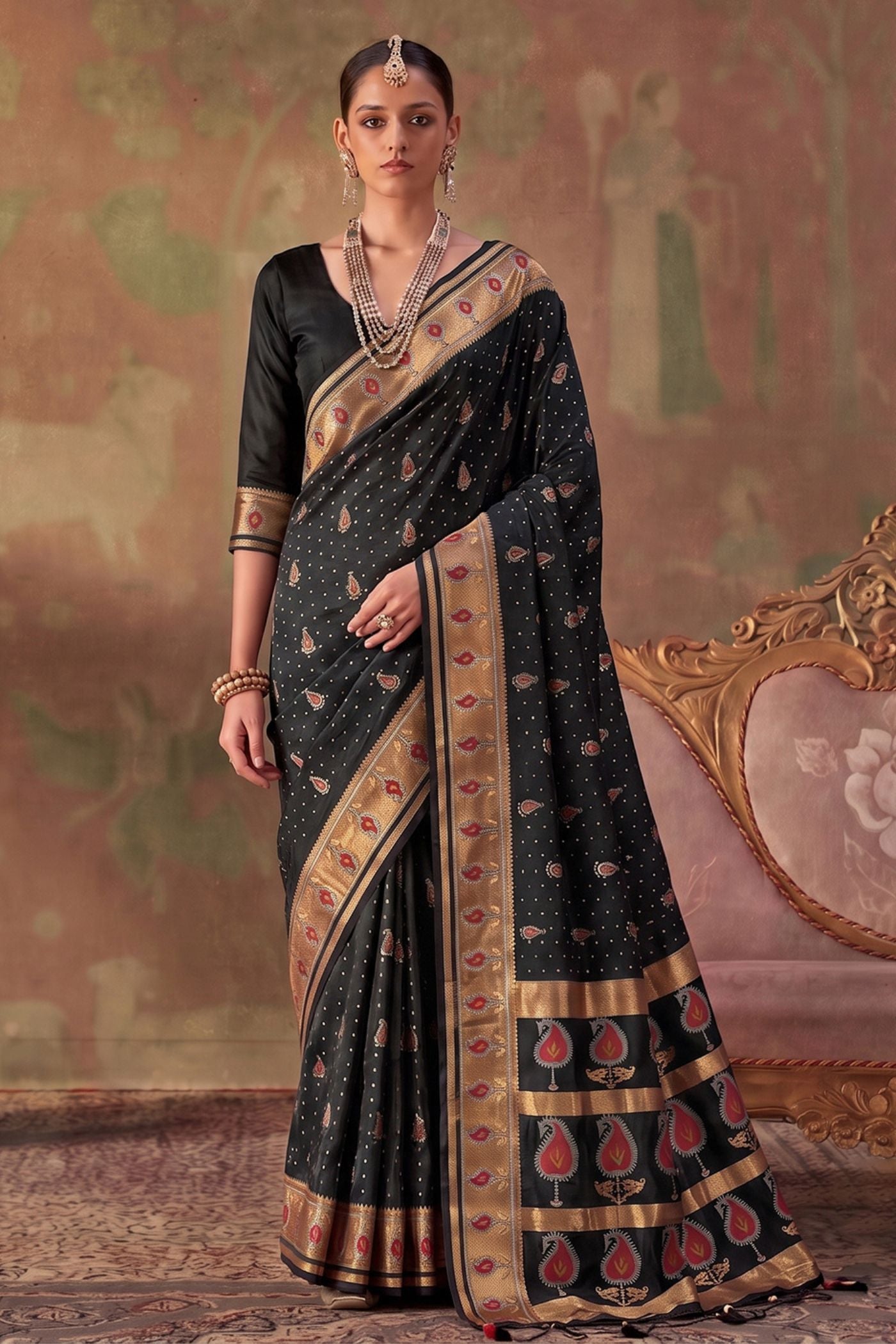
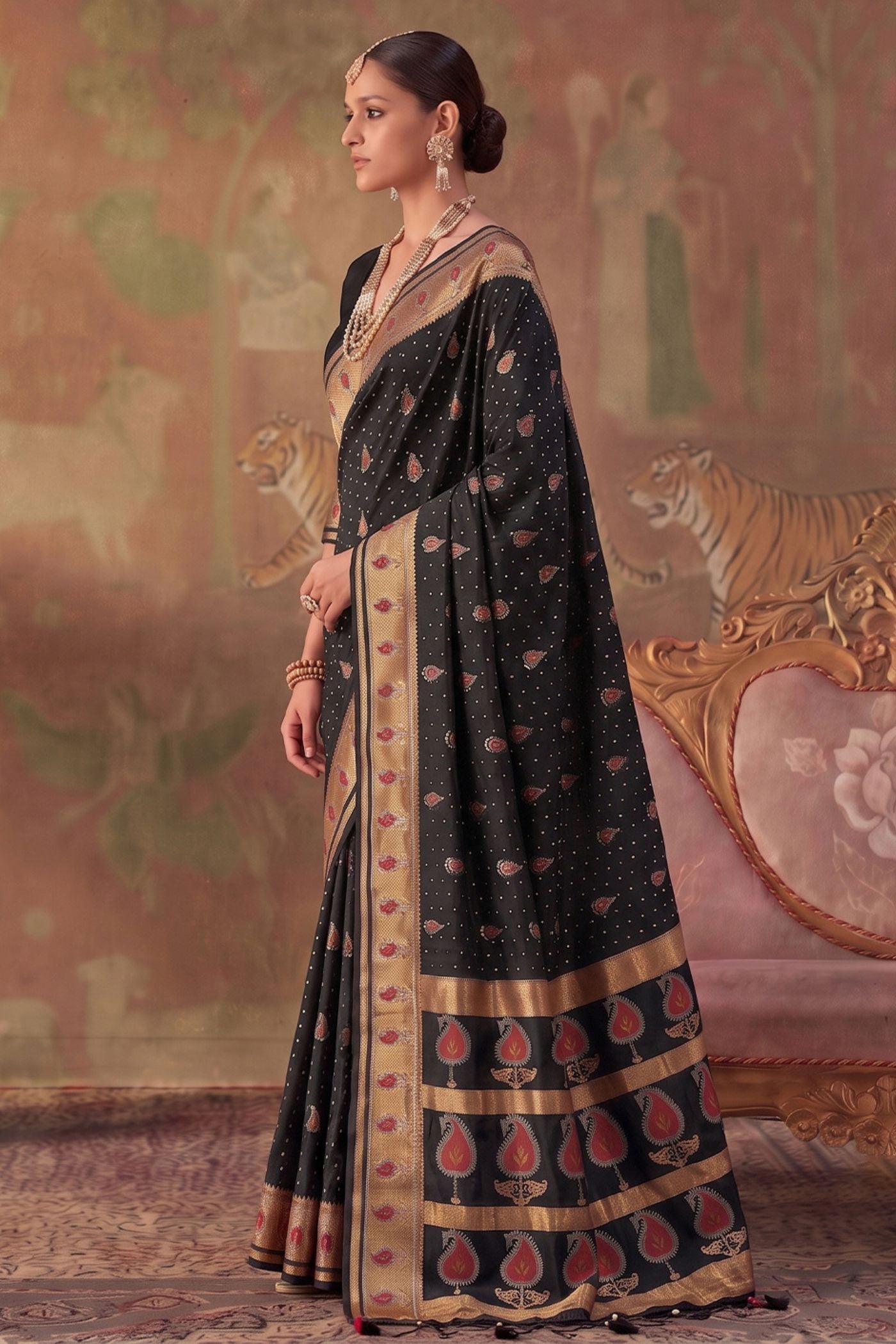
Graphite Black Woven Banarasi Soft Silk Saree
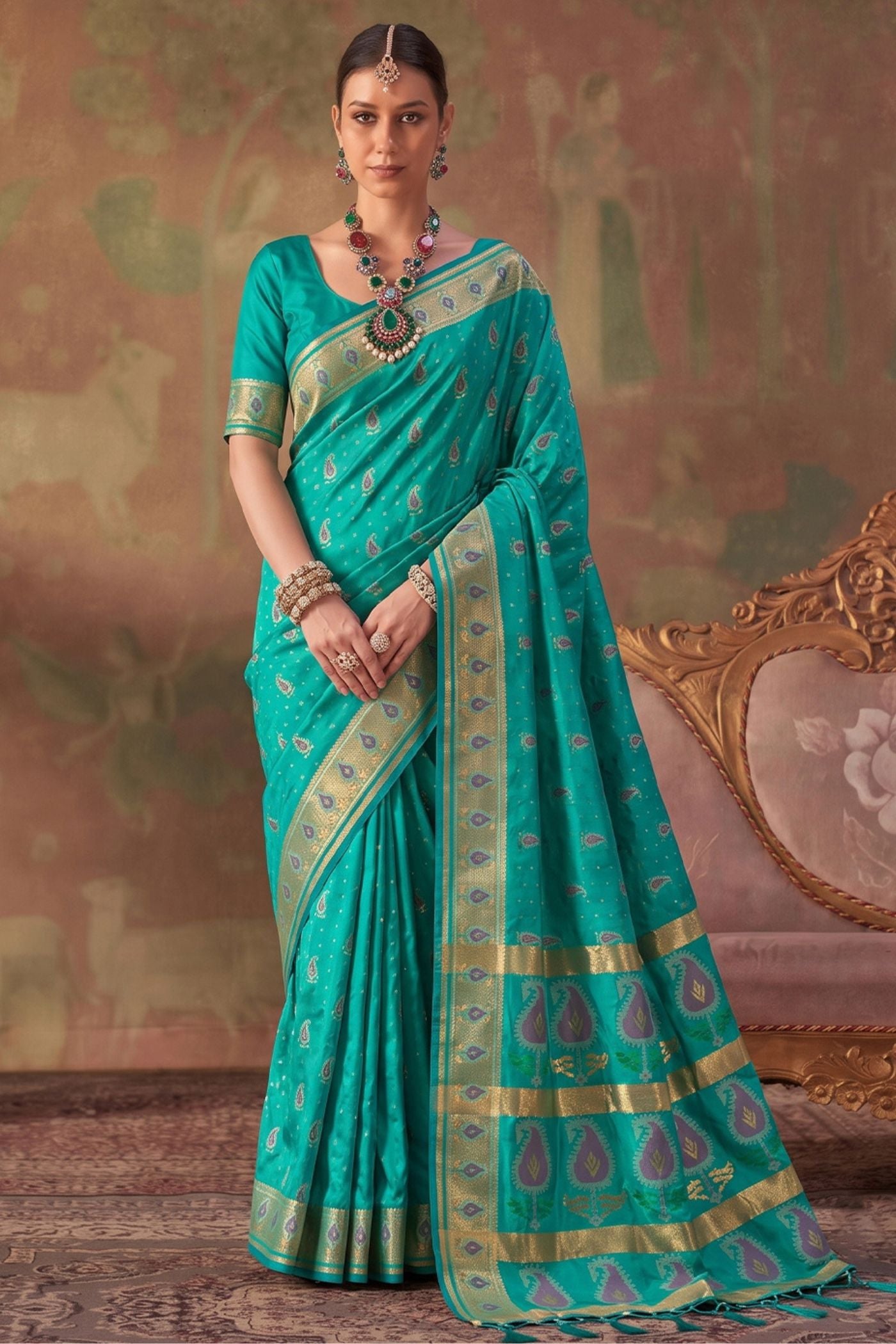
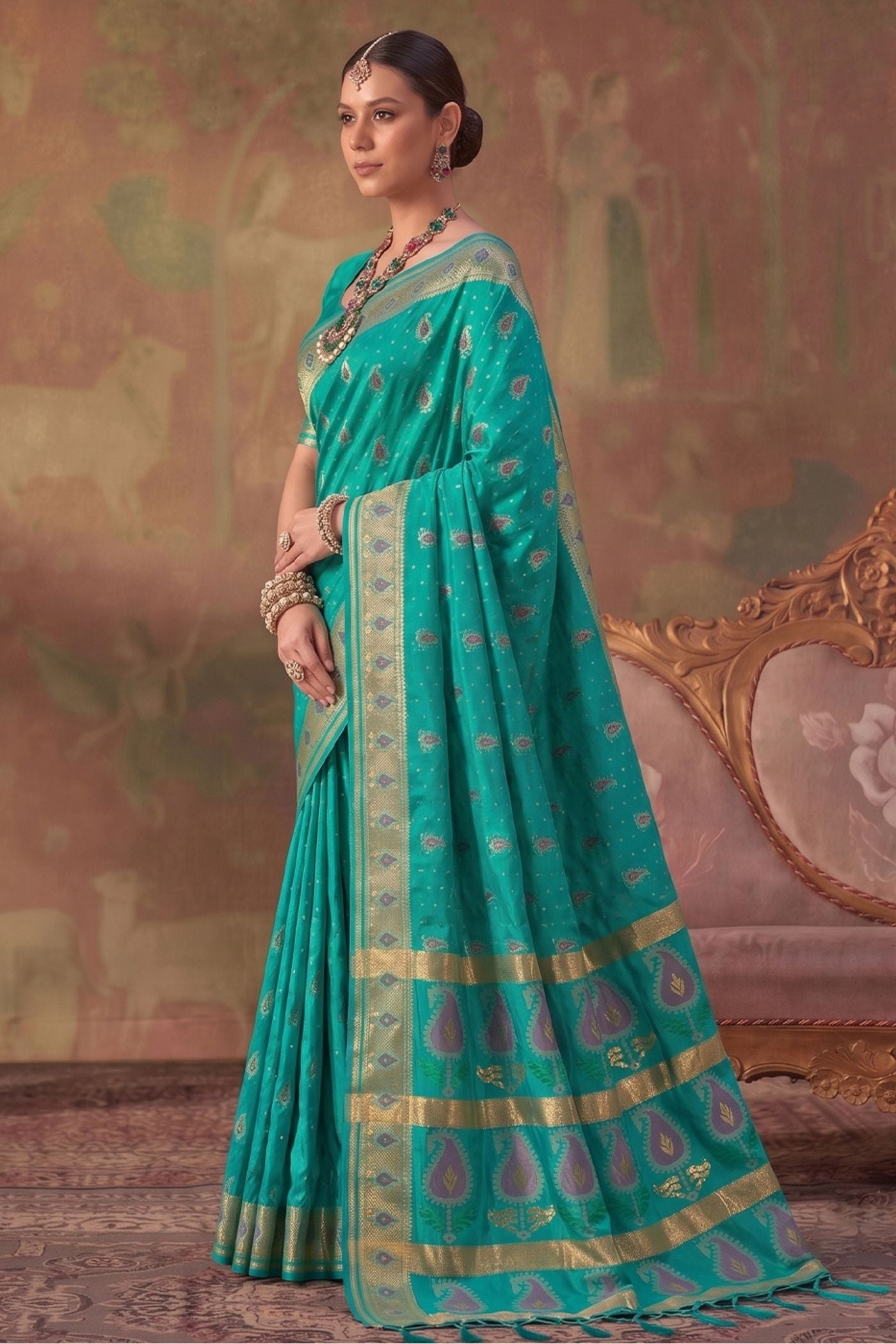
Sea Green Woven Banarasi Soft Silk Saree
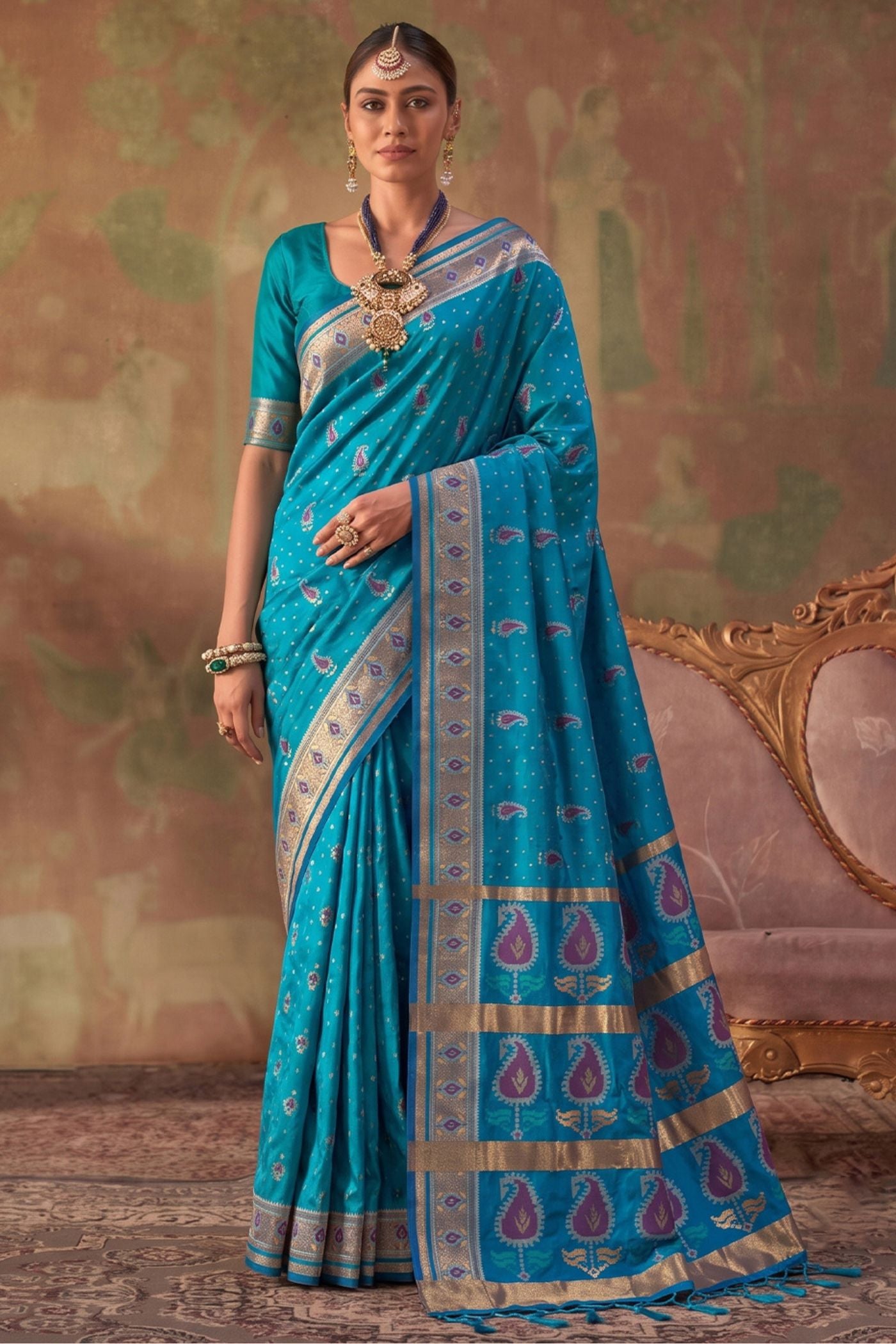
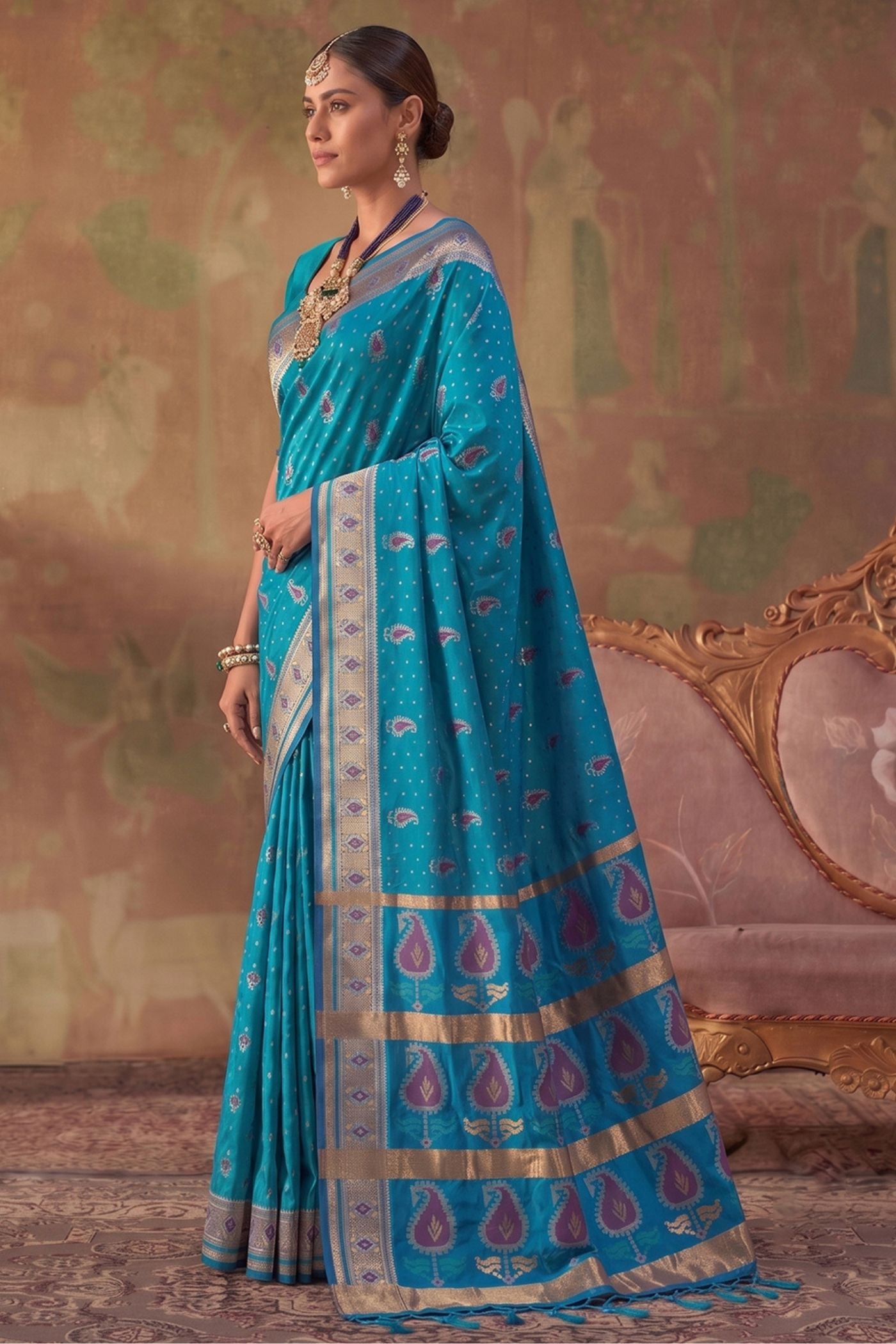
Sapphire Blue Woven Banarasi Soft Silk Saree
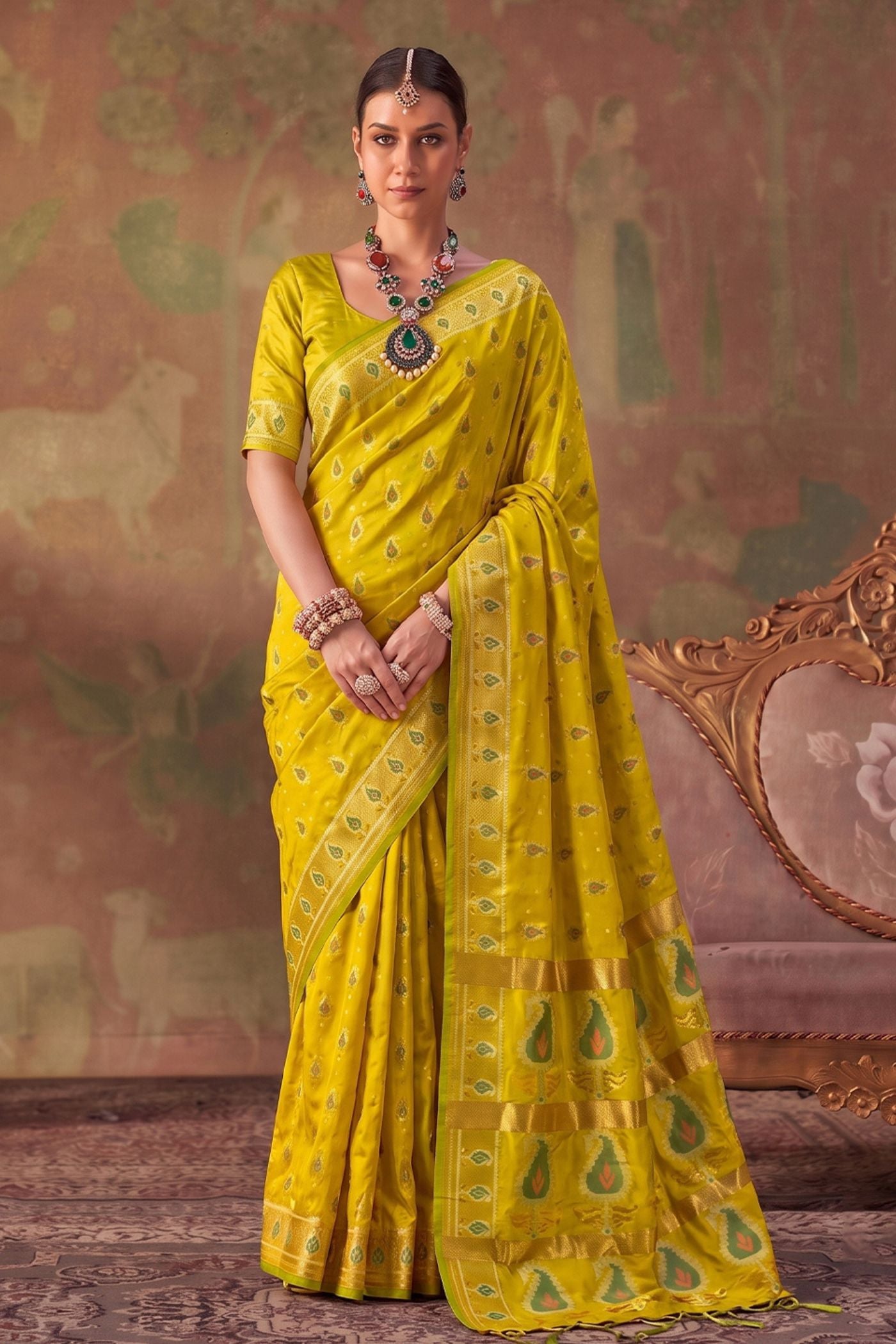
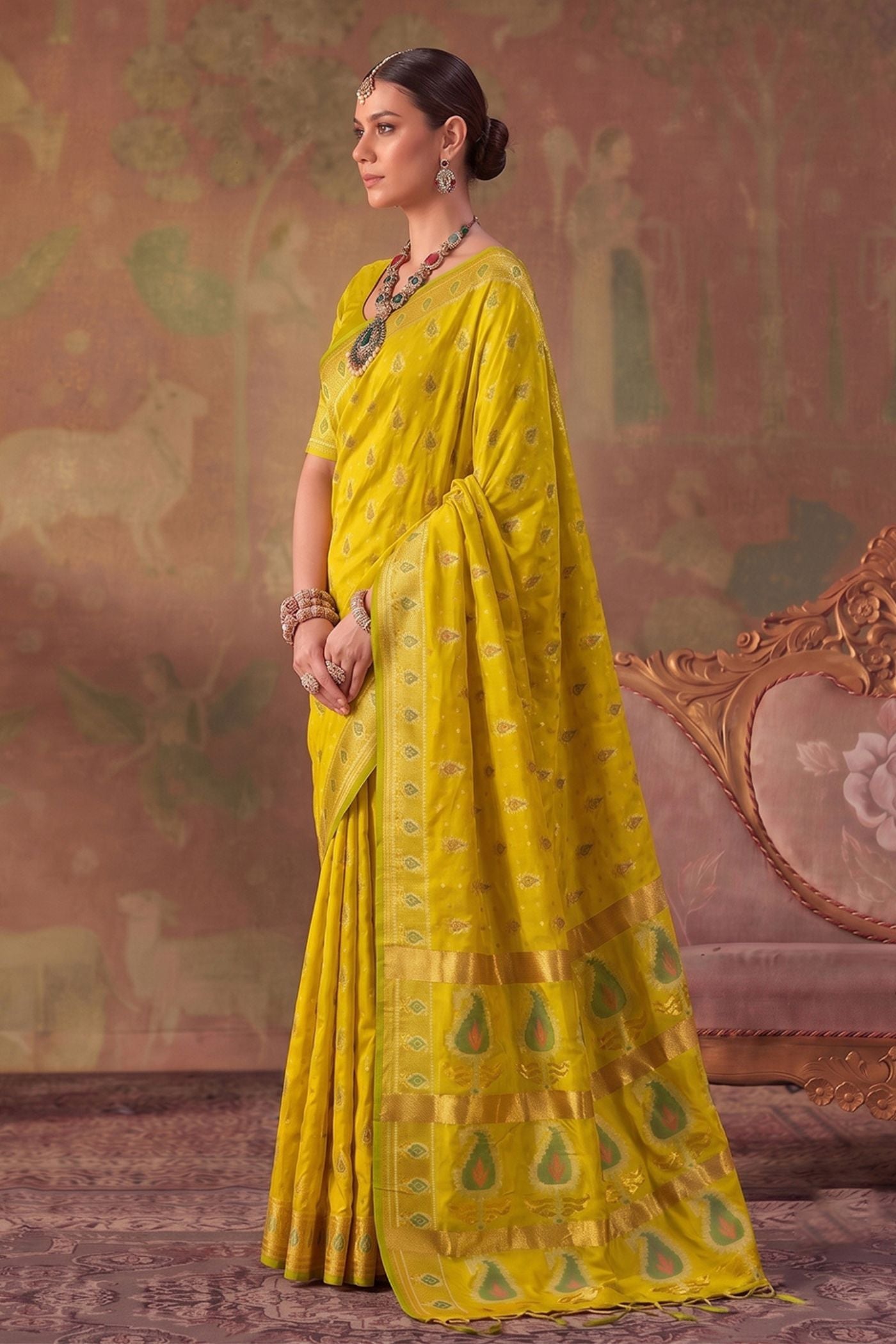
Haldi Yellow Woven Banarasi Soft Silk Saree
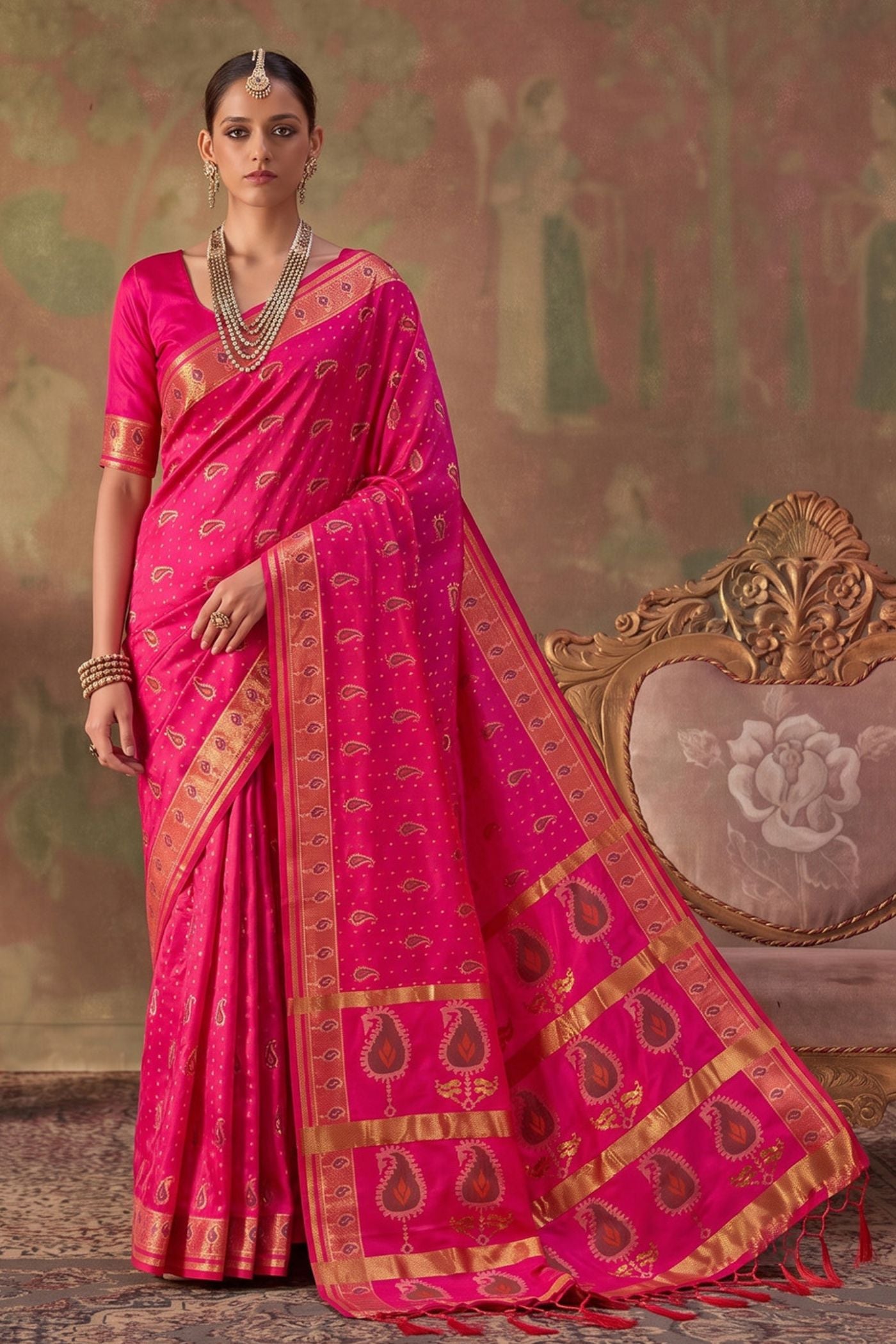
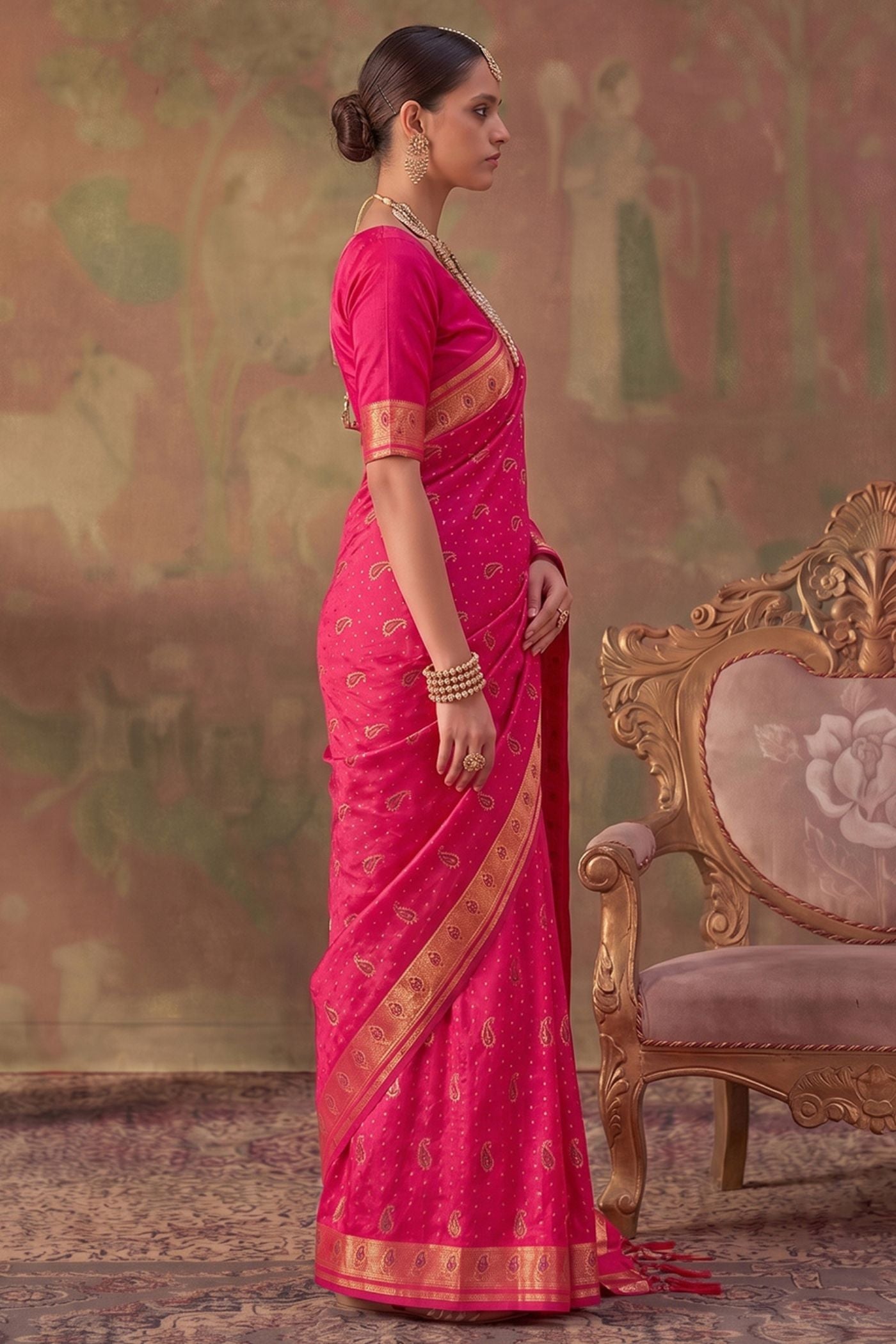
Fuchsia Pink Woven Banarasi Soft Silk Saree
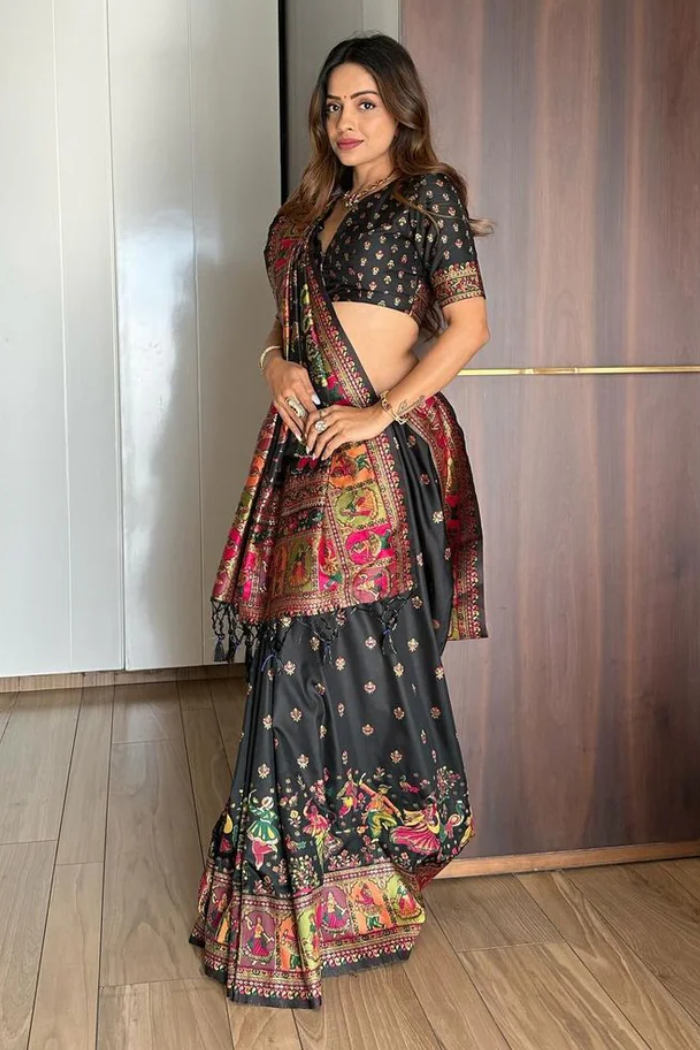
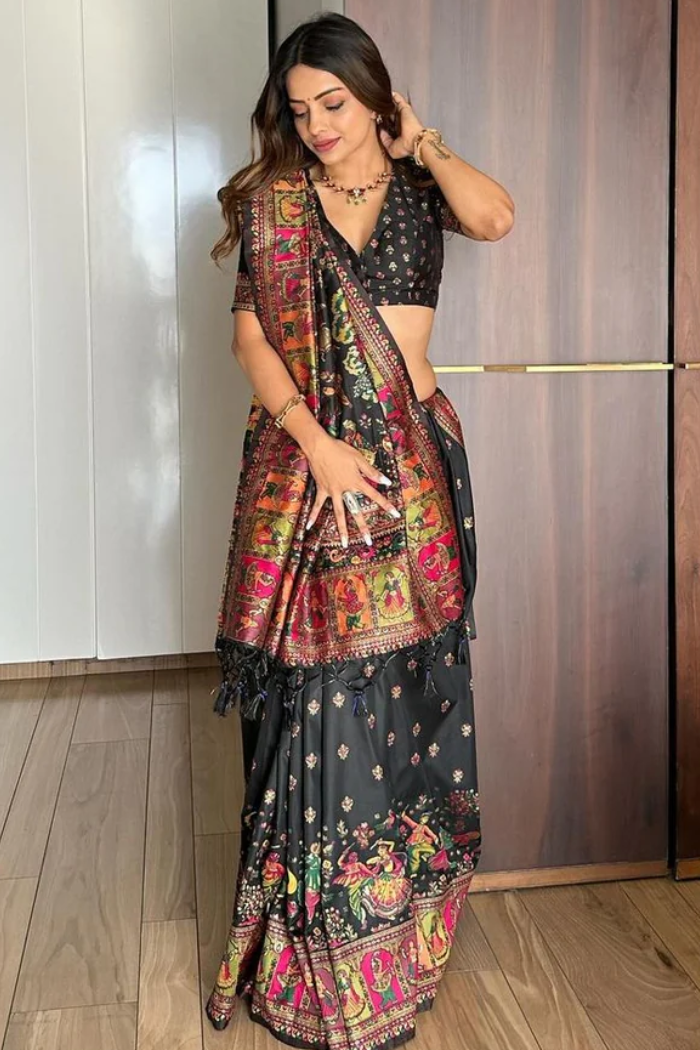
Black Cat Kashmiri Woven Banarasi Silk Saree Without Blouse
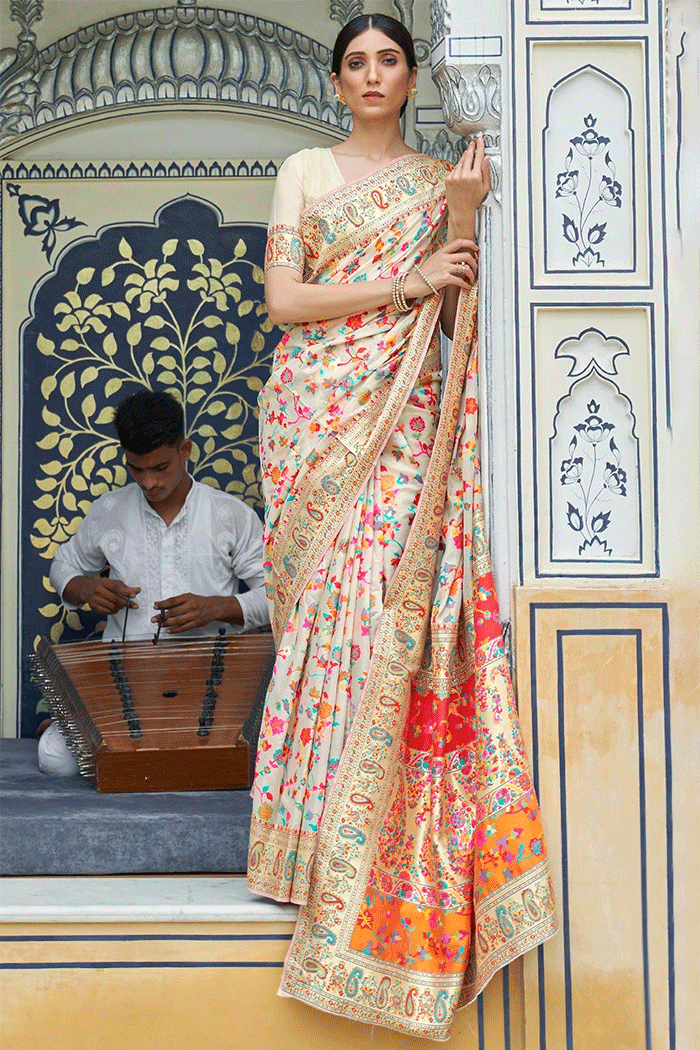
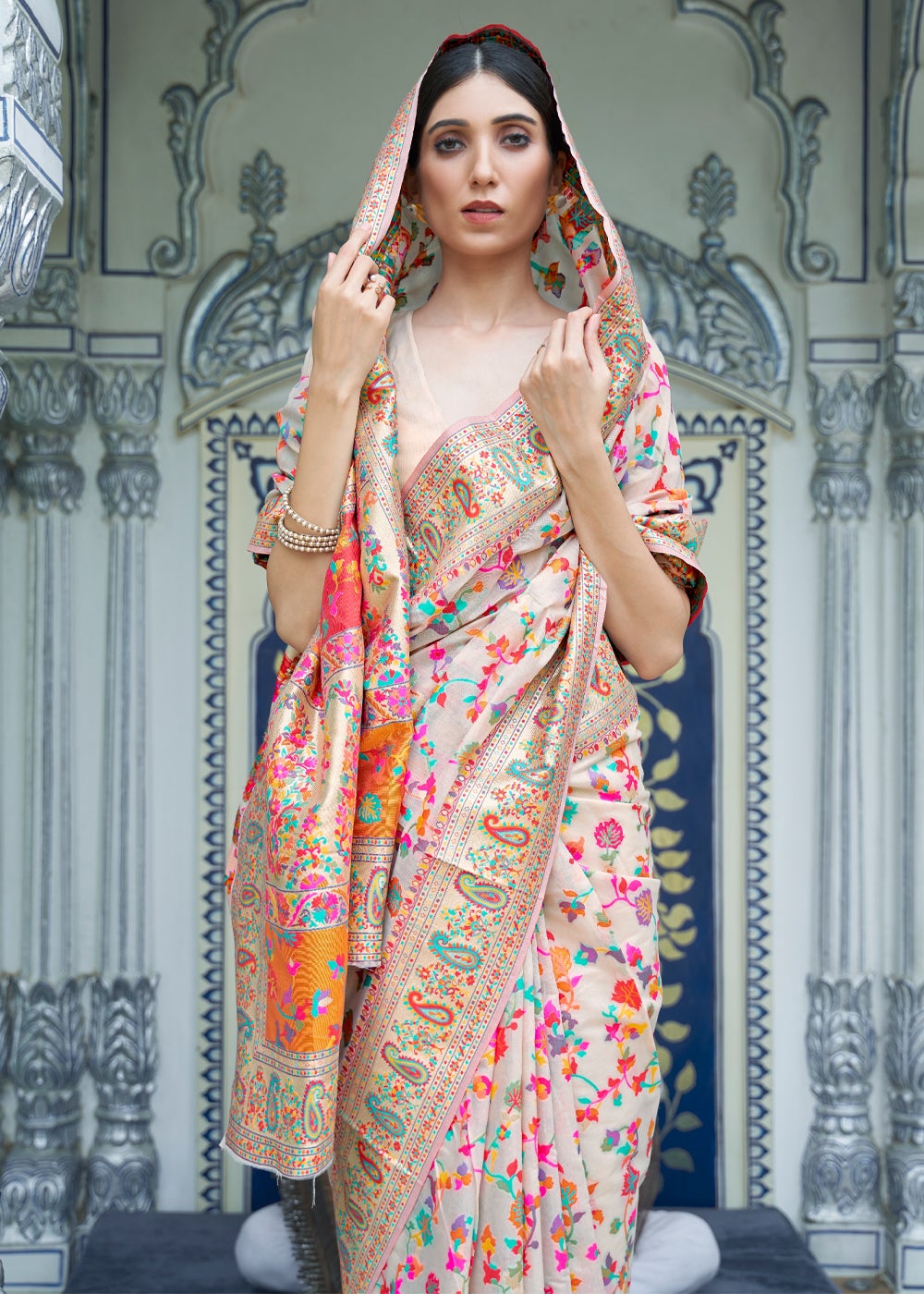
Biscoff Cream Kashmiri Jamawar woven Banarasi silk Saree
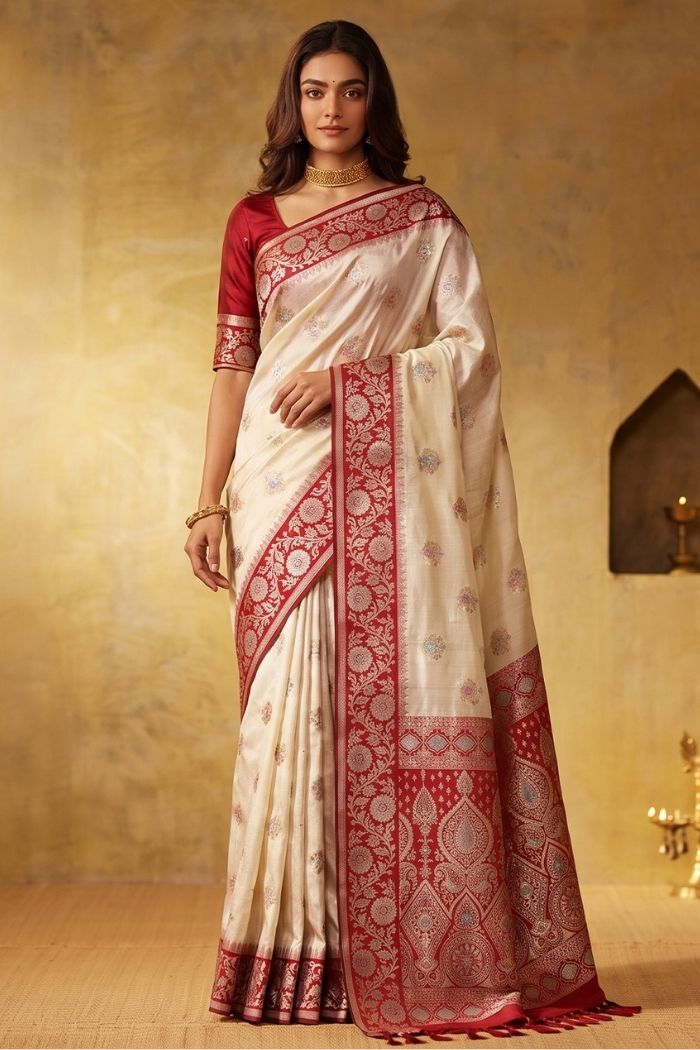
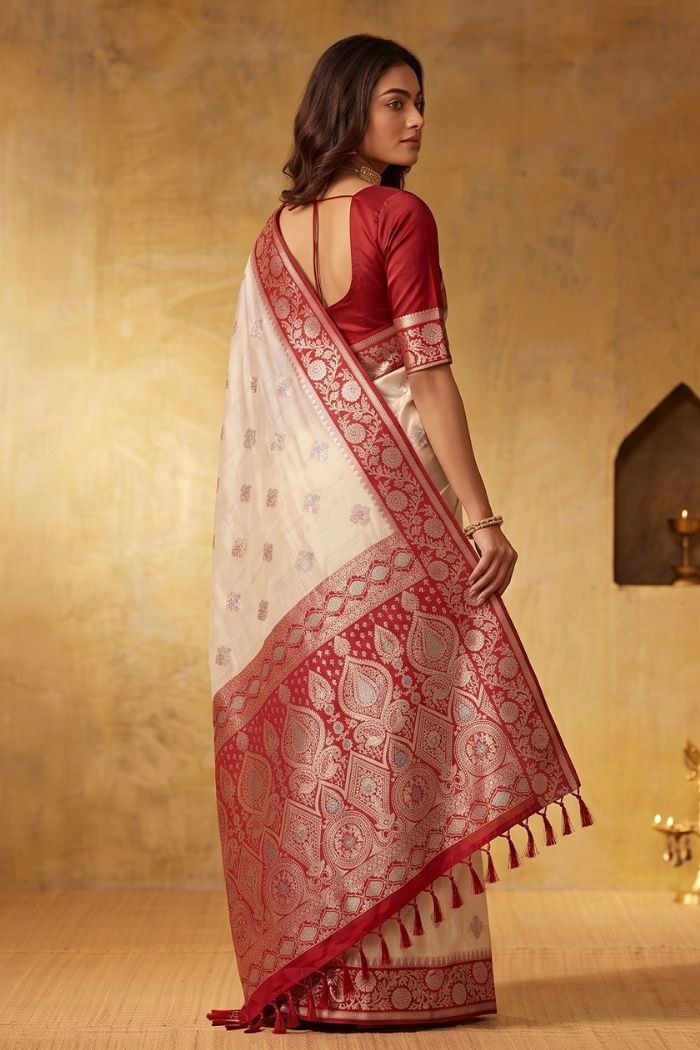
Alabaster Cream Woven Banarasi Saree
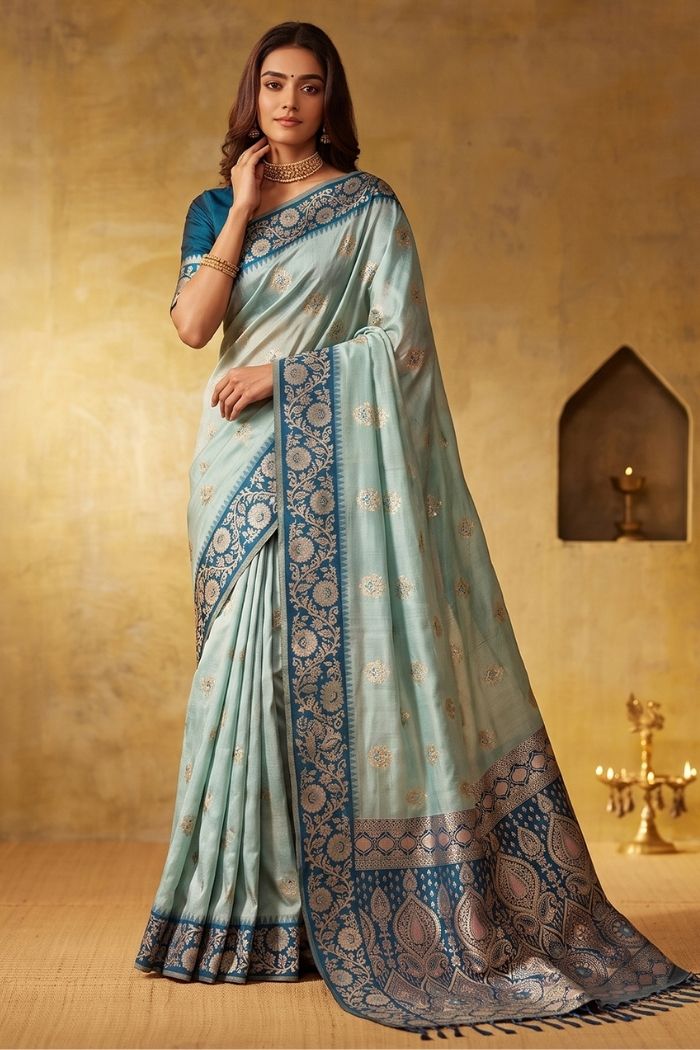
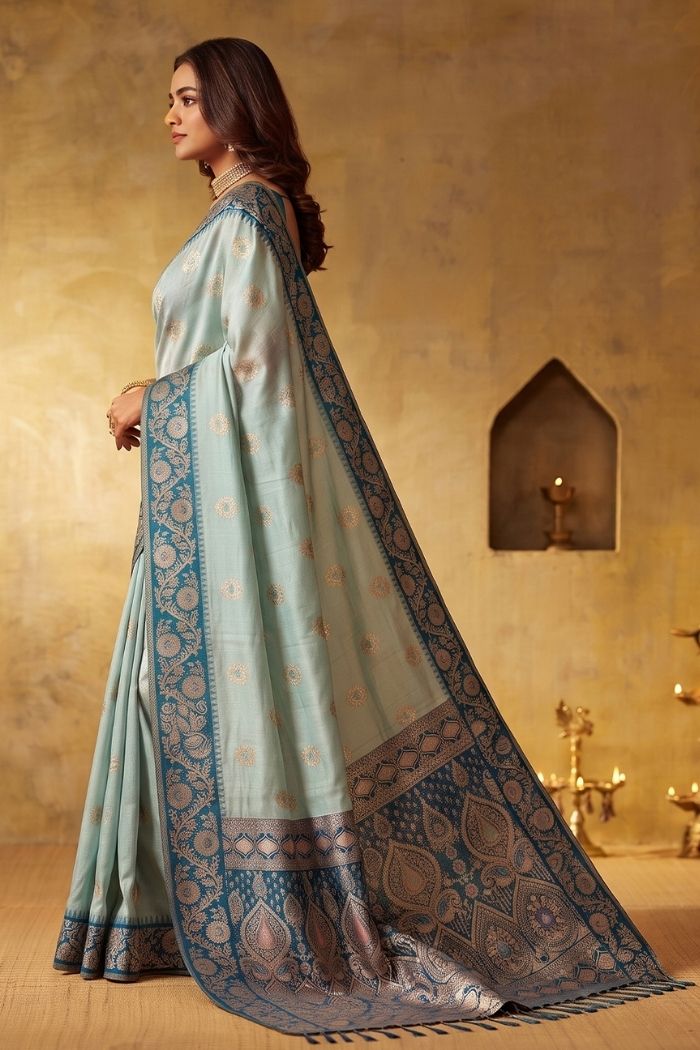
Ice Blue Woven Banarasi Saree
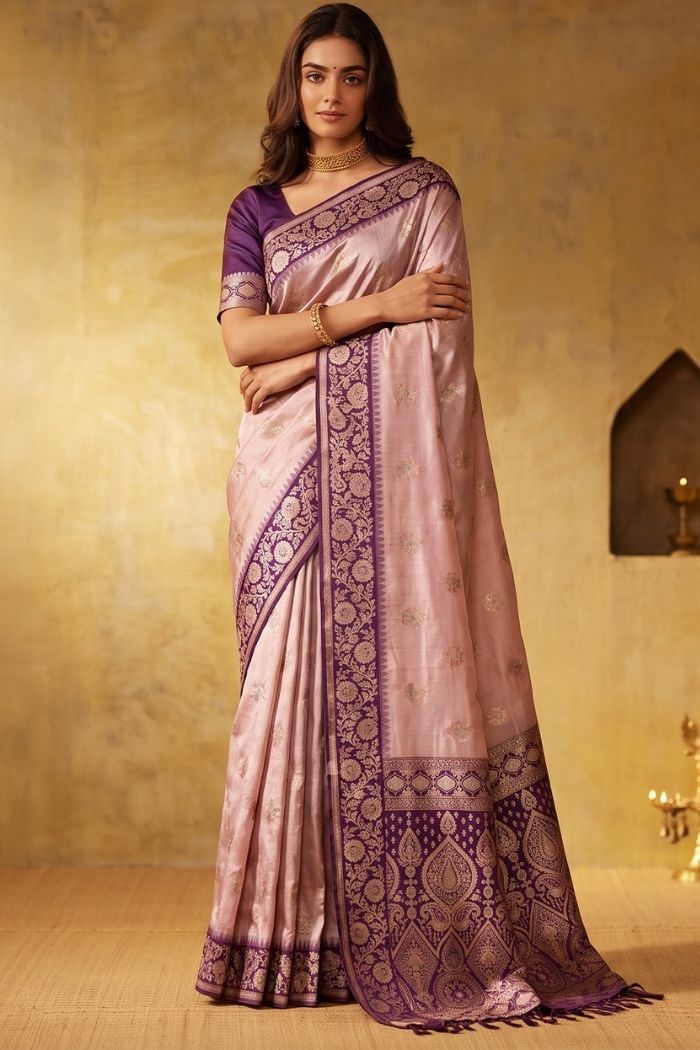
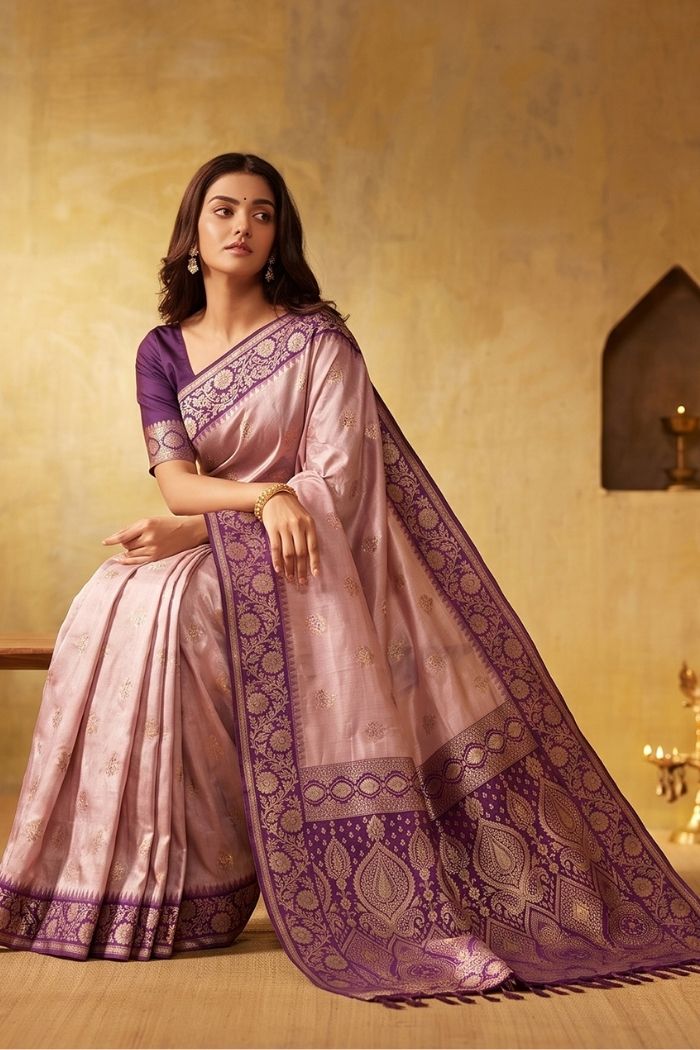
Dusty Pink Woven Banarasi Saree
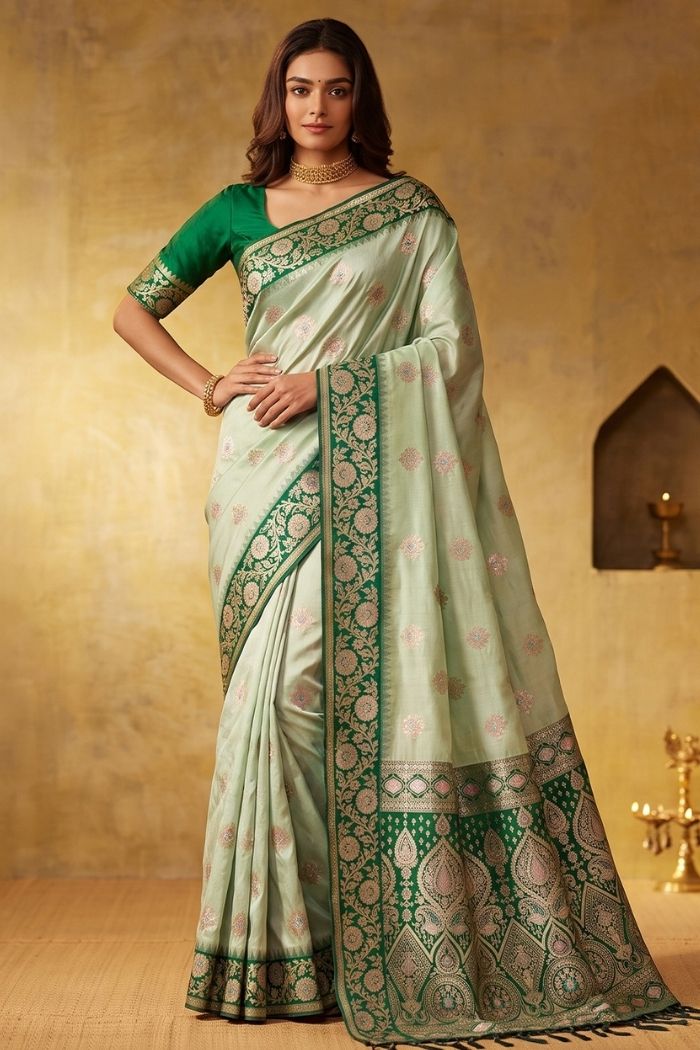
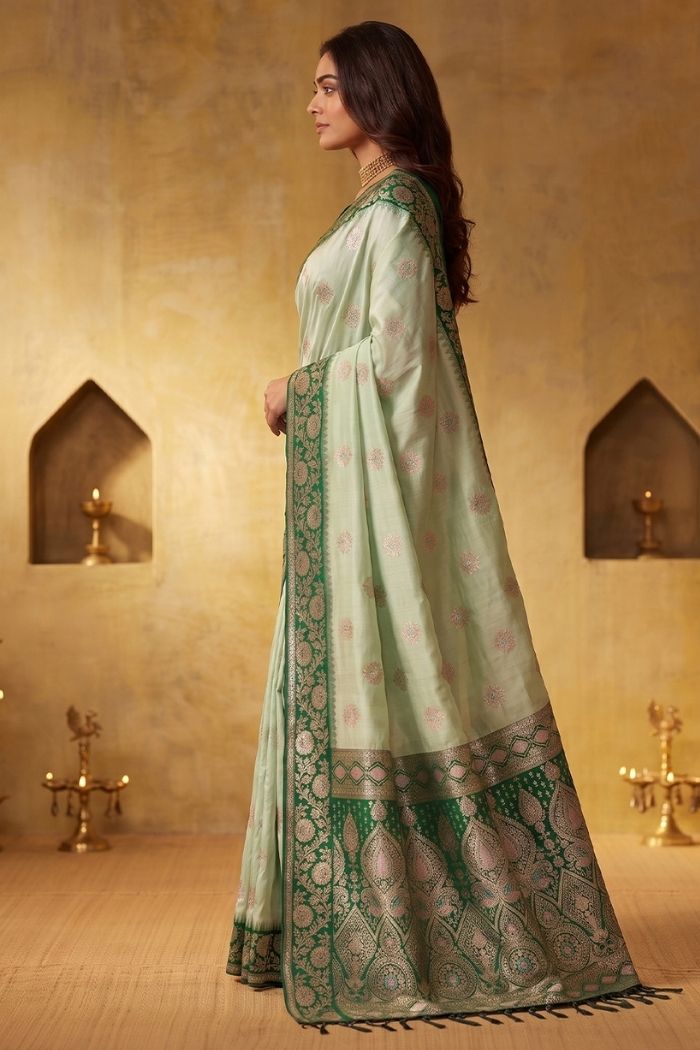
Sage Green Woven Banarasi Saree
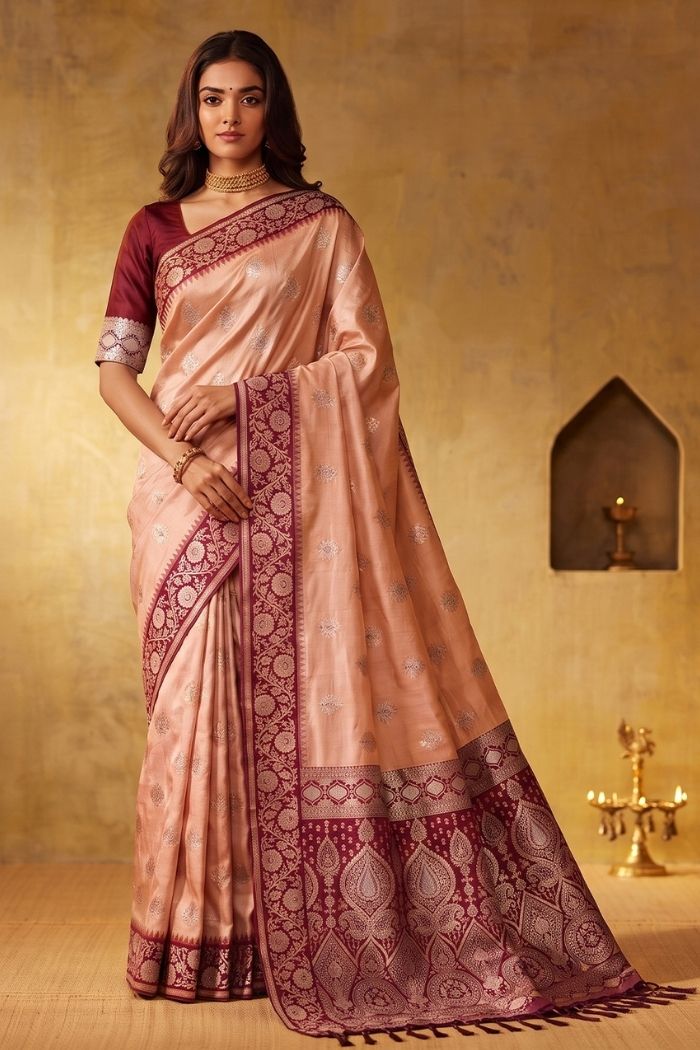
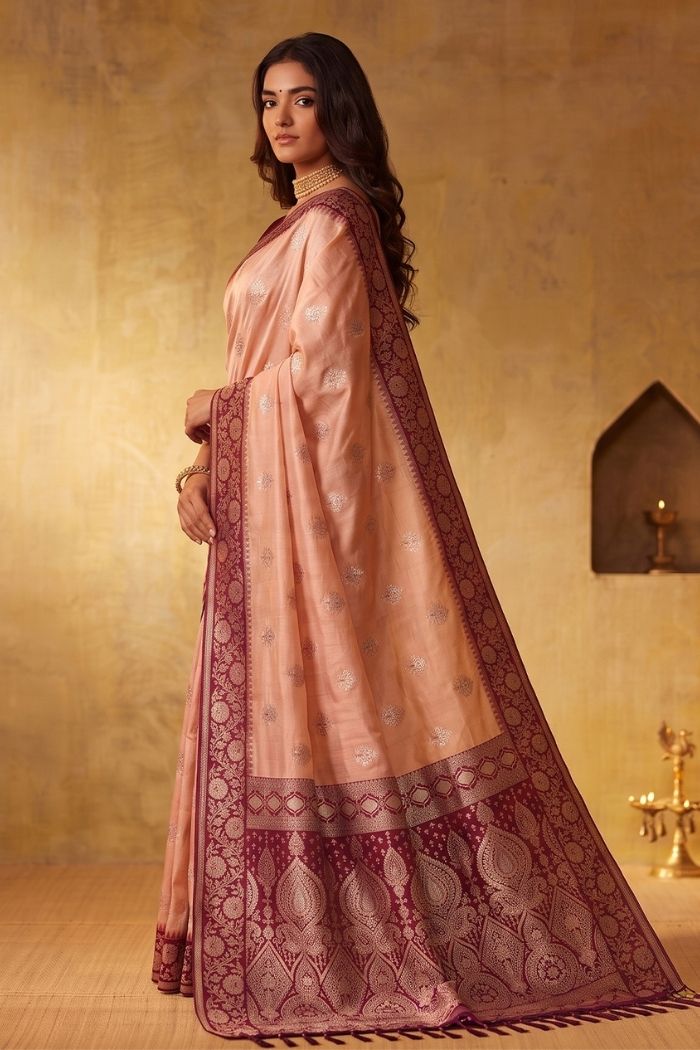
Copper Peach Woven Banarasi Saree
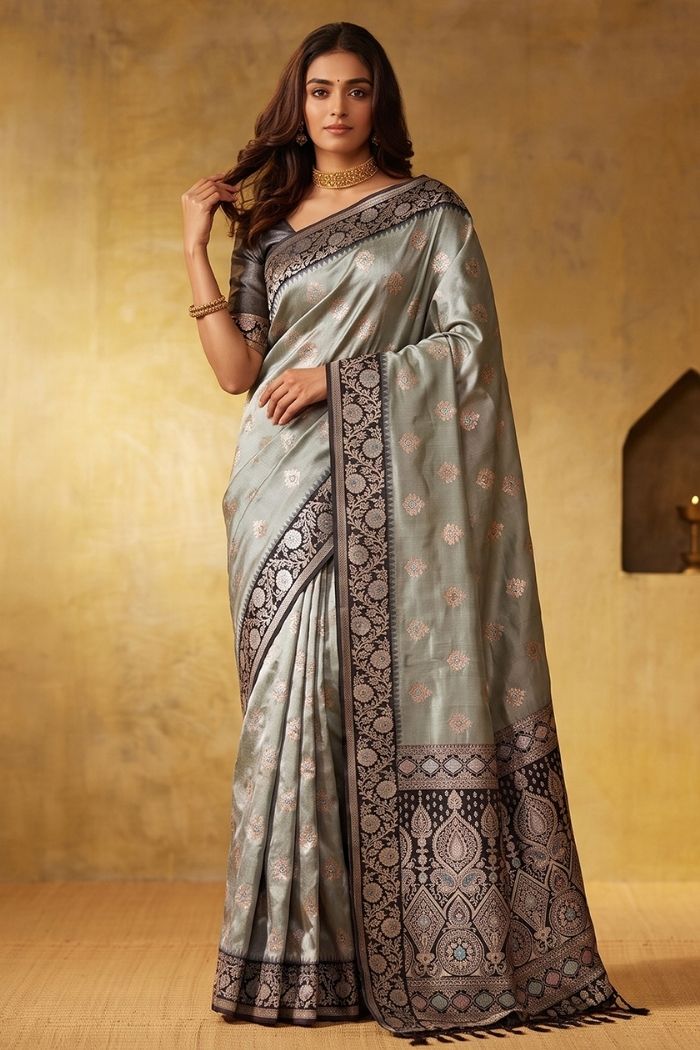
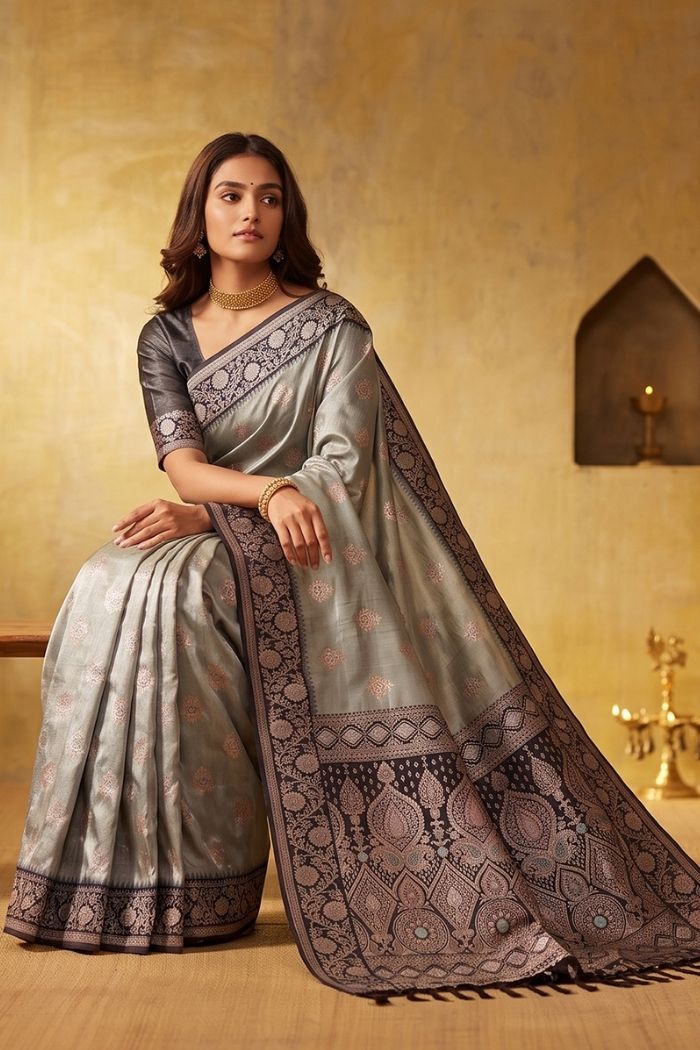
Dove Grey Woven Banarasi Saree
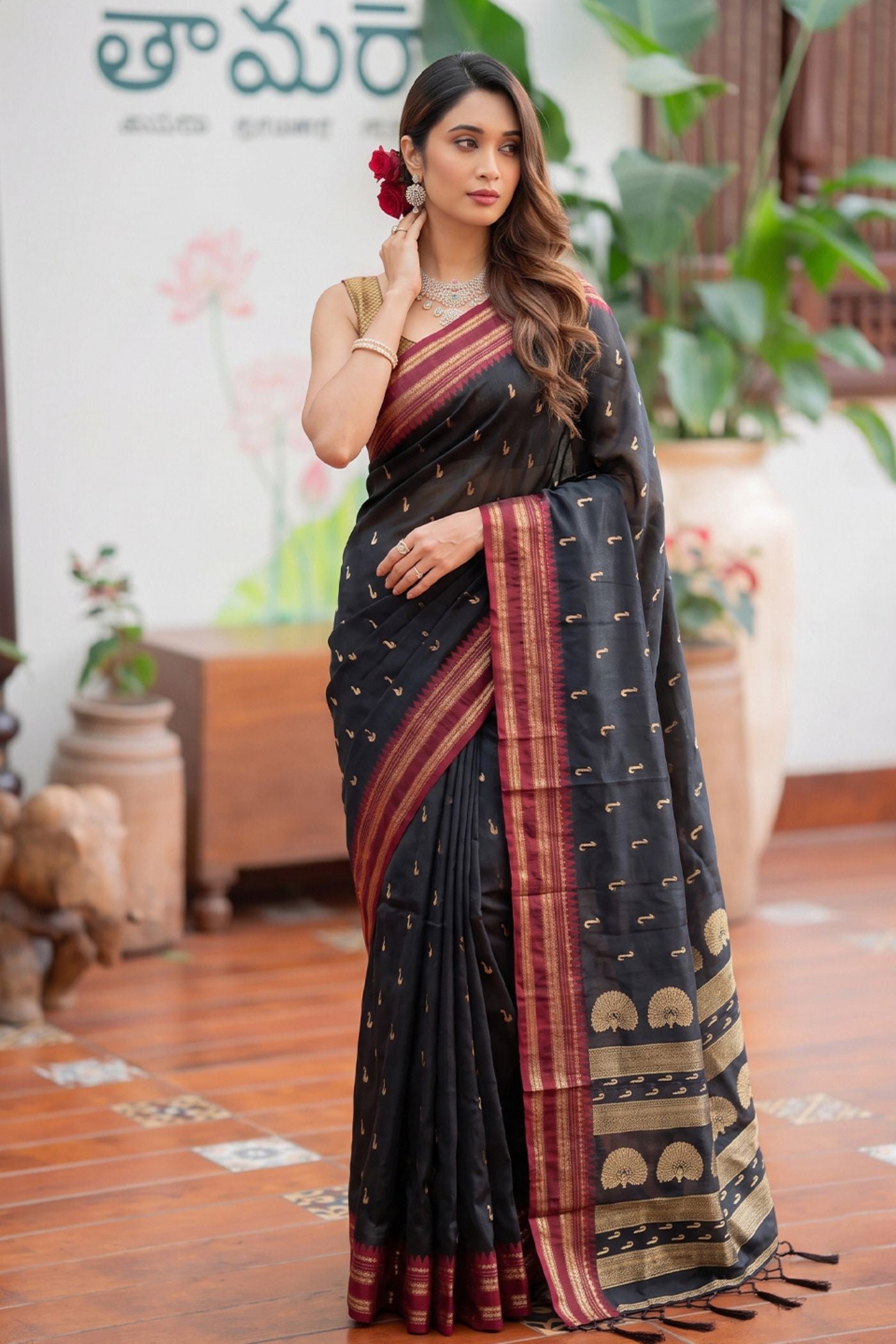
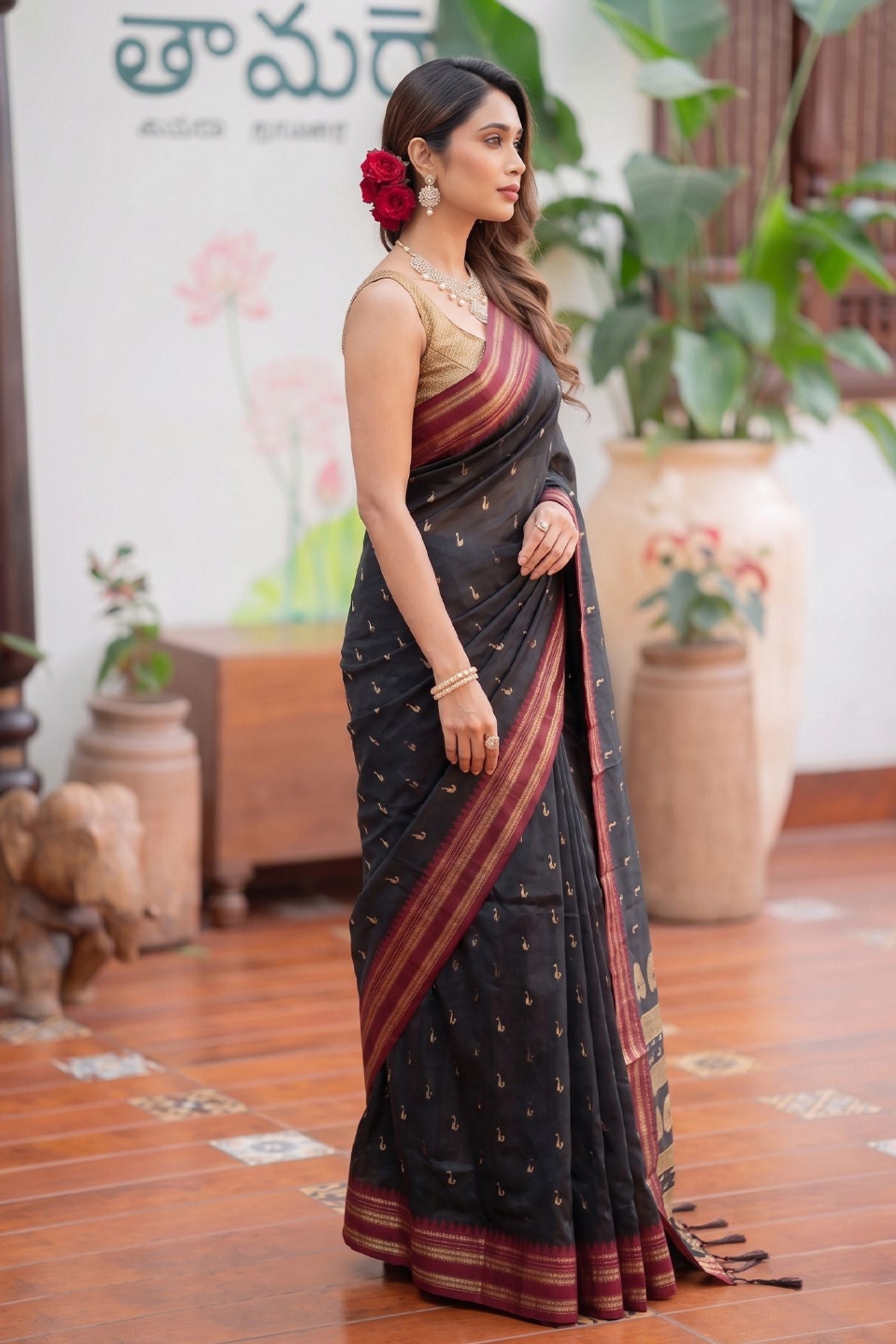
Obsidian Black Banarasi Woven Soft Silk Saree
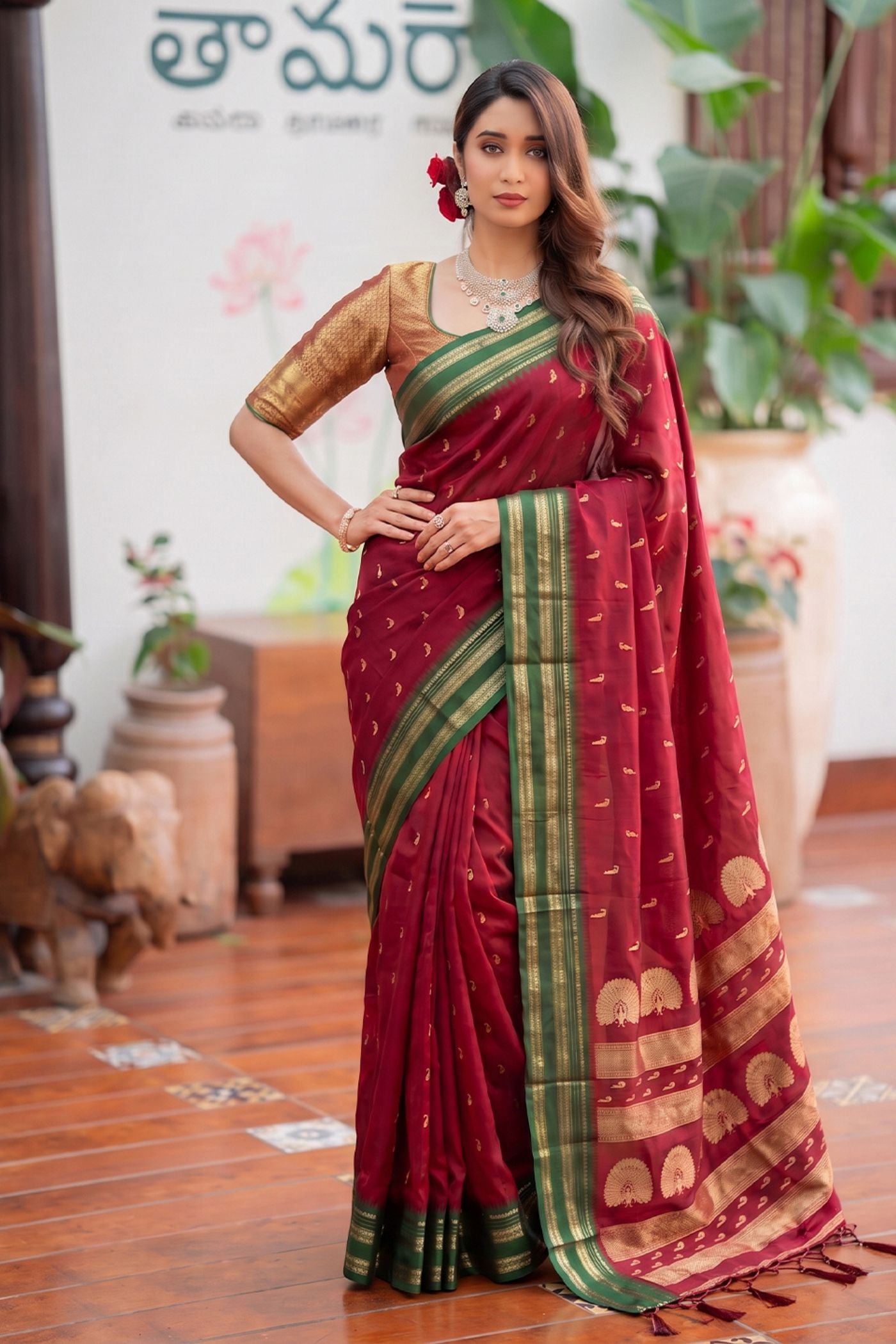
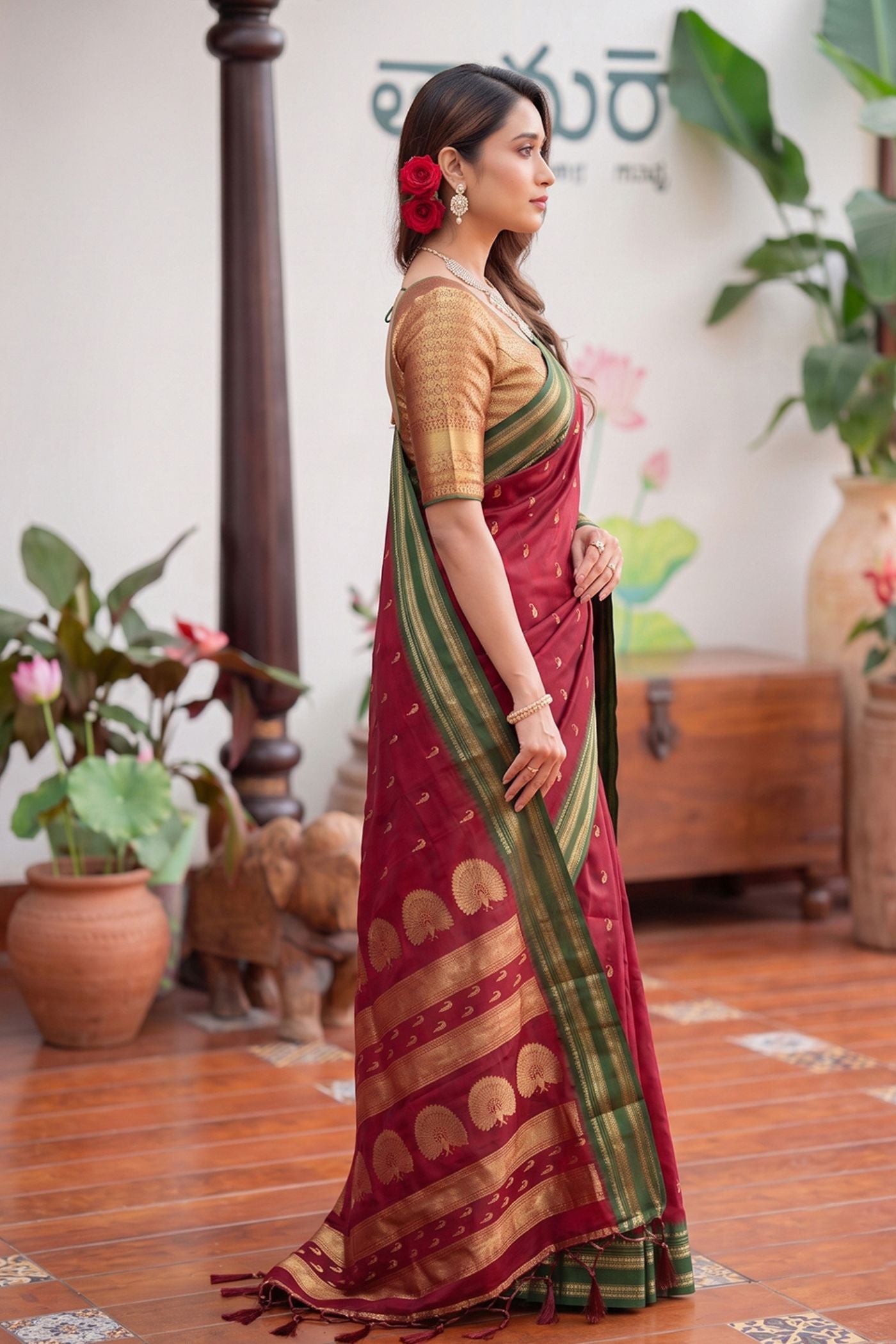
Caramel Brown Banarasi Woven Soft Silk Saree
Frequently Asked Questions — Banarasi Sarees
What is the difference between Katan, Georgette, and Organza Banarasi sarees?
These three fabric types represent the most popular Banarasi weaves, each with distinct characteristics. Katan Banarasi is the most traditional — woven from pure twisted silk threads, it has a smooth, slightly stiff drape and a rich, heavy feel. It is the go-to choice for weddings and formal occasions. Georgette Banarasi is woven from crepe-twisted silk or synthetic threads, giving it a lighter, more fluid drape with a subtle grainy texture. It is ideal for summer events and everyday festive wear. Organza Banarasi uses a plain-weave structure with tightly twisted threads to create a sheer, crisp fabric — perfect for modern, lightweight occasions where you want Banarasi brocade work without the heaviness of Katan. MySilkLove carries all three variants, so whether you need a grand bridal Katan or a breezy Georgette for a summer party, you'll find the right fit here.
How can I identify a genuine handwoven Banarasi saree vs. a power-loom copy?
The handwoven vs. power-loom distinction is the most important quality check when buying Banarasi sarees. On a genuine handwoven Banarasi, the reverse side will show loose floating threads (called 'kadwa' or 'fekwa' depending on the technique) — these are the hallmark of hand manipulation. Power-loom copies have a neat, almost machine-perfect reverse with no loose threads. Second, examine the zari motifs up close: handwoven zari has a slight irregularity and depth, while machine-woven zari looks flat and uniform. Third, genuine Banarasi sarees are GI-tagged — look for the tag and accompanying certificate. At MySilkLove, every Banarasi comes with a GI certificate and weaver ID card so you can trace its origin.
Are Banarasi sarees suitable as a wedding gift?
A Banarasi silk saree is one of the most meaningful gifts in Indian tradition, because it carries craft, heritage and a sense of permanence — it is a piece the recipient keeps, wears for decades and often passes on. Weddings are the classic occasion: a Banarasi is given to the bride as part of her trousseau, exchanged between the two families, and in several North Indian communities it forms part of the customary gifts from the groom's family. Beyond weddings it is equally at home as an anniversary present, a gift to a mother or mother-in-law, a welcome for a new daughter-in-law, a graduation or retirement marker, or a milestone birthday gift. Choosing well is simple: a Katan Banarasi suits grand ceremonial gifting, while a lighter Georgette or Organza Banarasi suits someone who will wear it often. Every Banarasi at MySilkLove ships with its GI certificate and weaver ID card, gift packaging and a note can be arranged on request via WhatsApp, and easy 7-day returns and COD make gifting low-risk.
What documents or marks should a pure Banarasi silk saree come with, and what is HSN code 5007?
When buying a pure Banarasi silk saree, three things confirm authenticity. First, the Silk Mark label — a small tag issued by the Silk Mark Organisation of India that certifies the fabric is 100% natural silk. Second, the Banarasi GI (Geographical Indication) tag, which certifies that the saree was genuinely woven in the Varanasi region using traditional techniques. Third, the invoice should show HSN code 5007, which is the official tax classification reserved for woven fabrics of pure silk; if your bill shows a different HSN code, the saree is most likely a silk blend or art-silk rather than pure silk, and that is not a problem as long as it is labelled honestly. You can further verify by checking the reverse of the saree for the loose floating threads typical of handweaving, and by confirming the saree is woven rather than printed. At MySilkLove, every pure-silk handwoven Banarasi ships with its Silk Mark, GI certificate, HSN 5007 invoice and a weaver ID card so you can trace exactly who wove it; silk-blend Banarasi pieces are labelled clearly as blends and priced accordingly, so you always know exactly what you are paying for.
How do I wash and care for a Banarasi silk saree without damaging the zari?
For pure Banarasi silk, professional dry cleaning is the safest choice, especially for the first clean and for any saree with heavy zari work — water can flatten the silk's crisp 'scroop' and household detergents are usually too harsh for natural silk. You don't need to dry clean after every wear; once every two to three wears, or when there's a visible stain, is plenty. When you iron, always press on the reverse side with a thin white cotton cloth between the iron and the fabric, so direct heat never dulls or blackens the zari. For storage, fold the saree with the zari facing inward to reduce friction, wrap it in muslin or cotton rather than plastic, keep it in a dark, dry place, and refold periodically to avoid permanent creases. Neem leaves or silica gel nearby keep insects and damp away naturally. Every Banarasi from MySilkLove ships with a care card, and our team can guide you on a specific piece over WhatsApp.
How much does a genuine handwoven Banarasi silk saree cost, and are very cheap ones real?
Price is one of the quickest reality checks when buying a Banarasi. The raw materials alone — pure katan silk yarn and real zari — cost more than Rs 3,000, so a 'pure handwoven Banarasi' advertised at Rs 999 or Rs 1,500 is almost certainly a power-loom copy in art silk. Across the market, genuine handwoven pure-silk Banarasis generally begin around Rs 6,000-8,000 for simpler designs and can rise to Rs 50,000 or more for heavy kadhua-woven bridal pieces with dense zari jaal work. Four factors drive that range: silk purity, the type of zari used, the weaving technique (kadhua brocades take far longer than fekwa), and total loom time, which can run from a few weeks to several months. What MySilkLove lists today sits at the everyday-to-festive end of that ladder rather than the bridal-heirloom top: our Banarasi sarees currently go up to about Rs 10,500 at regular list price, spanning woven Banarasi silks, Chanderi and Jamawar Banarasis and honestly-labelled silk blends below that, with seasonal offers applied automatically at checkout often bringing the payable price lower. Blends are always described as blends, never as pure silk. Always confirm the Silk Mark label and Banarasi GI tag before paying a premium for purity, and if you are looking for a heavy pure-Katan bridal piece beyond our listed range, our WhatsApp team can tell you what is available directly from our Varanasi weavers.
How long does it take to weave a single Banarasi silk saree?
A genuine handwoven Banarasi is slow craft, and the loom time is a large part of why it is treasured. A simpler design can take around 15 days, while richer pieces commonly take one to six months, and the most elaborate bridal sarees can take close to a year on the handloom. The biggest factor is the weaving technique. A kadhua (kadwa) saree, where every motif is woven separately so there are no carried floats behind the design, often engages two weavers on one loom and can take many months for a dense jaal. Fekwa or cutwork is faster because the motif threads are carried across and trimmed later. The amount of zari, the fineness of the silk, and the density of the brocade all add time. This is why a 'pure handwoven Banarasi' offered at a throwaway price is almost always a quick power-loom copy. Every Banarasi at MySilkLove is sourced directly from Varanasi weavers and ships with a GI certificate and weaver ID card so you know whose months of work you are wearing.
How do I drape and style a Banarasi silk saree?
A Banarasi rewards a drape that shows off its zari pallu, so the styling choice depends on the fabric weight. For a heavier Katan Banarasi, the classic Nivi drape (pleats tucked at the waist, pallu over the left shoulder) works beautifully — make neat, even pleats and let the pallu fall full-length so the brocade is on display; a waist belt helps anchor the weight for long functions. Lighter Georgette and Organza Banarasis drape more fluidly and suit a butterfly or seedha-pallu style that lets the sheer fabric flow. A few practical tips: starch or stiff petticoats help a crisp Katan hold its shape, while a satin petticoat lets a Georgette glide; pin the pallu pleats at the shoulder so the zari stays facing out; and pair the saree with a contrast or zari-border blouse, statement jhumkas or a kundan set, and a sleek bun to keep the focus on the weave. For weddings, lean into a richly embellished blouse and temple or polki jewellery; for daytime or office-festive wear, a Georgette Banarasi with minimal jewellery is elegant and comfortable. Every Banarasi at MySilkLove ships with a matching or coordinating blouse piece where available, and our team can suggest a drape and styling for your specific saree over WhatsApp.